

Kyoto eats slower. The city invented kaiseki. Nine generations of family-run inns still serve it. The tofu shops near Nanzenji still simmer yudofu in iron pots. Nishiki Market still opens at 09:00 with the same shopkeepers selling pickles to the same restaurant runners. Tokyo is for the modern Michelin scene; Kyoto is for the food that was here first. And if you book it right, it’s cheaper than Tokyo too.
Cuisine-first below, because that’s how a serious Kyoto-eater plans the trip. Each section: 1–2 verified picks, what to order, what to skip. Most meals ¥3,000–¥10,000. Kaiseki dinners are ¥20,000+, but lunch at the same shop is half-price; booked weeks ahead either way. Cash is the default. Skip the queues at the “traditional” restaurants right next to the major temples. Tourist traps. The good places are one block over.
1. Kaiseki: the cuisine Kyoto invented
Kaiseki is the multi-course Japanese fine-dining tradition that started in Kyoto’s Buddhist tea-ceremony culture and matured into the eight-to-twelve course seasonal menus you book today. Two flagships below: Kikunoi Honten (three Michelin stars, the textbook Kyoto kaiseki) and Hyotei (three Michelin stars, 400+ years old, possibly the oldest restaurant in Japan). Both are bookings made weeks in advance. Lunch is the accessible entry: both serve a lunch course around ¥7,000–¥10,000 versus ¥20,000–¥30,000 for dinner.

Kikunoi Honten (菊乃井 本店)
Founded 1912, three Michelin stars. Chef Yoshihiro Murata is internationally known. Tatami seating, traditional ryotei setting. Reservations weeks ahead; lunch (¥7,000+) is the accessible entry.
566-27 Komatsucho, Higashiyama-ku, KyotoView on Google Maps →
Hyotei (瓢亭)
Possibly the oldest continuously operating restaurant in Japan, 400+ years. Three Michelin stars. Operated by the same family for fourteen generations. On the grounds of Nanzenji Temple.
136 Matsushitacho, Nakagyo Ward (Nanzenji grounds)View on Google Maps →Both restaurants run sister/sub-restaurants at lower price points: Roan Kikunoi (Kikunoi’s Pontocho branch, more accessible) and Hyotei Bekkan (Hyotei’s annexe with the famous morning ‘shokuji’ breakfast set, ¥6,000). For modern kaiseki under ¥15,000, Kiyama consistently leads Tabelog’s Kyoto rankings.
2. Yudofu & Tofu: Kyoto’s soft cuisine
Kyoto has soft water, which is why the tofu is better here than anywhere in Japan. The signature dish: yudofu, blocks of silken tofu simmered in a kelp broth and dipped in ponzu, served around the Nanzenji temple complex where Buddhist monks ate it for centuries. Today the same shops still serve it, with tofu-kaiseki courses that turn one ingredient into eight progressions.

Tousuiro (豆水楼)
Two locations: Kiyamachi (5 min from Kyoto-shiyakushomae subway) and Higashiyama (15 min from Gion Shijo). Counter and tatami seating. Lunch course from ~¥3,500.
517-3 Kamiosakamachi, Sanjo-agaru Kiyamachi-dori, Nakagyo-kuView on Google Maps →
Okutan Nanzenji (奥丹 南禅寺)
Founded 1635, the oldest tofu restaurant in Kyoto. Thatched-roof building, tatami garden seating. Cash only. Daily ex. Thursday, 11:00–17:00. Confirm current status with the shop before visiting.
86-30 Nanzenji Fukuchicho, Sakyo-ku, 10 min from Keage subwayView on Google Maps →Two adjacent options in the Nanzenji yudofu cluster worth knowing: Nanzenji Junsei (tofu hot-pot in a National Tangible Cultural Property building) and Yudofu Sagano (Arashiyama branch, paired with a bamboo-grove walk).
3. Obanzai: Kyoto home cooking
Obanzai is what Kyoto households actually eat: small dishes of seasonal vegetables, tofu, and dried fish, simply seasoned to draw out natural flavours. You order seven or eight little plates, family-style, and pair them with sake. It’s the cheapest way to eat Kyoto cuisine without compromising on quality (¥3,000–¥4,000 per person), and the best places sit on Pontocho and Gion’s side streets in restored machiya (wooden townhouses).

Kyomachiya Obanzai Kohaku (京町家おばんざい 琥珀)
Pontocho alley setting in a beautifully preserved wooden machiya. Counter and tatami seating. English menu available. Cash and cards. Dinner from ~¥3,500.
Pontocho-dori, Nakagyo-ku, KyotoView on Google Maps →Two more obanzai picks within five minutes of Kohaku: Kokoraya Pontocho (kappo-style obanzai paired with Kyoto sake, ¥3,000–¥4,000) and Enraku in Gion (impeccable seasonal plate presentation).
4. Kyoto Ramen: Daiichi Asahi’s shoyu legacy
Tokyo gets the modern ramen press, but Kyoto invented its own style: heavy soy-sauce broth, plenty of pork, a mountain of bean sprouts and Kujo green onions on top. The best is Honke Daiichi Asahi, opened in 1947 near Kyoto Station, currently sitting on Tabelog 3.73 with over 6,500 reviews. They open at 06:00 and close at 01:00, so this is also the best post-train, pre-temple, late-night-pre-bullet-train option.

Honke Daiichi Asahi (本家 第一旭 たかばし本店)
5 min walk from Kyoto Station (JR + subway). Daily ex. Thursday, 06:00–01:00. Multiple Tabelog 100 awards for Western Japan ramen. Cash only.
845 Higashishiokoji-Mukaibatacho, Shimogyo-kuView on Google Maps →Honke Daiichi Asahi on Tabelog → 3.73★ / 6,585 reviews
Two more Kyoto-style ramen picks: Honke Daiichi Asahi’s neighbour, Shinpuku Saikan (also at Kyoto Station, slightly thicker broth) and Menyatesshin in Hyakumanben (chicken broth, Kyoto University students’ spot).
5. Nishiki Market: the morning food street
Nishiki Market is a 400-metre covered arcade in central Kyoto, sometimes called ‘Kyoto’s kitchen’. It runs east-west between Teramachi and Karasuma, open ~09:00–18:00 daily, with about 120 vendors: pickles, tofu, fresh wagashi (Japanese sweets), grilled skewers, seasonal vegetables, tea. The chefs who cook the kaiseki at Kikunoi shop here before service. So can you.
The walking strategy: start at the Teramachi end at 10:00, work west, eat as you go. The best stalls: Aritsugu (Japan’s most-respected knife shop, 16th-century founding), Kyoto Hannariya (matcha soft-serve), Mochitsuki Yasubei (mochi pounded on demand), and Konna Monja (sea-eel skewers, often a queue). Avoid Nishiki at lunch; the tour buses arrive at 11:30. Pre-10:00 or post-15:00 is empty.
6. Coffee & Wagashi: the Kyoto sit-down
Kyoto invented Japanese coffee culture. Inoda Coffee (opened 1940, the city’s most famous kissaten/coffee-house) has multiple branches and serves the same blend it did 80 years ago. Order the “Arabia no Shinju” (Pearl of Arabia) with milk and sugar pre-mixed, the way the founder insisted. The Sanjo Honten is the original.
For traditional Japanese sweets, Tsuruya Yoshinobu (founded 1803) is the textbook Kyoto wagashi shop: seasonal namagashi (fresh sweets) shaped to look like spring blossoms in March, autumn leaves in November. The Karasuma main branch has a counter where you can watch the wagashi-shi make a piece, then eat it with matcha. ¥1,500 per set.
Modern third-wave: % Arabica Higashiyama (the Insta-famous flagship, queues at all hours) and Weekenders Coffee (a tiny stand-up bar in a hidden Nakagyo courtyard; the better cup, less queue).
7. Where to Base Yourself for Food
Kyoto is compact compared to Tokyo, but the food clusters are still distinct. Three useful base-camps:
- Pontocho & Kiyamachi (central west bank). The dense restaurant alleys: obanzai, kappo, izakaya, tofu kaiseki. Walking distance to Nishiki Market in 10 minutes. Best for a food-first trip.
- Gion & Higashiyama (east bank). The traditional teahouse district and the temple cluster. Kikunoi, Hyotei, the Nanzenji yudofu shops are all here. More expensive accommodation, quieter at night.
- Karasuma Oike / Nijo (central business). Boutique hotels with easy subway access to everywhere. The wagashi shops cluster here. Best for first-time visitors who want a central base.
8. How to Eat in Kyoto
- Reserve weeks ahead for kaiseki. Kikunoi and Hyotei: 2–4 weeks minimum. No reservation = no table. Don’t even try walking in. If you don’t have the lead time, ask the hotel concierge; they have lines you don’t.
- Pack cash. Seriously. Half the shops on this list don’t take cards. ATMs at 7-Eleven on every corner, so load up before you start the day.
- Lunch is half the price. Same kaiseki, same chef, ¥7,000–¥10,000 versus ¥20,000+ at dinner. If money matters, eat the big meal at noon. The chef won’t know the difference.
- Skip the temple-adjacent “traditional” restaurants. The ones with picture menus and English signs right next to Kiyomizu-dera and Fushimi Inari are tourist traps. Walk one block in any direction.
- Nishiki Market: before 10:00 or after 15:00. The tour buses dump 200 people at 11:30. By 15:00 they’ve left. Match those windows or pick a different walk.
- The Kyoto day. Ramen at Daiichi Asahi at 11:30. Nishiki Market grazing 14:00–15:30. Yudofu or obanzai dinner. ¥6,000 total, three meals, three Kyoto-only experiences. That’s the formula.
- Dress code: long trousers + clean shirt for kaiseki. Anything goes everywhere else.
Related reading
- Where to Eat in Tokyo — the companion food guide for Tokyo’s twenty-three wards.
- Best Ramen in Asakusa — if Tokyo ramen is the next trip.
- Japanese Food — interest hub with all our food articles.
Where to bathe in Kyoto
Onsen
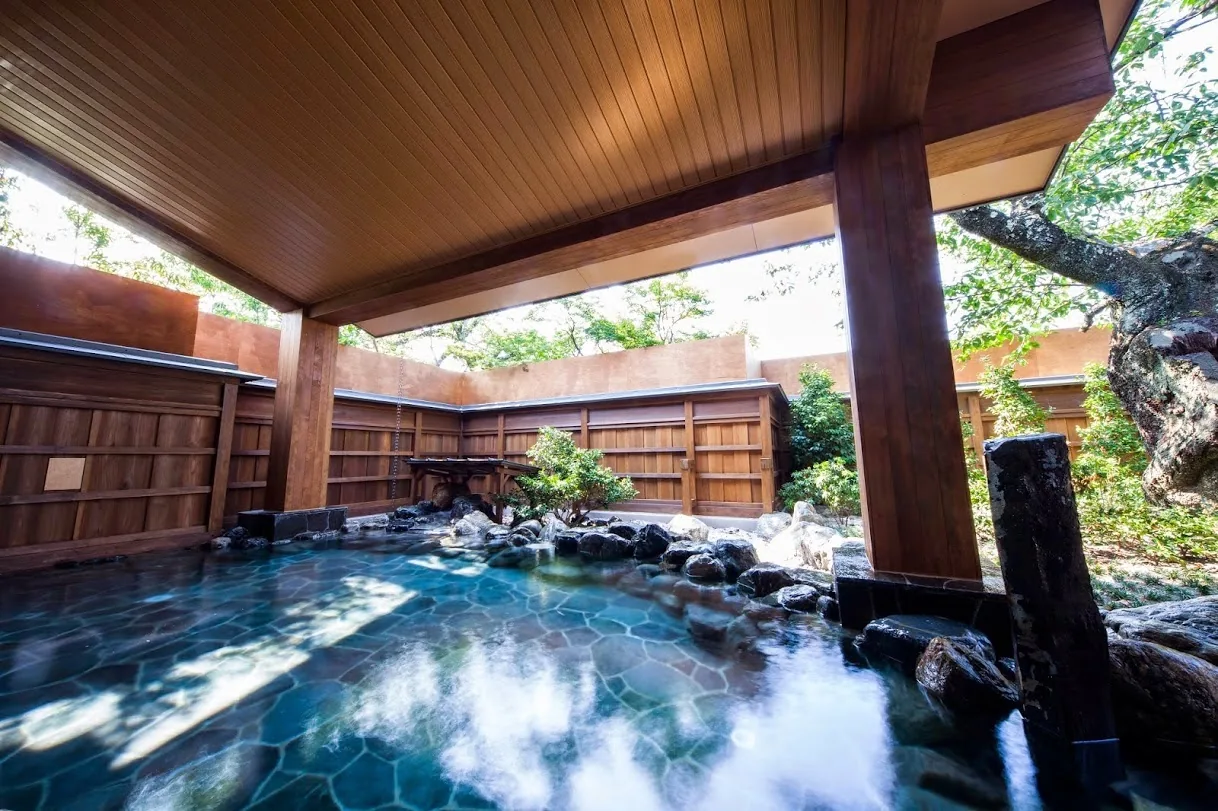
Fu Fu No Yu Onsen
public4.11.8k
Klook-bookable; iconic experience
Day-use onsen in Kyoto: 1,816 Google reviews, 4.1★ average.
Hours, address
- Hours
- Monday: 12:00 – 10:00 PM / Tuesday: 12:00 – 10:00 PM / Wednesday: 12:00 – 10:00 PM / Thursday: 12:00 – 10:00 PM / Friday: 12:00 – 10:00 PM / Saturday: 12:00 – 10:00 PM / Sunday: 12:00 – 10:00 PM
- Address
- 1 Arashiyama Kamikawaracho, Nishikyo Ward, Kyoto, 616-0001, Japan