
Japan has thousands of ryokan, with rates running from ¥8,000 to well over ¥100,000 per person per night. Most ranking lists sort by prestige or cost, which helps no one decide.
This guide matches 12 picks to traveller type: first-timers, solo travellers, couples and onsen pilgrims. Rates at traditional ryokan almost always include kaiseki dinner and breakfast, and all prices are per person per night.
Find your ryokan
Two questions. One match.
Your match
Hotel Zuiho, Sendai
Budget ryokan in a hot spring valley near Sendai. Tatami rooms and multi-course dinner at Tohoku prices.
First stay or solo, want the full format without Hakone prices
Your match
Ryokan Sawanoya, Tokyo
1950s shitamachi inn in Yanaka. English-speaking owners, ¥10,000–14,000 per person, rare for Tokyo.
Tokyo-based first stay or solo at an affordable rate
Your match
Honjin Hiranoya Kachoan, Takayama
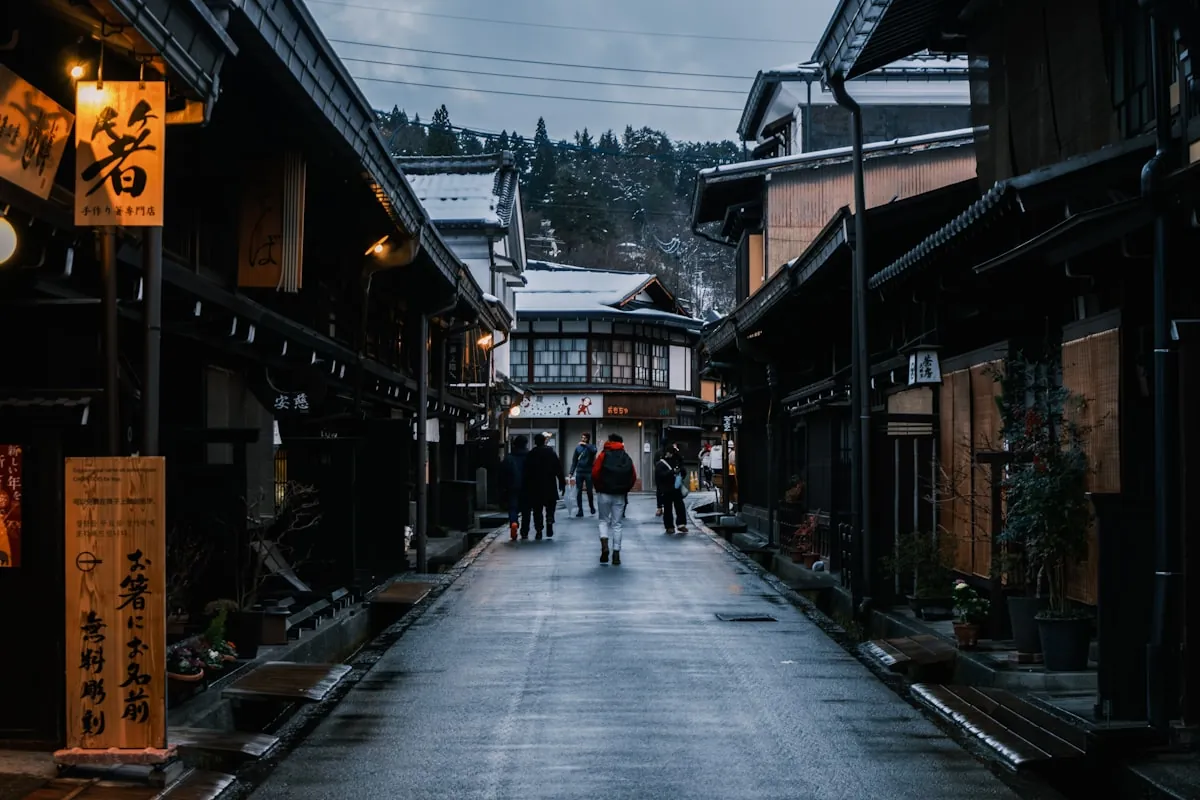
No single supplement. Kaiseki includes Hida beef, in Takayama's historic Edo-period core.
Solo traveller who wants the full kaiseki without the 60–80% single penalty
Your match
Yamatoya Honten, Matsuyama
Single rooms, three minutes from the bathhouse in continuous operation since 1894.
Solo traveller who wants an onsen base in a Shikoku city
Your match
YUMENOI, Hyogo
Forested valley in the Nishiharima hills. Very few international visitors, genuine quiet, local Harima seafood kaiseki.
One-night escape from Osaka or Himeji: seclusion without a long journey
Your match
Kanazawa Chaya Ryokan, Kanazawa
Specialty-cuisine ryokan three minutes' walk from Kanazawa Station. Rate includes dinner.
Couple pairing Kanazawa culture with a traditional ryokan stay
Your match
Yuzuya Ryokan, Kyoto
Historic wooden townhouse beside Yasaka Shrine in Gion. Walking distance to Higashiyama's stone-paved lanes.
Couple who want Kyoto access from a genuinely historic building
Your match
Tobira Onsen Myojinkan, Nagano
Rotenburo with views of the Japan Alps. Remote mountain inn above Matsumoto: complete silence at night.
Couple seeking the full mountain-onsen experience, willing to plan ahead
Your match
Yufuin Baien GARDEN RESORT, Yufuin
Rooms with private rotenburo in a Kyushu valley. Bathe in your own courtyard garden with the valley in the background.
Couple who want private onsen access, not shared facilities
Your match
Migiwatei Ochi Kochi, Tomonoura
Waterfront ryokan in an Edo-period fishing port on the Hiroshima coast. Views across the Seto inland sea.
Couple or slow traveller who want a coastal hideaway few international visitors reach
1. Ryokan Sawanoya, Tokyo
Ryokan
A 1950s shitamachi inn in Yanaka, one of the few Tokyo neighbourhoods that survived the second world war largely intact. Ryokan Sawanoya Tokyo has owners who speak fluent English and a guestbook full of praise from solo travellers.
- Rate: ¥10,000–¥14,000 per person; a comparable Tokyo hotel often costs three times as much.
- Book: at least six weeks ahead for Golden Week or autumn foliage season.
- Getting there: Nezu Station (Tokyo Metro Chiyoda Line), 7-minute walk.
- Best time: Year-round; best in autumn, when the cemetery maples turn.
- Worth knowing: Two private-use family baths instead of a communal onsen, breakfast only (no dinner), and no room service. You come for the neighbourhood, not the amenities.
2. Kanazawa Chaya Ryokan, Kanazawa
Ryokan
Kanazawa Chaya Ryokan sits three minutes' walk from JR Kanazawa Station, a short bus ride from the Higashi-Chaya geisha district and Kenroku-en. The inn is small enough for attentive service.
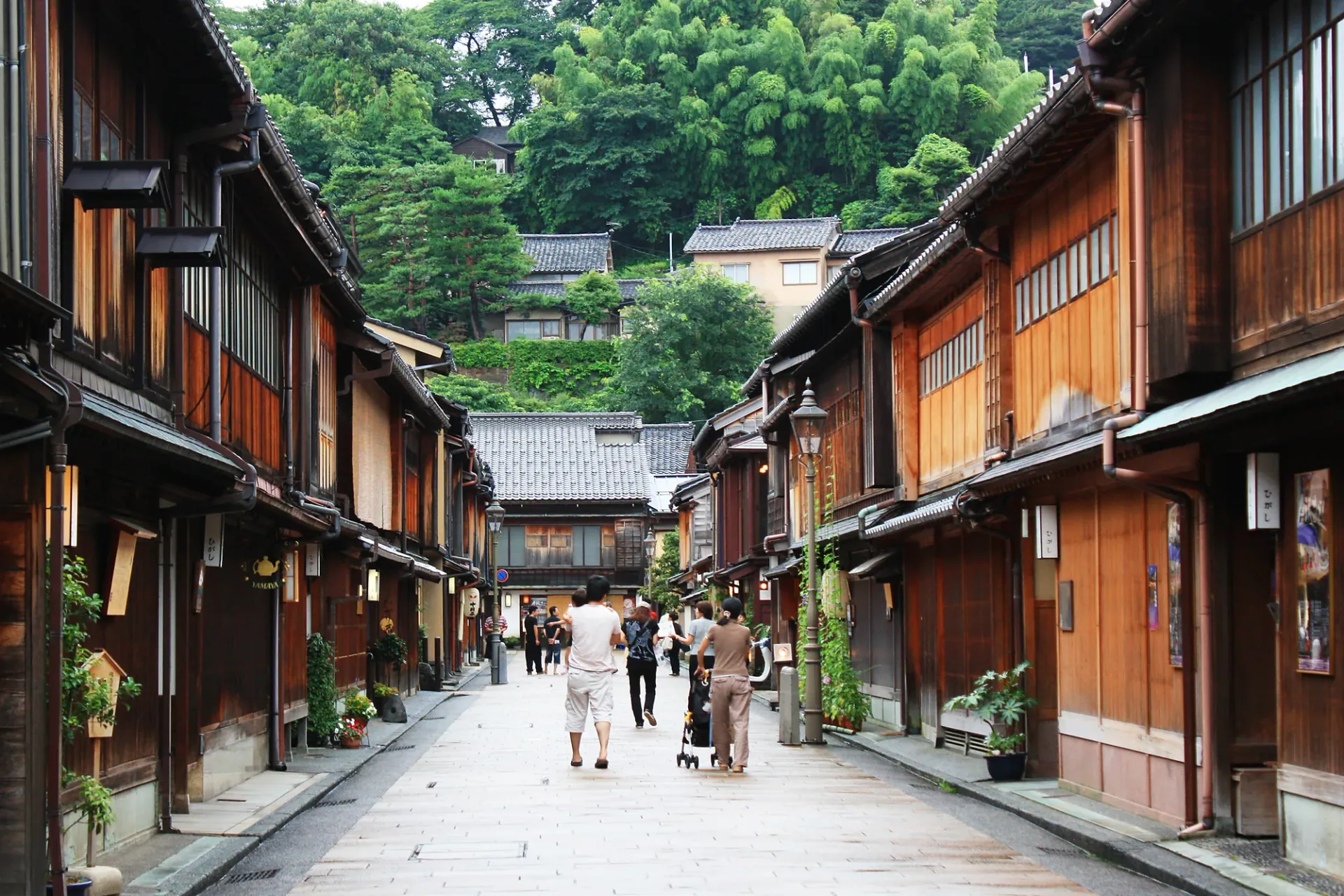
- Rate: includes dinner. Kanazawa's Japan Sea seafood kaiseki rivals Kyoto at lower prices.
- Getting there: Kanazawa Station, 3-minute walk.
- Best time: Spring for cherry blossom along the castle moat, or November for Kenroku-en at peak colour.
- Worth knowing: Golden Week here is manageable in a way that Golden Week in Kyoto is not.
3. Yuzuya Ryokan, Kyoto
Ryokan
A historic wooden townhouse in Gion, Yuzuya Ryokan puts Nishiki Market, Yasaka Shrine and the stone-paved lanes of Ninenzaka within walking distance. Couples get the Higashiyama lanes after the day-trippers leave, from rooms in a genuinely old building.
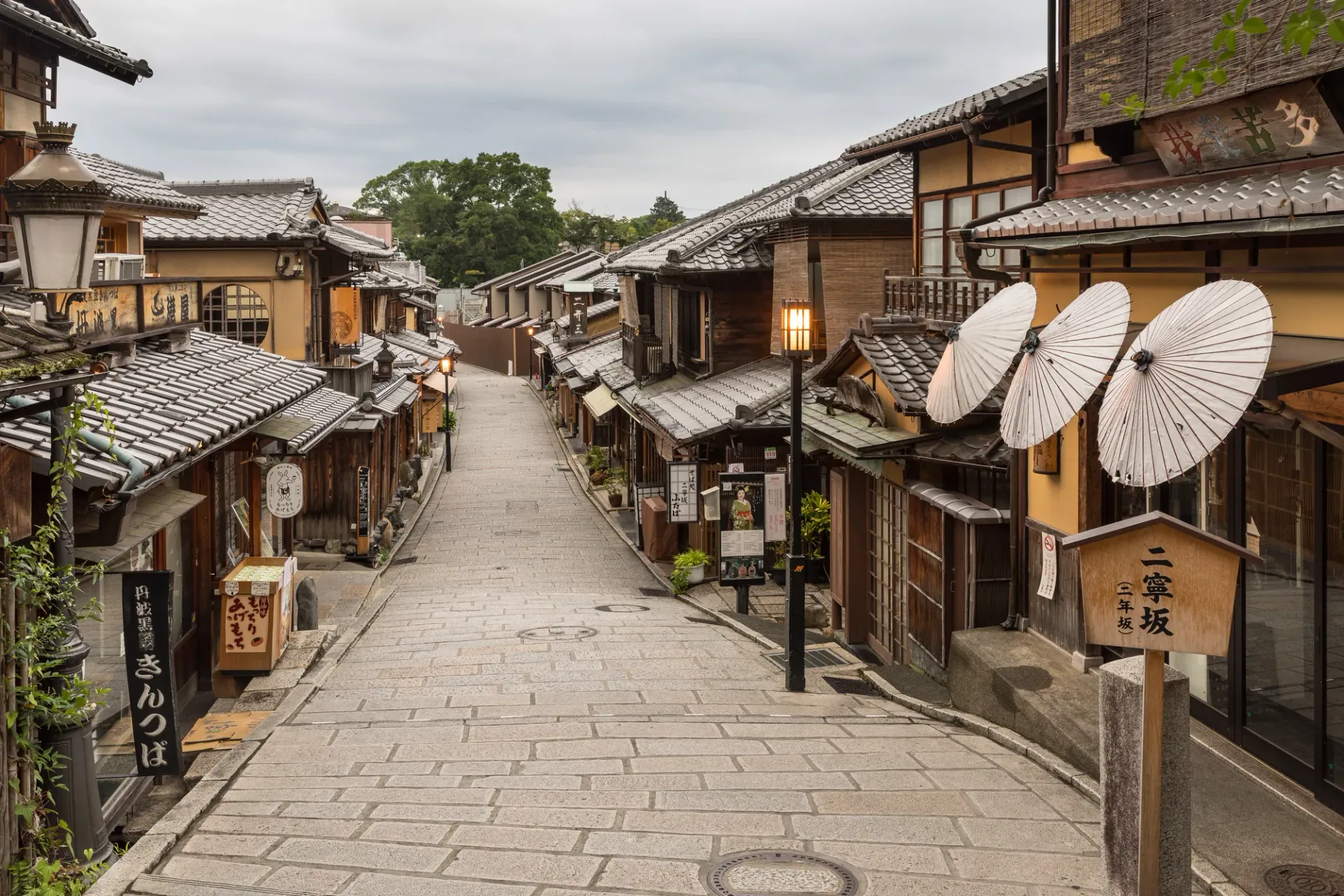
- Getting there: Kyoto Station, bus or taxi to Gion, about 20 minutes.
- Book: six months ahead for peak cherry blossom and autumn foliage months, or avoid them.
- Worth knowing: Some rooms share a bath; confirm room type at booking if a private bathroom matters.
4. Tobira Onsen Myojinkan, Nagano
Ryokan
Set in the foothills above Matsumoto, Tobira Onsen Myojinkan has outdoor baths with direct views of the Japan Alps. It sits far enough from any town that the nights are completely silent, and kaiseki uses Nagano mountain vegetables.
- Getting there: Matsumoto Station, inn shuttle (advance booking required) or rental car, approximately 40 minutes.
- Best time: February and March for snowy rotenburo; late October for autumn colour.
- Worth knowing: Remote means no convenience stores. Pack books, not plans.
5. Honjin Hiranoya Kachoan, Takayama
Ryokan
Most high-end ryokan charge 60–80% extra for single occupancy; Honjin Hiranoya Kachoan in Takayama does not. The kaiseki dinner includes Hida beef, Gifu's prized wagyu, slow-braised over a dinner of nearly two hours.
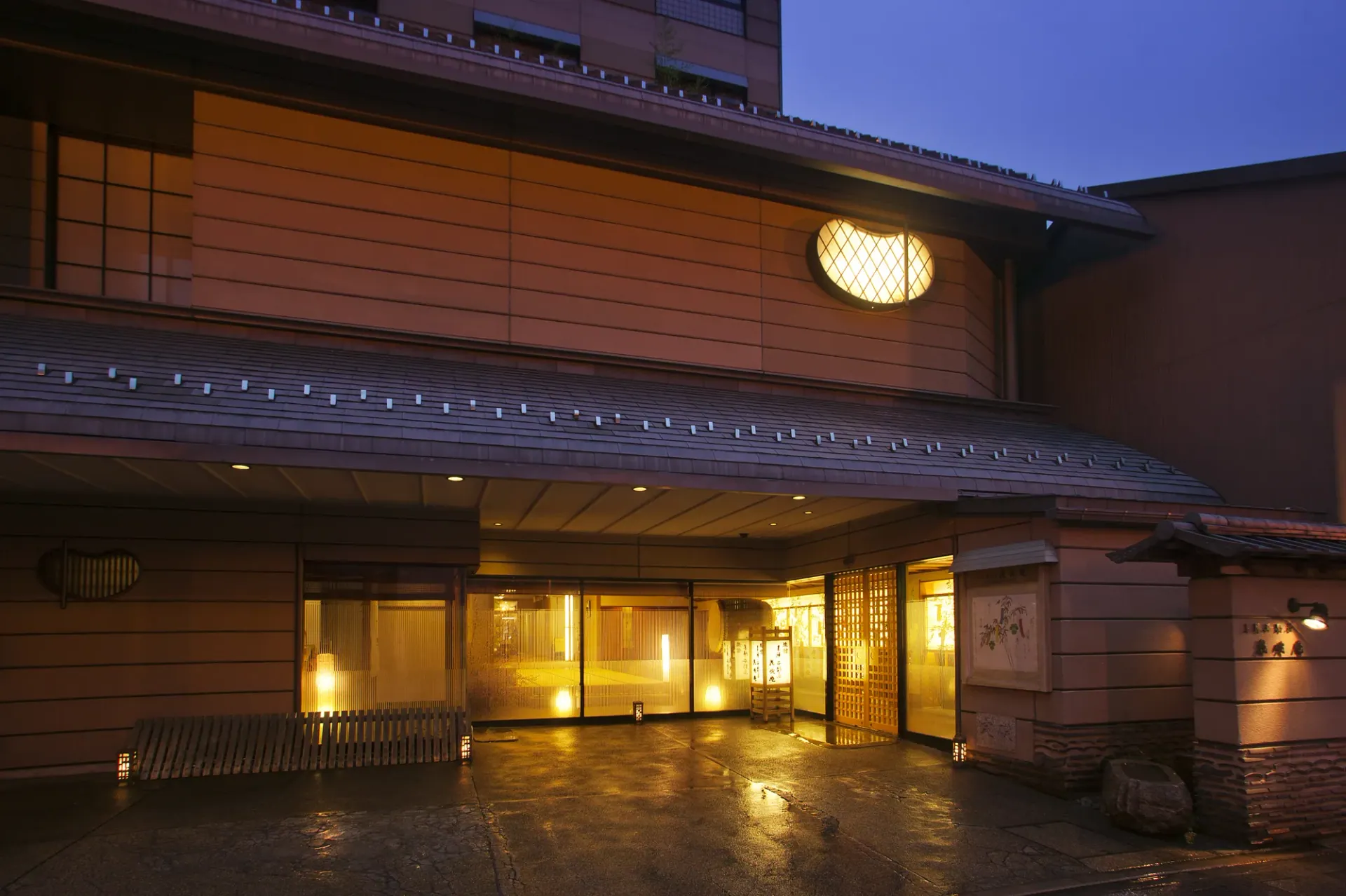
- Location: the historic core of Takayama, one of Japan's best-preserved Edo-period towns, two minutes from the Sanmachi Suji merchant streets.
- Getting there: Takayama Station, 10-minute walk along Honmachi.
- Best time: Spring cherry blossom or November, before Alpine weather complicates road access to outlying areas.
- Book: well ahead for the spring and autumn festivals, when old-town ryokan fill within hours of opening.
6. Yamatoya Honten, Matsuyama
Ryokan
Yamatoya Honten sits next to Dogo Onsen, the bathhouse in continuous operation since 1894 and widely regarded as Japan's oldest hot spring facility. Single rooms come without the premium most inns charge, and the bathhouse is under three minutes' walk at any hour.
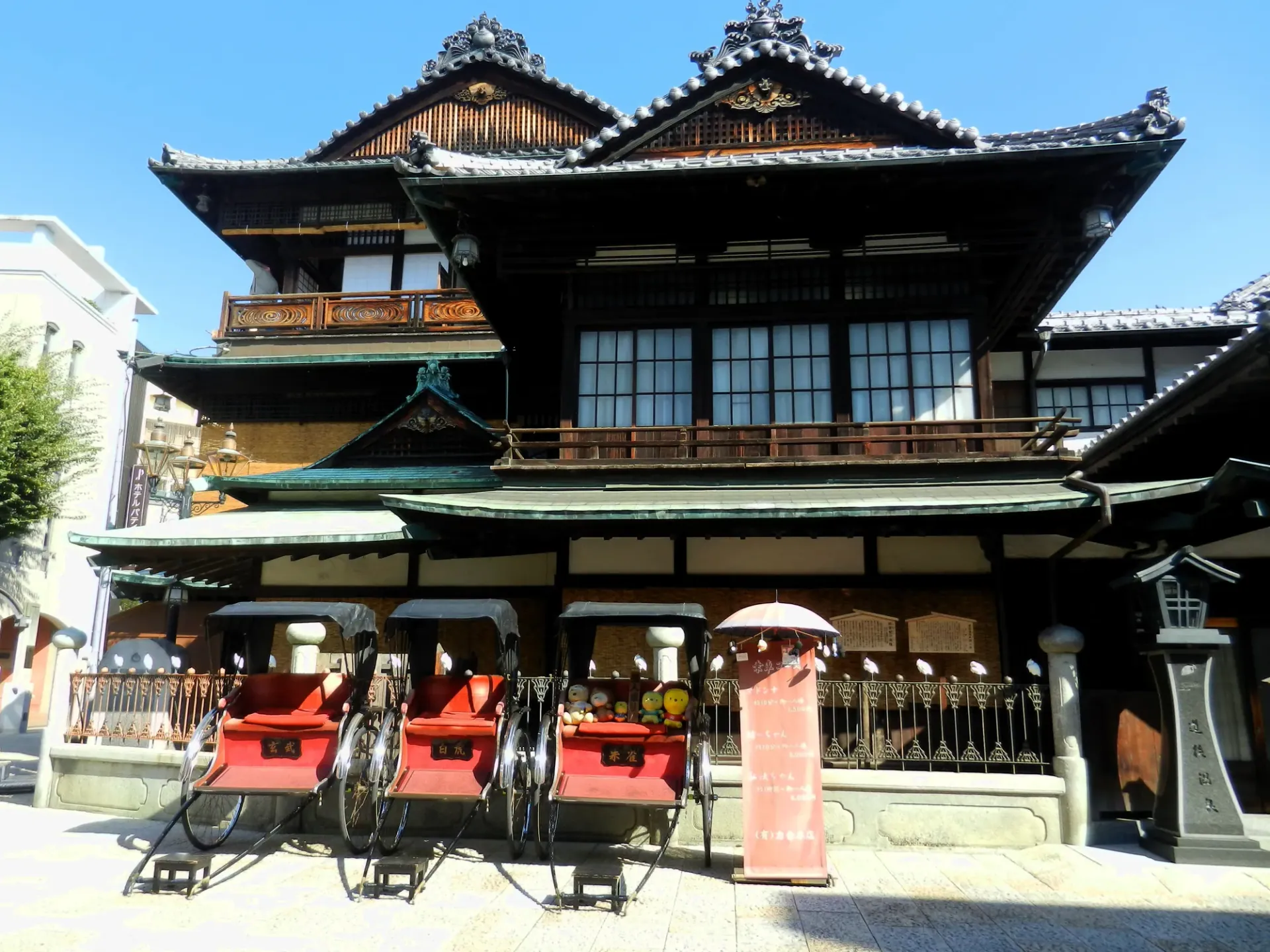
- Getting there: Matsuyama Station, Iyotetsu tram to Dogo Onsen terminus, approximately 20 minutes.
- Best time: Year-round; summer brings the arts festival at the onsen complex.
- Worth knowing: The main Dogo Onsen building fully reopened in July 2024 after five and a half years of restoration work.
- Base for: a Shikoku circuit. Matsuyama is the island's largest city, with a hilltop castle and reasonable transport links.
7. Yufuin Baien GARDEN RESORT, Yufuin
Ryokan
Yufuin sits in a narrow valley below Mount Yufu: one of Kyushu's most atmospheric onsen towns, without nearby Beppu's mass-tour infrastructure. Yufuin Baien GARDEN RESORT offers rooms with private rotenburo: your own courtyard garden, with the valley behind it.
- Getting there: Yufuin Station, inn pickup or 15-minute taxi.
- Best time: Autumn, for Yufuin's morning mist in October.
- Where to eat: the inn restaurant, which leans on Oita's chicken tempura (toriten) and local mountain vegetables. Skip the Beppu day trip.
8. YUMENOI, Hyogo
Ryokan
In the Nishiharima hills of Hyogo, YUMENOI sits above its own mountain spring in a forested valley that attracts very few international visitors. As a one-night escape from Osaka or Himeji, it offers what crowded Kansai resorts cannot: silence.
- Getting there: Himeji Station, local bus or inn transfer, approximately 50 minutes.
- Best time: Autumn and winter, when the forest is at its best.
- Worth knowing: Limited English. The kaiseki draws on local Harima seafood; email any dietary requirements well before arrival.
9. Ryotei Saigetsu-an hermitage, Hirado
Ryokan
Hirado, an island off northwest Kyushu, was one of Japan's earliest foreign-trade ports, where Portuguese ships called from 1550 and the Dutch and English opened trading posts in the early 17th century. Ryotei Saigetsu-an hermitage serves multi-course kaiseki of Nagasaki seafood in private dining rooms overlooking the garden: the gravity of a Hakone ryokan without the Hakone prices or crowds.
- Getting there: Sasebo Station, then a bus over the bridge to Hirado, approximately 1.5 hours; allow around 3 hours from Nagasaki city.
- Best time: Year-round; Hirado avoids Nagasaki city's peak-season overtourism, and very few international visitors come, so everything is unhurried.
10. Migiwatei Ochi Kochi, Tomonoura
Ryokan
Tomonoura is a fishing port on the Hiroshima coast, little known outside Japan, with an Edo-period harbour and streets largely unchanged in two centuries. Migiwatei Ochi Kochi sits on the waterfront with views across the Seto inland sea.
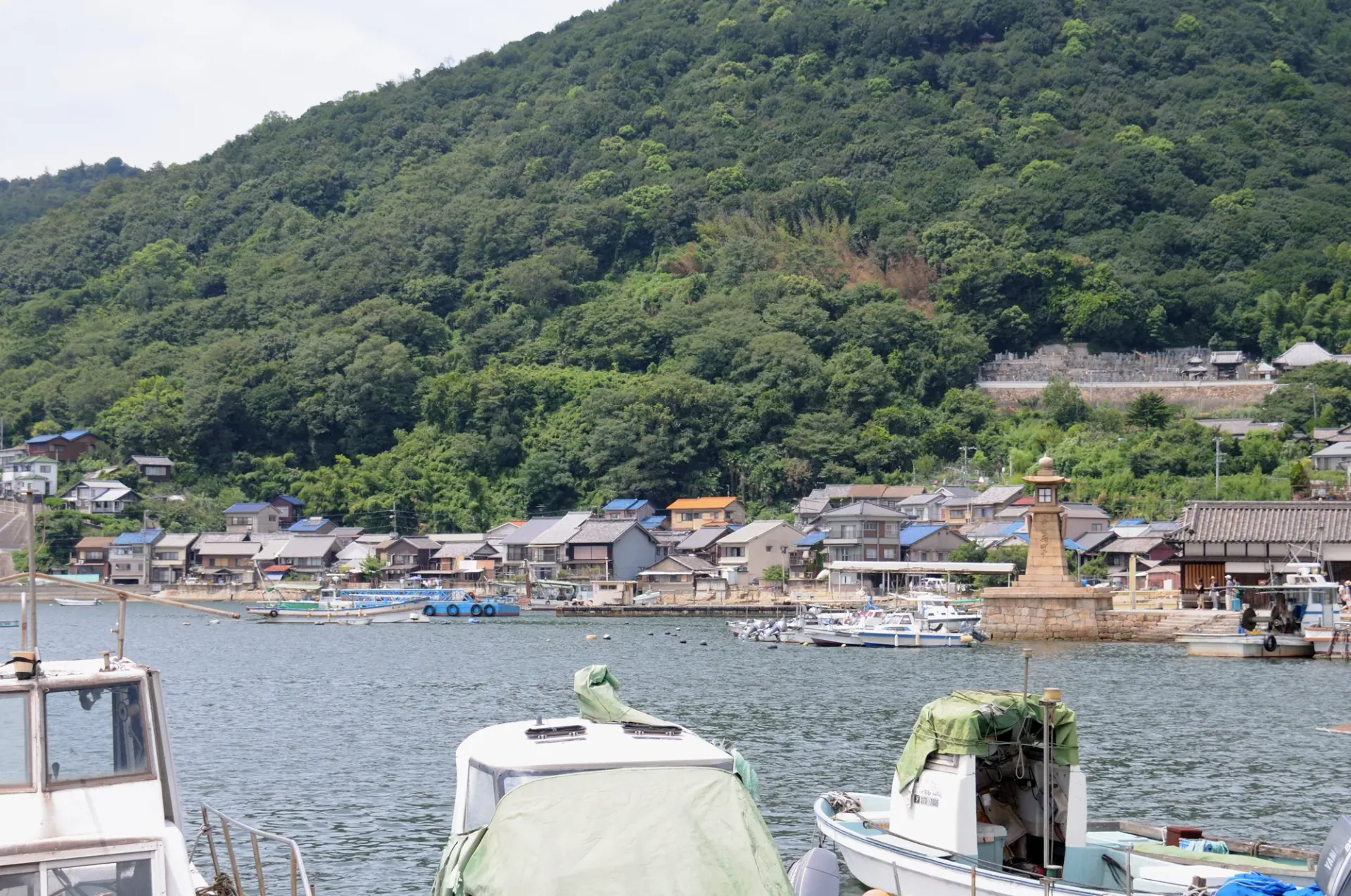
- Getting there: Fukuyama Station (Shinkansen stop), then bus to Tomonoura, approximately 30 minutes.
- Best time: Spring and autumn; arrive for the evening light on the sea.
- For cyclists: the Shimanami Kaido begins in Onomichi, 30 minutes away: a natural overnight stop on the Hiroshima to Imabari crossing.
- Worth knowing: Tomonoura is said to have inspired parts of the animated film Ponyo, and ranks among the least-crowded historic port towns in western Japan.
11. Hotel Zuiho, Sendai
Ryokan
Hotel Zuiho sits in a hot spring valley 30 minutes south of central Sendai, one of the more accessible onsen towns in Tohoku. It has the same tatami rooms, communal baths and multi-course dinner as in Hakone or Kyoto, at Tohoku's noticeably lower rates.
- Getting there: Sendai Station, express bus to Akiu, approximately 40 minutes.
- Best time: Autumn; the river gorge running through Akiu's onsen town has strong colour in October and November.
- Side trip: Matsushima Bay, one of Japan's three classic views, is an easy 50-minute train from Sendai.
- Worth knowing: Tohoku sees far fewer international visitors than the Kansai corridor, and Sendai has a good food scene.
12. Kamakura Cocon Hotel, Kamakura
Kamakura Cocon Hotel is a ryokan-style boutique property in the quiet eastern Nikaido area, near good walking trails, at reasonable rates for central Kamakura. One ryokan night near Tokyo without the Hakone commitment, in a town you can explore in 24 hours.
FAQ
What does a ryokan cost in Japan?
Expect ¥15,000–¥35,000 per person per night at a mid-range ryokan, usually with kaiseki dinner and breakfast; budget options start around ¥8,000 (Ryokan Sawanoya in Tokyo charges ¥10,000–¥14,000) and premium mountain inns exceed ¥60,000. Confirm whether the rate includes both meals and whether your room has a private bath.
Do ryokan suit solo travellers?
Most traditional ryokan add a single supplement of 50–80%, but Honjin Hiranoya Kachoan in Takayama charges no solo penalty and Ryokan Sawanoya in Tokyo offers affordable single-occupancy rates. Small rural inns absorb the supplement more often than resort-scale properties, so look for explicit solo-friendly pricing.
What is the difference between a ryokan and a minshuku?
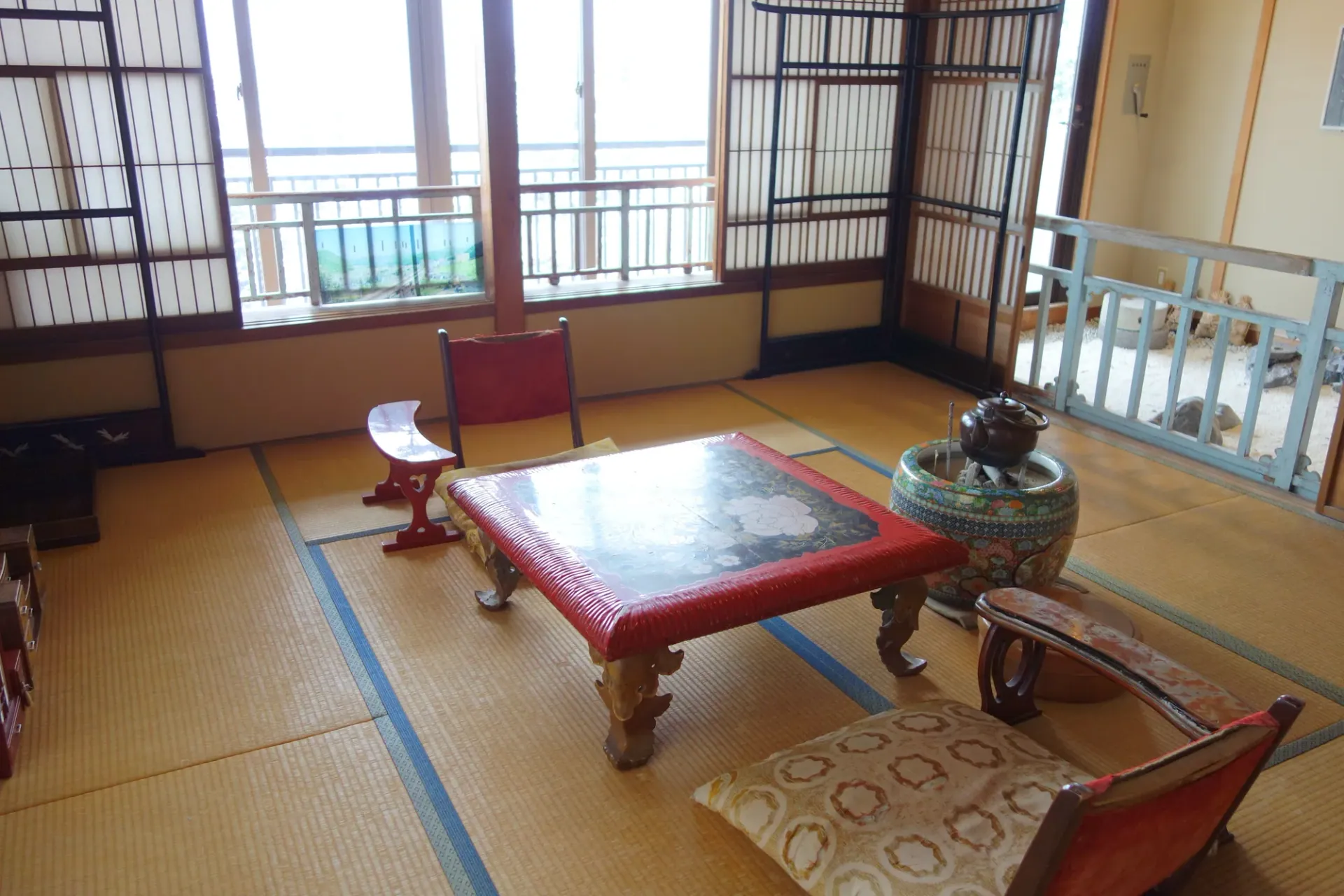
A ryokan is a traditional inn with tatami rooms, futon beds, communal or private onsen baths and a multi-course kaiseki dinner included in the rate. A minshuku is a family-run guesthouse with home cooking, lower prices and an informal feel, which suits budget travellers.
When should I book a ryokan?
Book 3–6 months ahead for late March to early April (cherry blossom), late October to mid-November (autumn foliage) and New Year, and the full six months for popular inns in Hakone, Kyoto or Takayama; outside those windows, 4–6 weeks is usually enough. Some inns release the following year's rooms on a fixed date in January, so check your first choice.
Is it rude not to wear the yukata provided at a ryokan?
Not rude, but unusual: the yukata (light cotton robe) is expected in the corridors, dining room and baths. Outside the inn it is optional, though many guests wear it in onsen towns; wear your own clothes to a separate restaurant.