Japan's supernatural folklore is not confined to museums. Three places have built their identity around it: a port town lined with 177 bronze monster statues, a farming valley where the country's ghost stories were first written down, and a string of western Tokyo neighbourhoods most tourists never see. This guide skips the mythology lecture and goes straight to the question that matters: where do you actually go to meet the yokai?
What is a yokai?
Yokai are Japan's supernatural others: nature spirits, shape-shifters, household hauntings and roadside tricksters, catalogued over centuries in scrolls, woodblock prints and village hearsay. They range from the kappa, a river-dwelling water imp with a dish of water on its head, to the yuki-onna, the snow woman who appears to travellers in blizzards. They are not quite ghosts and not quite gods; they are what happens when a culture gives every unexplained noise, cold spot and missing cucumber a name and a face. Far from fading, they run through modern Japan: manga and anime are saturated with them, towns lean on them for identity, and city halls put them on manhole covers. For the broader cultural context, start with our Japanese culture guide. For where to find them, read on.
Sakaiminato: the town the monsters built
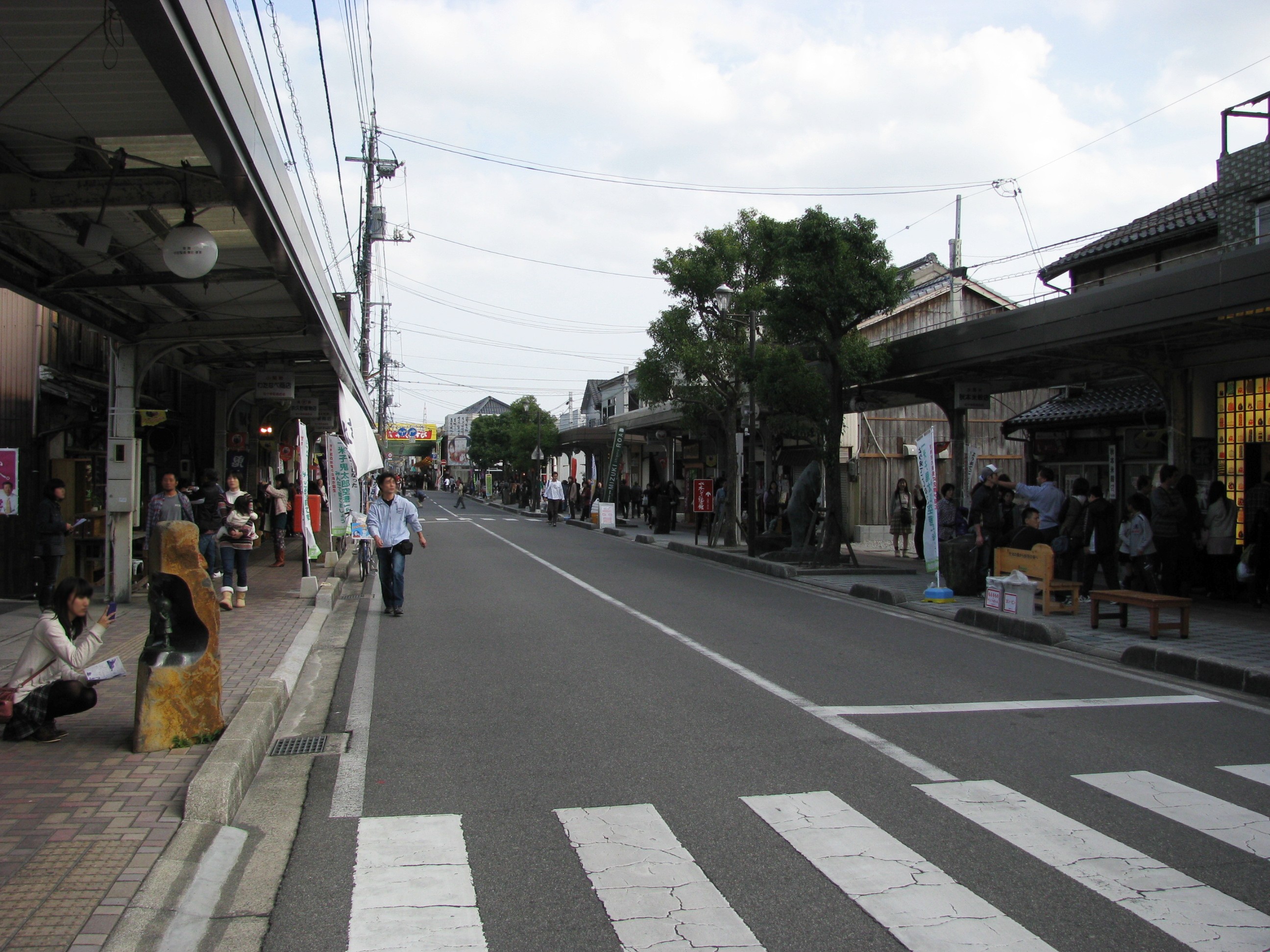
Sakaiminato, a fishing port on the Tottori coast in western Chugoku, is the hometown of Mizuki, the manga artist who turned yokai into a national obsession with GeGeGe no Kitaro. The town repaid him by turning itself into his sketchbook. Mizuki Shigeru Road runs about 800 metres from the station to the sea, lined with 177 bronze yokai statues; the manhole covers, the street lamps, the police box and the local beer all follow the theme, and after dark the statues are lit and yokai shadow puppets play across the pavement until 22:00. Look for Kitaro himself, his eyeball father bobbing in his teacup bath, and the scheming rat-man nezumi-otoko; rubbing the statues for luck is half the local sport.
At the far end, the Mizuki Shigeru Memorial Museum tells the artist's remarkable life story, from losing an arm in the Pacific war to national-treasure status, with a multilingual audio tour.
- Getting there: Yakumo limited express from Okayama to Yonago, then the Sakai line's Kitaro-painted two-car train to the end of the line, about 45 minutes. Every station on the branch carries a yokai nickname, and the ride is part of the attraction.
- Coming from further away: Yonago also has direct flights from Tokyo and highway buses from Osaka, so the detour is easier than the map suggests.
- Time needed: a half-day covers the road and museum at a stroll.
- Best for: families, manga fans, and anyone routing along the San'in coast via Matsue.
Tono: where the stories were born
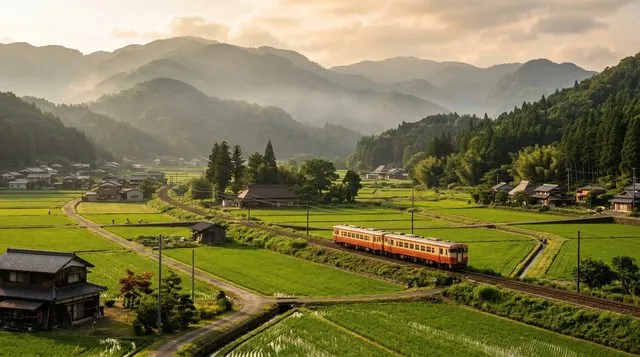
Tono, a farming valley in inland Iwate in Tohoku, is where Japanese folklore became literature. The folklorist Yanagita collected the valley's kappa sightings, zashiki-warashi house spirits and mountain gods in "The Legends of Tono" in 1910, and the town has carried the label of Japan's folklore capital ever since. This is the opposite of Sakaiminato: no bronze statues, just the actual landscape the stories came from.
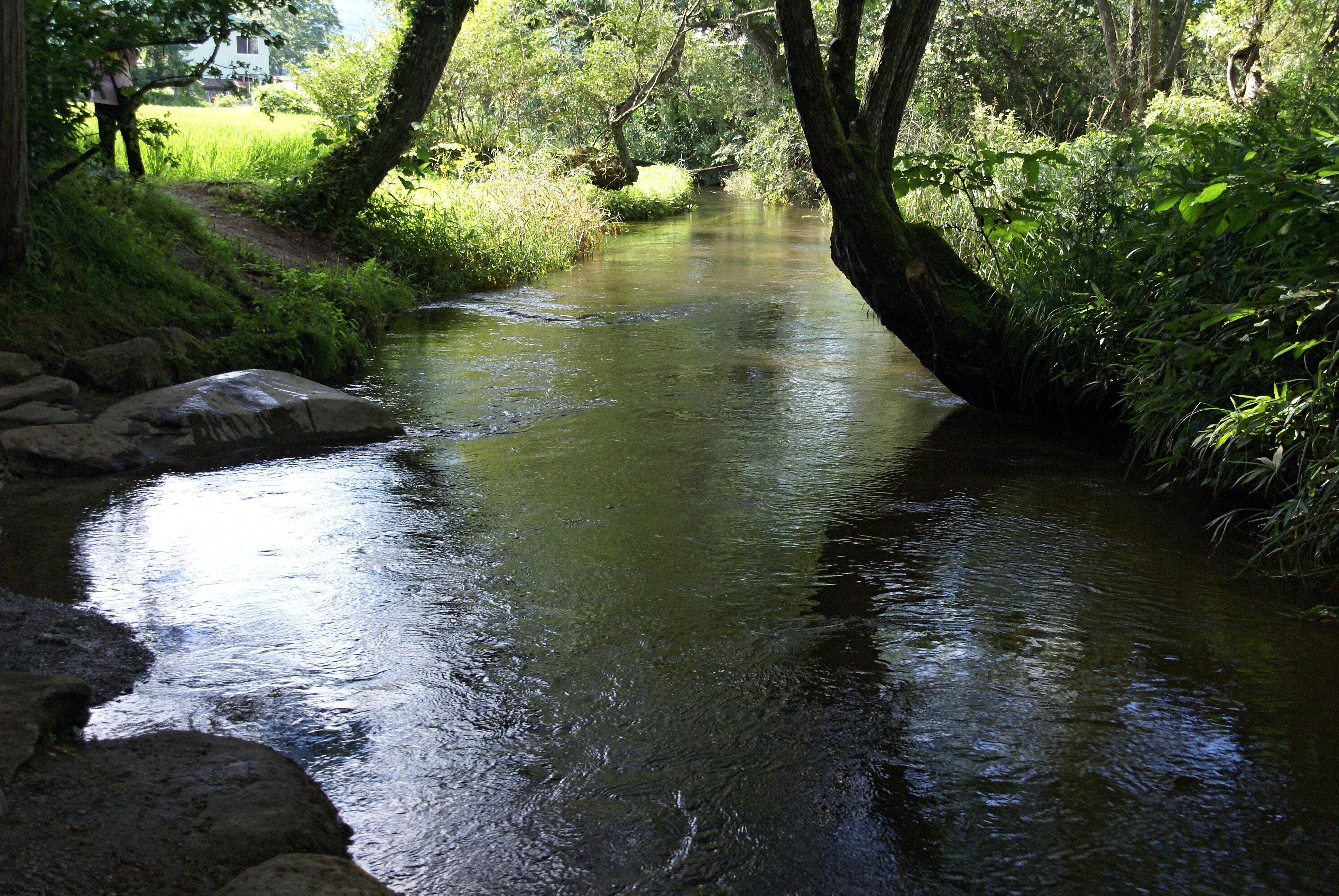
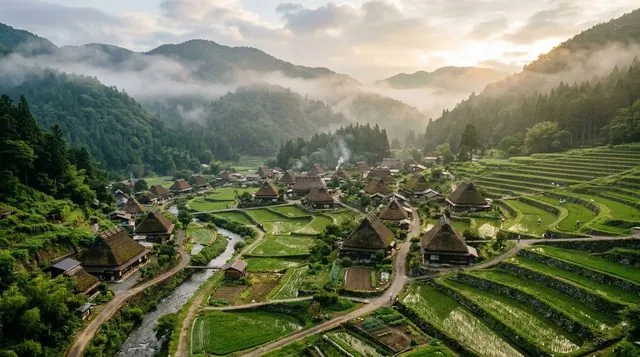
Tono Furusato no Mori preserves the world of those stories in physical form: L-shaped magariya farmhouses, where families and horses lived under one roof, rebuilt as a working open-air village 20 minutes from the station. The zashiki-warashi, the child spirit said to bring a house fortune as long as it stays, belongs to exactly these rooms, and the caretakers tell the stories as house history rather than theatre.
Kappabuchi, a clear stream pool behind a temple just outside town, is where the kappa are said to live. A tiny shrine on the bank still receives offerings, traditionally from women praying for safe childbirth, and the fishing-rod-with-cucumber photo op on the bank is exactly as silly as it sounds. Touristy, yes. Skippable, no.
- Getting there: Tohoku Shinkansen to Shin-Hanamaki (about 2.5 hours from Tokyo), then the JR Kamaishi line to Tono, about 1 hour.
- Getting around: rent a bicycle or use the local bus; the sights spread across the valley.
- Best for: folklore purists, rural-Japan lovers, and anyone building a Tohoku itinerary.
A do-it-yourself yokai day in western Tokyo
The capital's yokai heritage hides in its western suburbs: Mizuki drew his monsters in Chofu for half a century, the scholar who coined the modern use of the word built his park in Nakano, and the snow-woman legend that reached the West was collected in the hills near Ome. Three stops in western Tokyo chain them into a day trip that never touches the standard circuit.
- Chofu: Mizuki lived in Chofu for over 50 years, and the Kitaro Teahouse serves character-themed sweets; it moved in 2024 from the Jindaiji temple approach to the Tenjin-dori shopping street, a few minutes from Chofu station on the Keio line.
- Nakano: Tetsugakudo Park was laid out a century ago by the philosopher Inoue, an early yokai scholar who popularised the very word. Its "yokai gate" is flanked by a ghost and a tengu, and the hillside is dotted with buildings dedicated to the mysteries of mind and matter.
- Ome: the Showa Retro Goods Museum keeps a room devoted to the yuki-onna legend that the writer Hearn heard in this district and published in "Kwaidan". Our Ome day-trip guide covers the town in full.
Chofu and Nakano combine into an easy half-day on the Keio and JR lines; add Ome, 40 minutes further west, and it becomes a full one. The pleasure is as much in the neighbourhoods between the stops as in the stops themselves.
When to visit: Japan's ghost season
Summer is when Japan tells its scary stories. The tradition of kaidan, chilling tales told to cool the blood in August heat, peaks around Obon in mid-August, when the dead are said to return home; expect ghost-story events, temple night walks, haunted-house attractions and special museum exhibitions in that window. It is the one time of year when the whole country joins the yokai in season. Festival culture more broadly is covered in our matsuri guide.
Outside summer, everything above works year-round. Winter has its own logic: Sakaiminato's statues stand in sea mist without the crowds, and snow on Tono's farmhouses puts the yuki-onna's weather back into her landscape.
Practical tips
- Pair the port with the coast. Sakaiminato sits under an hour from Matsue's castle and the Adachi museum gardens; together they justify the detour west better than any single stop.
- Give the valley a full day. Tono anchors naturally between Sendai and Morioka on a Tohoku route; rushing it in half a day misses the point of the place.
- Buy the stamp book in Sakaiminato. The road has its own yokai stamp rally, and the filled booklet is a better souvenir than anything in the gift shops.
- Go beyond the big three. Yokai turn up wherever old Japan survives; our hidden gems guide lists more places where the folklore never left.
Skip the themed cafés of central Tokyo and go where the stories actually live. The monsters are better company out there.