Tien dagen Kyushu, het verborgen eiland
Fukuoka-yatai, haven van Nagasaki, een actieve vulkaancaldera, het ryokan-dorp Kurokawa, het mistige meer van Yufuin, Sakurajima rokend aan de overkant van de baai. Het Japan dat de meeste reizigers missen.
 Nick van der Blom
Waarom deze route
We verankeren op Fukuoka (2 nachten), draaien via Nagasaki en de Aso-caldera naar de ryokan-dorpen Kurokawa en Yufuin, en eindigen in Kagoshima: zes bestemmingen die het Japan tonen dat de meeste reizigers missen. Drie nachten in één stad zou rustiger zijn; de ryokan-overnachtingen fungeren hier als ademruimte. Let op: bussen door de caldera kunnen in de winter onbetrouwbaar zijn.
Waarom Fukuoka
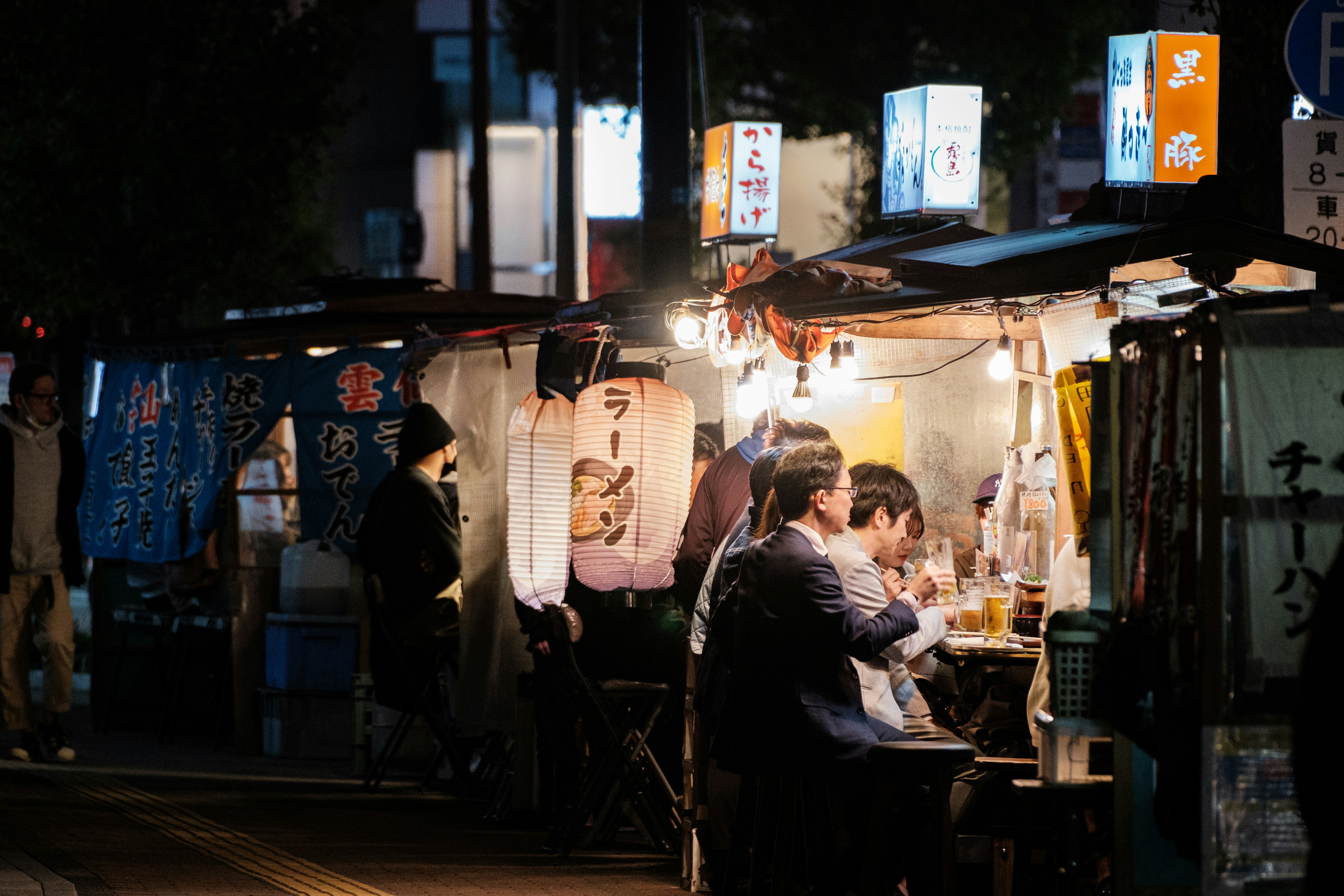
Fukuoka is de zachte landing die de rest van de route mogelijk maakt. Het vliegveld ligt midden in de stad, Hakata Station is vijf minuten per metro, en voor je het weet loop je langs de Naka-rivier terwijl de yatai-kraampjes worden opgebouwd, open lucht, acht krukken, ramen of oden, en een traditie die de stad bijna kwijtraakte aan sloop. Dat is dag één. Dag twee behoort aan Hakata bij opening en een korte treinrit naar Dazaifu Tenmangū, het belangrijkste heiligdom van Kyushu, gevolgd door een kom tonkotsu bij Shin-Shin. Fukuoka vraagt niet om haast; het beloont wie gewoon rondloopt.
9 dingen om te zien en te doen
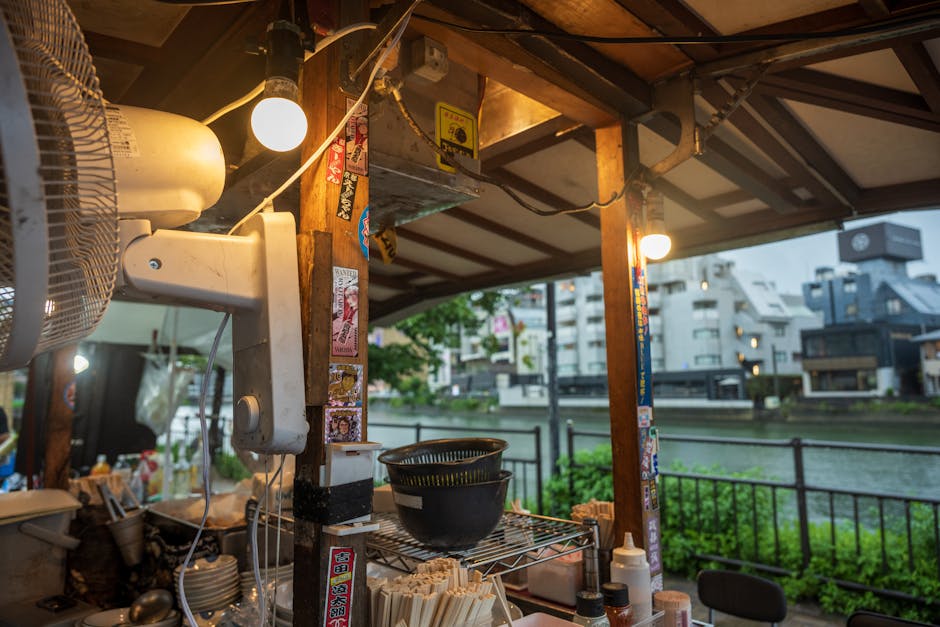 Verborgen parelHakata-yatai-kraampjesEr zijn nog zo'n 100 kraampjes over, tegen 400 in de jaren zestig.
 Verborgen parelKomyozen-ji-mostuinEen zentempel met een tuin van droge stenen en mos die buurtbewoners kennen en de meeste toeristen voorbijlopen.BuurtKushida-jinja-wandelingHet beschermheiligdom van Hakata en het oudste van Fukuoka, in de 16e eeuw herbouwd onder Hideyoshi.BuurtNaka-rivier-wandeling · yatai-opbouwZo'n 20 yatai-kraampjes in de open lucht staan langs de rivieroever aan de zuidpunt van het eiland Nakasu en serveren Hakata-ramen, yakitori en oden van de vroege avond tot diep in de nacht.EtenYatai-dinerZo'n 20 yatai aan de rivier op het eiland Nakasu serveren Hakata-ramen, yakitori en oden van de vroege avond tot in de kleine uurtjes.Niet missenKushida-schrijn bij openingHet oudste heiligdom van Fukuoka en de beschermer van Hakata, de hoofdhal herbouwd in de 16e eeuw.
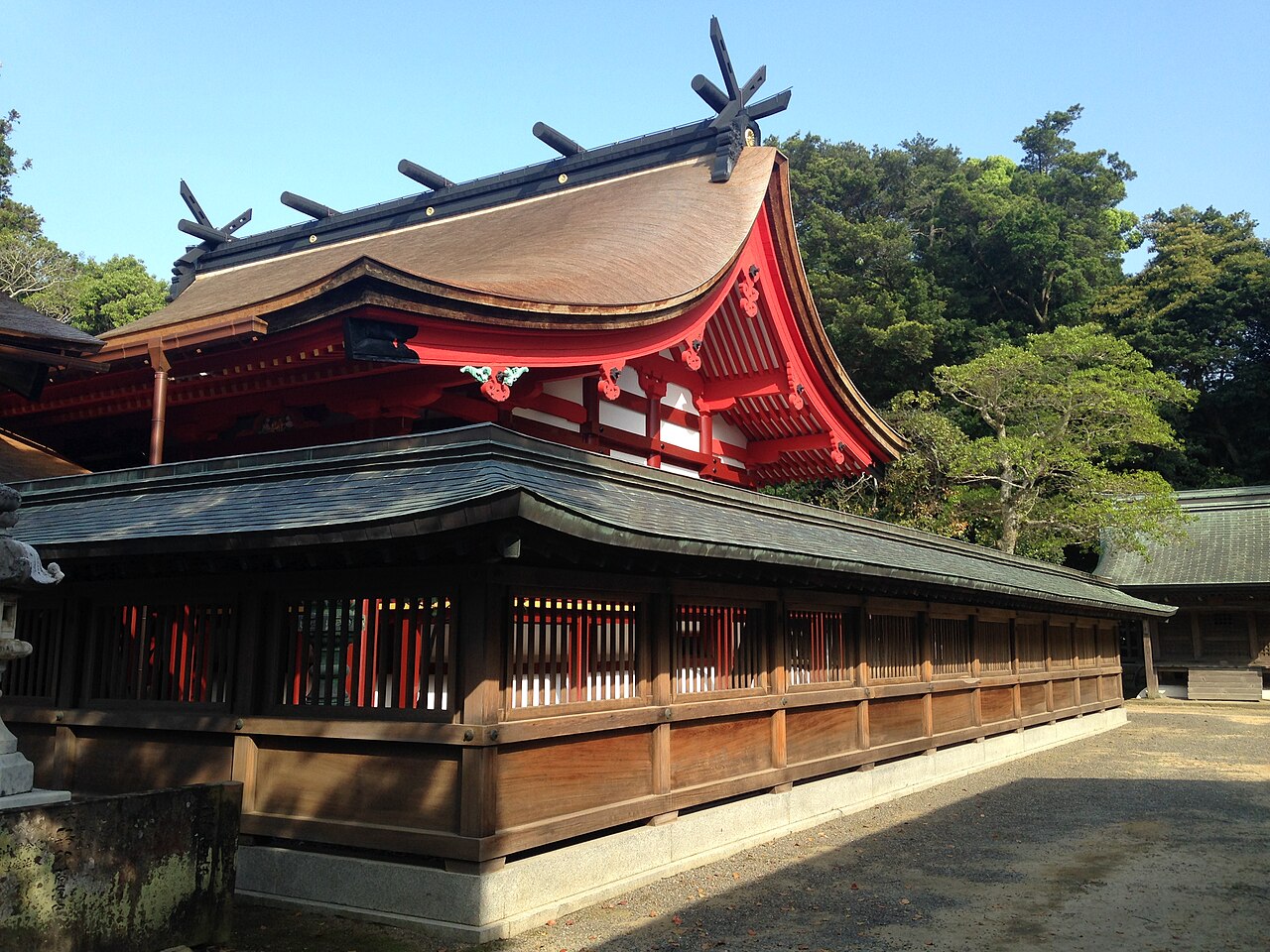
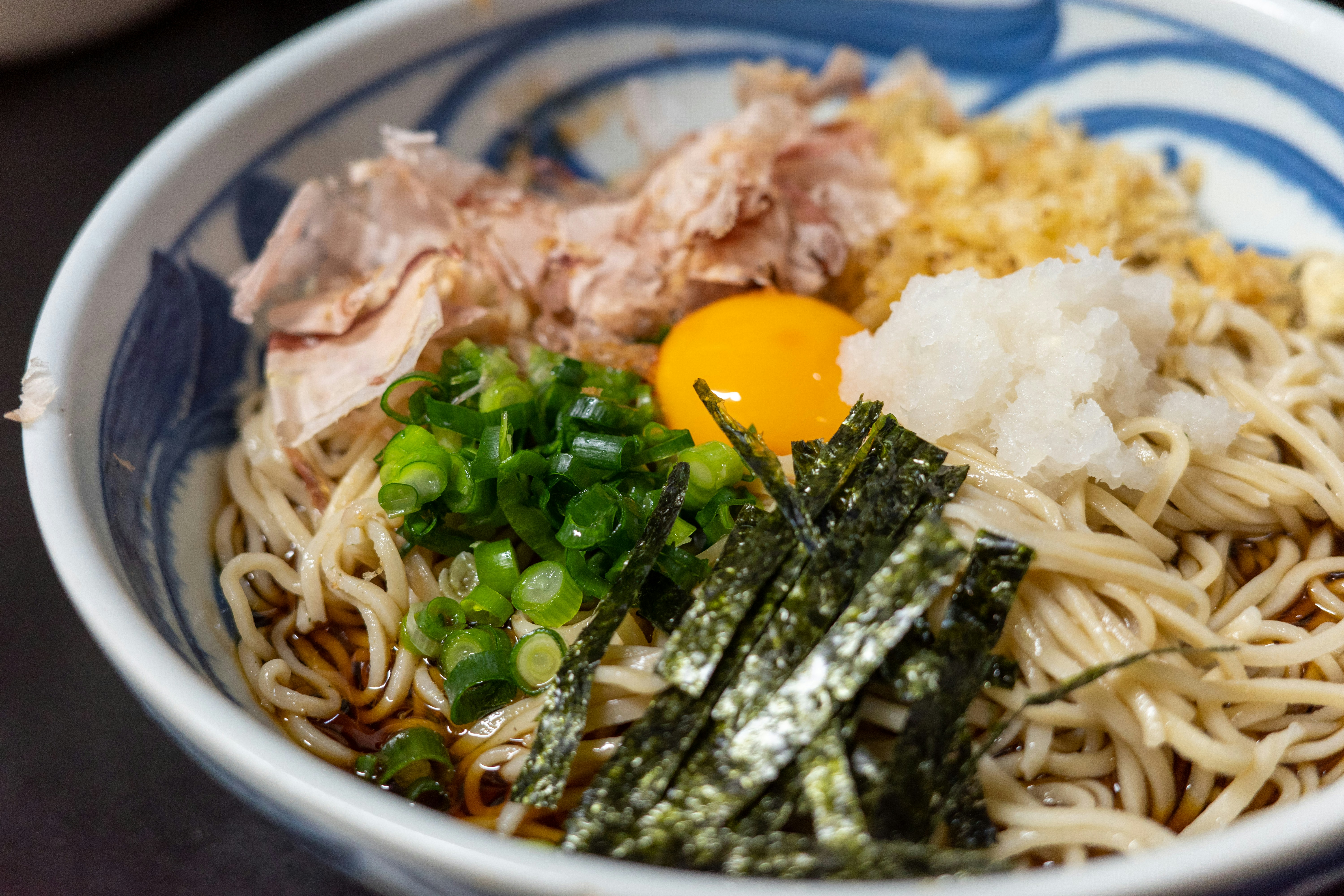 EtenHakata-machiya-ontbijtHakata · ~¥1.500Niet missenDazaifu TenmangūHoofdheiligdom van elke Tenmangū in Japan, gewijd aan Sugawara no Michizane, de Heian-geleerde die wordt vereerd als god van het leren.
Toon 1 extra optieToon minder opties
Waar slapen in Fukuoka
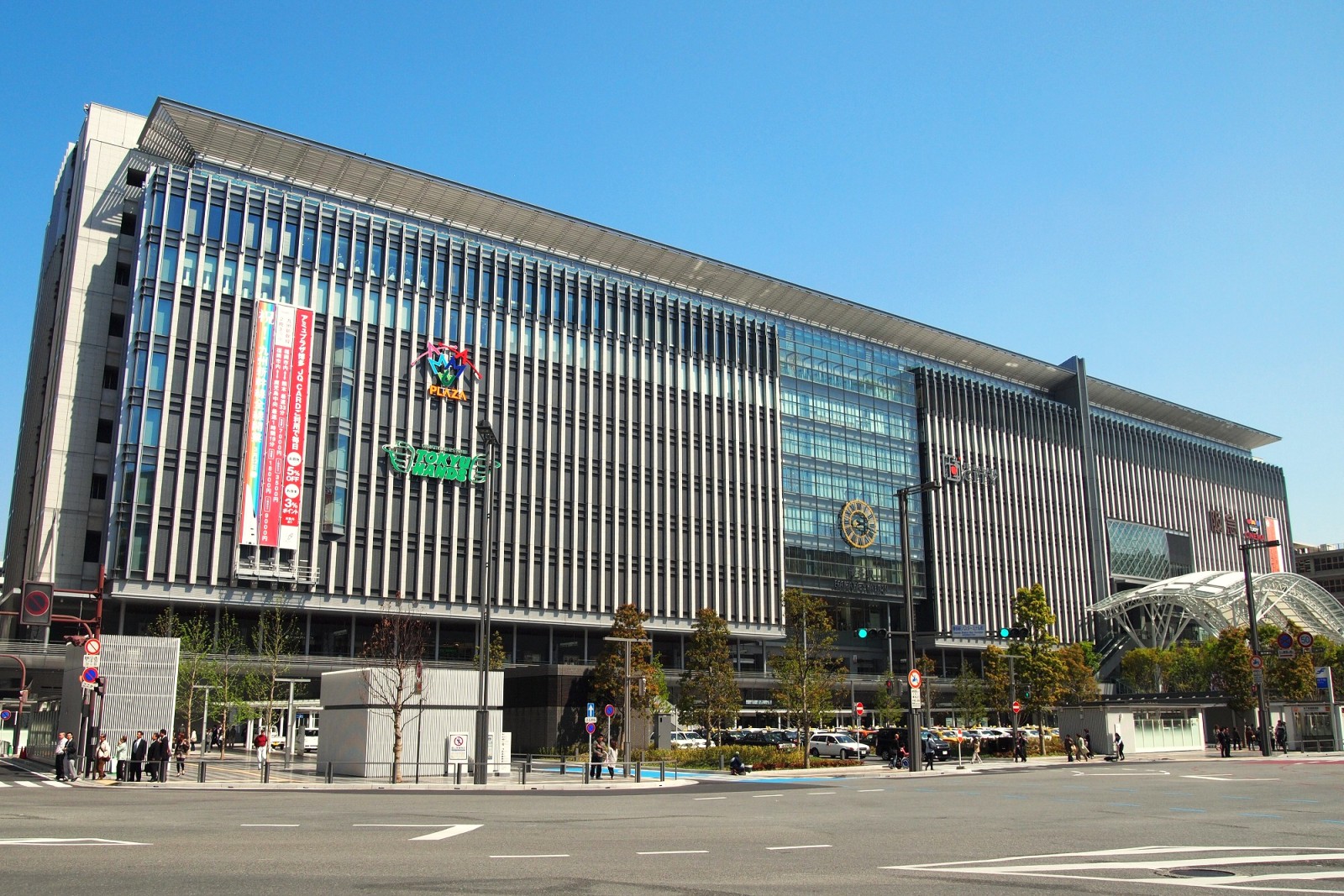 BUDGET · Capsule9h nine hours Hakata StationHakata Station · 2 min lopenModerne capsule recht tegenover de Shinkansen-uitgang. Witte minimalistische pods, zonsopgang-simulatie, gedeelde lounge. Beste budgetkeuze aan de stationskant van Hakata.¥4.800/nachtBekijk tarieven ↗MIDDEN · HotelHotel Forza Hakata-Eki Chikushi-guchiHakata Station · 5 min lopenAanbevolenModerne business-boutique tegenover de Chikushi-guchi-uitgang. Grotere kamers dan de gemiddelde Japanse middenklasse, diep bad, Engelstalige receptie.¥14.000/nachtBekijk tarieven ↗LUXE · HotelGrand Hyatt FukuokaCanal CityIn het entertainmentcomplex Canal City. Rechtstreeks lopen naar de Naka-rivier voor yatai, op loopafstand van Tenjin, spa-verdieping, ontbijt op de bovenste etage.¥38.000/nachtBekijk tarieven ↗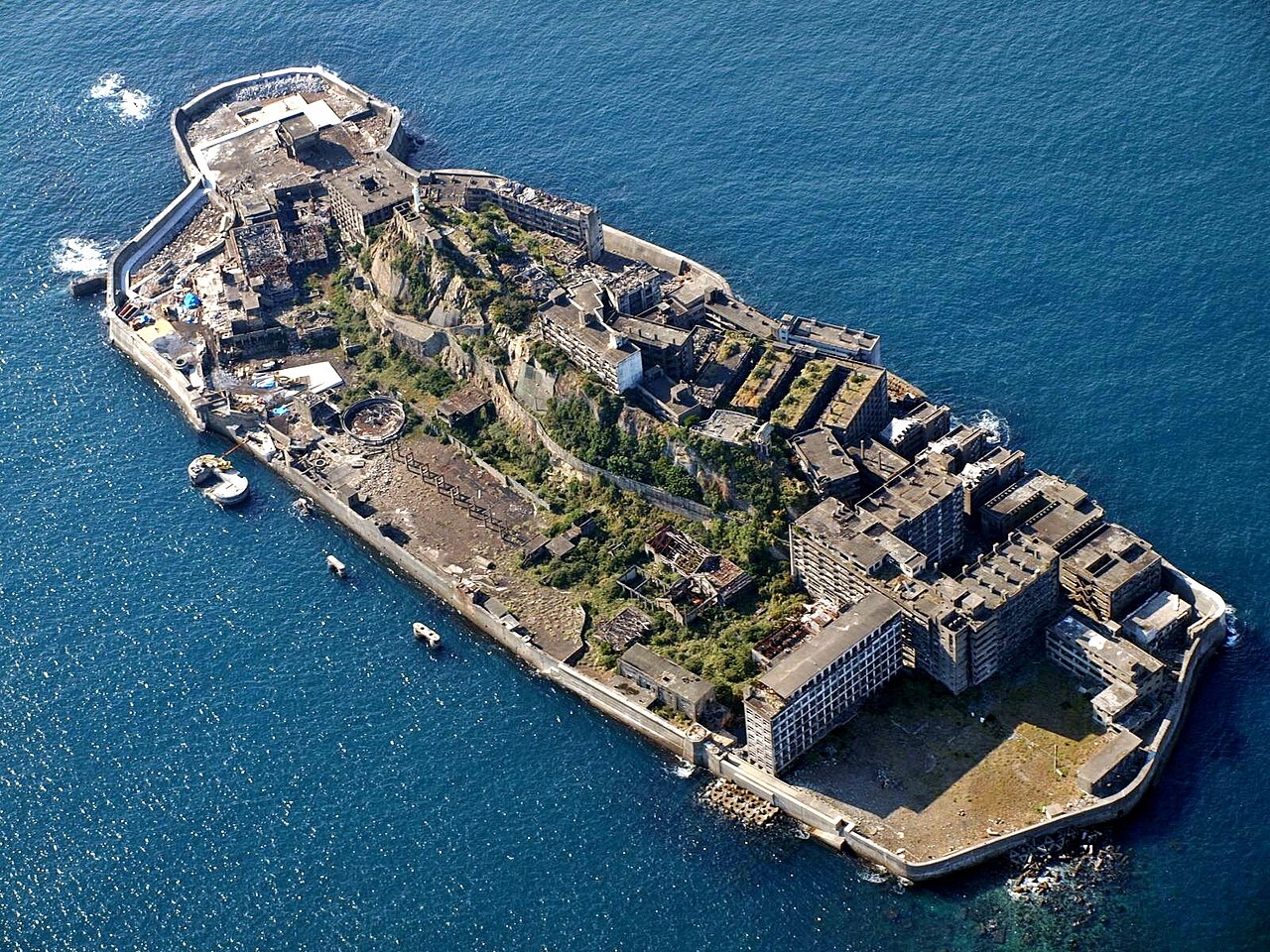
Waarom Nagasaki
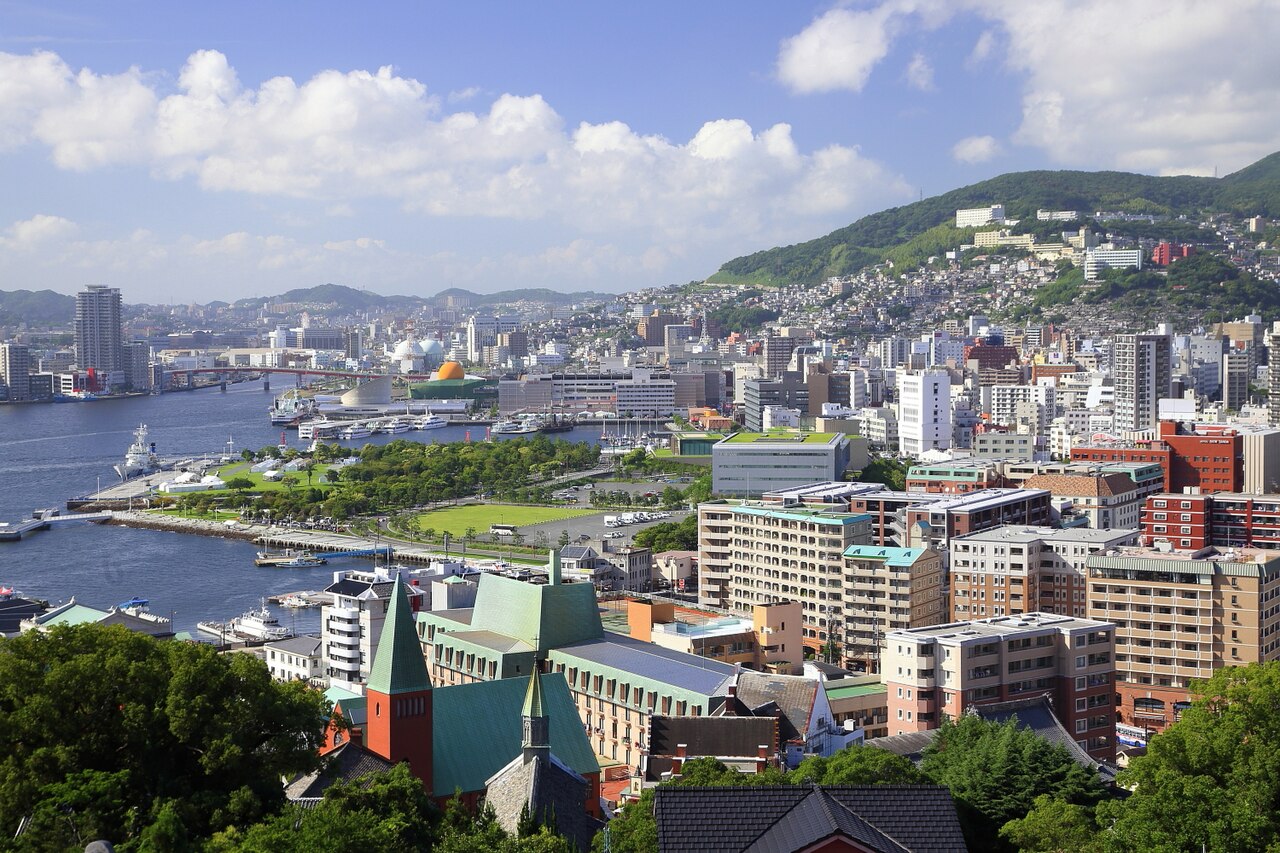
Nagasaki staat op de route omdat geen andere stad in Japan zo veel lagen draagt op zo weinig oppervlak. Begin bij het Atomic Bomb Museum en de Peace Park: twee uur is genoeg, en het is zwaar genoeg om de rest van de dag rustiger aan te doen: een avond in Chinatown met chanpon lost dat goed op. De tweede dag behoort aan Gunkanjima, het verlaten mijneiland dat je vroeg reserveert en waarvan de landing van het weer afhangt. Combineer de terugkeer met Glover Garden en zijn uitkijk over de haven, en sluit af in de schemering bij de kabelbaan naar Mt Inasa voor het nachtpanorama dat de stad zijn reputatie geeft.
10 dingen om te zien en te doen
 Verborgen parelMegane-bashi-brugGebouwd in 1634, de oudste stenen boogbrug van Japan.Verborgen parelGunkanjima close-walk-tourDe standaard veerboottour blijft op een vlonderpad van 200 meter bij de zuidelijke kades.
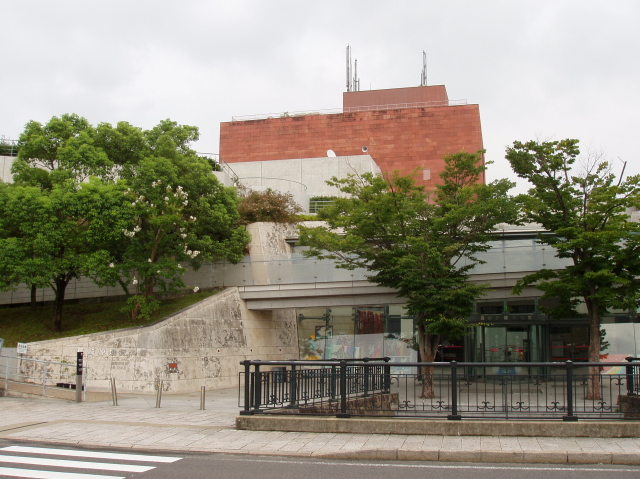 Niet missenAtoombommuseumEen ingetogen getuige van het bombardement op Nagasaki en een stille oproep tot vrede.EtenChinatown chanpon-dinerShinchi · ¥1.200Niet missenGunkanjima-veerbootNagasaki Port · ¥4.500EtenChinatown-lunchShinchi · ~¥1.500Niet missenGlover Garden + OuraEen tuin op de helling waar Oost en West elkaar ontmoeten, boven de haven van Nagasaki.Niet missenMegane-bashi bij schemeringNakajima · Gratis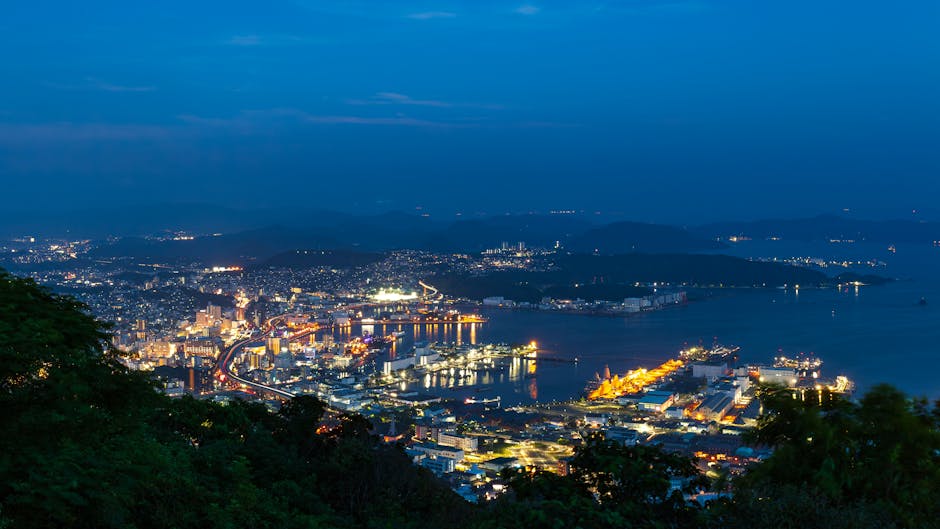
Waar slapen in Nagasaki
BUDGET · HostelCasa Noda NagasakiCentrum · 5 min van het stationGerenoveerde machiya, gemengde slaapzalen en privé-twins. De gedeelde keuken is het middelpunt; op vrijdagavond kookt de eigenaar chanpon voor de gasten.¥4.500/nachtBekijk tarieven ↗MIDDEN · HotelHotel Forza NagasakiNagasaki Station · 3 minAanbevolenDezelfde Forza-keten als in Fukuoka. Moderne boutique-business, kamers met havenzicht beschikbaar, tram en Kamome-perron allebei op 3 minuten.¥14.000/nachtBekijk tarieven ↗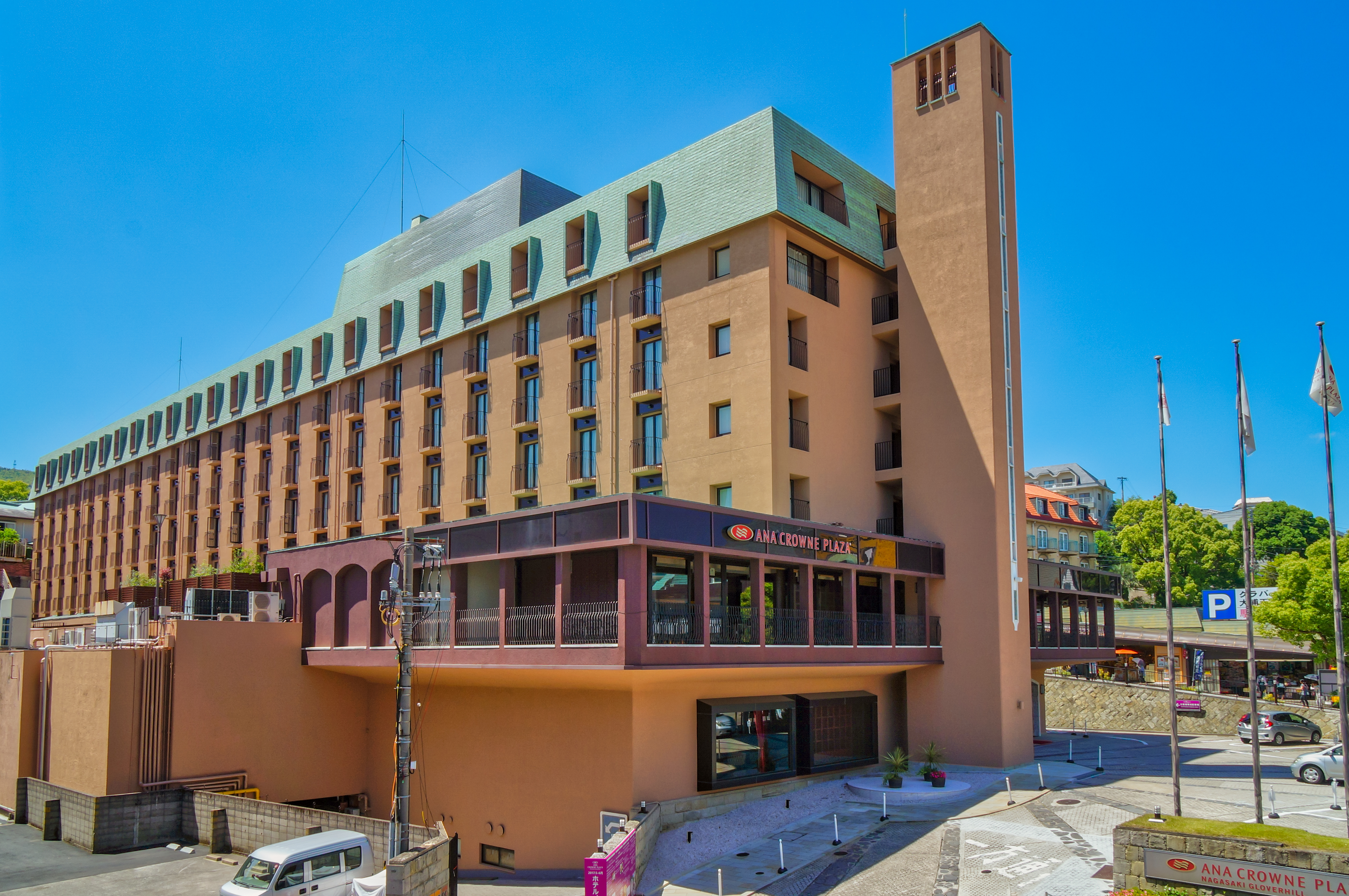 LUXE · HotelGarden Terrace NagasakiHelling van Mount InasaHotel op de heuvel halverwege Mount Inasa, met vanuit elke kamer het ansichtkaart-panorama van de haven van Nagasaki bij nacht. Gratis shuttle van en naar het JR-station.¥30.000/nachtBekijk tarieven ↗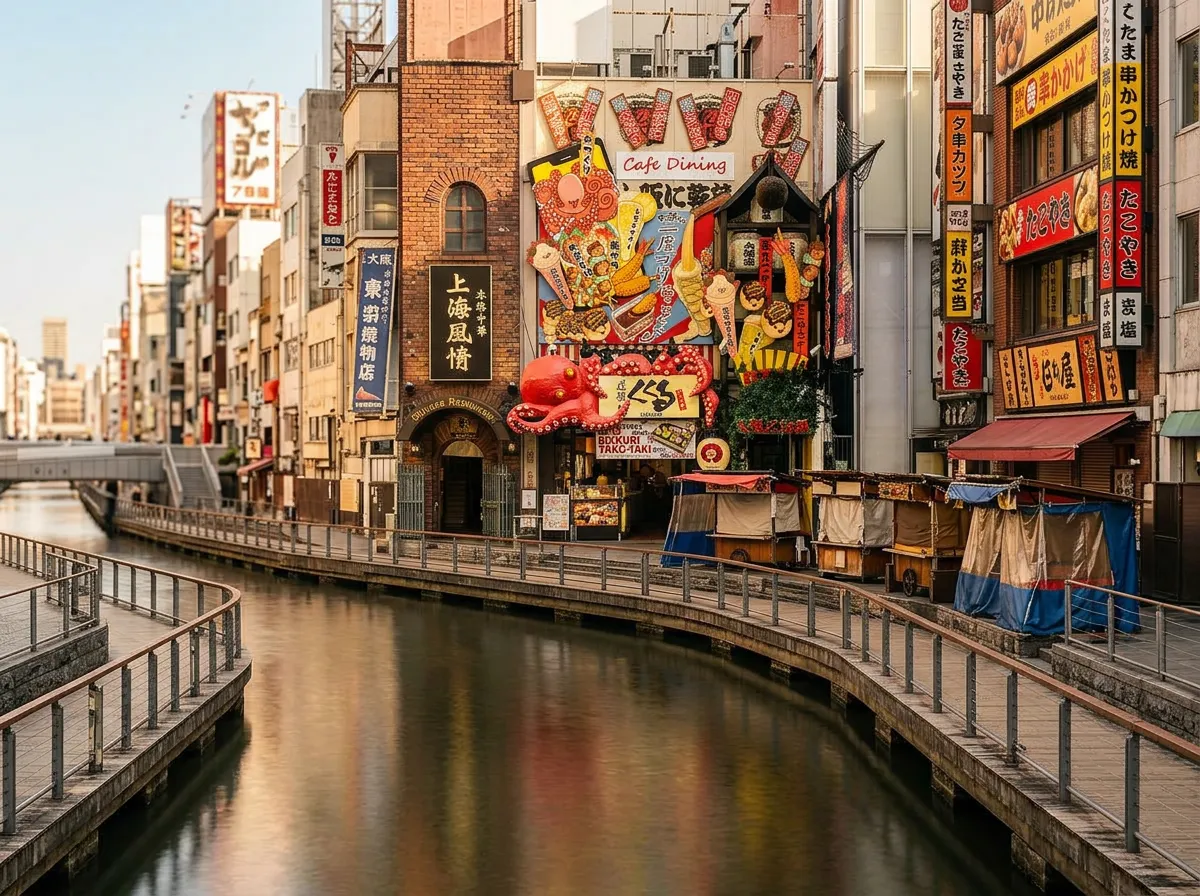
Waarom Kumamoto
Kumamoto is een tussenstop die zijn gewicht draagt. De treinverbinding vanuit Nagasaki vraagt twee overstappen, maar beide zijn cross-platform en het totaal is ruim twee uur, genoeg om de middag te vullen met Kumamoto Castle. Het kasteel is nog in wederopbouw na de aardbeving van 2016, maar de hoofdtoren en de buitenmuren zijn weer toegankelijk en de goudblad-verdieping bovenin is het beeld dat je meeneemt. Reserveer de avond voor basashi bij Suganoya: rauwe, dun gesneden paardenbout met sojasaus en gember, de signatuurmaaltijd van de stad en precies zo goed als het klinkt.
4 dingen om te zien en te doen
Verborgen parelSuizenji JōjuenEen 17e-eeuwse landschapstuin, aangelegd door de Hosokawa-heren.EtenSuganoya basashi-lunchKumamoto · ~¥3.000Niet missenKumamoto CastleEen roemrucht fort dat boven de skyline van Kumamoto uitrijst, in het echt indrukwekkender dan bezoekers verwachten.Niet missenSuizenji-parkKumamoto · ¥400Waar slapen in Kumamoto
BUDGET · HostelHostel Kumamoto ToumaKumamoto Station · 8 min lopenGerenoveerd stadshuis-hostel, gedeelde keuken, stapelbed-slaapzalen, drie kleine privékamers boven. De eigenaar geeft twee keer per week gratis wandelingen over de geschiedenis van het kasteel.¥3.800/nachtBekijk tarieven ↗MIDDEN · HotelMitsui Garden Hotel KumamotoCentrum · 5 min naar het kasteelAanbevolenModern businesshotel van de Mitsui-keten, bad in onsen-stijl op de bovenste verdieping met zicht op het kasteel, royaal ontbijtbuffet.¥13.000/nachtBekijk tarieven ↗LUXE · HotelHotel Nikko KumamotoKumamoto Station · 3 minDe business-luxe topper van de stad. Zicht op het kasteel vanuit de hogere kamers, restaurant op de bovenste verdieping met een proefmenu van paardenvlees.¥28.000/nachtBekijk tarieven ↗
Waarom Kurokawa Onsen
De route buigt hier het binnenland in, en dat is precies de bedoeling. De trein naar Aso Station rijdt de caldera in: 25 kilometer breed, met zwavelwolken, grasplateaus en de nog altijd actieve Nakadake-krater in het midden. Rijd je bij helder weer omhoog met de Sanko-shuttle, dan kijk je neer op een dampend groenblauwe kraterbodem die nergens anders op lijkt. Daarna, één bergrug verder, ligt Kurokawa Onsen: dertig ryokan langs een beboste riviervallei, donker hout, geen neonreclame, geen ketens. De tegata-pas laat je bij drie verschillende badhuizen binnenlopen: gebruik hem bij schemering en opnieuw vroeg de volgende ochtend.
5 dingen om te zien en te doen
Verborgen parelKusasenrigahama-vlakteEen vlakke, grazige meerbodem binnen de buitenste calderaring, met paardrijden (¥1.500 voor 10 minuten) en rustige paden.DagtripAso VulkaanmuseumAso · ¥880DagtripNakadake-shuttle (weer)De actieve Nakadake-krater in het midden van de grootste caldera ter wereld, waar zwavelpluimen opstijgen uit een zuur meer. Niet missenTegata-badronde · 3 ryokanEen klein bergkuurdorp in het noorden van Kumamoto, waar dertig herbergen hun rotenburo verstopt houden in cederkloven.EtenKurokawa dorpslunchKurokawa · ~¥1.800
Waar slapen in Kurokawa Onsen
BUDGET · RyokanIyashi no Sato KiyashikiRand van het dorp KurokawaDe budgetinstap van Kurokawa: tatamikamer met twee privé-rotenburo (houten binnenbad + stenen buitenbad), volledige kaiseki, rivierzicht. De ondergrens voor Kurokawa.¥16.000 pp · kaiseki + ontbijt/nachtBekijk tarieven ↗MIDDEN · RyokanYamamizuki RyokanCentrum van KurokawaAanbevolenDe standaardkeuze in Kurokawa: ryokan van hout en papier, acht kamers, allemaal met eigen cipressen-rotenburo, allemaal aan de rivier. Meergangen-kaiseki met lokale groenten uit Kuma en Hida-rundvlees.¥24.000 pp · kaiseki + ontbijt/nachtBekijk tarieven ↗LUXE · RyokanSanga RyokanCentrum van Kurokawa · aan de rivierDe luxekeuze van Kurokawa. 14 kamers, allemaal met eigen rotenburo buiten, uitkijkend op de rivier of het bos. Kaiseki op de kamer geserveerd. Tegata-badpas inbegrepen.¥42.000 pp · kaiseki + ontbijt/nachtBekijk tarieven ↗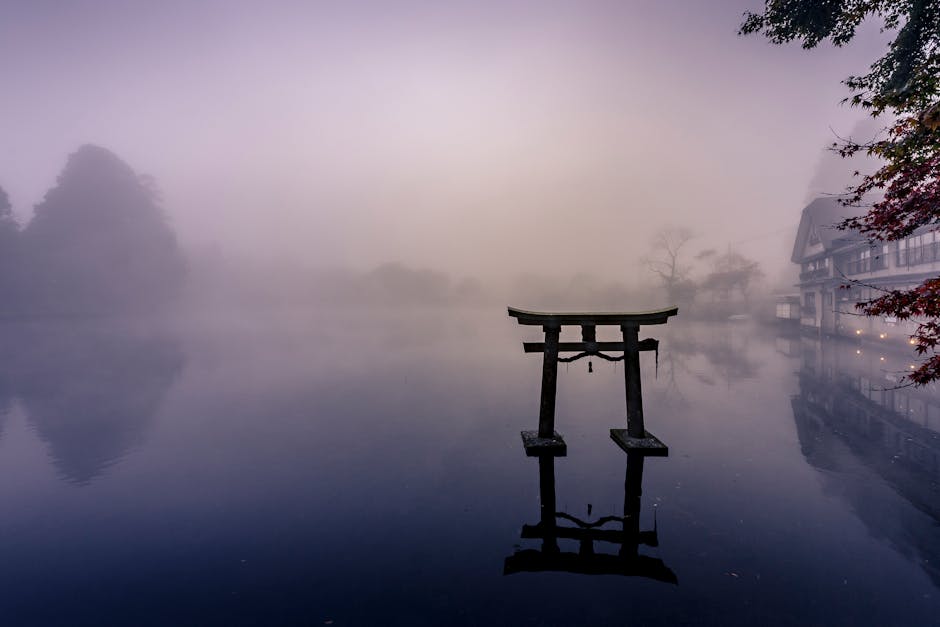
Waarom Yufuin
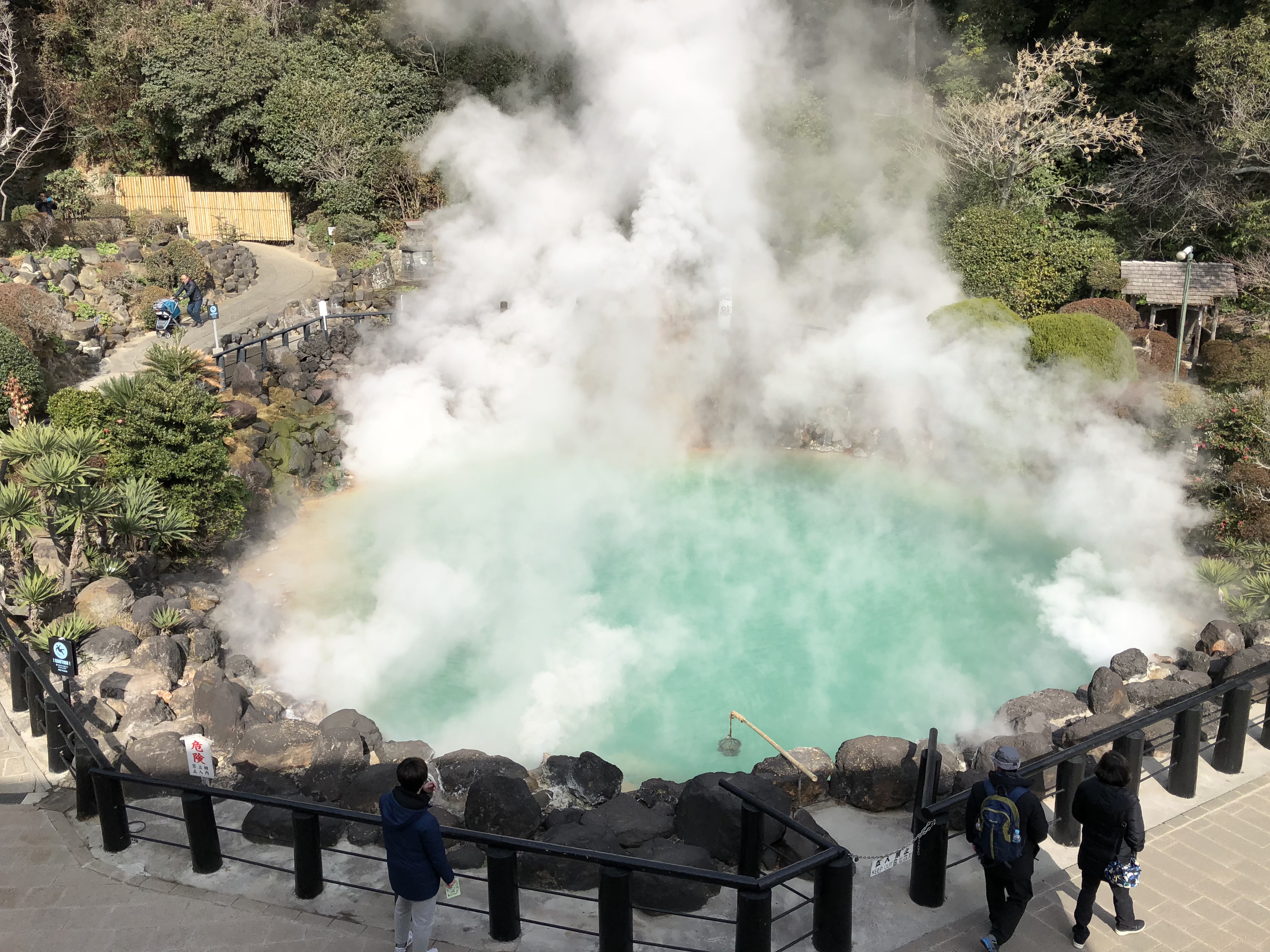
Van Kurokawa rij je met de Kyushu Sanko-bus over de oostelijke flank van de Aso-caldera en de Kuju-bergen naar Yufuin: ga aan de rechterkant zitten voor de bergzichten. Yufuin is toegankelijker en iets gepolijster dan Kurokawa, maar de kern is hetzelfde: een onsenstad die je op je eigen tempo doorloopt. Het middelpunt is Kinrinko, het bronwatermeer aan de rand van het dorp, waar mist opstijgt bij schemering en bij dageraad omdat het water warmer is dan de lucht. Vijftien minuten lopen van het station, altijd open, gratis. De winkelstraat ertussenin is toeristisch maar niet storend; de rest van de avond is voor je tweede onsen-nacht.
4 dingen om te zien en te doen
Verborgen parelKinrinko bij dageraadHet meer wordt gevoed door ondergrondse warmwaterbronnen, waardoor het oppervlak 4–5°C warmer is dan de lucht.BuurtKinrinko-meer wandelingYufuin · GratisBuurtYufuin Floral VillageEen charmant dorpje van kleine winkels en cafés, van Miffy- en Snoopy-winkels tot zoete-aardappelchips, wagyu-barbecue en gelato.BuurtLaatste Yufuin-ontbijtYufuin · –Waar slapen in Yufuin
 BUDGET · RyokanPension YufuinYufuin Station · 8 min lopenFamiliepension in westerse stijl met twee privé-binnenbaden en een kleine gedeelde rotenburo. De helft van de prijs van een volledige ryokan, 80% van het comfort. Op loopafstand van zowel het meer als het station.¥12.000 pp · ontbijt inbegrepen/nachtBekijk tarieven ↗MIDDEN · RyokanYufuin YasuhaDorpsrand · aan het meerAanbevolenModern-traditionele ryokan met een eigen rotenburo buiten per kamer, uitkijkend op een kleine bamboetuin. De standaardkeuze in het middensegment van Yufuin.¥22.000 pp · kaiseki + ontbijt/nachtBekijk tarieven ↗LUXE · RyokanTamanoyu RyokanBosrand · 10 min lopen van het stationDe meest gefotografeerde ryokan van Yufuin: losse boscottages, elk met eigen onsen binnen en buiten. Kaiseki in de cottage geserveerd. Zicht op Mount Yufu vanuit de hogere kamers.¥48.000 pp · kaiseki + ontbijt/nachtBekijk tarieven ↗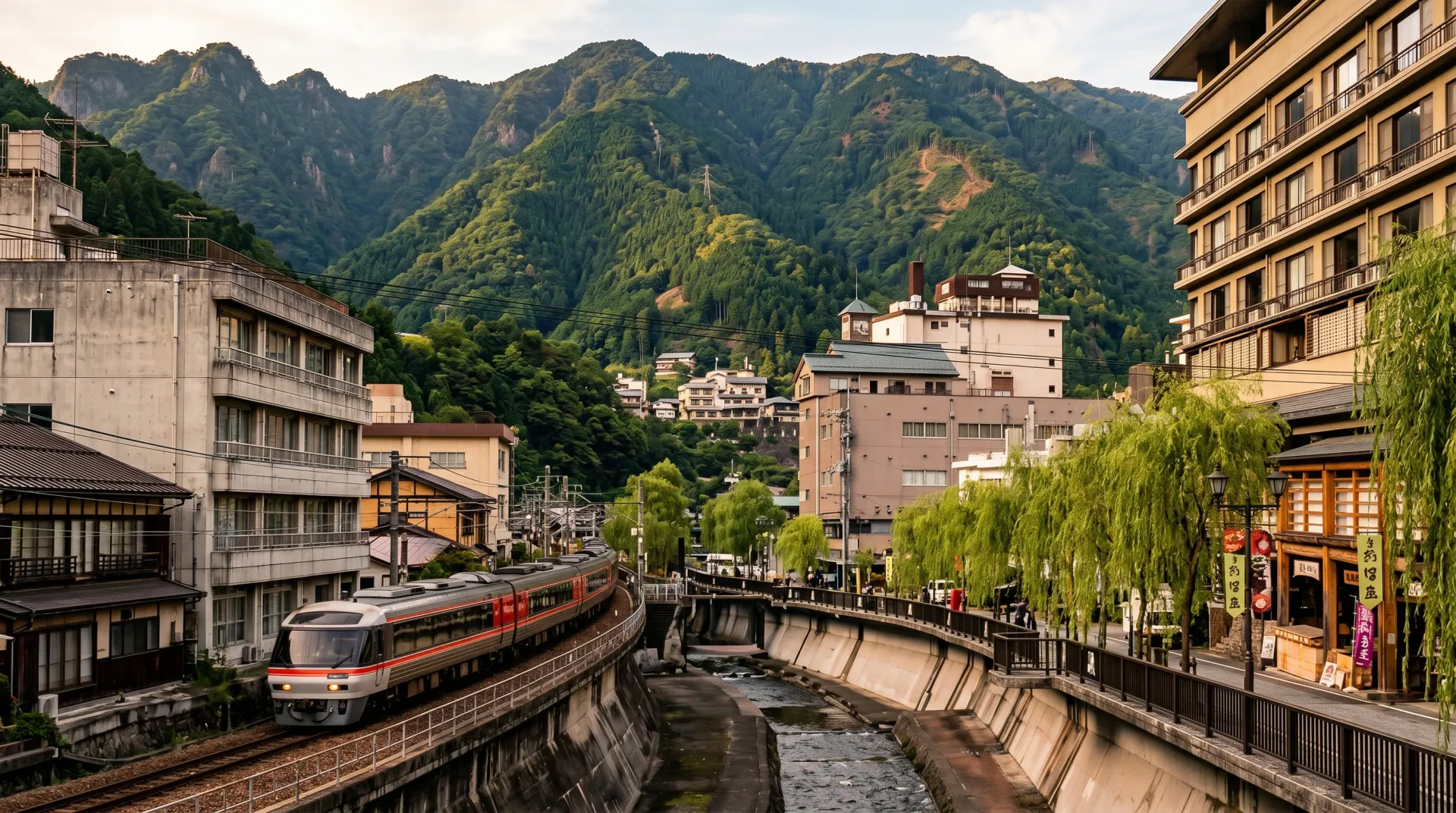
Waarom Kagoshima
Kagoshima verdient twee nachten omdat het eindpunt van Kyushu ook het meest eigenzinnige is. De treinreis ernaartoe is al de moeite waard: de Yufuin no Mori slingert door de bergen naar Hakata, waarna de Shinkansen je in anderhalve uur naar het zuiden brengt. Vanuit de stad kijk je recht op Sakurajima, een vulkaan die honderden keren per jaar rookt en as over de daken strooit: het beste uitzicht heb je vroeg, vanuit de tuinen van Sengan-en. De dag erna ga je naar Ibusuki: de Tamatebako-trein langs de kust, een zandbad van vijftig graden dat je vijftien minuten bedolven houdt, en een kom katsuo-donburi tegenover het station. Op de ochtend van vertrek is Sengan-en bij opening een ander park dan de avond ervoor.
10 dingen om te zien en te doen
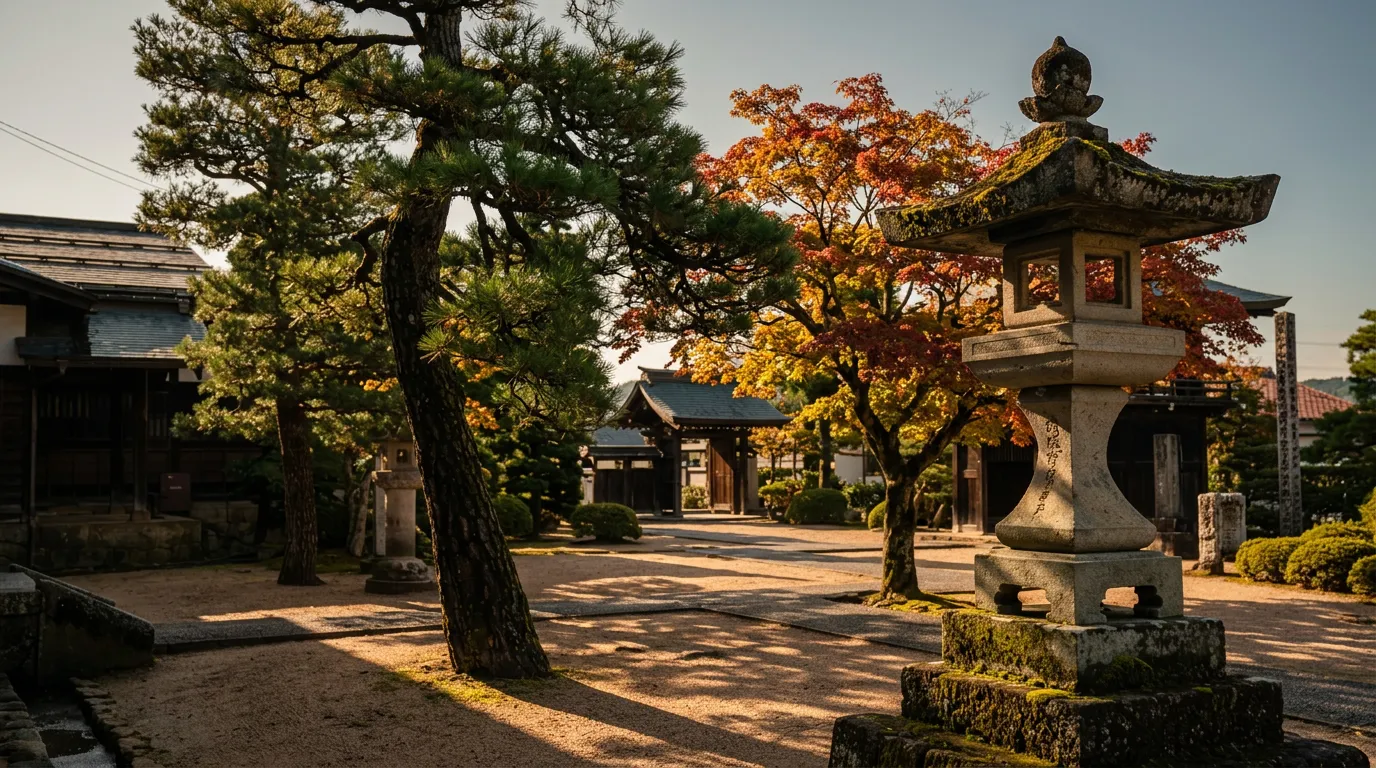 Verborgen parelSengan-en (Iso-tuin)Een 17e-eeuwse daimyō-tuin, aangelegd door de Shimazu-heren.
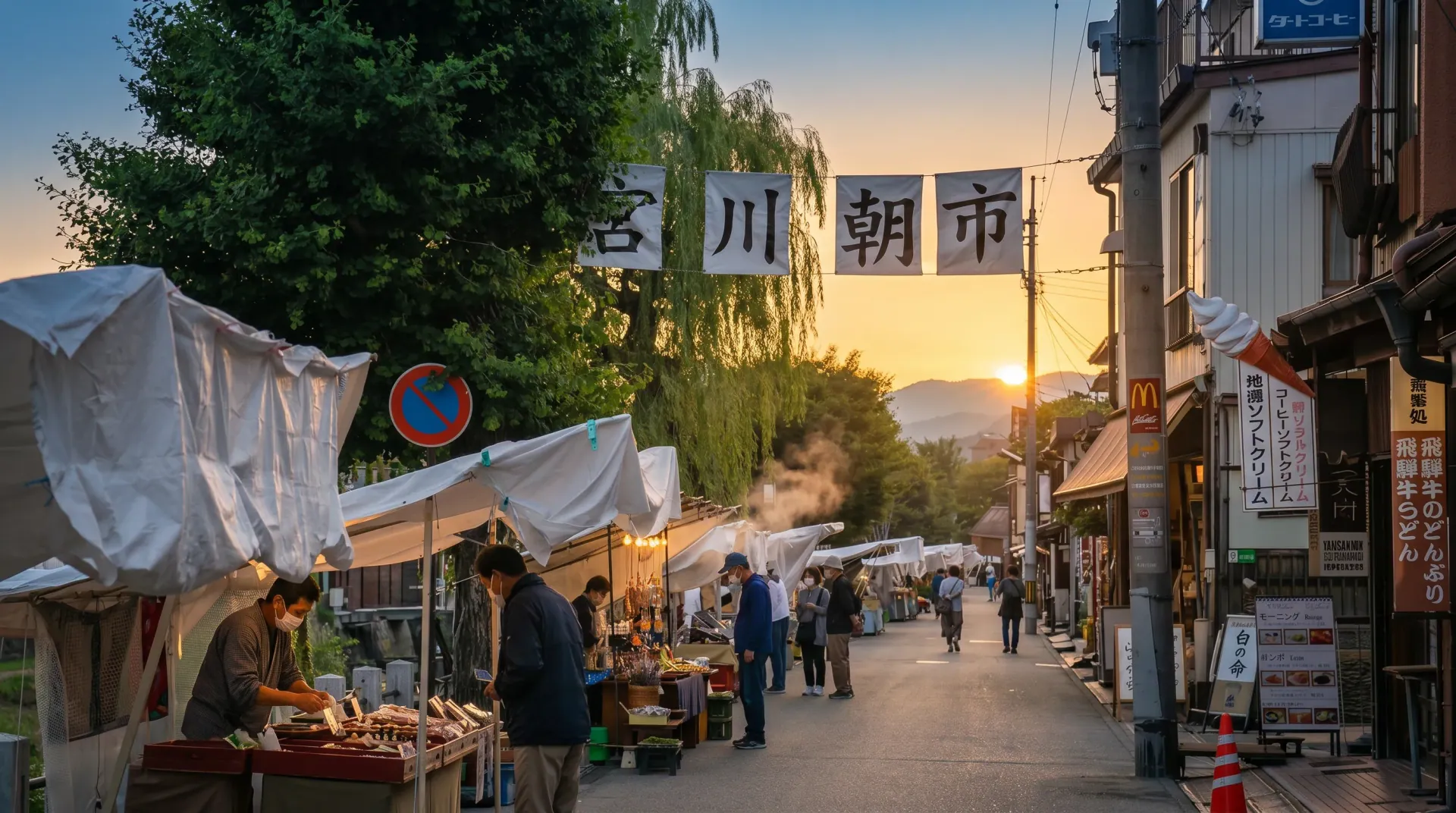 Verborgen parelChiringashima-zandtongEen zandbrug die alleen bij eb verschijnt, tussen het Satsuma-schiereiland en het eilandje Chiringashima.Verborgen parelSenganen ochtendbezoekDezelfde tuin als op dag 8, om 09:00 als hij net open is.BuurtTenmonkan-wandelingDe grootste uitgaans- en winkelwijk van zuidelijk Kyushu, een web van overdekte winkelstraten rond de tramhalte Tenmonkan-dōri.EtenIchiniisan kurobuta-dinerTenmonkan · ¥4.800Dagtrip · IbusukiSaraku-zandbadIbusuki · ¥2.100EtenAoba katsuo-donburi-lunchIbusuki · ¥1.800Dagtrip · IbusukiChiringashima-check (getij)Ibusuki · Gratis
Toon 2 extra optiesToon minder opties
Waar slapen in Kagoshima
BUDGET · CapsuleCABIN&LOUNGE HIGHLAND STATION INN KagoshimaKagoshima-Chuo Station · 1 min lopenModerne capsule recht tegenover de Shinkansen-uitgang. Privacydeuren, USB-oplaadpunten, bureaulamp. Het gedeelde bad voelt buiten de spits privé.¥4.500/nachtBekijk tarieven ↗MIDDEN · HotelJR Kyushu Hotel KagoshimaKagoshima-Chuo Station · aangebouwdAanbevolenRechtstreekse loopbrug naar Kagoshima-Chuo Station. Moderne westerse kamers, opties met baaizicht. Het beste ketenhotel-buffet ten zuiden van Fukuoka.¥14.500/nachtBekijk tarieven ↗LUXE · HotelSHIROYAMA HOTEL kagoshimaHeuveltop · 10 min met de hotelshuttleLigging op de heuveltop, met het ansichtkaartzicht op Sakurajima vanuit de onsen en de ontbijtzaal op de bovenste verdieping. Gratis shuttle van en naar het station, elk half uur.¥36.000/nachtBekijk tarieven ↗Meer routes zoals deze
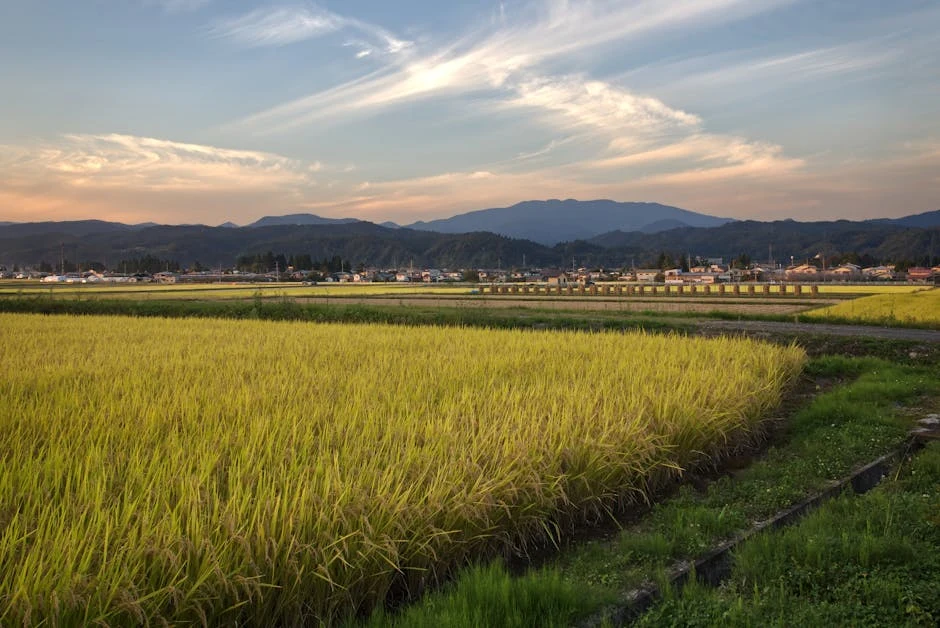 10 dagen·Terugkerende reizigersTien dagen Tohoku, het stille noorden van JapanMatsushima-baai, de Yamadera-rotstempel, de Taishō-tijdperk-ryokanstraat van Ginzan Onsen, het gouden beeld van het Tazawa-meer, de samoeraiwijk van Kakunodate, de Nebuta-praalwagens van Aomori. Het Japan dat de Golden Route nooit bereikt.
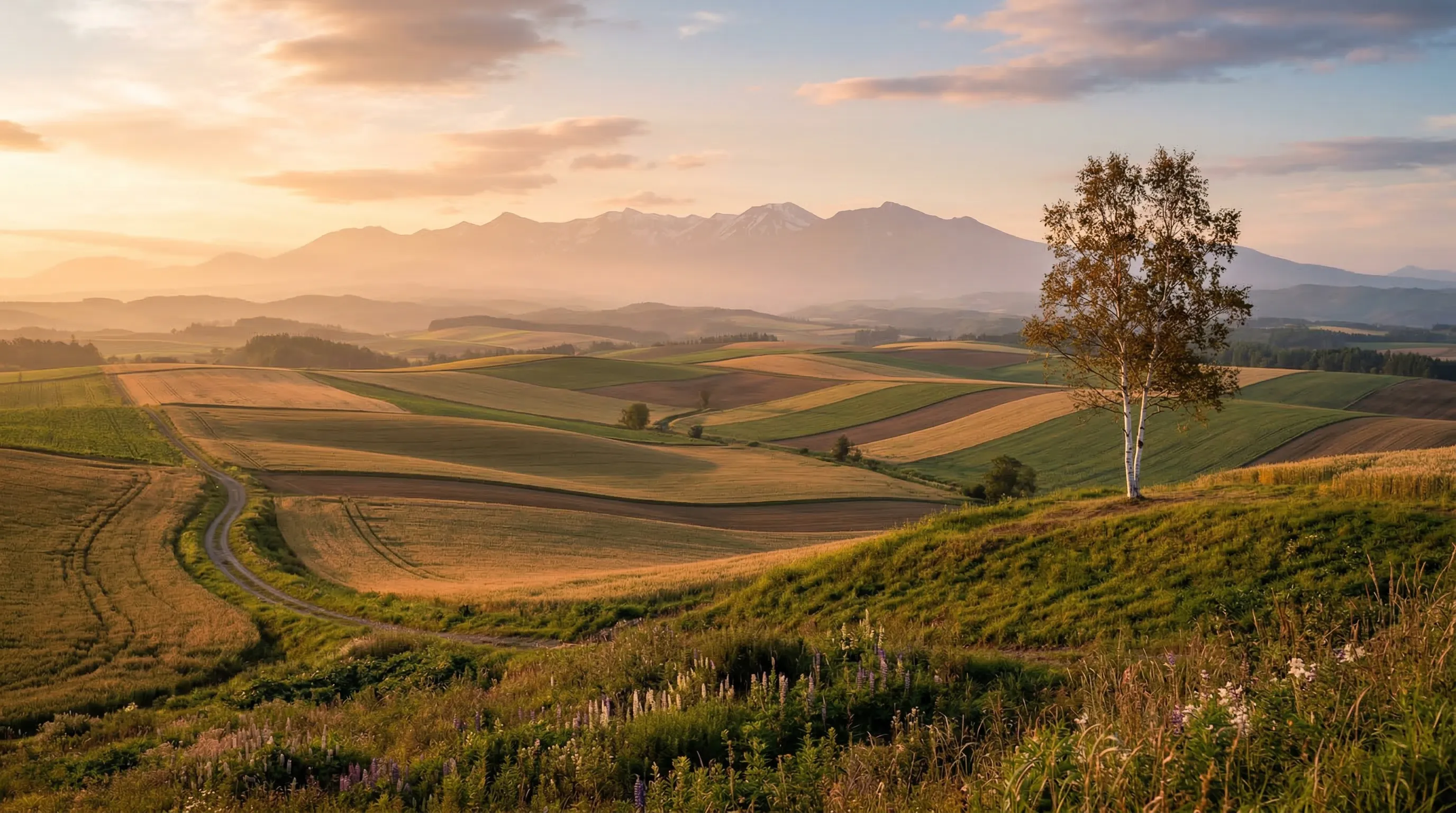 7 dagen·Terugkerende reizigersZeven dagen Hokkaido: sneeuw, eten, natuurSapporo-ramen en bier, Otaru's kanaalstad, het hellevallei-onsen van Noboribetsu, Hakodate's top-tien-nachtuitzicht. Japans noordelijke eiland in een strakke week.
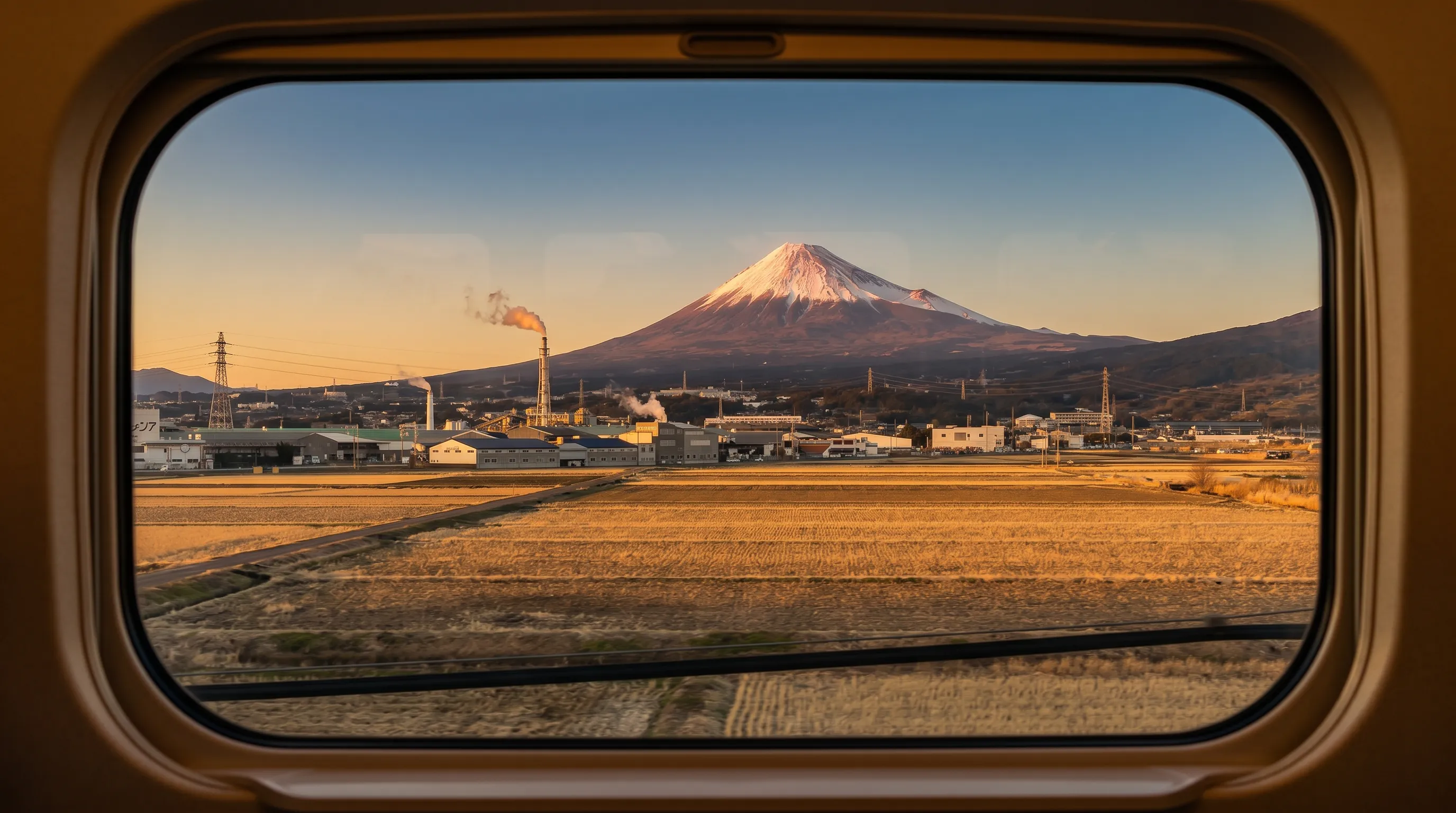 10 dagen·Eerste keerTien dagen Japan, voor de eerste keerTokyo · Kyoto · Osaka · Hiroshima. De klassieke tien-daagse boog, zonder de bergomweg. Dezelfde grote drie, één zware daytrip, uitgerust thuis.
Lees dit voor je vertrekt
- Is de JR Pass het waard?Het rekensommetje voor een route als deze, op één pagina.
- Voor het eerst met de ShinkansenNozomi, Hikari of Kodama, stoelen, bagage.
- Regel je eSIM voor je vliegtThuis instellen, aanzetten bij landing.
- Suica op je iPhoneToevoegen in Wallet, opwaarderen, door elk poortje.
- Van het vliegveld naar TokyoNarita en Haneda: de routes die logisch zijn.
- Wat een Japanreis kostEchte cijfers voor vluchten, hotels, eten en treinen.
- Cash of pas in JapanHoeveel yen je meeneemt en waar kaarten falen.
- Inpaklijst JapanWat je meeneemt, wat je daar koopt.