Zehn Tage Kyushu, die versteckte Insel
Fukuoka-Yatai, Hafenstadt Nagasaki, ein aktiver vulkanischer Caldera, das Ryokan-Tal Kurokawa, Yufuins nebeliger See, Sakurajima rauchend über der Bucht. Das Japan, das die meisten Reisenden verpassen.
 Nick van der Blom
Warum diese Route
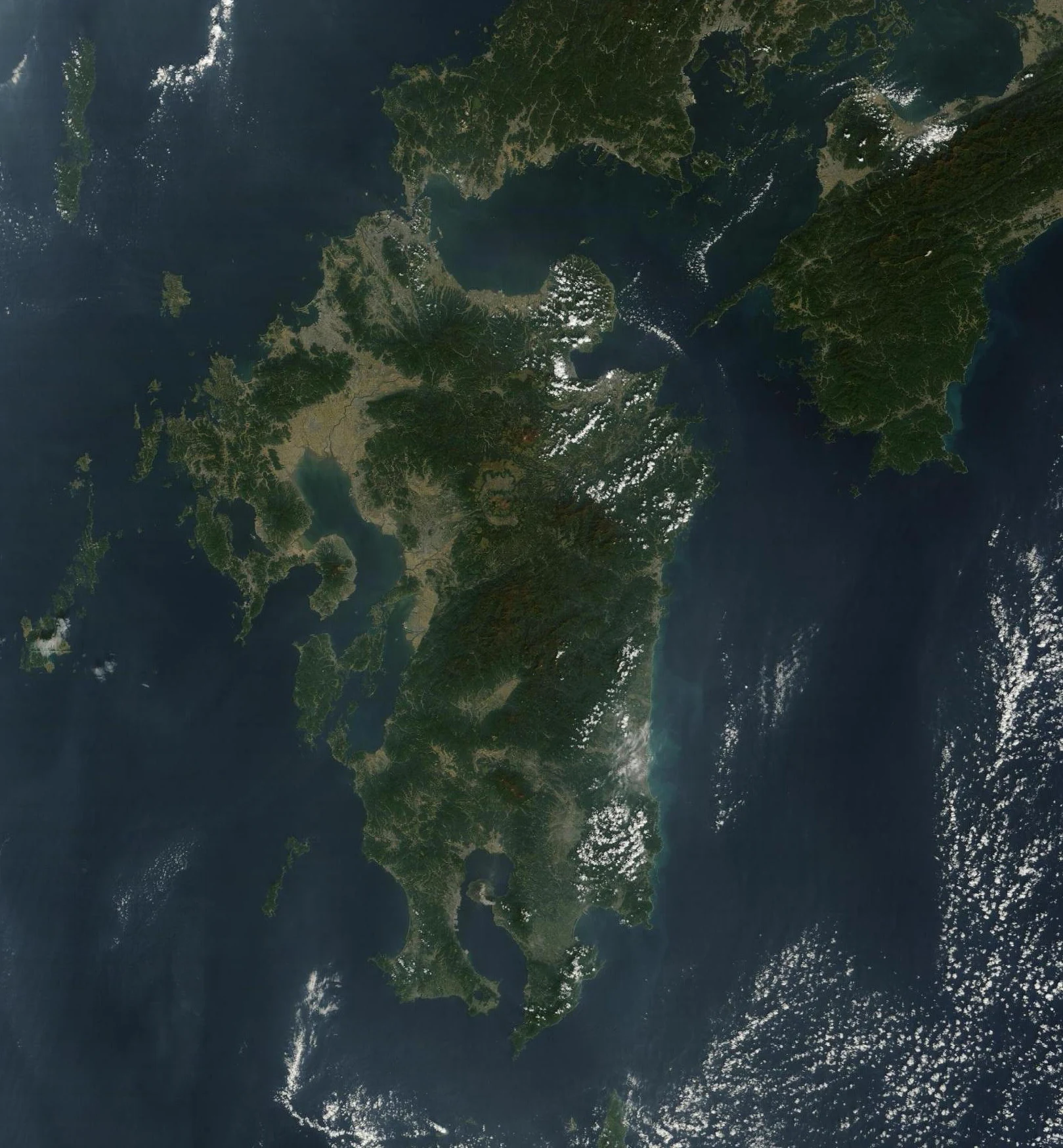
Wir ankern die Route in Fukuoka und Kagoshima (je zwei Nächte als stabile Pole) und nutzen Kurokawa und Yufuin als Ryokan-Ruhepunkte statt als Durchgangsstationen. Osaka, Kyoto, Tokyo: bewusst weggelassen. Das hier ist das Kyushu, das die meisten verpassen. Wichtigster Hinweis: Frühling und Herbst sind die Sweet Spots: im Winter können die Busrouten durch den Aso-Caldera unzuverlässig werden.
Warum Fukuoka
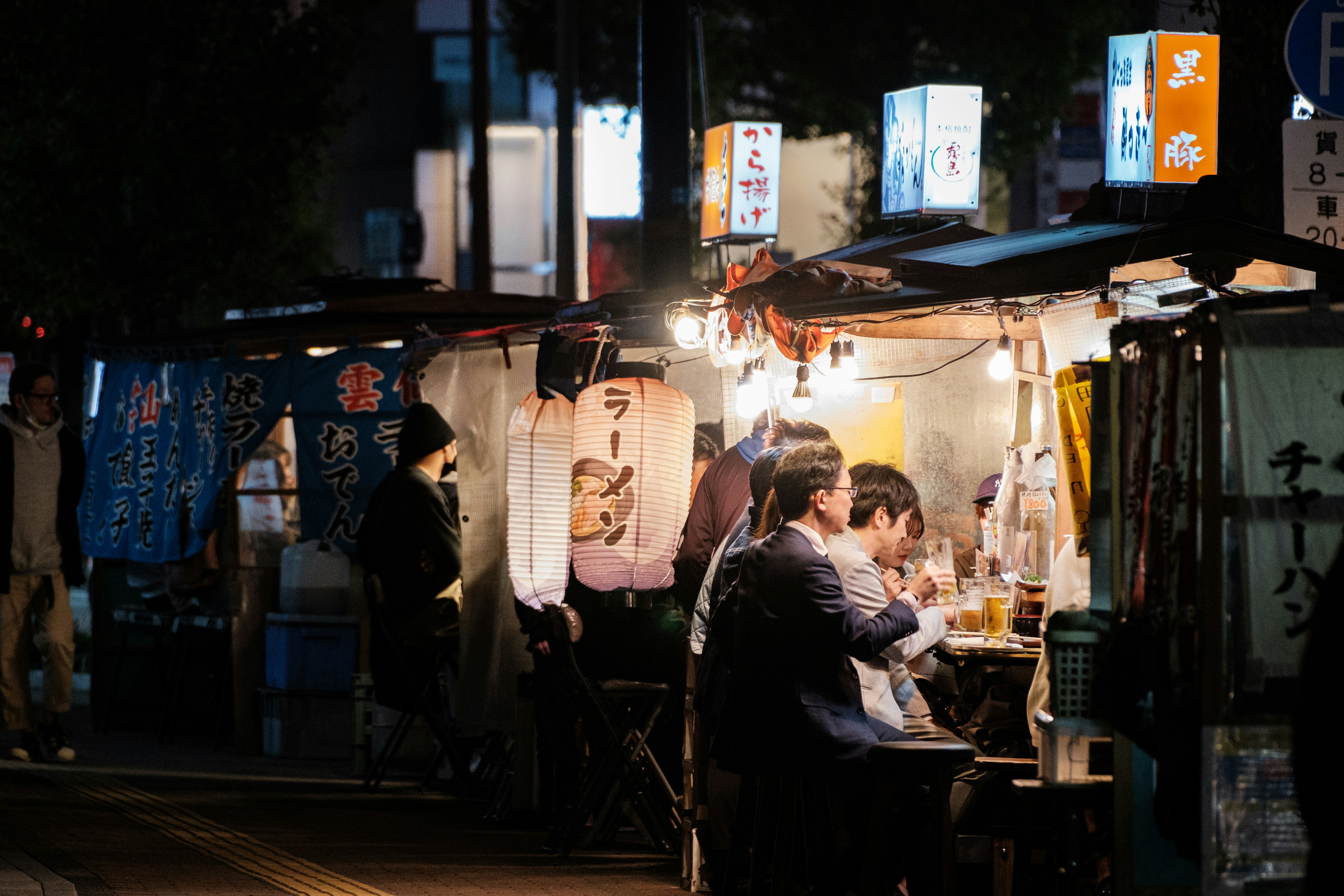
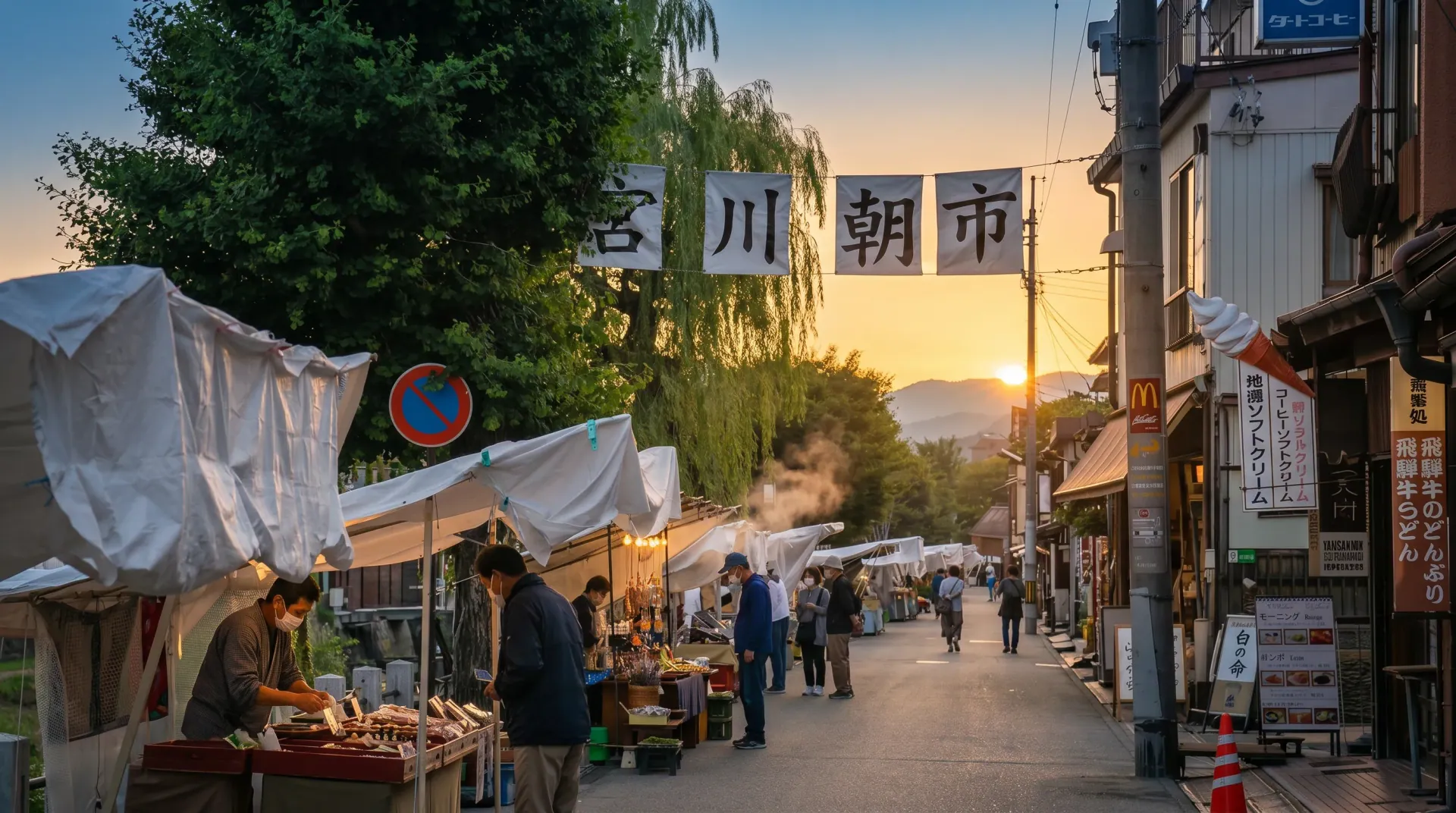
Fukuoka ist der richtige Einstieg in diese Route: nah am Flughafen, entspannt im Tempo, und mit einer Eigenheit, die keine andere japanische Großstadt hat. Die Yatai-Stände am Naka-Fluss in Tenjin (offene Planen, acht Hocker, hundert Jahre Tradition) sind der beste erste Abend, den du dir vorstellen kannst. Geh früh, bleib an einem Tresen, iss was der Koch macht. Am zweiten Tag lohnt sich Dazaifu Tenmangū zur Öffnung, bevor die Tagestouristen eintreffen, und wer fünf Minuten weiterläuft, findet in Komyozen-ji einen Moosgarten, an dem fast alle vorbeigehen. Den Abend schließt eine Schüssel Tonkotsu bei Shin-Shin ab.
9 Dinge zum Sehen und Erleben
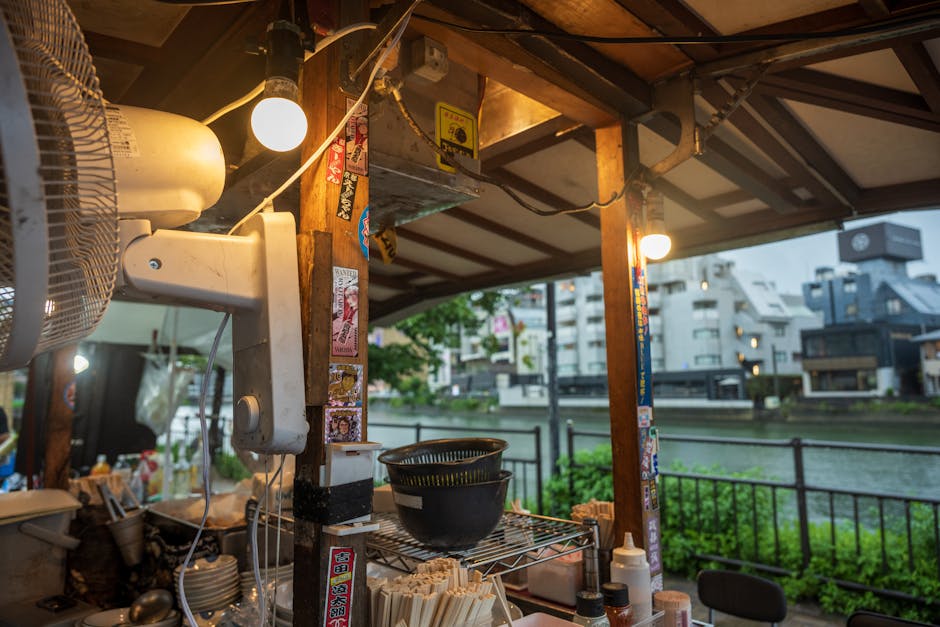 GeheimtippHakata-Yatai-StändeRund 100 Stände sind geblieben, gegenüber 400 in den 1960ern.
 GeheimtippKomyozen-ji-MoosgartenEin Zen-Tempel mit einem Garten aus Trockensteinen und Moos, den Einheimische kennen und die meisten Touristen links liegen lassen.ViertelKushida-jinja-SpaziergangHakatas Schutzschrein und der älteste Fukuokas, im 16.ViertelNaka-Fluss-Spaziergang · Yatai-AufbauRund 20 Yatai-Stände unter freiem Himmel säumen das Flussufer am Südende der Insel Nakasu und servieren Hakata-Ramen, Yakitori und Oden vom frühen Abend bis in die Nacht.EssenYatai-AbendessenRund 20 Yatai am Flussufer der Insel Nakasu servieren Hakata-Ramen, Yakitori und Oden vom frühen Abend bis in die frühen Morgenstunden.Unbedingt sehenKushida-Schrein bei ÖffnungDer älteste Schrein Fukuokas und der Beschützer Hakatas, die Haupthalle im 16.
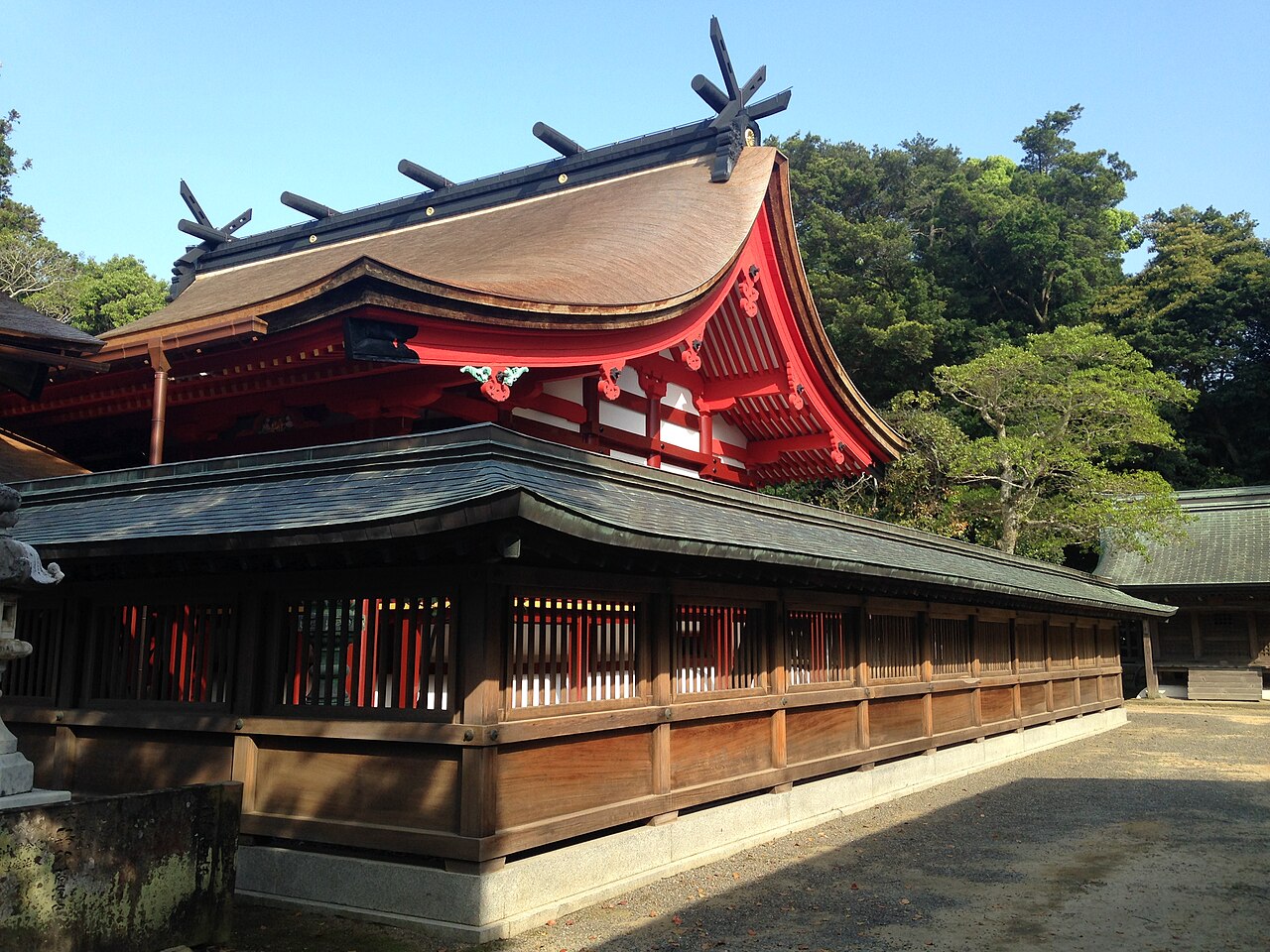
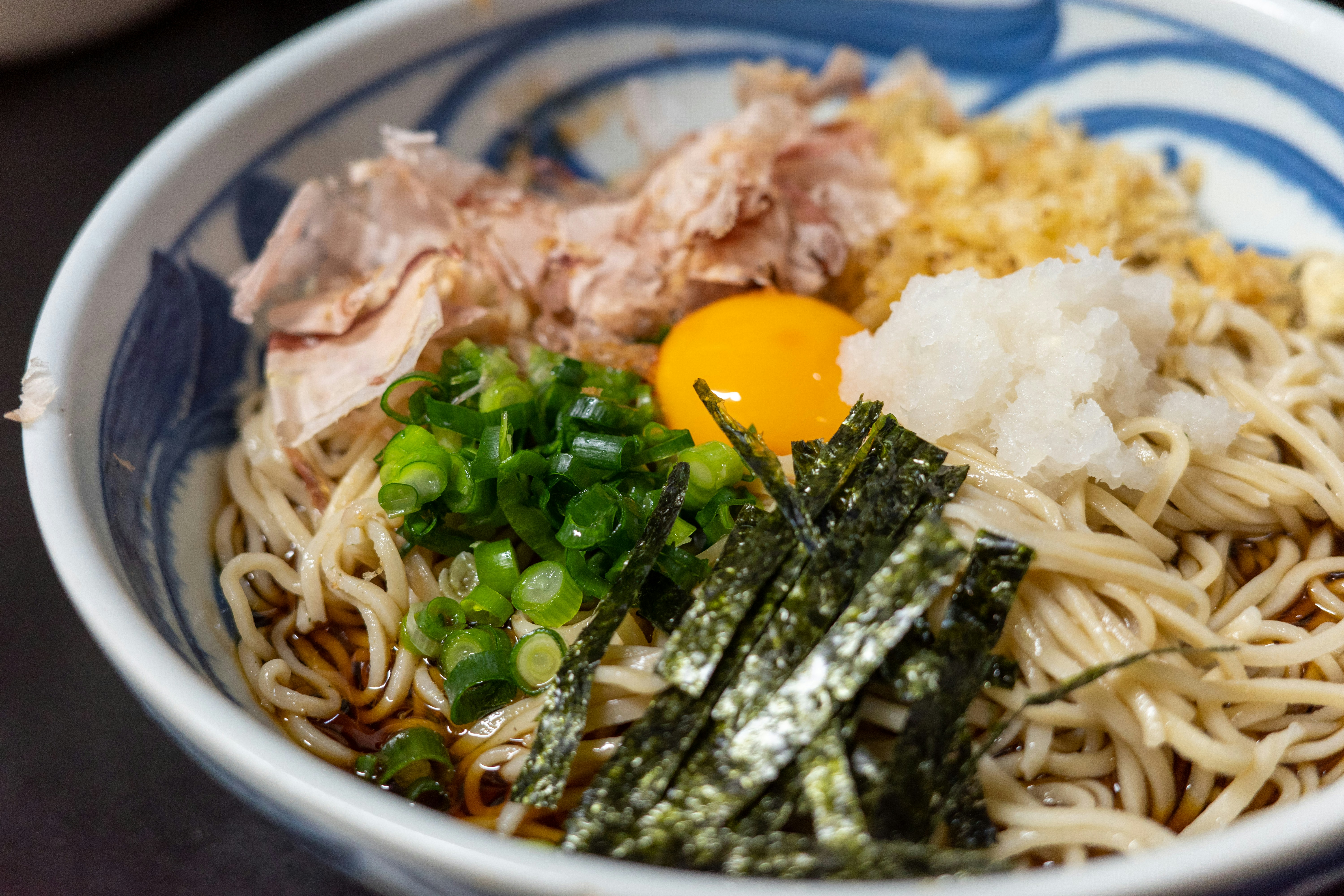 EssenHakata-Machiya-FrühstückHakata · ~¥1.500Unbedingt sehenDazaifu TenmangūHauptschrein aller Tenmangū in Japan, gewidmet Sugawara no Michizane, dem Heian-Gelehrten, der als Gott des Lernens verehrt wird.
1 weitere Option zeigenWeniger Optionen zeigen
Übernachten in Fukuoka
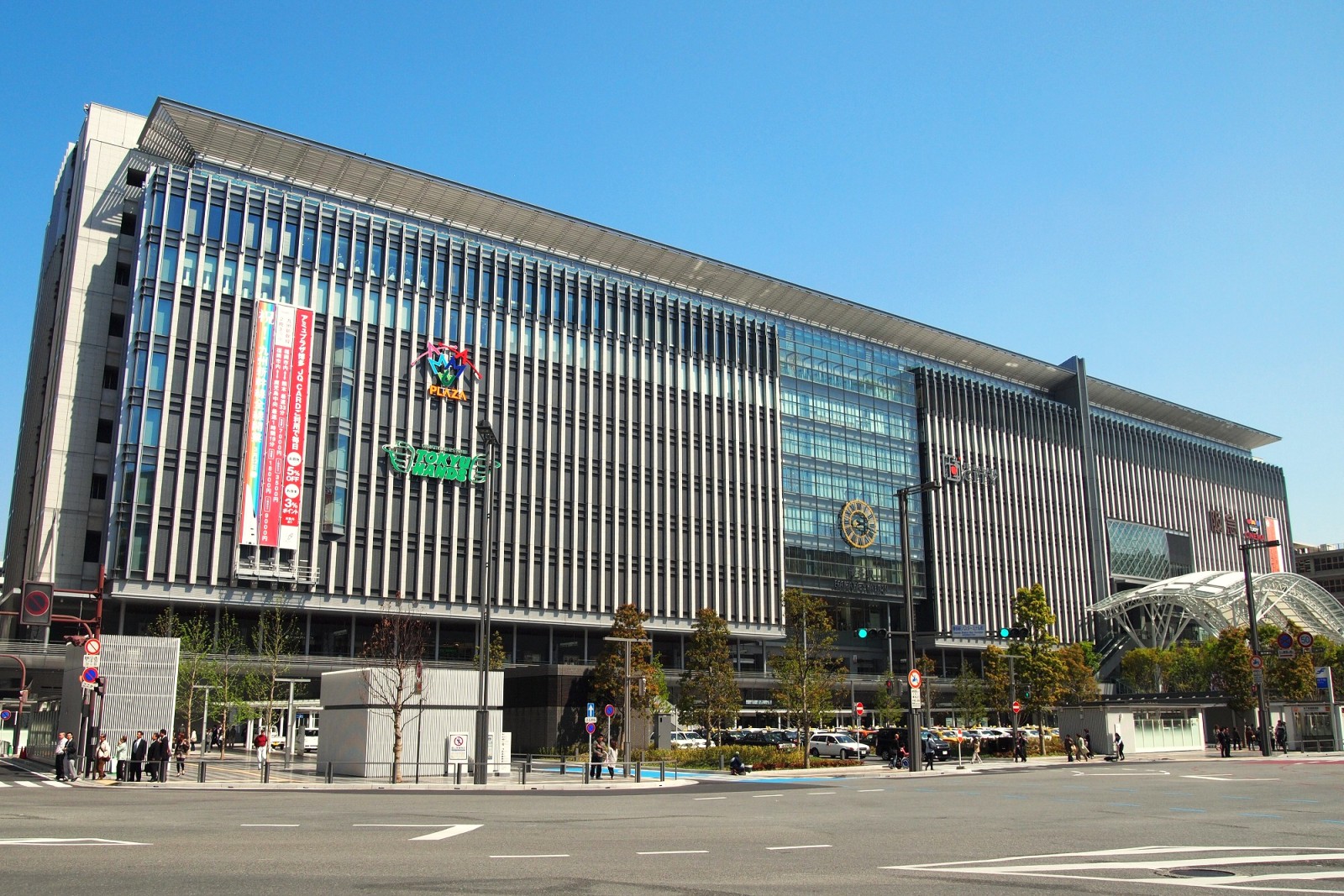 BUDGET · Capsule9h nine hours Hakata StationBahnhof Hakata · 2 Min zu FußModerne Kapsel direkt gegenüber dem Shinkansen-Ausgang. Weiße, minimalistische Pods, Sonnenaufgang-Simulation, Gemeinschaftslounge. Beste Budgetwahl auf der Bahnhofsseite von Hakata.¥4.800/NachtPreise ansehen ↗MITTEL · HotelHotel Forza Hakata-Eki Chikushi-guchiBahnhof Hakata · 5 Min zu FußEmpfohlenModernes Business-Boutique-Hotel gegenüber dem Ausgang Chikushi-guchi. Größere Zimmer als in der japanischen Mittelklasse üblich, tiefe Badewanne, englischsprachige Rezeption.¥14.000/NachtPreise ansehen ↗LUXUS · HotelGrand Hyatt FukuokaCanal CityIm Unterhaltungskomplex Canal City. Direkt zu Fuß zum Naka-Fluss für Yatai, Tenjin in Gehweite, Spa-Etage, Frühstück im obersten Stock.¥38.000/NachtPreise ansehen ↗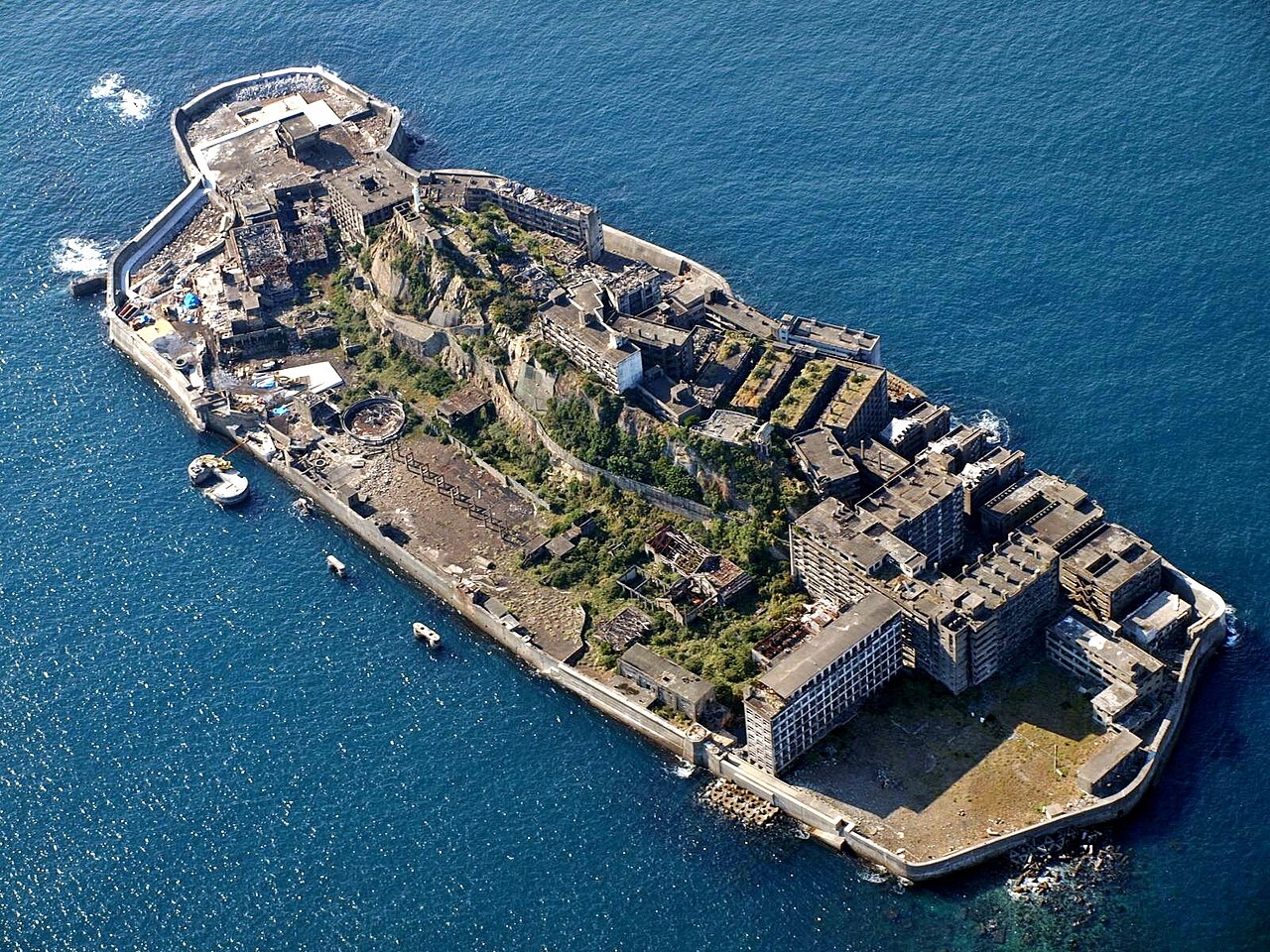
Warum Nagasaki
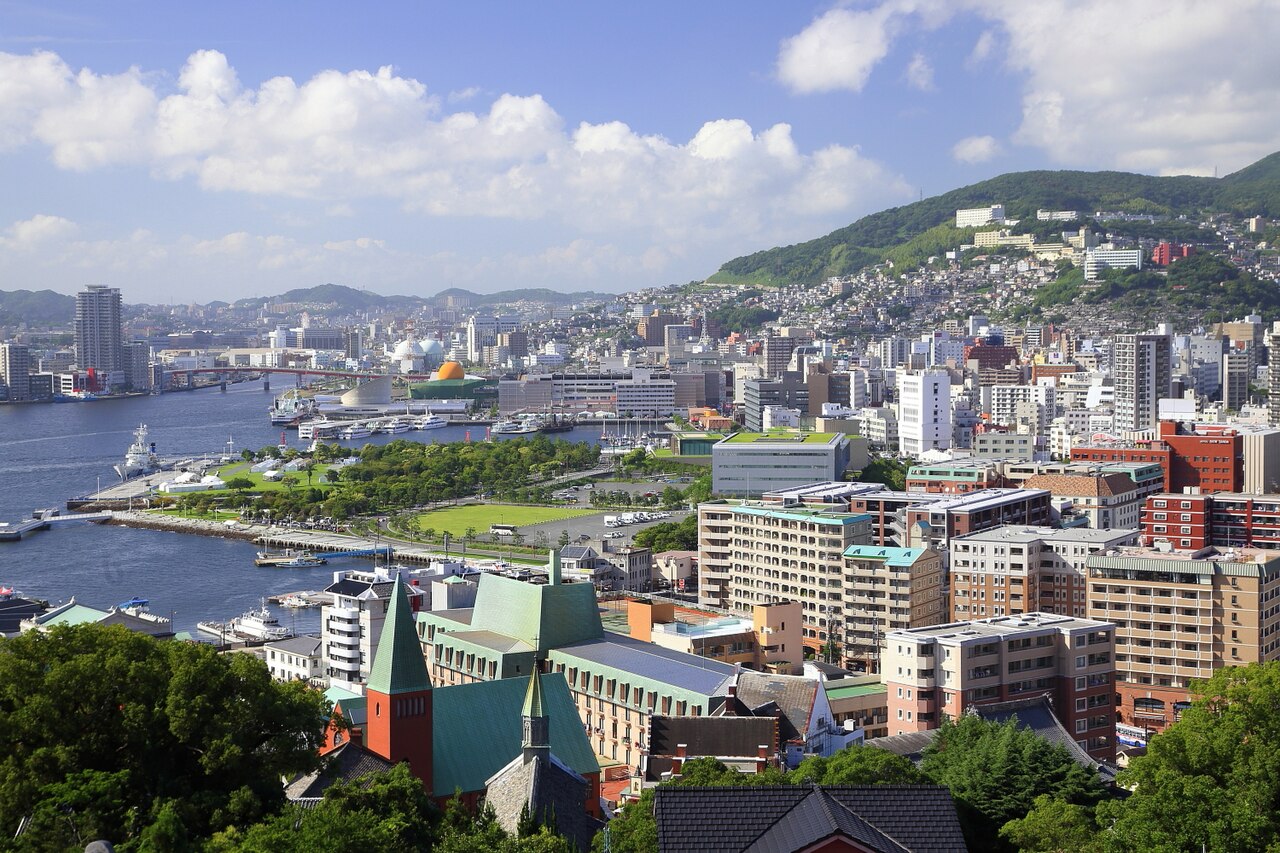
Nagasaki ist das emotionale Zentrum dieser Route – eine Hafenstadt, die Geschichte und Alltag auf engstem Raum trägt. Das Atombombenmuseum und der Peace Park brauchen zwei ruhige Stunden am Nachmittag; danach hilft ein Abend in Shinchi Chinatown, dem ältesten Japans, mit einer Schüssel Chanpon beim Ankommen. Am zweiten Tag fährt die Fähre hinaus nach Hashima, der verlassenen Kohleinsel, deren verwitterte Hochhäuser im Meer stehen wie ein gestrandetes Schiff. Glover Garden am Nachmittag, dann zur Dämmerung mit der Seilbahn auf den Mt. Inasa – der Blick über die Bucht ist der ruhigste Moment dieser ganzen Reise.
10 Dinge zum Sehen und Erleben
 GeheimtippMegane-bashi-BrückeGebaut 1634, die älteste Steinbogenbrücke Japans.GeheimtippGunkanjima Close-Walk-TourDie Standard-Fährtour bleibt auf einem 200 Meter langen Bohlenweg nahe den südlichen Docks.
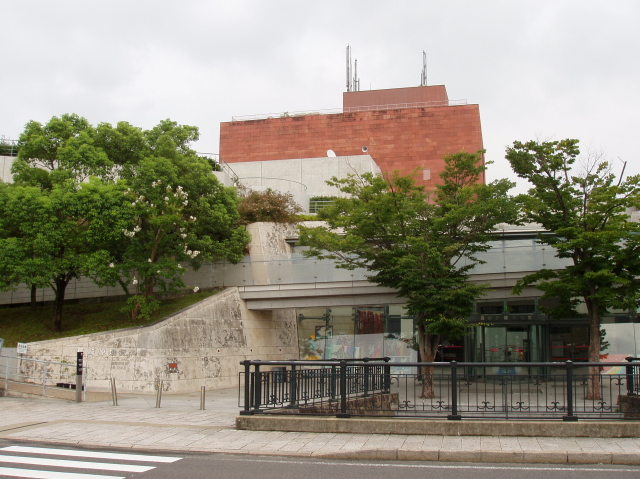 Unbedingt sehenAtombombenmuseumEin stiller Zeuge des Bombenabwurfs auf Nagasaki und ein leiser Aufruf zum Frieden.EssenChinatown Chanpon-AbendessenShinchi · ¥1.200Unbedingt sehenGunkanjima-FähreNagasaki Port · ¥4.500EssenChinatown-MittagessenShinchi · ~¥1.500Unbedingt sehenGlover Garden + OuraEin Hanggarten, in dem Ost auf West trifft, über dem Hafen von Nagasaki.Unbedingt sehenMegane-bashi bei DämmerungNakajima · Frei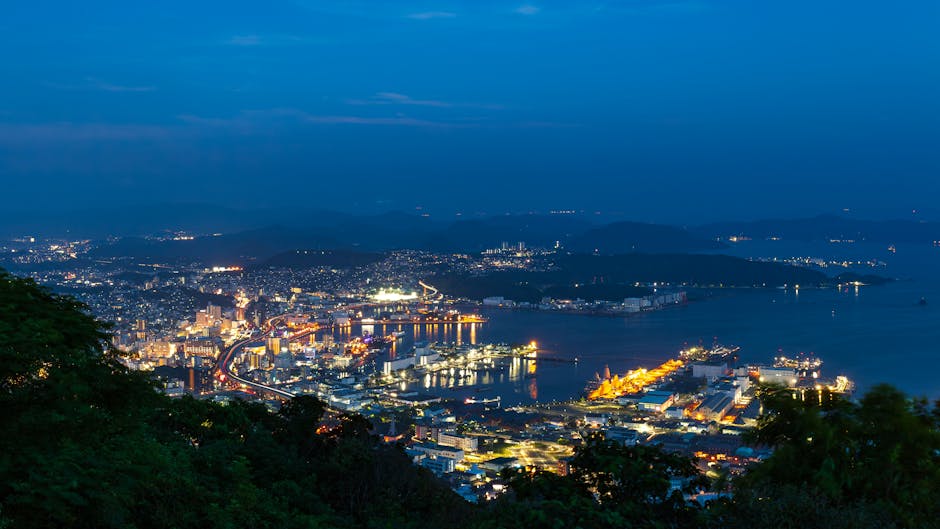
Übernachten in Nagasaki
BUDGET · HostelCasa Noda NagasakiZentrum · 5 Min vom BahnhofRenoviertes Machiya, gemischte Schlafsäle und private Doppelzimmer. Die Gemeinschaftsküche ist das Herzstück; freitagabends kocht der Besitzer Chanpon für die Gäste.¥4.500/NachtPreise ansehen ↗MITTEL · HotelHotel Forza NagasakiBahnhof Nagasaki · 3 MinEmpfohlenDieselbe Forza-Kette wie in Fukuoka. Modernes Boutique-Business-Hotel, Zimmer mit Hafenblick verfügbar, Straßenbahn und Kamome-Bahnsteig beide 3 Minuten entfernt.¥14.000/NachtPreise ansehen ↗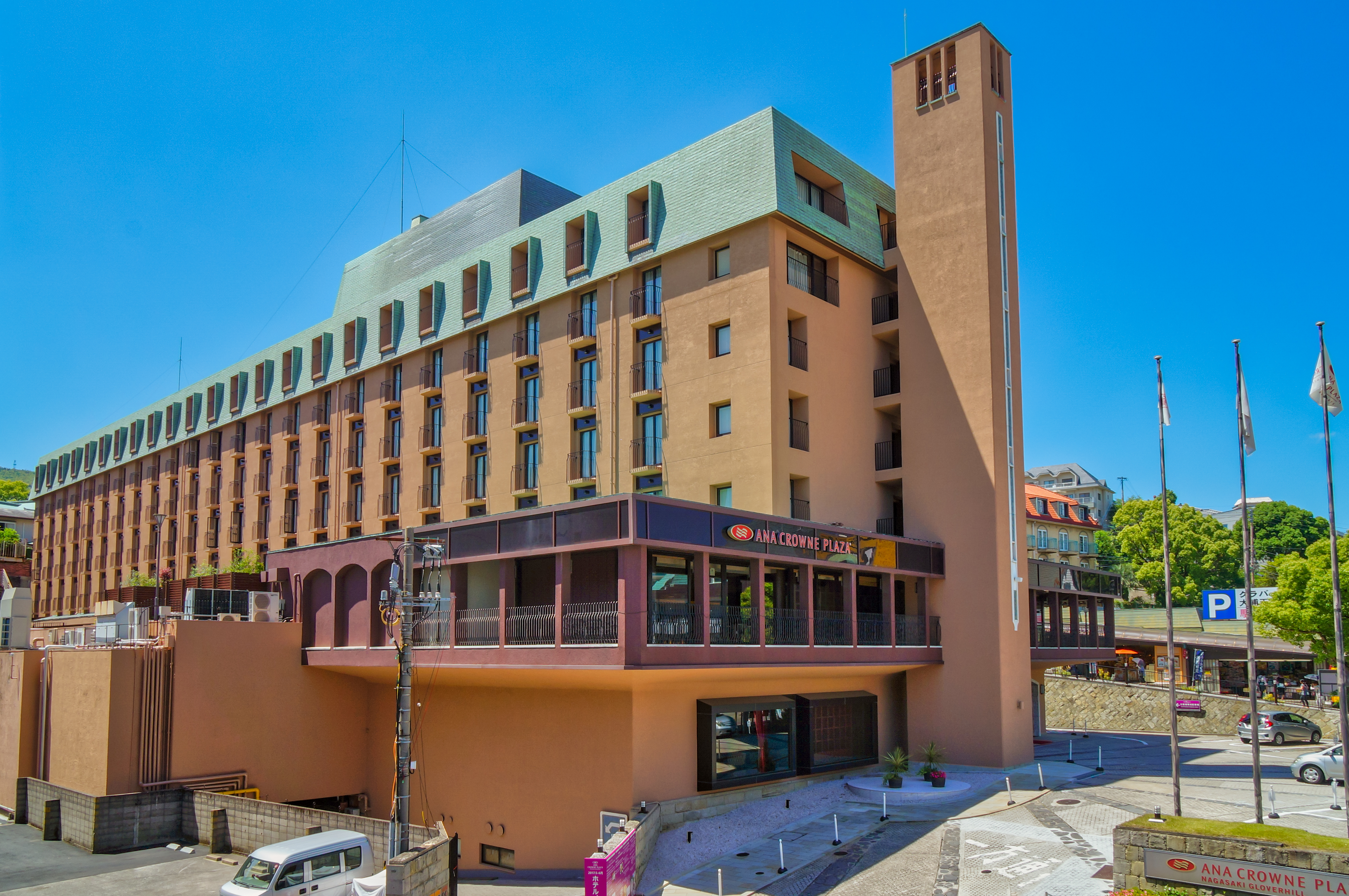 LUXUS · HotelGarden Terrace NagasakiHang des Mount InasaHotel auf halber Höhe des Mount Inasa, mit dem Postkarten-Panorama des Hafens von Nagasaki bei Nacht aus jedem Zimmer. Kostenloser Shuttle vom und zum JR-Bahnhof.¥30.000/NachtPreise ansehen ↗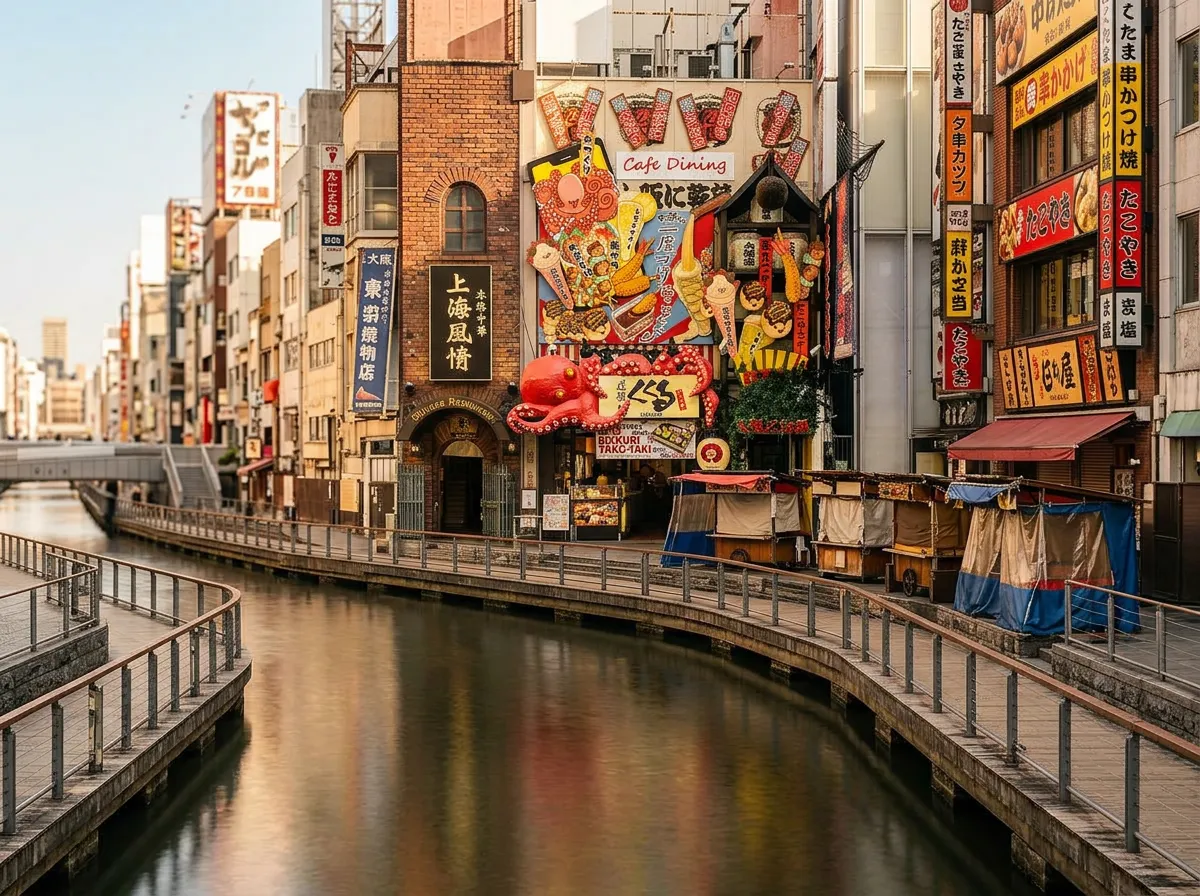
Warum Kumamoto
Kumamoto liegt genau zwischen Nagasaki und dem vulkanischen Herz Kyushus – ein Zwischenstopp, der sich lohnt. Kumamoto Castle ist seit dem Erdbeben 2016 noch immer im Wiederaufbau, doch der Hauptturm steht wieder, und der Spaziergang entlang der mächtigen Außenmauern zeigt, was hier einst einstürzte. Plane zur Öffnung, damit du nachmittags noch den Suizenji Jōjuen erreichst: ein Edo-zeitlicher Landschaftsgarten der Hosokawa-Lords, ruhig und fast unbekannt. Den Abend beschließt ein Tisch bei Suganoya – Kumamoto ist Japans Hauptstadt des Basashi, rohen Pferdefleischs mit Ingwer und Soja, und hier isst man es richtig.
4 Dinge zum Sehen und Erleben
Übernachten in Kumamoto
BUDGET · HostelHostel Kumamoto ToumaBahnhof Kumamoto · 8 Min zu FußRenoviertes Stadthaus-Hostel, Gemeinschaftsküche, Etagenbett-Schlafsäle, drei kleine Privatzimmer im Obergeschoss. Der Besitzer führt zweimal wöchentlich kostenlose Rundgänge zur Burggeschichte.¥3.800/NachtPreise ansehen ↗MITTEL · HotelMitsui Garden Hotel KumamotoZentrum · 5 Min zur BurgEmpfohlenModernes Businesshotel der Mitsui-Kette, Bad im Onsen-Stil im obersten Stock mit Burgblick, großzügiges Frühstücksbuffet.¥13.000/NachtPreise ansehen ↗LUXUS · HotelHotel Nikko KumamotoBahnhof Kumamoto · 3 MinDie Business-Luxus-Spitze der Stadt. Burgblick aus den höheren Zimmern, Restaurant im obersten Stock mit Pferdefleisch-Degustationsmenü.¥28.000/NachtPreise ansehen ↗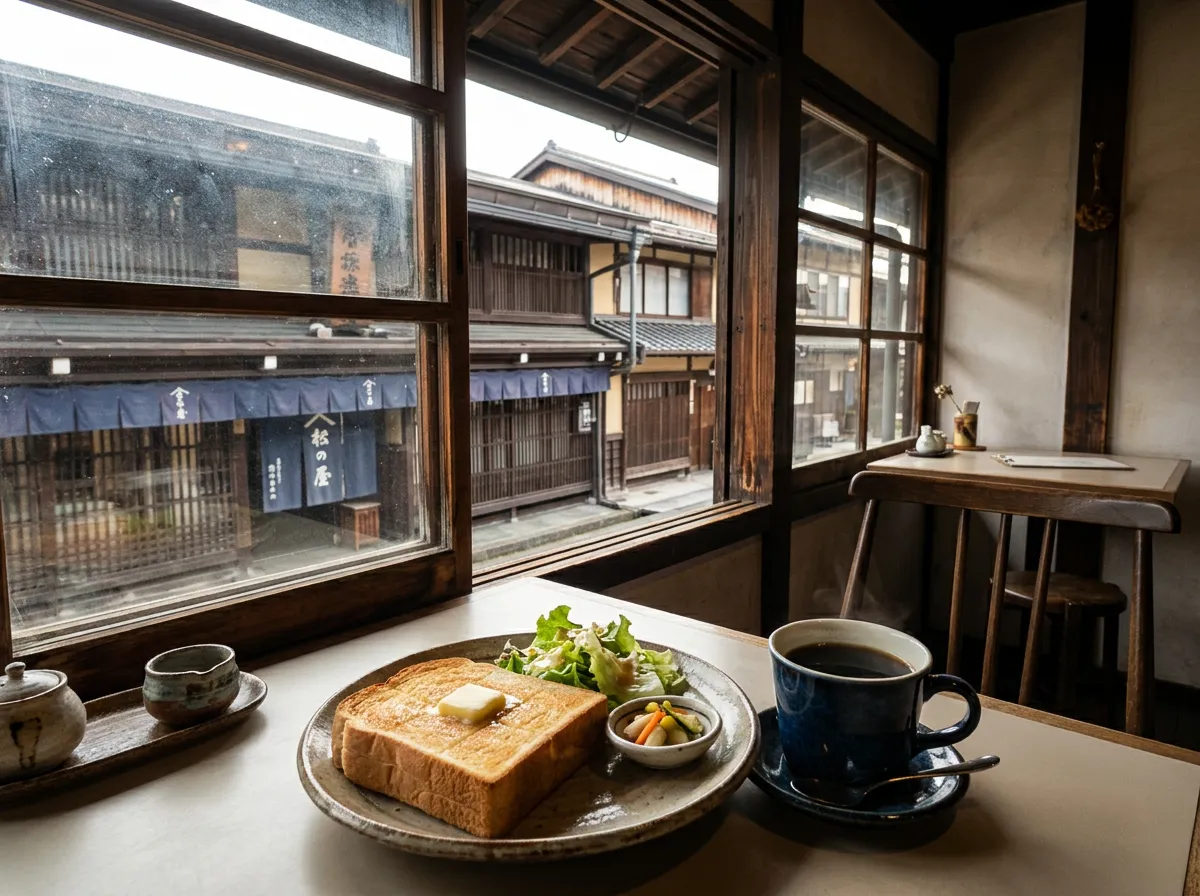
Warum Kurokawa Onsen
Die Route biegt hier ins Landesinnere, weil sich auf diesem Abschnitt zwei der eindrücklichsten Landschaften Kyushus hintereinander reihen. Mount Aso ist eine der größten aktiven Calderas der Welt – 25 Kilometer breit, mit Schwefelschloten, Grasebenen und dem rauchenden Nakadake-Kegel im Zentrum; der Sanko-Shuttle bringt dich bei gutem Wetter bis an den Kraterrand. Eine Busfahrt weiter liegt Kurokawa Onsen: dreißig Ryokan aus dunklem Holz entlang einer bewaldeten Flussschlucht, kein Neon, keine Kettenhotels. Der Tegata-Holzpass erlaubt dir, in drei verschiedenen Bädern zu wechseln – abends und früh am Morgen, wenn der Dampf noch über dem Tal hängt.
5 Dinge zum Sehen und Erleben
GeheimtippKusasenrigahama-EbeneEin flacher, grasbewachsener Seegrund innerhalb des äußeren Calderarings, mit Ausritten (¥1.500 für 10 Minuten) und sanften Wegen.TagesausflugAso-VulkanmuseumAso · ¥880TagesausflugNakadake-Shuttle (Wetter)Der aktive Nakadake-Krater im Zentrum der größten Caldera der Welt, wo Schwefelschwaden aus einem Säuresee aufsteigen.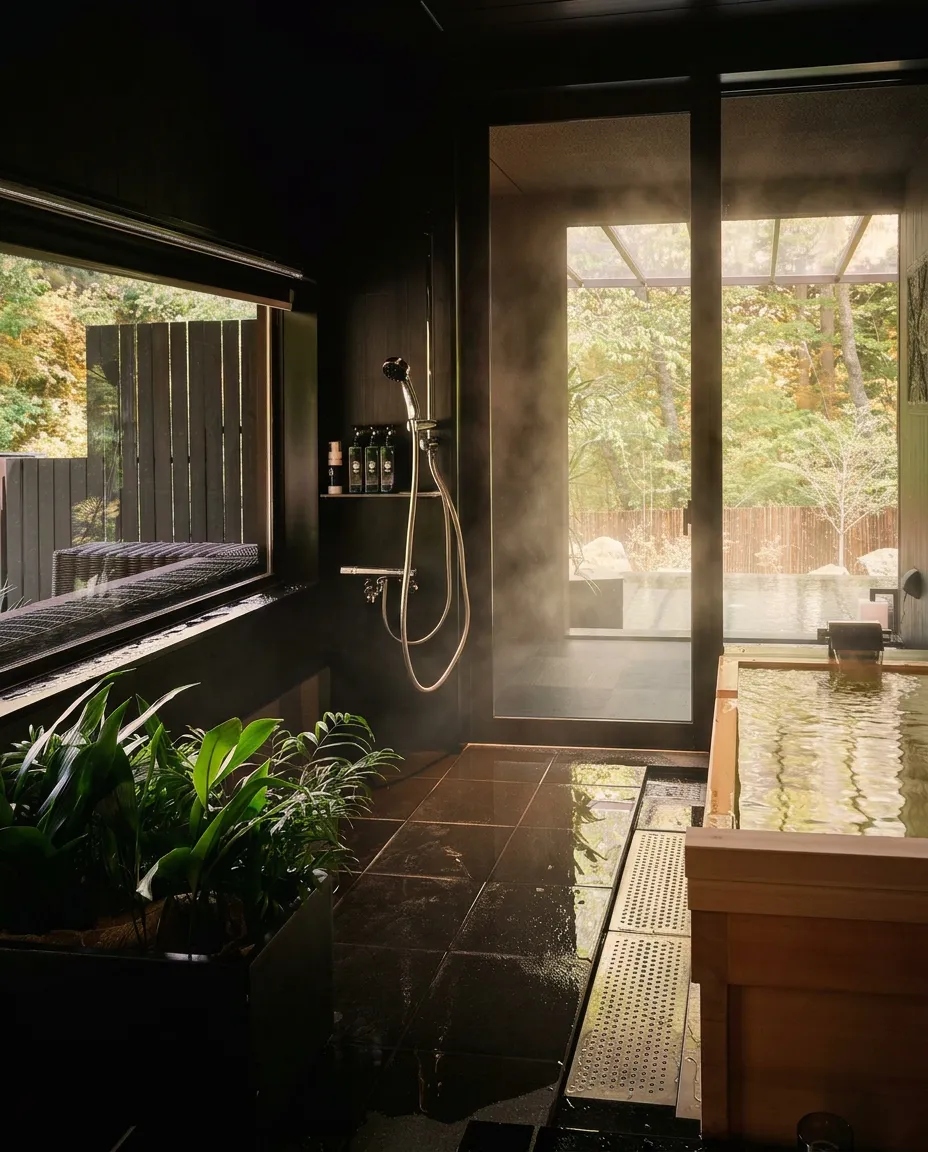 Unbedingt sehenTegata-Bäderrunde · 3 RyokanEin kleines Bergkurdorf im Norden Kumamotos, wo dreißig Gasthäuser ihre Rotenburo in Zedernschluchten verstecken.EssenKurokawa Dorf-MittagessenKurokawa · ~¥1.800
Übernachten in Kurokawa Onsen
BUDGET · RyokanIyashi no Sato KiyashikiDorfrand von KurokawaDer Budget-Einstieg in Kurokawa: Tatami-Zimmer mit zwei privaten Rotenburo (Holzbad innen + Steinbad im Freien), volles Kaiseki, Flussblick. Die Untergrenze für Kurokawa.¥16.000 pp · Kaiseki + Frühstück/NachtPreise ansehen ↗MITTEL · RyokanYamamizuki RyokanZentrum von KurokawaEmpfohlenDie Standardwahl in Kurokawa: Ryokan aus Holz und Papier, acht Zimmer, alle mit eigenem Zypressen-Rotenburo, alle zum Fluss. Mehrgängiges Kaiseki mit lokalem Gemüse aus Kuma und Hida-Rind.¥24.000 pp · Kaiseki + Frühstück/NachtPreise ansehen ↗LUXUS · RyokanSanga RyokanZentrum von Kurokawa · am FlussDie Luxuswahl in Kurokawa. 14 Zimmer, alle mit eigenem Rotenburo im Freien, mit Blick auf Fluss oder Wald. Kaiseki wird im Zimmer serviert. Tegata-Bäderpass inklusive.¥42.000 pp · Kaiseki + Frühstück/NachtPreise ansehen ↗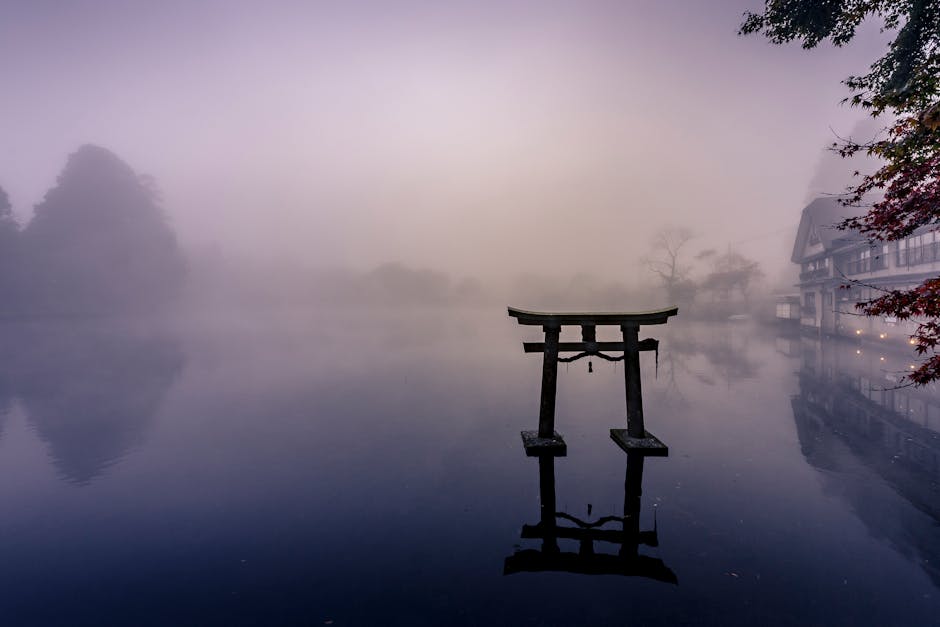
Warum Yufuin
Yufuin liegt auf dieser Route, weil es den Übergang von den wilden Kurokawa-Bergen zur Küste weich macht – ein Atemzug vor Kagoshima. Der Morgen gehört noch Kurokawa: mit dem tegata-Holzpass durch drei Ryokan-Bäder, bevor die Tagesbesucher eintreffen. Dann der Kyushu-Sanko-Bus über das Aso-Hochland, rechts sitzen für die Kuju-Berge. In Yufuin selbst zählt der Nachmittag am Kinrinko: der kleine quellengespeiste See, aus dem Dampf steigt, fünfzehn Minuten vom Bahnhof entfernt, kostenlos, still. Die Floral Village-Gasse dazwischen ist touristisch, aber ehrlich. Eine Nacht, ein zweites Onsen, dann früh weiter nach Kagoshima.
4 Dinge zum Sehen und Erleben
GeheimtippKinrinko im MorgengrauenDer See wird von unterirdischen heißen Quellen gespeist, was die Oberfläche 4–5°C wärmer hält als die Luft.ViertelKinrinko-See SpaziergangYufuin · FreiViertelYufuin Floral VillageEin charmantes kleines Dorf aus kleinen Läden und Cafés, von Miffy- und Snoopy-Shops bis zu Süßkartoffelchips, Wagyu-Grill und Gelato.ViertelLetztes Yufuin-FrühstückYufuin · –Übernachten in Yufuin
 BUDGET · RyokanPension YufuinBahnhof Yufuin · 8 Min zu FußFamiliengeführte Pension im westlichen Stil mit zwei privaten Innenbädern und einem kleinen Gemeinschafts-Rotenburo. Halber Preis eines vollen Ryokan, 80% des Komforts. See und Bahnhof beide in Gehweite.¥12.000 pp · Frühstück inklusive/NachtPreise ansehen ↗MITTEL · RyokanYufuin YasuhaDorfrand · am SeeEmpfohlenModern-traditionelles Ryokan mit eigenem Rotenburo im Freien pro Zimmer, mit Blick auf einen kleinen Bambusgarten. Die Standardwahl der Yufuin-Mittelklasse.¥22.000 pp · Kaiseki + Frühstück/NachtPreise ansehen ↗LUXUS · RyokanTamanoyu RyokanWaldrand · 10 Min zu Fuß vom BahnhofDas meistfotografierte Ryokan von Yufuin: einzelne Waldcottages, jedes mit eigenem Onsen innen und außen. Kaiseki wird im Cottage serviert. Blick auf den Mount Yufu aus den oberen Zimmern.¥48.000 pp · Kaiseki + Frühstück/NachtPreise ansehen ↗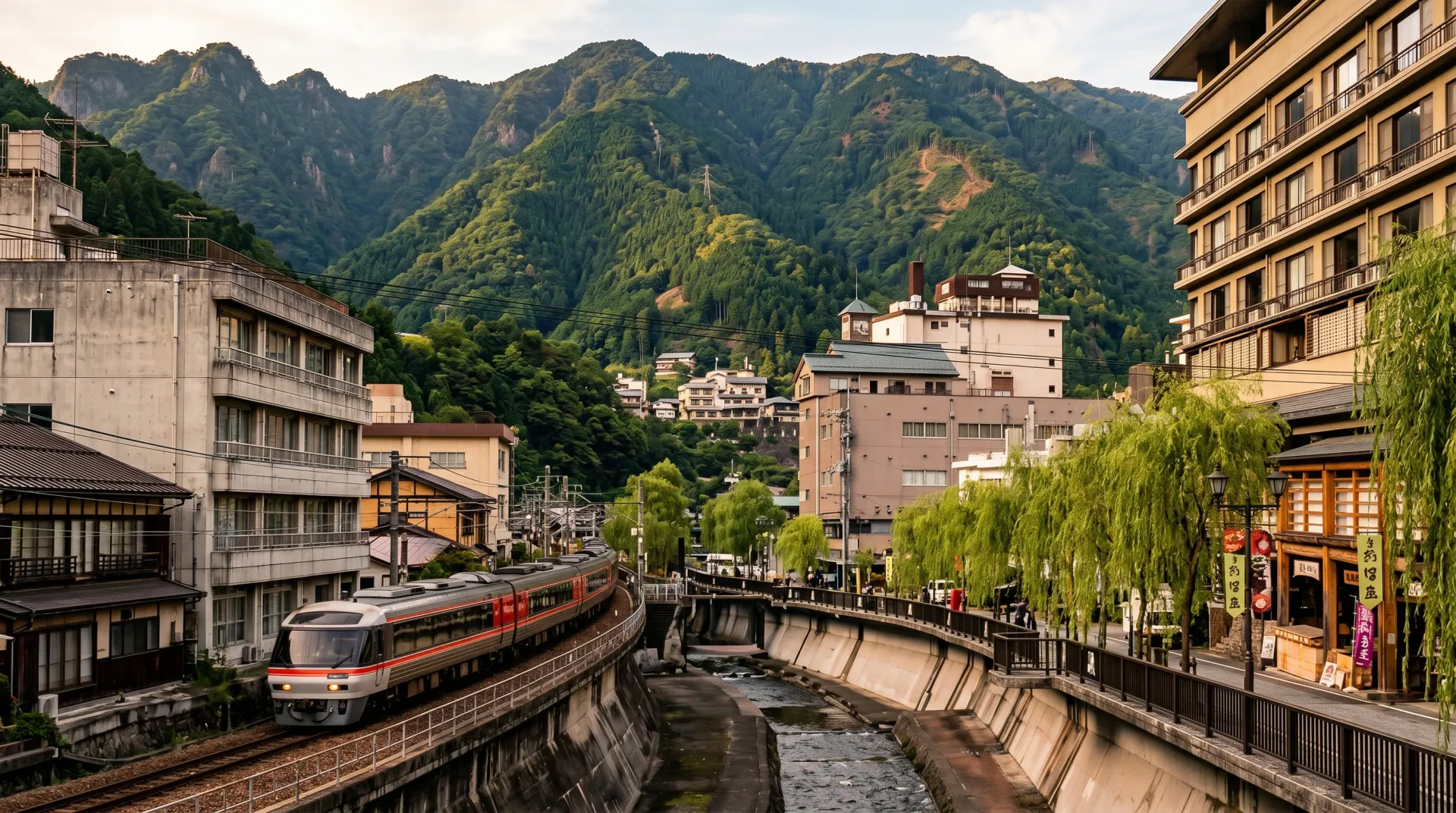
Warum Kagoshima
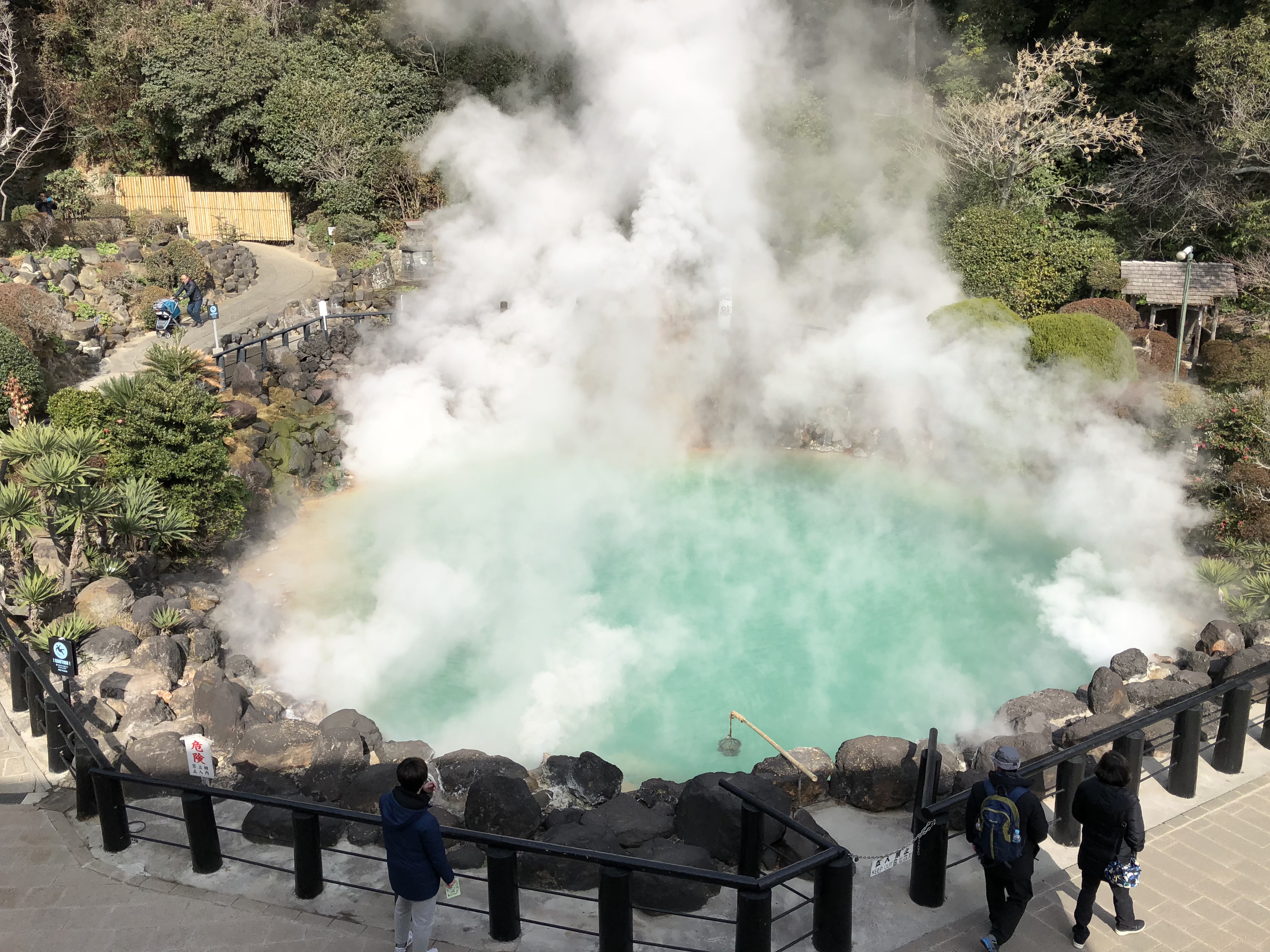
Kagoshima ist der Endpunkt der Route, weil Sakurajima vor der Bucht raucht und die Stadt trotzdem weiterlebt – Asche auf den Autodächern, Fähre alle fünfzehn Minuten, ¥250 die Überfahrt. Ankunftstag gehört dem Sengan-en-Garten, dem klassischen Blick auf den Vulkan, und abends schwarzem Kurobuta-Schwein in Tenmonkan. Der zweite Tag führt mit dem schwarz-weißen Tamatebako-Zug die Küste hinunter nach Ibusuki: im Saraku-Strandbad vergräbt man sich fünfzehn Minuten in fünfzig Grad heißen Vulkansand, isst Katsuo-Donburi gegenüber vom Bahnhof und ist nachmittags zurück. Am letzten Morgen, zur Öffnung, lohnt sich Sengan-en noch einmal – das Licht ist ein anderes.
10 Dinge zum Sehen und Erleben
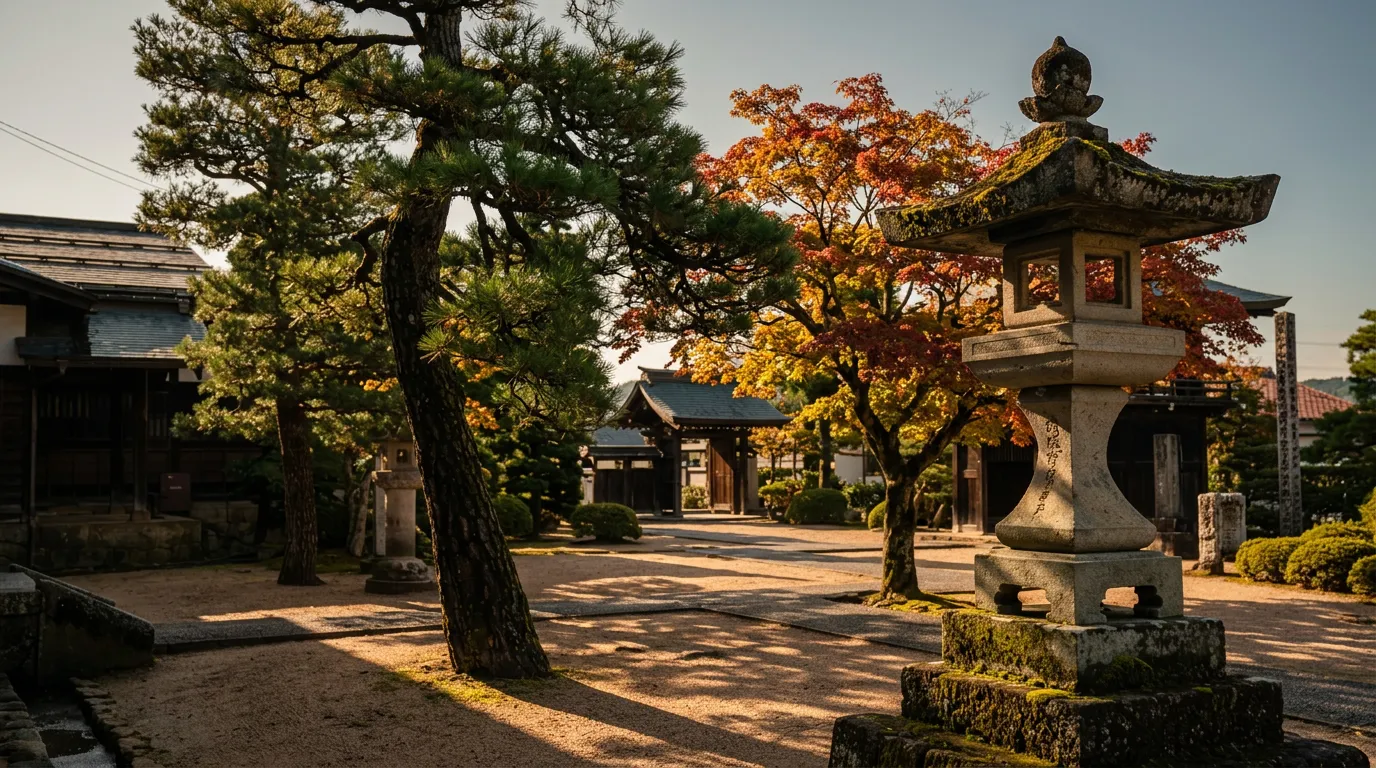 GeheimtippSengan-en (Iso-Garten)Ein Daimyō-Garten aus dem 17.
 GeheimtippChiringashima-SandbankEine Sandbrücke, die nur bei Ebbe zwischen der Satsuma-Halbinsel und der kleinen Insel Chiringashima auftaucht.GeheimtippSenganen MorgenbesuchDerselbe Garten wie an Tag 8, um 09:00, wenn er gerade geöffnet hat.ViertelTenmonkan-BummelDas größte Vergnügungs- und Einkaufsviertel im Süden Kyushus, ein Netz überdachter Arkaden rund um die Straßenbahnhaltestelle Tenmonkan-dōri.EssenIchiniisan Kurobuta-AbendessenTenmonkan · ¥4.800Tagesausflug · IbusukiSaraku-SandbadIbusuki · ¥2.100EssenAoba Katsuo-Donburi-MittagessenIbusuki · ¥1.800Tagesausflug · IbusukiChiringashima-Check (Gezeiten)Ibusuki · Frei
2 weitere Optionen zeigenWeniger Optionen zeigen
Übernachten in Kagoshima
BUDGET · CapsuleCABIN&LOUNGE HIGHLAND STATION INN KagoshimaBahnhof Kagoshima-Chuo · 1 Min zu FußModerne Kapsel direkt gegenüber dem Shinkansen-Ausgang. Sichtschutztüren, USB-Ladeanschlüsse, Schreibtischlampe. Das Gemeinschaftsbad fühlt sich außerhalb der Stoßzeiten privat an.¥4.500/NachtPreise ansehen ↗MITTEL · HotelJR Kyushu Hotel KagoshimaBahnhof Kagoshima-Chuo · angebautEmpfohlenDirekter Skywalk zum Bahnhof Kagoshima-Chuo. Moderne westliche Zimmer, Optionen mit Buchtblick. Das beste Kettenhotel-Buffet südlich von Fukuoka.¥14.500/NachtPreise ansehen ↗LUXUS · HotelSHIROYAMA HOTEL kagoshimaHügelkuppe · 10 Min mit dem HotelshuttleLage auf der Hügelkuppe, mit dem Postkartenblick auf den Sakurajima aus dem Onsen und dem Frühstücksraum im obersten Stock. Kostenloser Shuttle vom und zum Bahnhof alle 30 Minuten.¥36.000/NachtPreise ansehen ↗Mehr Routen wie diese
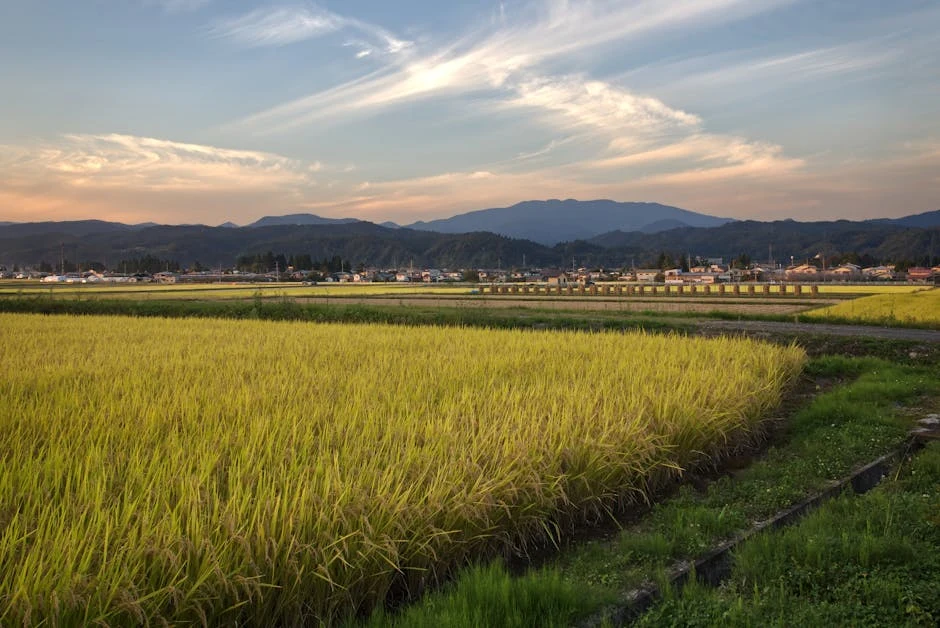 10 Tage·Wiederkehrende ReisendeZehn Tage Tohoku, Japans stiller NordenMatsushima-Bucht, der Klippentempel Yamadera, die Taishō-Zeit-Ryokan-Straße von Ginzan Onsen, das goldene Statue am Tazawa-See, das Samurai-Viertel von Kakunodate, die Nebuta-Festwagen von Aomori. Das Japan, das die Golden Route nie erreicht.
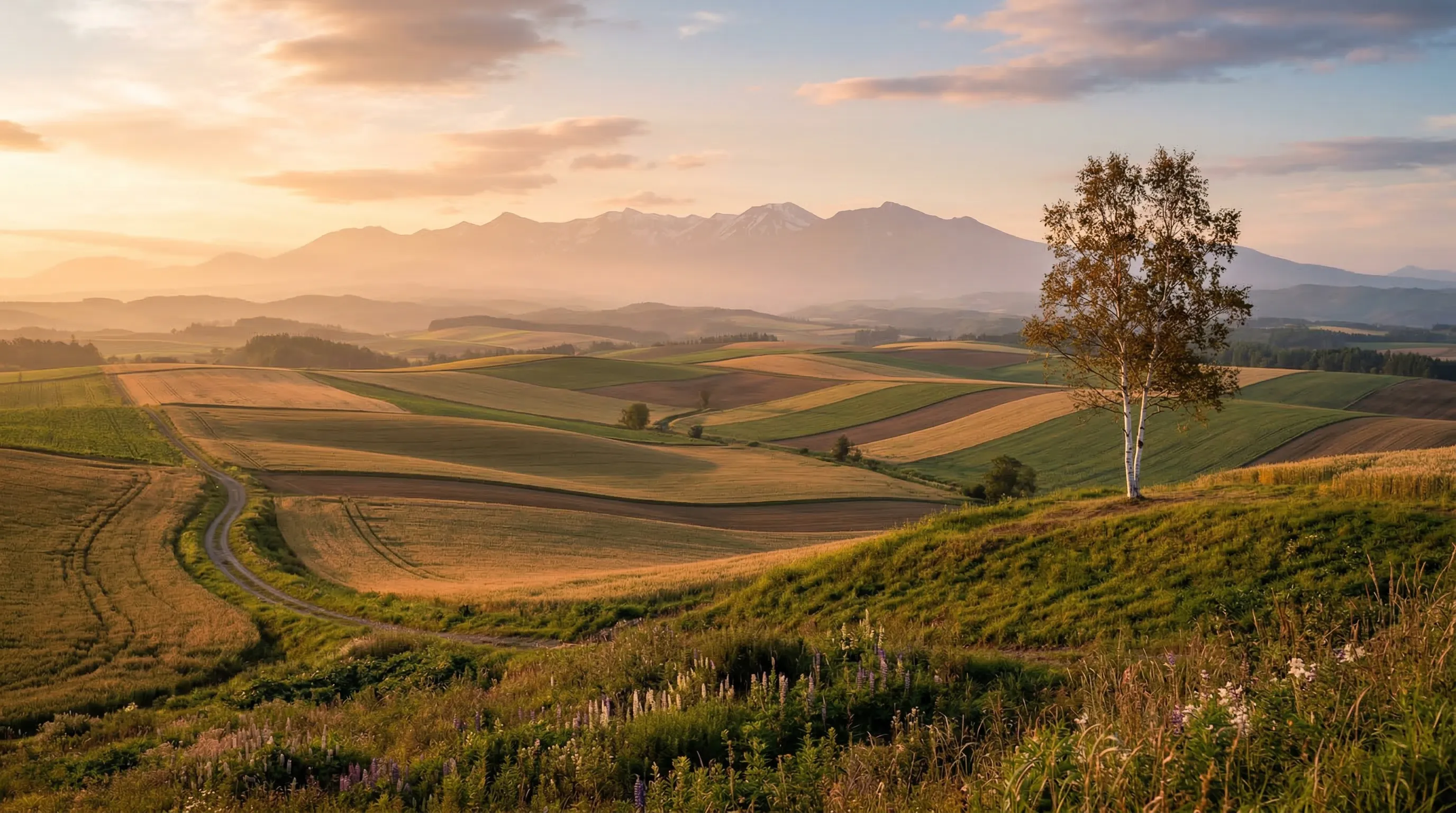 7 Tage·Wiederkehrende ReisendeSieben Tage Hokkaido: Schnee, Essen, NaturSapporo-Ramen und Bier, Otarus Kanalstadt, Noboribetsus Höllental-Onsen, Hakodates Top-Ten-Nachtblick. Japans nördliche Insel in einer straffen Woche.
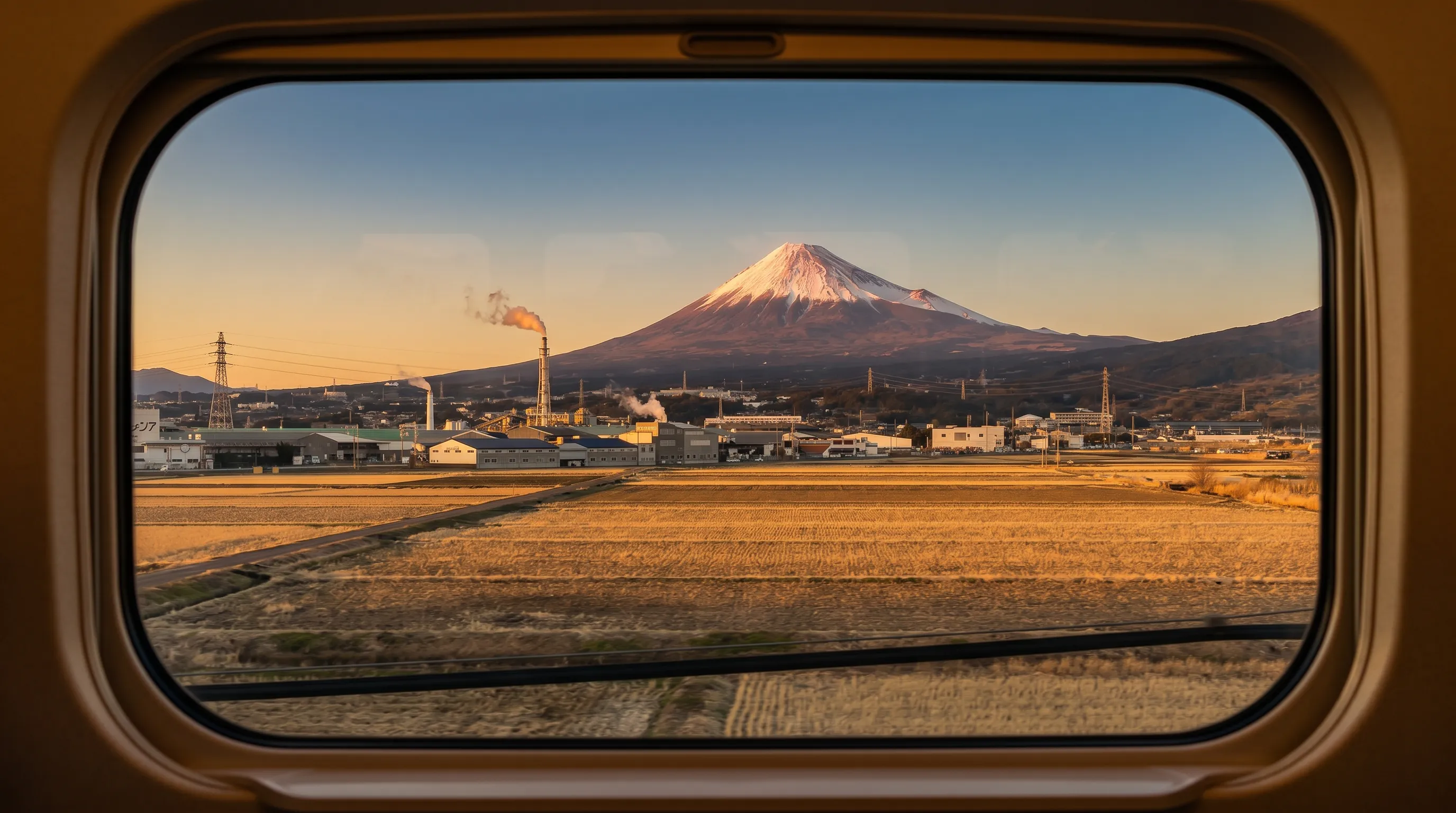 10 Tage·ErstbesucherZehn Tage Japan. Für ErstbesucherTokyo · Kyoto · Osaka · Hiroshima. Der klassische zehntägige Bogen, ohne Berg-Umweg. Dieselben großen drei, ein schwerer Tagesausflug, ausgeruht zu Hause.
Vor der Reise lesen
- Lohnt sich der JR Pass?Die Rechnung für eine Route wie diese, auf einer Seite.
- Zum ersten Mal ShinkansenNozomi, Hikari oder Kodama, Sitze, Gepäck.
- eSIM vor dem Abflug besorgenZu Hause einrichten, bei der Landung einschalten.
- Suica auf dem iPhoneIn Wallet hinzufügen, aufladen, durch jede Schranke.
- Vom Flughafen nach TokioNarita und Haneda: die Wege, die Sinn ergeben.
- Was eine Japanreise kostetEchte Zahlen für Flüge, Hotels, Essen und Züge.
- Bar oder Karte in JapanWie viel Yen du mitnimmst und wo Karten scheitern.
- Packliste JapanWas du mitnimmst, was du dort kaufst.