Zeven dagen Hokkaido: sneeuw, eten, natuur
Sapporo-ramen en bier, Otaru's kanaalstad, het hellevallei-onsen van Noboribetsu, Hakodate's top-tien-nachtuitzicht. Japans noordelijke eiland in een strakke week.
 Nick van der Blom
Waarom deze route
We bouwen de route op rond drie stops in het zuiden van Hokkaido: twee nachten Sapporo met een dagtripje naar Otaru, één nacht Noboribetsu Onsen, en twee nachten Hakodate, strak genoeg voor zeven dagen zonder gejaagd te voelen. Centraal Hokkaido laten we bewust weg; Furano en Daisetsuzan verdienen een aparte week. Let op het seizoen: zomer en winter geven elk een compleet ander karakter aan dezelfde route.
Waarom Sapporo
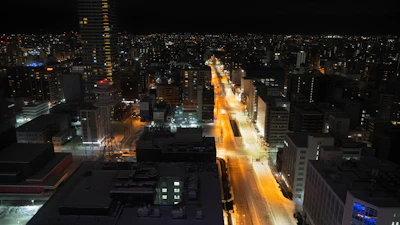
Sapporo opent de route als enige grote Japanse stad met een Amerikaans stadsraster, rechte straten, genummerde blokken, makkelijk te lopen. Begin de eerste avond in Ramen Yokocho, de overdekte steeg in Susukino waar zeventien toonbanken miso-ramen serveren; Aji-no-Sanpei is de uitvinder van het gerecht, en dat proef je. De volgende dag loopt van Hokkaido-jingū door de cederpaden van Maruyama Park naar het rode bakstenen brouwerijmuseum voor een tasting flight, en 's avonds jingisukan, lamsvlees op een koepelvormige ijzeren plaat. Reserveer de derde dag voor Otaru: dertig minuten met de trein, sushi langs de Sushi-yadōri bij opening, daarna het kanaal, de glasblazerij en het muziekdozenmuseum in de schemering.
16 dingen om te zien en te doen
Verborgen parelSapporo Beer Garden TowerDe oorspronkelijke fabriekslocatie van Sapporo Beer, met een biertuin-hal die de regionale specialiteit jingisukan serveert (lamsvlees, aan tafel gegrild op een koepelvormige ijzeren plaat).Verborgen parelSapporo zomerbiertuinenŌdori Park is het toneel van het Sapporo Summer Festival (laatste 3 weken van juli).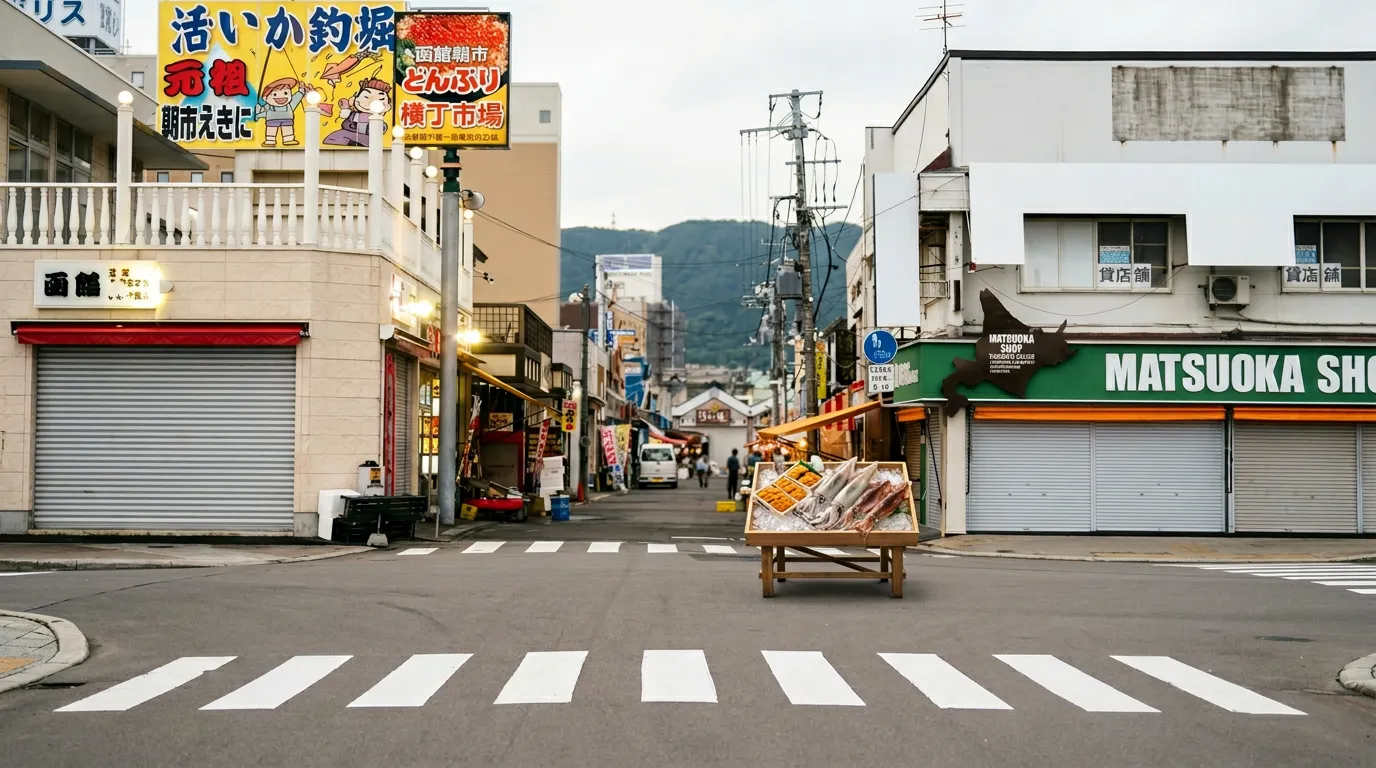 Verborgen parelSakaimachi noordeindeVoorbij het beroemde cluster van muziekdozen / glas / sushi loopt Sakaimachi nog 500 m verder naar het noorden, met rustigere gerestaureerde pakhuizen, kleine kunstgaleries en de oorspronkelijke haringhandelaarswoningen uit 1893.Niet missenŌdori Park + TV Tower wandelingSapporo · Gratis
 EtenRamen Yokocho dinerSusukino · ~¥1.200Niet missenHokkaido-jingūMaruyama · GratisNiet missenMaruyama Park wandelingMaruyama · GratisNiet missenOud RegeringsgebouwSapporo · Gratis
Toon 8 extra optiesToon minder opties
Niet missenKlokkentoren-fotoSapporo · GratisBuurtCurb Market snuffelenSapporo Stn · GratisEtenSusukino jingisukan-dinerSusukino · ~¥3.500EtenSushi-yadōri lunchOtaru · ~¥3.000Dagtrip · OtaruKanaalwandelingOtaru · GratisDagtrip · OtaruKitaichi Glass + stoomklokSakaimachi · GratisDagtrip · OtaruMuziekdozenmuseumOtaru · GratisDagtrip · OtaruTerug in Sapporo · licht dinerSapporo · ~¥1.500Waar slapen in Sapporo
BUDGET · Capsule9h nine hours Sapporo SusukinoSusukino · 5 min metro naar Sapporo StnModerne capsule midden in de uitgaanswijk. Witte minimalistische pods, zonsopgangsimulatie. De Ramen Yokocho-steeg is 4 min lopen.¥4.500/nachtBekijk tarieven ↗MIDDEN · HotelJR Tower Hotel Nikko SapporoSapporo Station · aangebouwdAanbevolenHotel van JR, direct boven Sapporo Station. Het efficiëntst voor aankomst en vertrek. Kamers groter dan de opties in Susukino.¥15.500/nachtBekijk tarieven ↗LUXE · HotelCross Hotel SapporoTussen Susukino en Sapporo StnModern luxe-businesshotel halverwege station en uitgaansleven. Onsen op de bovenste verdieping, beide op loopafstand. De premium standaardkeuze in Sapporo.¥28.000/nachtBekijk tarieven ↗Waarom Noboribetsu Onsen
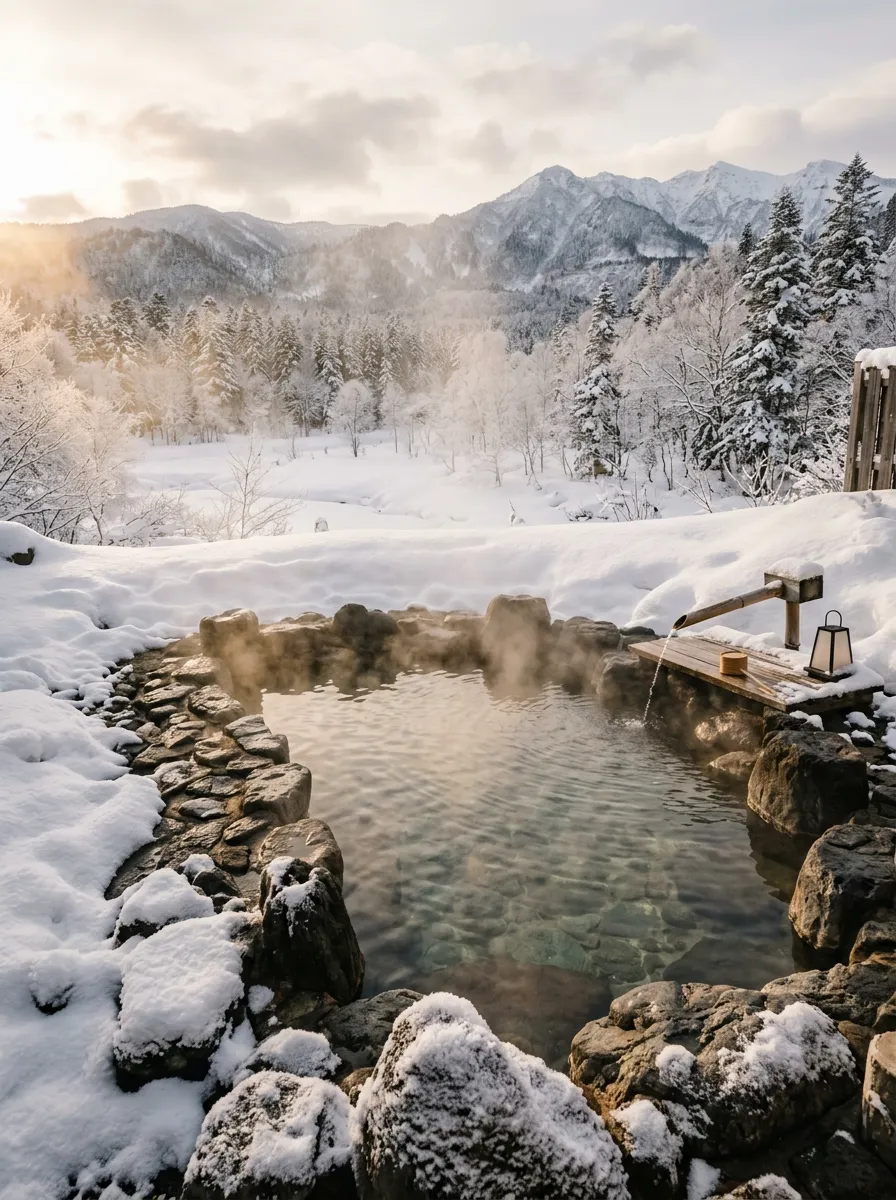
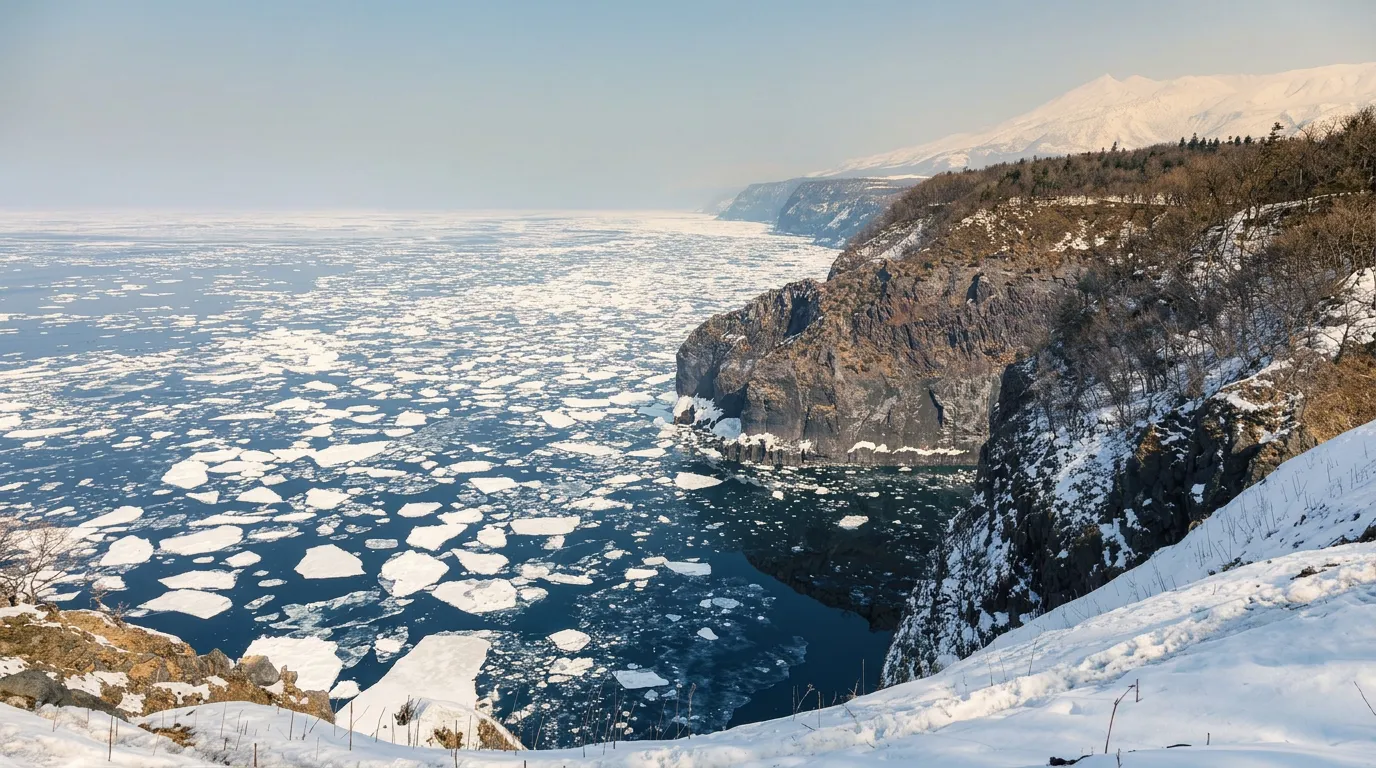
Noboribetsu staat op de route omdat nergens in Japan de aarde zo openlijk haar aard laat zien. De trein vanuit Sapporo volgt de Pacifische kust, en niet veel later loop je door een dorp dat letterlijk boven negen mineraalbronnen is gebouwd. Geef voorrang aan Jigokudani: het boardwalk rond de dampende krater is in de schemering op zijn best, wanneer het zwavellicht de rook oranje kleurt en de meeste dagbezoekers al vertrokken zijn. Wie daarna nog niet genoeg heeft van het water, koopt een dagpas bij Daiichi Takimotokan en baadt door zeven verschillende bronnen in één complex. Eén nacht in een ryokan met kaiseki-diner is hier precies genoeg.
3 dingen om te zien en te doen
Waar slapen in Noboribetsu Onsen
BUDGET · RyokanTakimoto InnNoboribetsu Onsen centrumCompacte ryokan, verbonden met het beroemde badhuis Daiichi Takimotokan; gasten hebben gratis toegang. Standaard tatamikamers, baden uit meerdere bronnen.¥16.000 pp · kaiseki + ontbijt/nachtBekijk tarieven ↗MIDDEN · RyokanBourou Noguchi NoboribetsuNoboribetsu Onsen bovendorpAanbevolenBoetiek-ryokan met 19 kamers, allemaal met eigen rotenburo buiten. Meergangen-kaiseki aan tafel geserveerd. De middenklasse-standaard van Noboribetsu.¥32.000 pp · kaiseki + ontbijt/nachtBekijk tarieven ↗LUXE · RyokanDaiichi TakimotokanNoboribetsu Onsen · direct boven JigokudaniDe grande dame van Noboribetsu: 400 kamers, het oorspronkelijke zeven-badencomplex, meerdere eigen restaurants. Premium suites met rivierzicht hebben een eigen rotenburo buiten.¥48.000 pp · kaiseki + ontbijt/nachtBekijk tarieven ↗Waarom Hakodate
Hakodate staat op de route omdat het Hokkaido's meest gelaagde stad is: een negentiende-eeuwse havenplaats die er nog steeds zo uitziet. Kom vroeg aan, loop direct naar Motomachi (de houten zendingshuizen, de Orthodoxe Kerk en het Britse consulaat staan er nagenoeg onveranderd bij) en rijd in de schemering met de kabelbaan naar de top van de berg. Hakodate ligt op een landengte, en dat zie je: twee donkere watervlakken met de stad als lichtgevende band ertussenin. De volgende ochtend ga je vroeg naar de Asaichi, waar een levende inktvis aan tafel wordt gesneden en nog van kleur verschiet terwijl je eet. Sluit de ochtend af bij Goryōkaku, het stervormige fort dat je vanuit de toren pas echt begrijpt.
11 dingen om te zien en te doen
Verborgen parelRussisch-Orthodoxe KerkDe Russisch-Orthodoxe Kerk van Hakodate uit 1859 is het oudste nog staande Russisch-orthodoxe bouwwerk van Japan.Verborgen parelGoryōkaku sakura-timingDe 1.600 kersenbomen van Goryōkaku bloeien in de eerste week van mei, het laatst van alle grote sakura-plekken in Japan, na Hirosaki in Aomori.Verborgen parelShin-Hakodate ekiben-halDe ekibenwinkel op 2F van het station heeft 30 regionale bento-opties.BuurtMotomachi-wijkwandelingMotomachi · GratisNiet missenMt Hakodate kabelbaanHakodate · ¥1.800EtenAsaichi ochtendmarktHakodate · GratisEtenIroha levende inktvis-sashimiAsaichi · ¥1.800BuurtGoryōkaku-fortwandelingGoryōkaku · GratisToon 3 extra optiesToon minder opties
Waar slapen in Hakodate
BUDGET · HotelToyoko Inn Hakodate Eki-mae AsaichiHakodate Station · 5 min lopenStandaard Toyoko Inn, recht tegenover de ochtendmarkt. Gratis ontbijt, op loopafstand van Motomachi en de tram.¥7.500/nachtBekijk tarieven ↗MIDDEN · HotelLa Vista Hakodate BayAan de baai · 10 min lopen naar MotomachiAanbevolenModern boetiekhotel met een beroemde openlucht-rotenburo op de bovenste verdieping, met uitzicht over de baai van Hakodate. Het signature-verblijf als Motomachi de prioriteit is.¥15.500/nachtBekijk tarieven ↗LUXE · HotelHotel BansoMotomachi-helling · tussen de westerse huizenKlein luxe boetiekhotel in een gerestaureerd houten gebouw uit 1909 op de helling van Motomachi. 14 kamers, eigen restaurant van een voormalige kaiseki-chef uit Kyoto. De premium optie in Hakodate voor één bijzondere nacht.¥32.000/nachtBekijk tarieven ↗Meer routes zoals deze
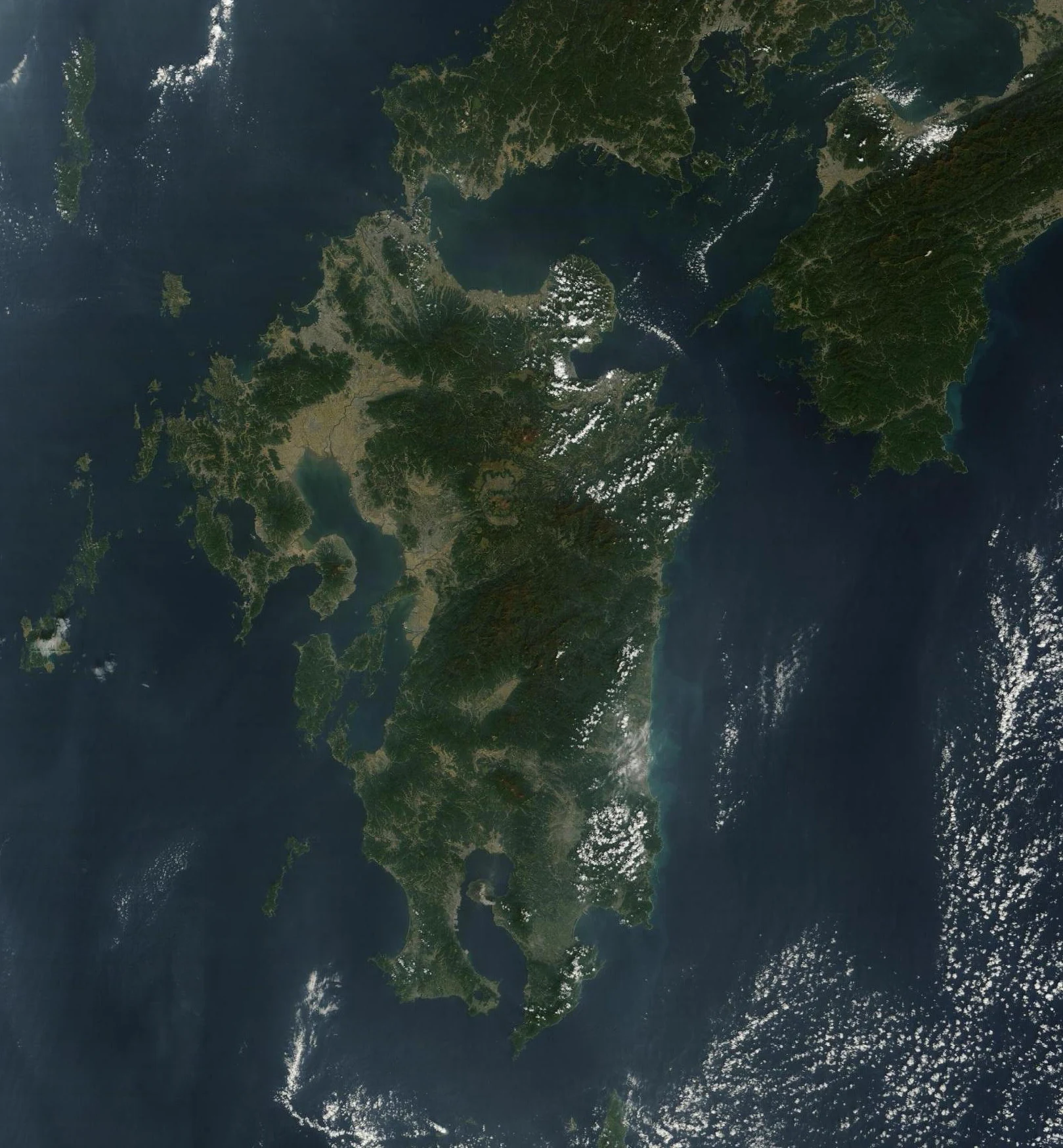 10 dagen·Terugkerende reizigersTien dagen Kyushu, het verborgen eilandFukuoka-yatai, haven van Nagasaki, een actieve vulkaancaldera, het ryokan-dorp Kurokawa, het mistige meer van Yufuin, Sakurajima rokend aan de overkant van de baai. Het Japan dat de meeste reizigers missen.
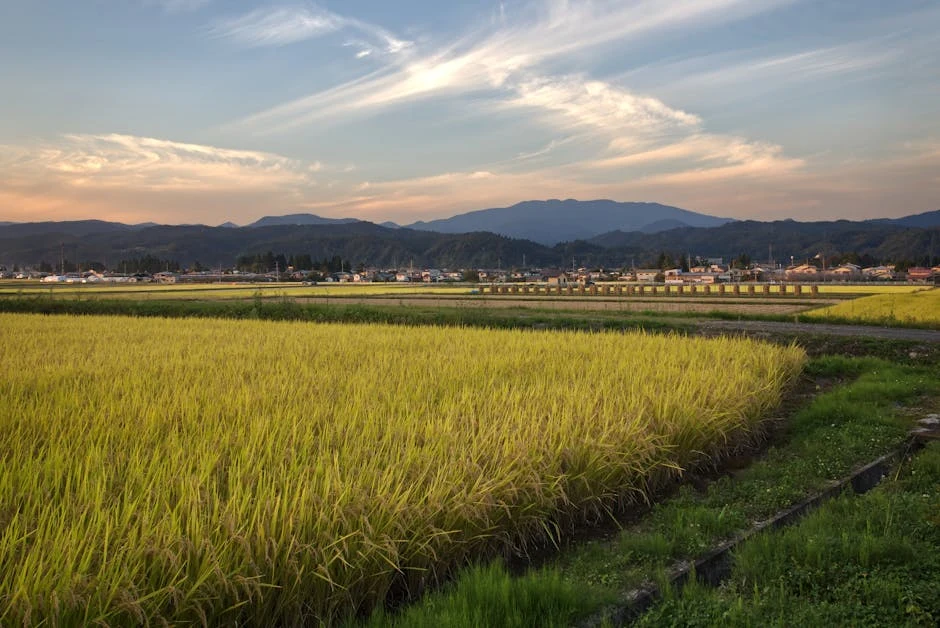 10 dagen·Terugkerende reizigersTien dagen Tohoku, het stille noorden van JapanMatsushima-baai, de Yamadera-rotstempel, de Taishō-tijdperk-ryokanstraat van Ginzan Onsen, het gouden beeld van het Tazawa-meer, de samoeraiwijk van Kakunodate, de Nebuta-praalwagens van Aomori. Het Japan dat de Golden Route nooit bereikt.
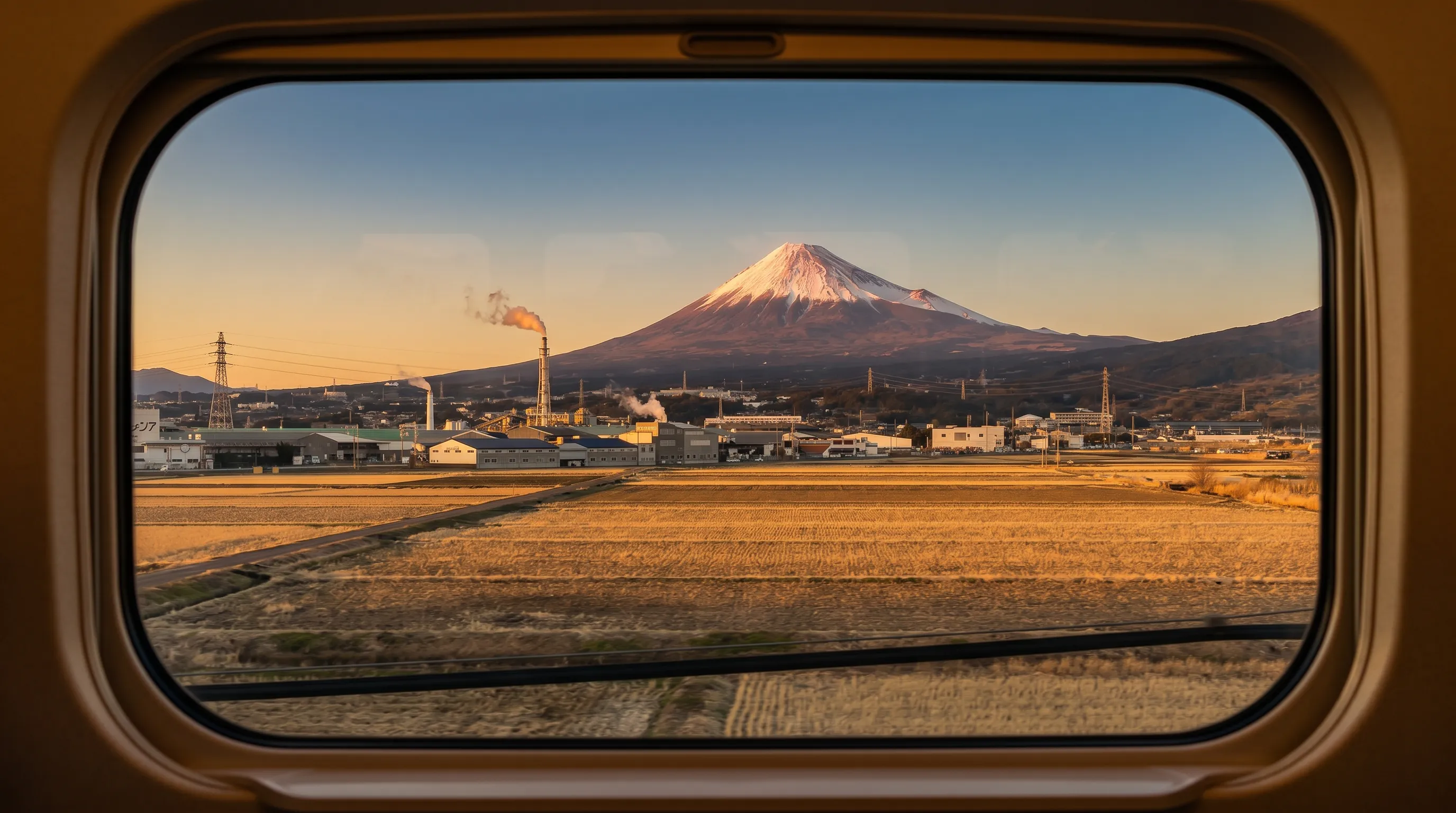 7 dagen·Eerste keerZeven dagen Japan, eerlijkEén week is te kort. Dus we schrappen een stad. Tokyo en Kyoto, fatsoenlijk gedaan, in plaats van drie steden afraffelen.
Lees dit voor je vertrekt
- Is de JR Pass het waard?Het rekensommetje voor een route als deze, op één pagina.
- Voor het eerst met de ShinkansenNozomi, Hikari of Kodama, stoelen, bagage.
- Regel je eSIM voor je vliegtThuis instellen, aanzetten bij landing.
- Suica op je iPhoneToevoegen in Wallet, opwaarderen, door elk poortje.
- Van het vliegveld naar TokyoNarita en Haneda: de routes die logisch zijn.
- Wat een Japanreis kostEchte cijfers voor vluchten, hotels, eten en treinen.
- Cash of pas in JapanHoeveel yen je meeneemt en waar kaarten falen.
- Inpaklijst JapanWat je meeneemt, wat je daar koopt.