Japanse natuur

73% van Japan is beboste berg; de meeste reizigers zien alleen de steden. Hier is de natuur die écht toegankelijk is zonder gids.

73% van Japan is beboste berg; de meeste reizigers zien alleen de steden. Hier is de natuur die écht toegankelijk is zonder gids.

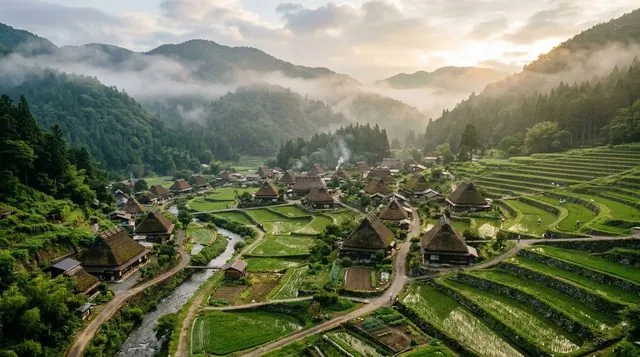
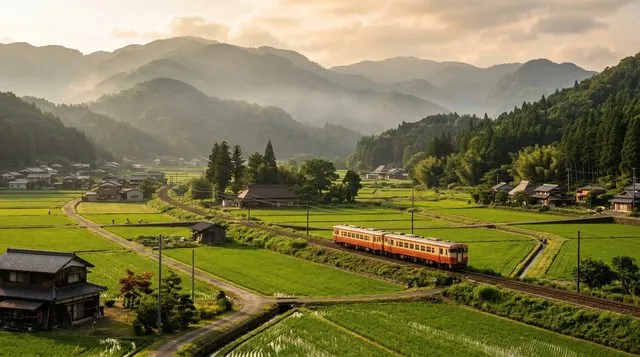
Japan is een van de meest bergachtige landen ter aarde: drie-kwart van het landoppervlak is bebost terrein, veel ervan vulkanisch, veel ervan nationaal park. De steden zitten in een dunne kustband; al het andere is bergen, valleien, kloven, hot springs en stranden. Het transitnetwerk reikt dieper de natuur in dan in de meeste landen, wat betekent dat je een serieuze berg-day-trip vanuit Tokio of Kyoto kan doen zonder auto.

De vier flagship nationale parken

  • Daisetsuzan (Hokkaido): Japans grootste nationaal park, alpine plateau in centraal Hokkaido. Asahidake-kabelbaan, hot-spring dorpen, koyo eerst in Japan eind september.
  • Kamikochi (Chubu): alpine vallei in de noordelijke Alpen, toegankelijk 15 apr – 15 nov. Houten hangbruggen, rivierwandelingen, geen auto’s toegestaan.
  • Yakushima (Kyushu): UNESCO sub-tropisch regenwoud-eiland. Jomon-sugi ceder (~3.000 jaar oud), Mononoke-no-Mori geïnspireerd door Studio Ghibli.
  • Iriomote (Okinawa): wild jungle-eiland, mangrove-rivieren, de enige plek om de bedreigde Iriomote-kat te zien.

Day-trip-bare natuur vanuit grote steden

  • Vanuit Tokio: Mt. Takao (¥440 retour, 1 uur vanuit Shinjuku), Hakone (Owakudani-vulkaan), Nikko (Kegon-waterval + Lake Chuzenji).
  • Vanuit Kyoto: Arashiyama bamboebos + Sagano scenic railway, Kibune bergstroom-restaurants.
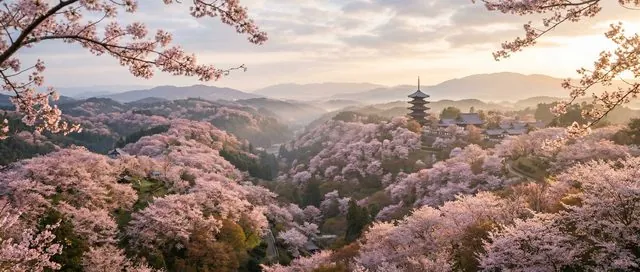
  • Vanuit Osaka: Koyasan (heilige boeddhistische berg), Mt. Yoshino (kersenbloesem-berg).
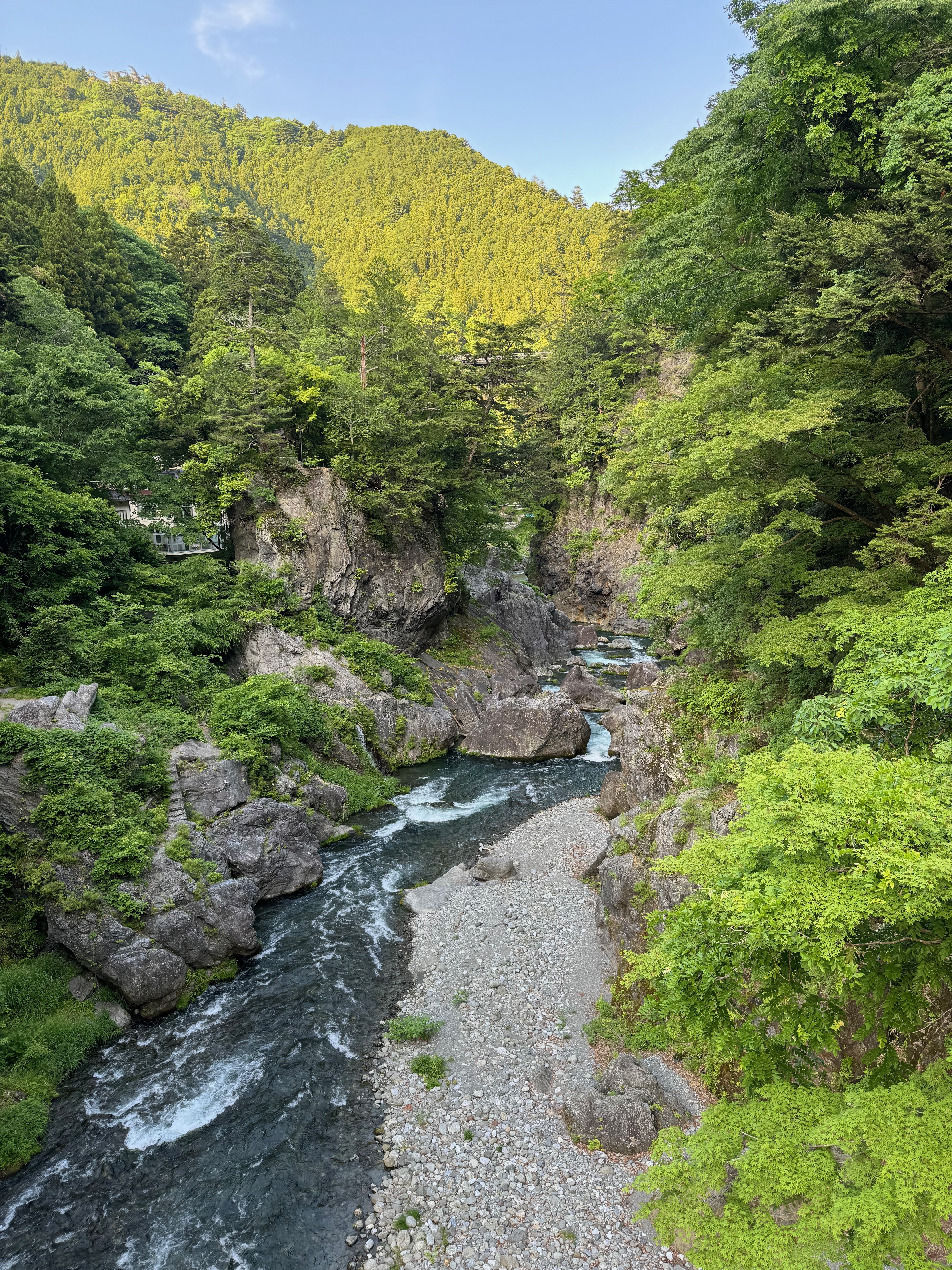
  • Vanuit Hiroshima: Sandankyo-kloof, Miyajima Mt. Misen.
  • Vanuit Sapporo: Jozankei onsen-vallei, Lake Shikotsu.

Wandel-infrastructuur

Paden zijn goed gemarkeerd, berghutten zijn schoon en draaien op een reserveringssysteem (¥9.000–12.000/nacht met twee maaltijden). Mt. Fuji’s officiële klimperiode is 1 juli – 10 september; daarbuiten zijn de paden gesloten en gevaarlijk. Meerdaagse wandelingen op de Kumano Kodo (Wakayama) en Nakasendo (Chubu) routes zijn buitenlanders-vriendelijk met Engelse bewegwijzering.

Stranden

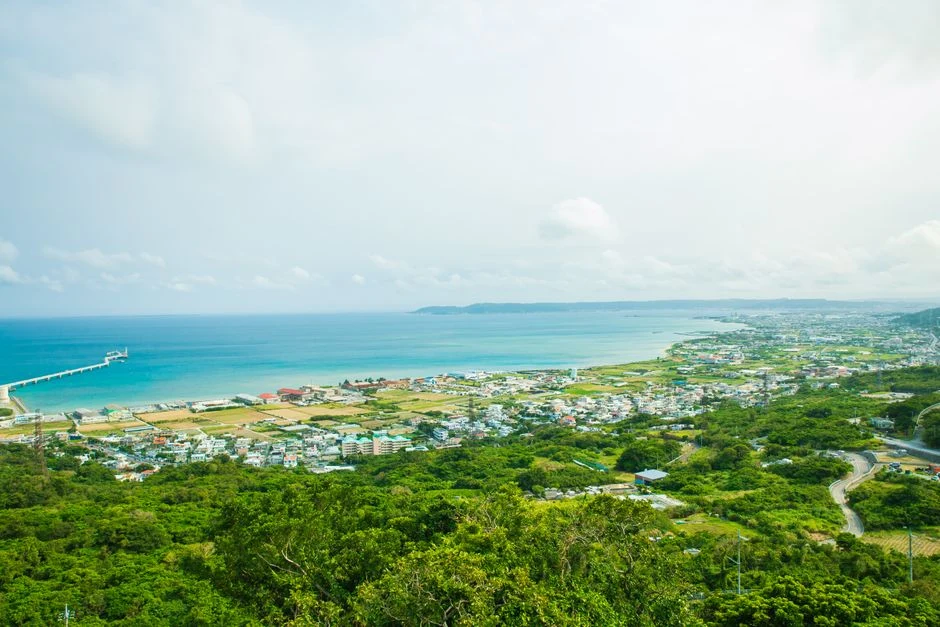
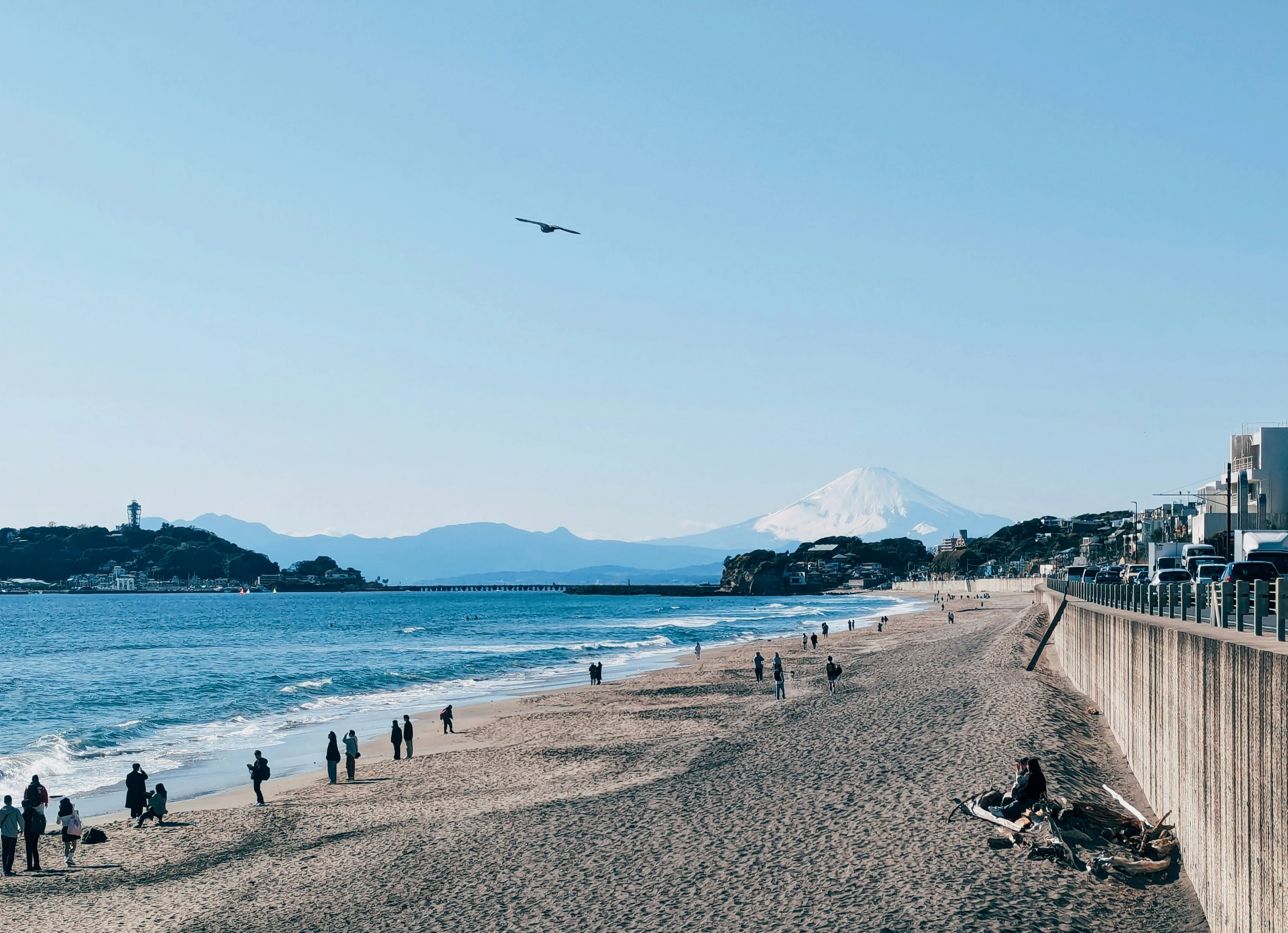
Okinawa heeft de tropische stranden (Miyako, Ishigaki). Mainland Japan heeft goede surfing- en Pacific-stranden (Shonan, Chiba), en de Japanse-Zee-kant (Niigata, Tottori) heeft de lege eindeloze stranden waar Japanse reizigers heen gaan.

Vulkanisch / hot-spring landschappen

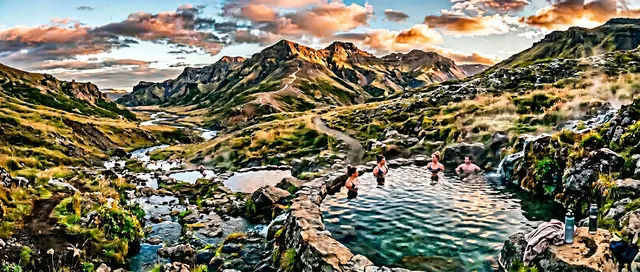
Aso (Kyushu): berijdbare caldera 25 km breed. Sakurajima (Kagoshima): actieve vulkaan op een stadsstoep. Owakudani (Hakone): zwavelige vallei waar je een kabelbaan over kan rijden. Daisetsuzan (Hokkaido): alpine hot-springs boven de boomgrens.
Topkeuzes

Best beaches in Okinawa
Lijst

Best beaches in Okinawa

The best beaches in Okinawa, sorted by whether you can drive, need a ferry or need a second flight. With swimming seasons and the jellyfish-net dates.

Best beaches in Japan
Lijst

Best beaches in Japan

The best beaches in Japan run from Iwate to the subtropics. Eleven picks, and the eight-week swimming season that governs every one of them.

The best hikes in Japan, sorted by difficulty
Praktische Gids

The best hikes in Japan, sorted by difficulty

Four honest tiers, from half-day walks near Tokyo to multi-day pilgrim routes. Pick by fitness and season, not by whatever a generic list puts first.

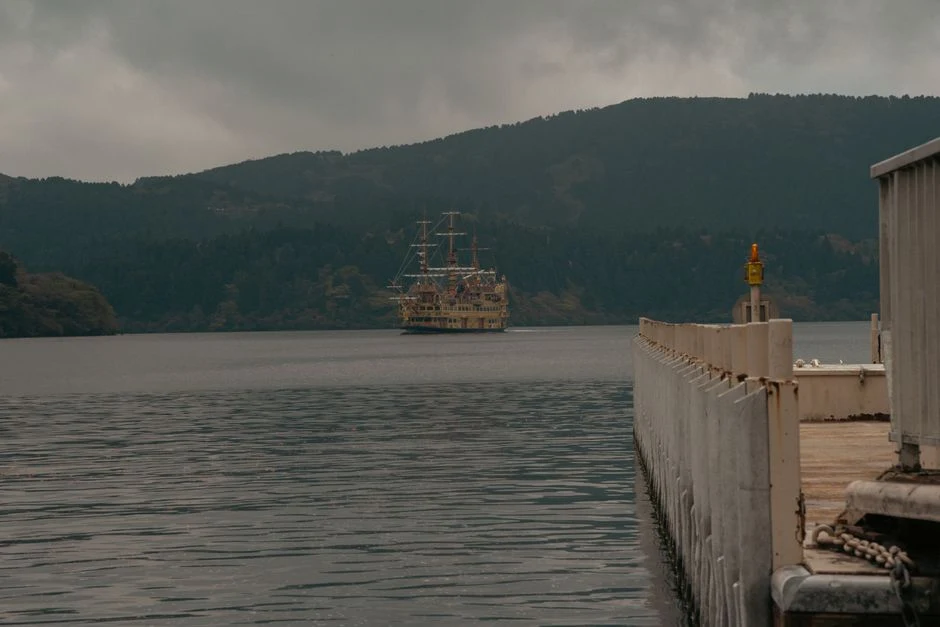
Hakone day trip from Tokyo: the reverse-loop plan
Bestemming

Hakone day trip from Tokyo: the reverse-loop plan

Plan a Hakone day trip from Tokyo: ~80 min from Shinjuku, the Freepass math, and why running the sightseeing loop backwards beats the tour-bus crowds.

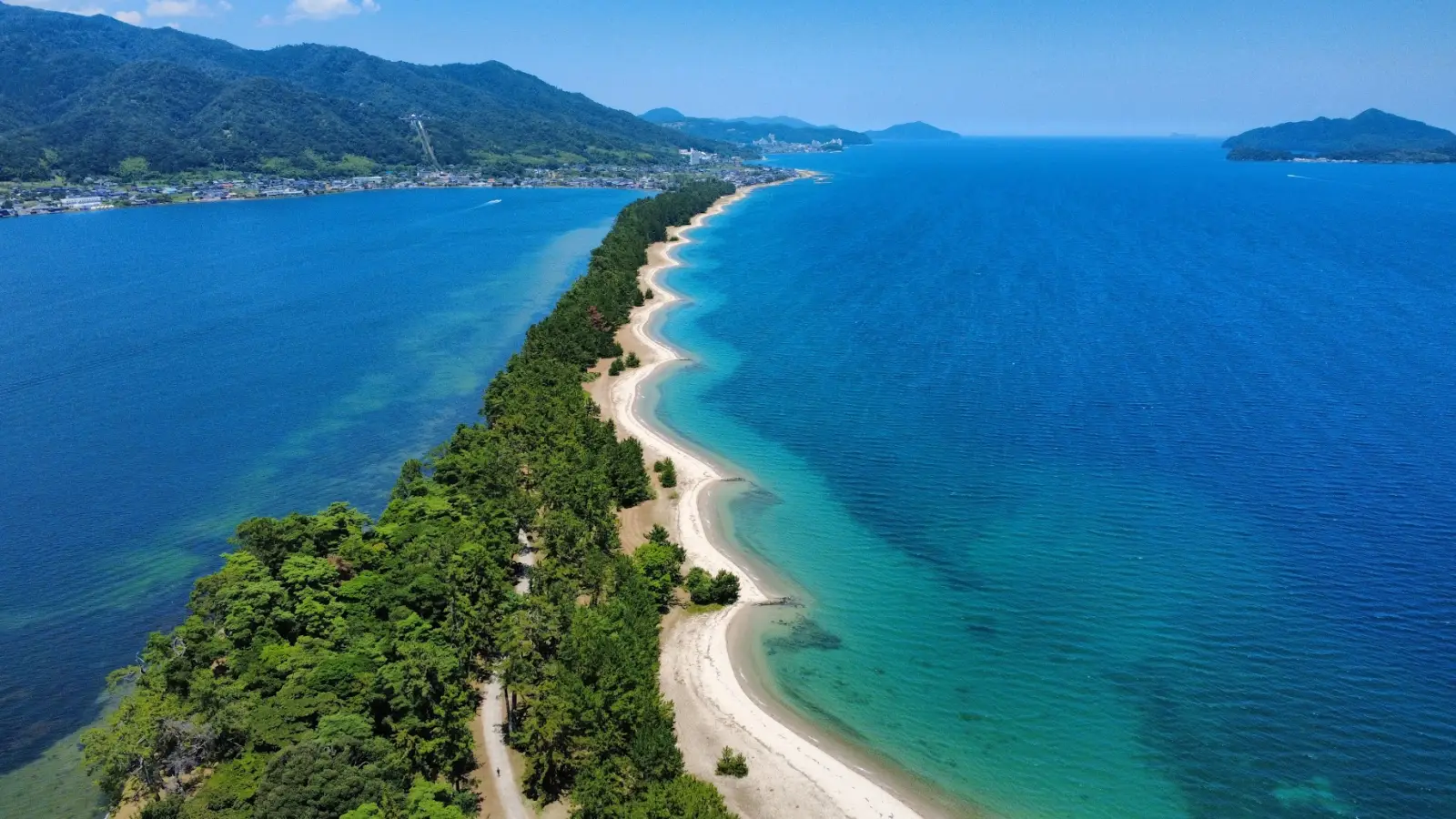
Amanohashidate
Bestemming

Amanohashidate

A 3.6-km pine-lined sandbar across Miyazu Bay, one of Nihon Sankei. Cross by foot or bike, then view it upside-down from Kasamatsu Park.

Alle artikelen over Japanse natuur

Best beaches in Okinawa
Lijst

Best beaches in Okinawa

The best beaches in Okinawa, sorted by whether you can drive, need a ferry or need a second flight. With swimming seasons and the jellyfish-net dates.

Best beaches in Japan
Lijst

Best beaches in Japan

The best beaches in Japan run from Iwate to the subtropics. Eleven picks, and the eight-week swimming season that governs every one of them.

The best hikes in Japan, sorted by difficulty
Praktische Gids

The best hikes in Japan, sorted by difficulty

Four honest tiers, from half-day walks near Tokyo to multi-day pilgrim routes. Pick by fitness and season, not by whatever a generic list puts first.

Hakone day trip from Tokyo: the reverse-loop plan
Bestemming

Hakone day trip from Tokyo: the reverse-loop plan

Plan a Hakone day trip from Tokyo: ~80 min from Shinjuku, the Freepass math, and why running the sightseeing loop backwards beats the tour-bus crowds.

Amanohashidate
Bestemming

Amanohashidate

A 3.6-km pine-lined sandbar across Miyazu Bay, one of Nihon Sankei. Cross by foot or bike, then view it upside-down from Kasamatsu Park.

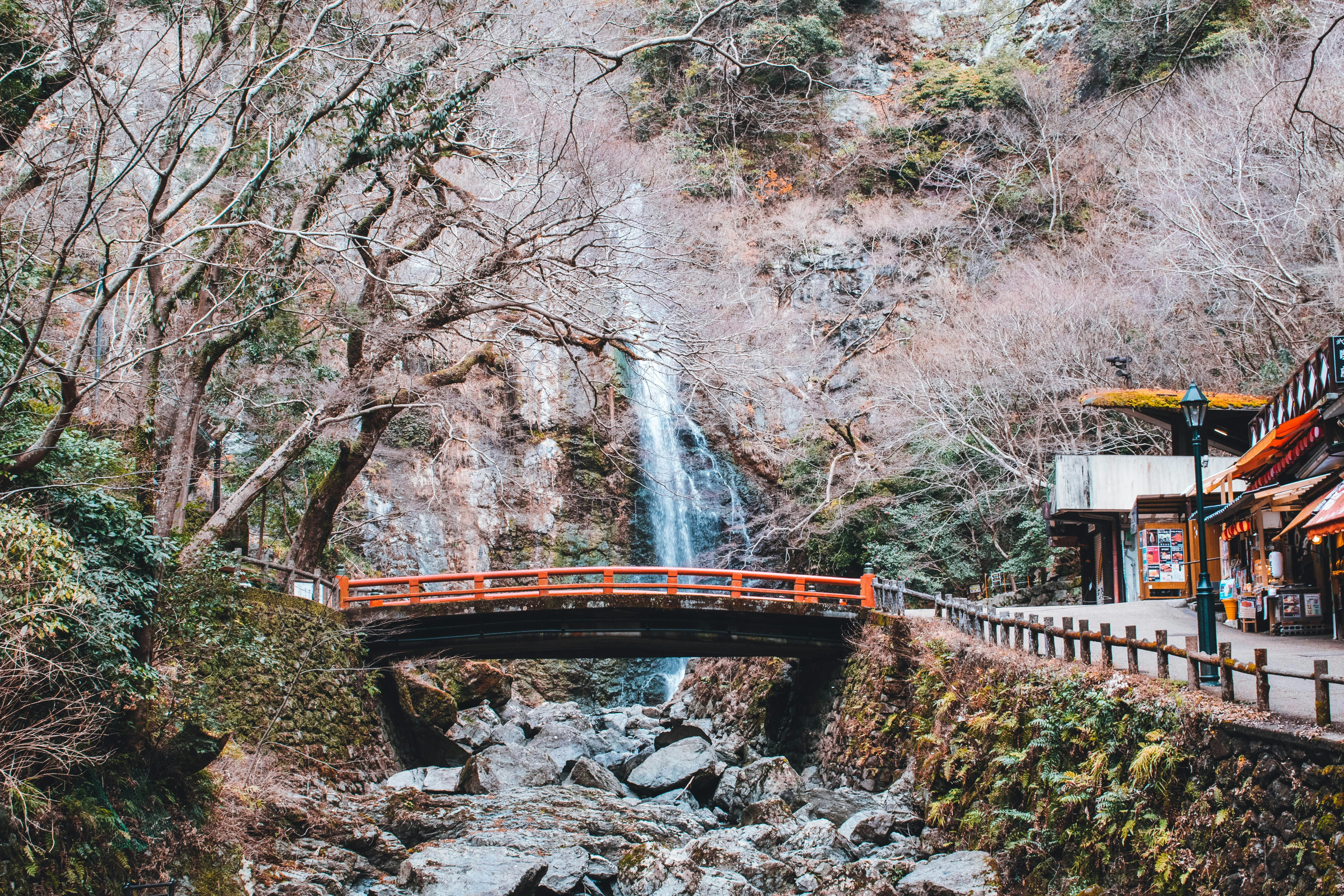
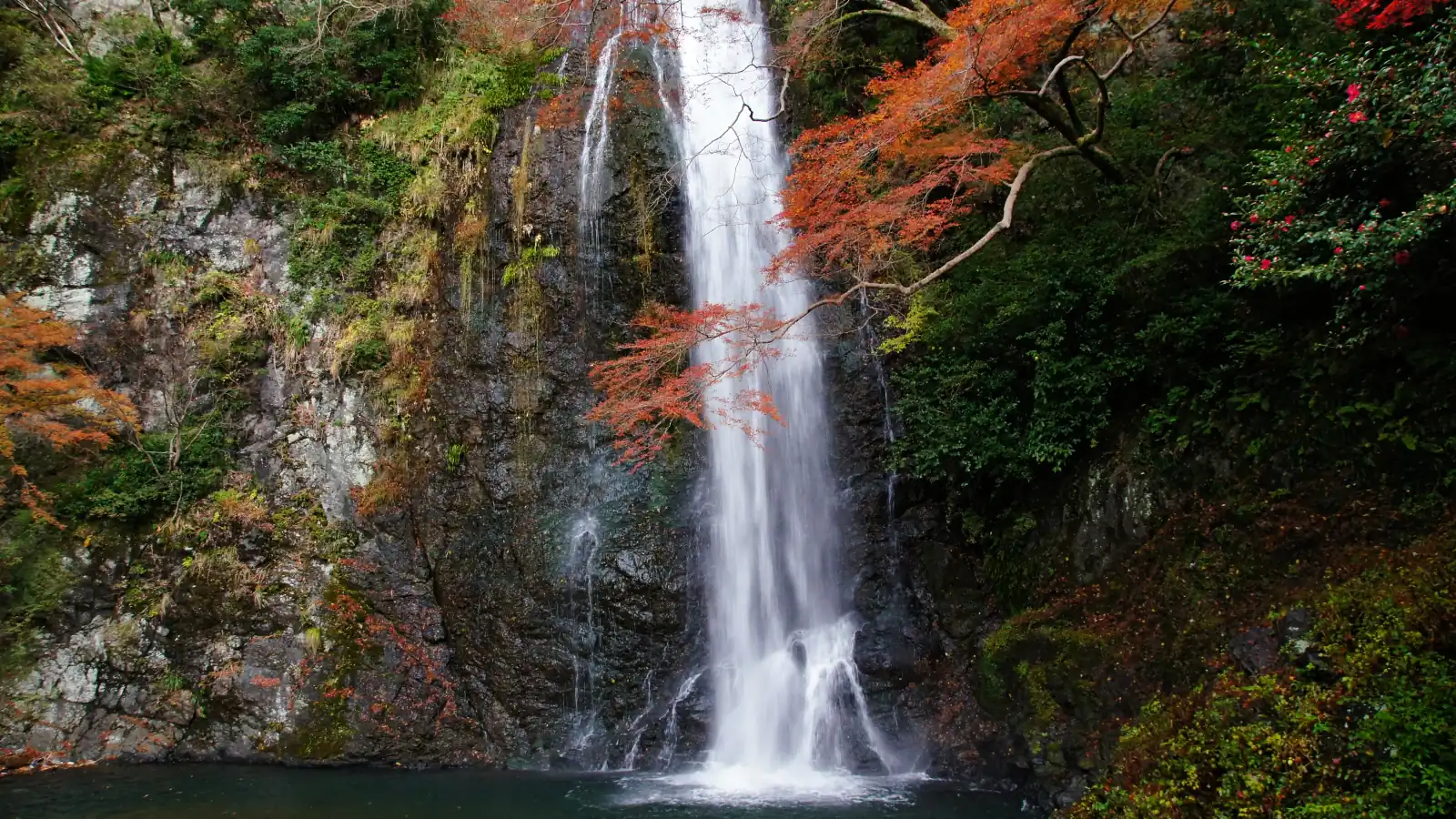
Minoh Falls
Bestemming

Minoh Falls

A 33-metre waterfall at the end of a 3 km forest trail, 25 minutes from Umeda on the Hankyu line. Busiest in mid-November, quietest in February.

Takachiho
Stadsgids

Takachiho

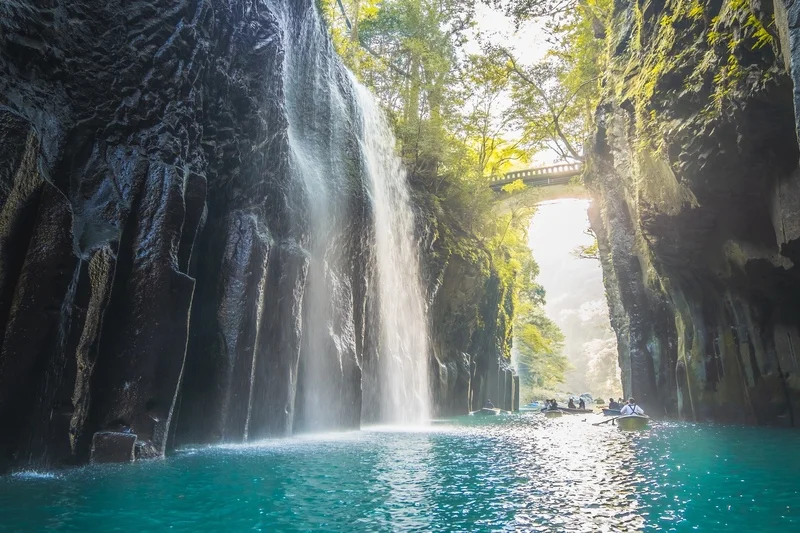
Rowboats under Manai Falls, the cave where Amaterasu hid, and a nightly masked dance acting out Shinto myth. Three hours inland from Kumamoto.

Takachiho Gorge
Bestemming

Takachiho Gorge

Glide a rowboat past Manai Falls in Miyazaki's volcanic Takachiho Gorge. How to get there from Kumamoto, what to expect, and when to skip the queue.

Aoyama Cemetery
Bestemming

Aoyama Cemetery

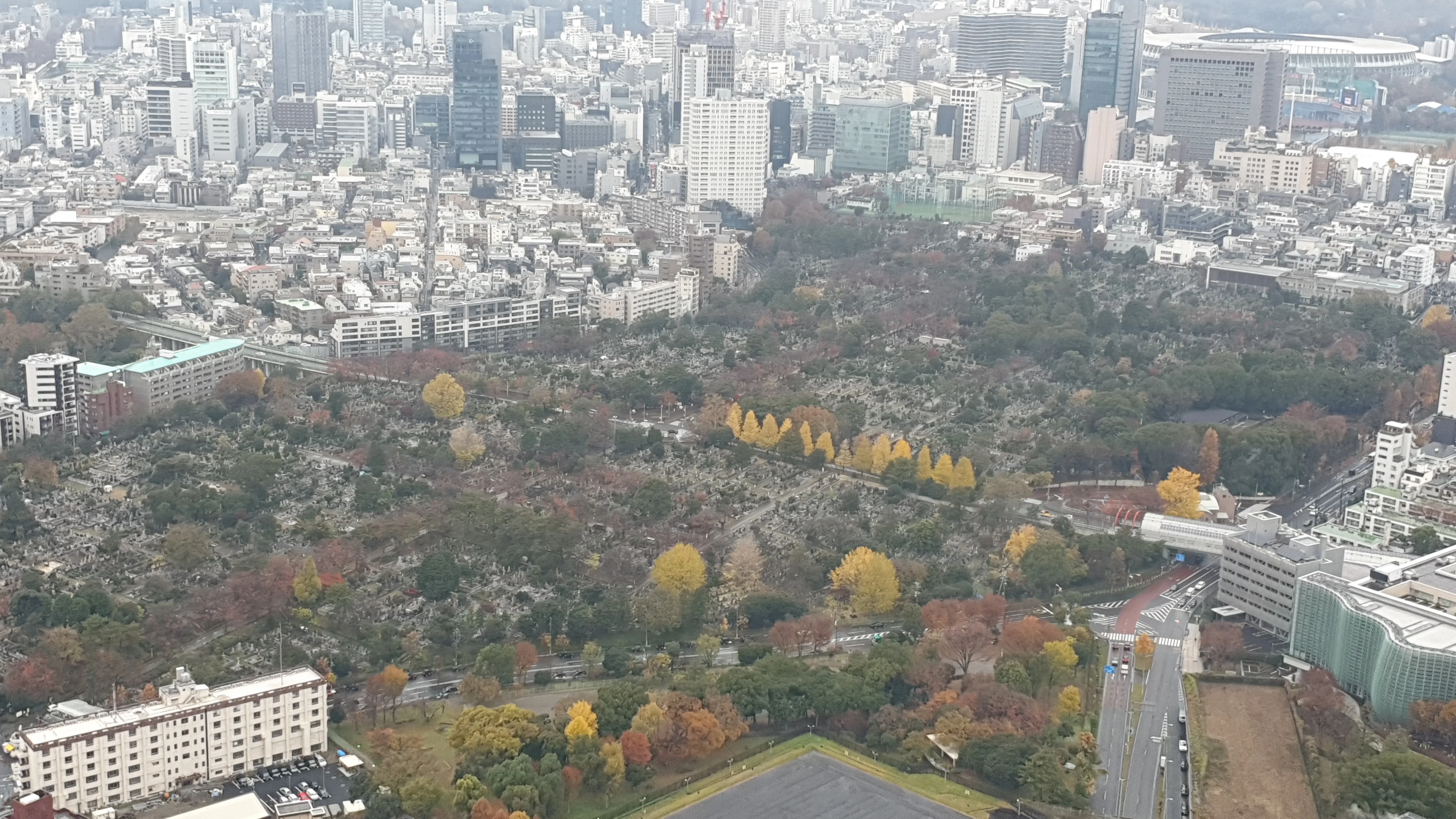
Tokyo's 1872 public cemetery: an 800m cherry-tree avenue in late March, Hachiko's owner buried here, and locals eating lunch among the graves. Free entry.

Kiyosumi Garden
Bestemming

Kiyosumi Garden

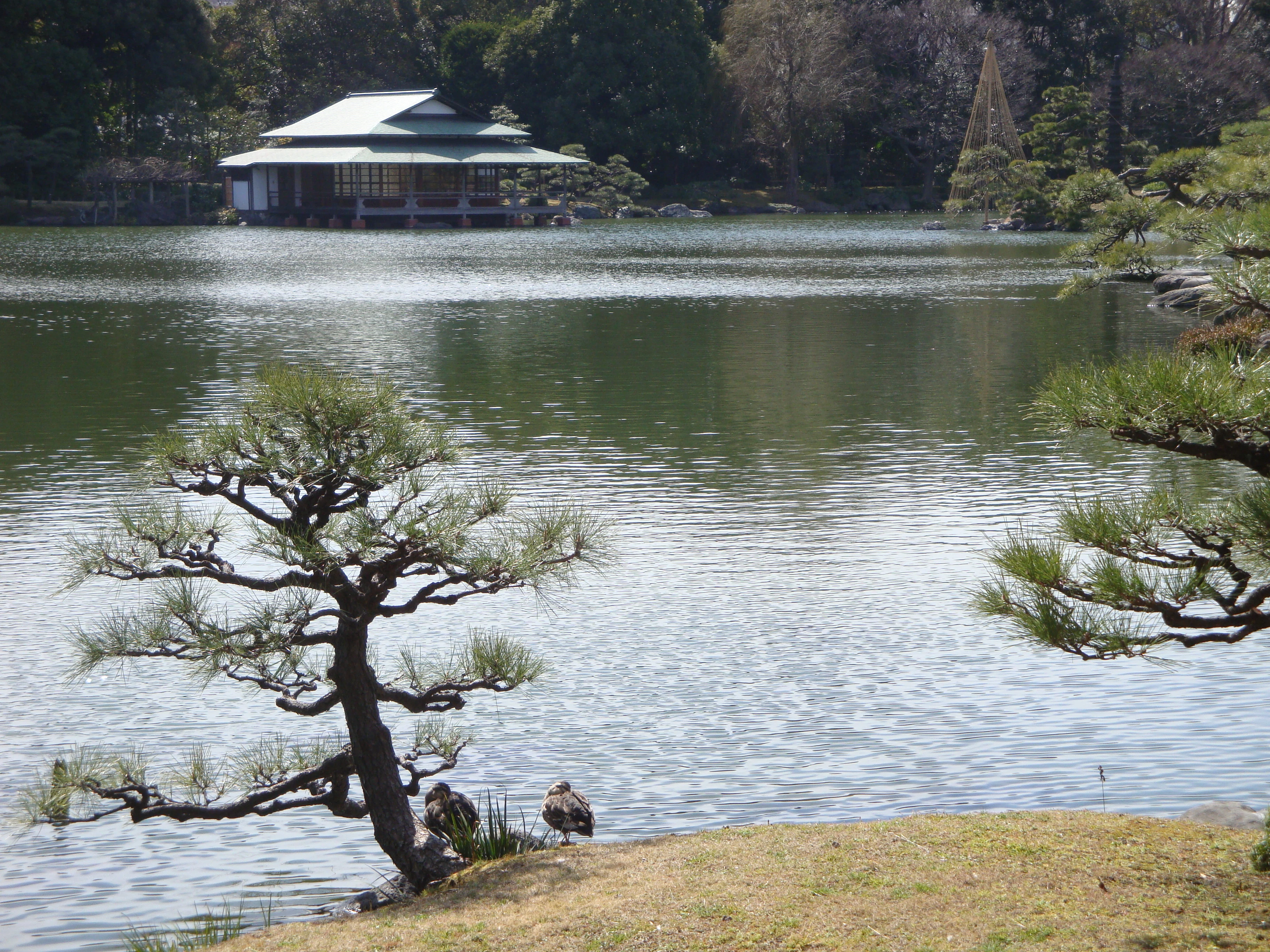
Iwasaki-family Edo garden in east Tokyo: three ponds, stepping stones of hand-quarried rock, a 200-year pine, and almost no foreign visitors for ¥150.

Meguro River Sakura
Bestemming

Meguro River Sakura

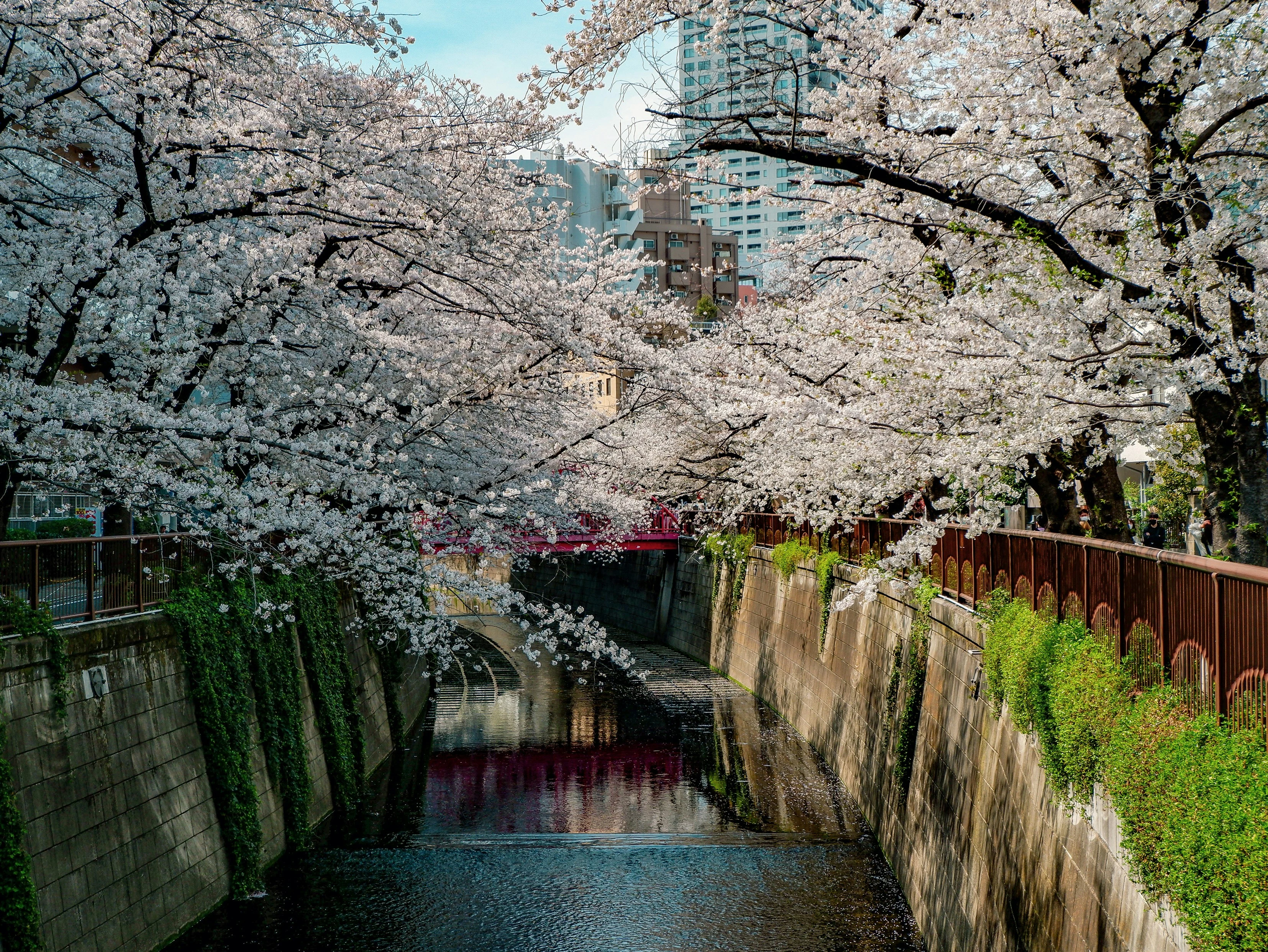
Nakameguro's 4km canal lined with 800 cherry trees, lanterns lit 18:00-22:00 at peak bloom. The densest tunnel is the 800m south of Naka-Meguro Station.

Mt Mitake
Bestemming

Mt Mitake

Two hours from Shinjuku: a cable car to 831m, then Musashi-Mitake shrine, the Rock Garden waterfall loop, and an optional push to Mt Otake at 1,266m.

Imperial Palace East Gardens
Bestemming

Imperial Palace East Gardens

Free entry to Edo Castle's former inner citadel: the 1638 donjon base, Ninomaru stroll garden and 100-guard guardhouse. Closed Mondays and Fridays.

Inokashira Park
Bestemming

Inokashira Park

38-hectare lake park behind Kichijoji Station: 250 cherry trees over the water, swan boats at ¥800, and the Ghibli Museum in the southwest corner.

Kyu-Shiba-rikyu Garden
Bestemming

Kyu-Shiba-rikyu Garden

A 4-hectare Edo garden built in 1678, a 10-minute walk from Hama-rikyu. Same shaped pines and stone arrangements, a fraction of the visitors.

Mt Takao
Bestemming

Mt Takao

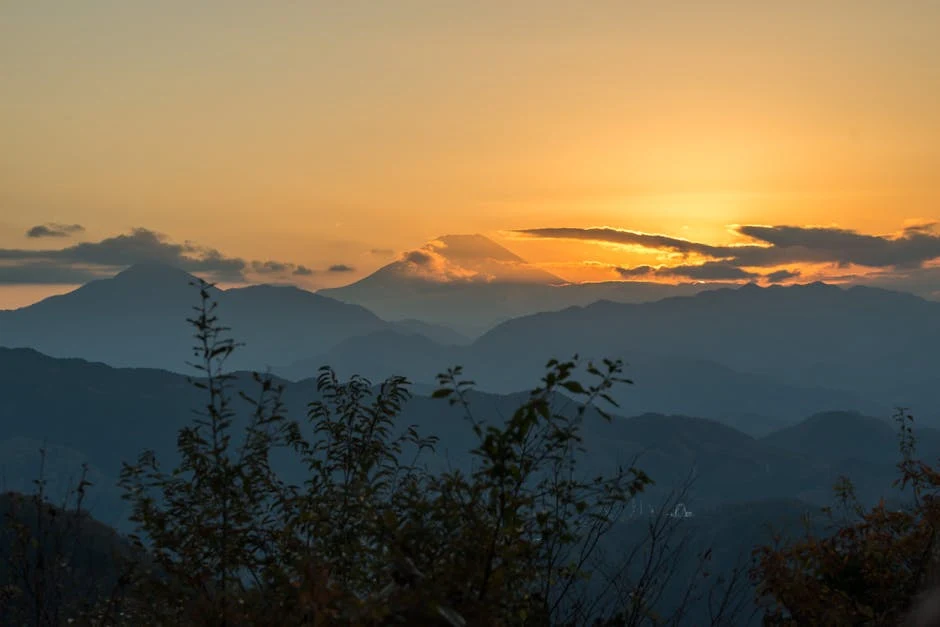
One hour from Shinjuku on the Keio Line: 599m, eight trails from paved to back-country, Yakuoin Temple halfway up, and Mt Fuji on clear winter days.

Rikugien Garden
Bestemming

Rikugien Garden

Tokyo's 1702 stroll garden: 88 features named after classical poems, a weeping cherry in early April and illuminated maples in mid-November. Entry ¥300.

Ueno Park
Bestemming

Ueno Park

53 hectares holding the Tokyo National Museum, the zoo, a sakura tunnel and a lotus pond temple. The park is free; each museum charges its own entry.

Yoyogi Park
Bestemming

Yoyogi Park

54 hectares west of Meiji-jingu. Sunday drum circles and buskers from 13:00, 600+ sakura trees, alcohol allowed. More relaxed than Ueno or Shinjuku Gyoen.

Hama-rikyu Garden
Bestemming

Hama-rikyu Garden

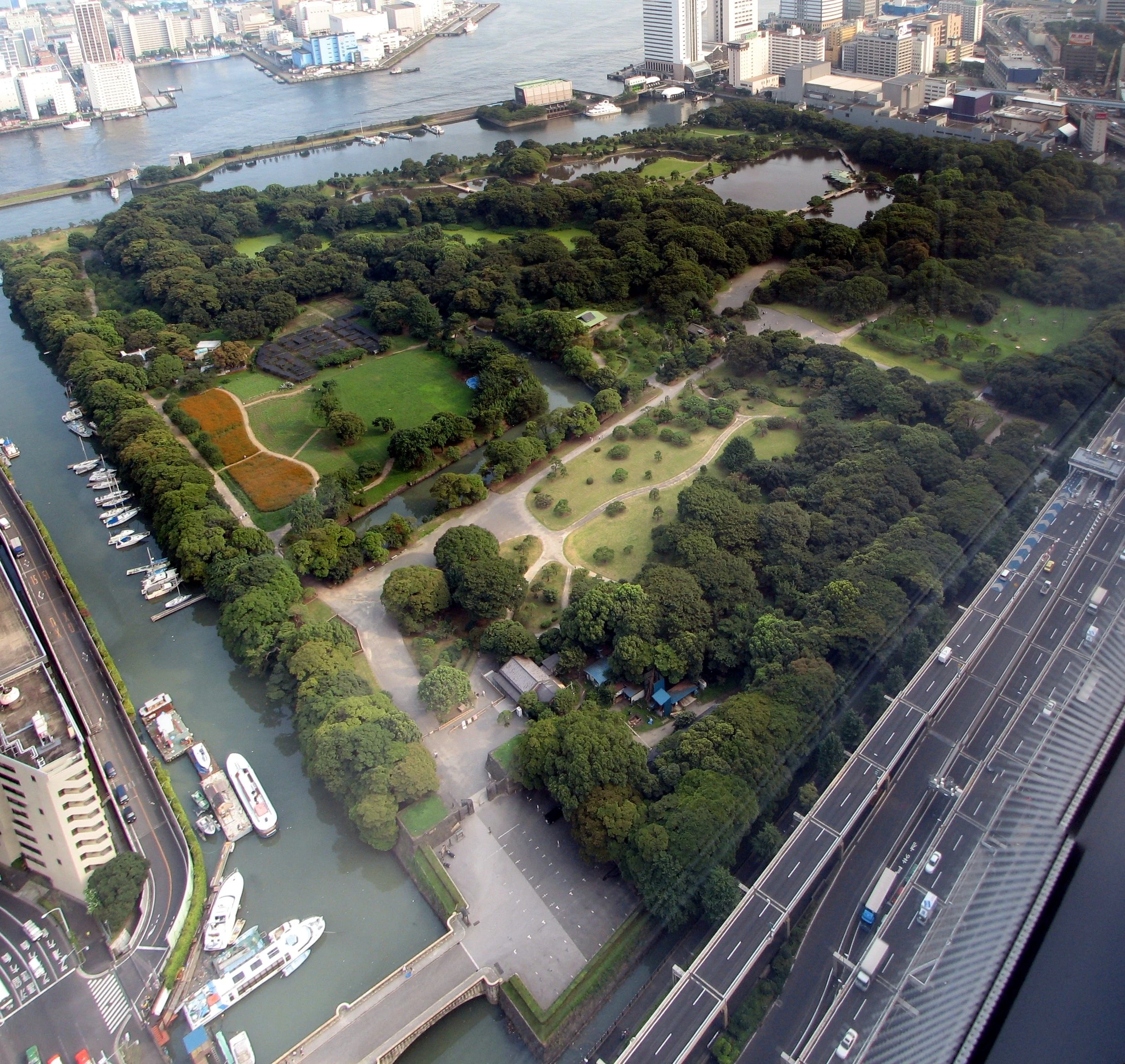
A 25-hectare Edo stroll garden ringed by Shiodome towers: tidal ponds, a 300-year pine and matcha at the island tea house. Reachable by ferry from Asakusa.

Shinjuku Gyoen National Garden
Bestemming

Shinjuku Gyoen National Garden

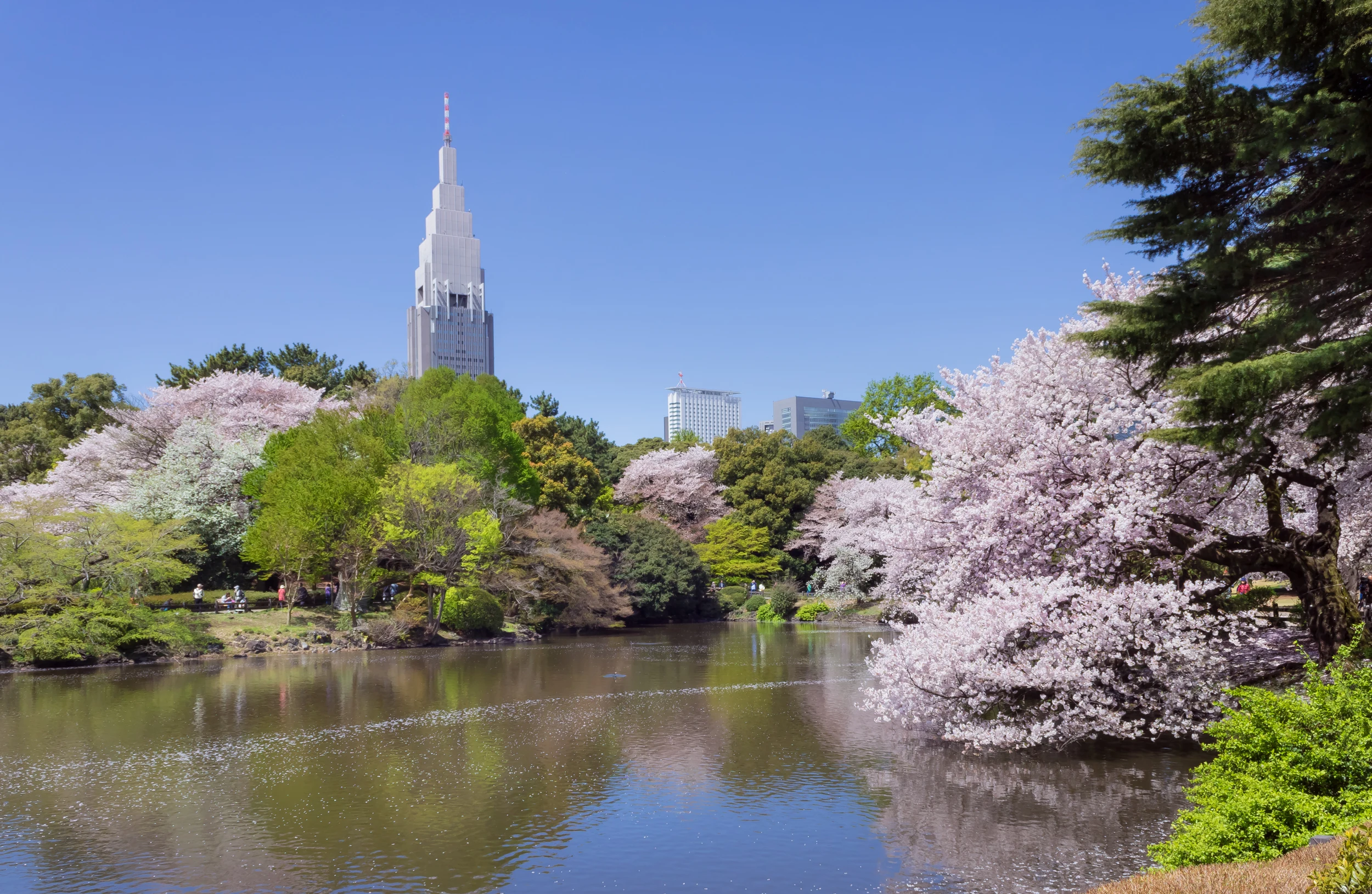
58 hectares, 1,100 cherry trees, three landscape styles and a strict no-alcohol policy. Five minutes from Shinjuku Station, ¥500 entry.

Japanese Nature
Interessehub

Japanese Nature

Three-quarters of Japan is forested mountain. The transit network reaches deep enough for a serious day-trip from Tokyo or Kyoto without a car.