
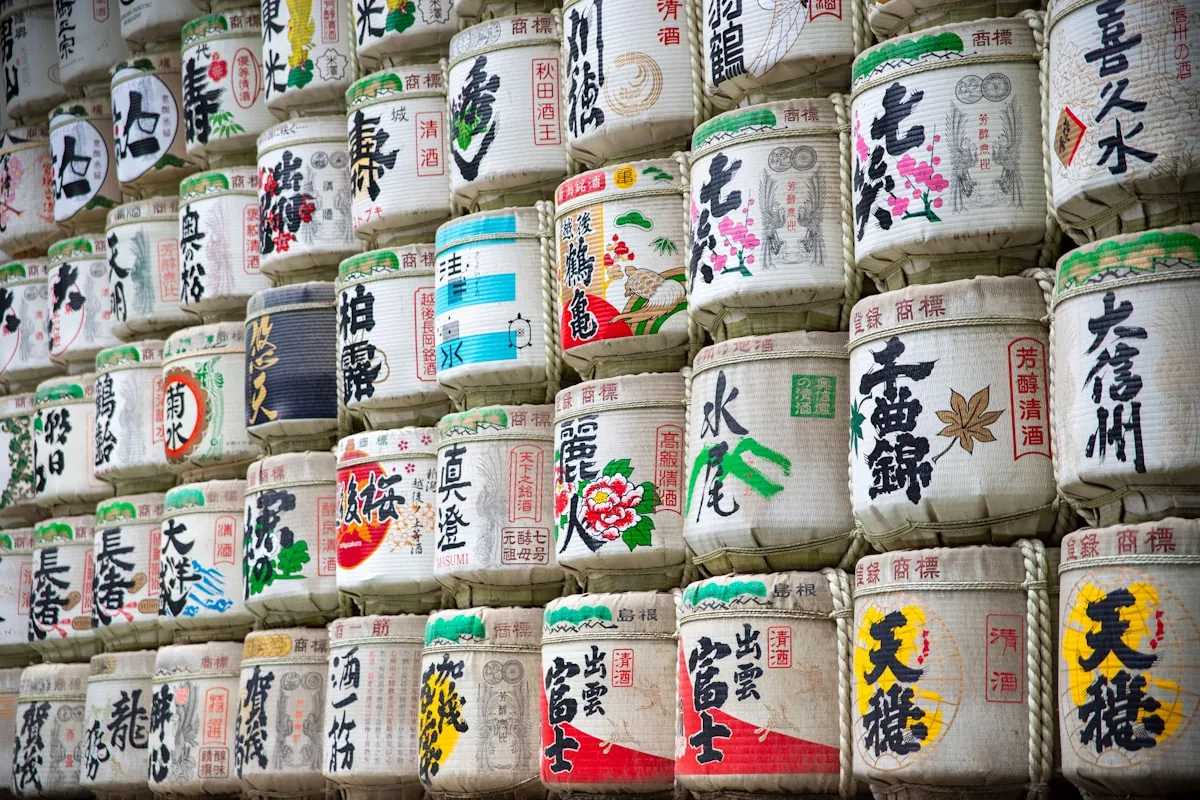
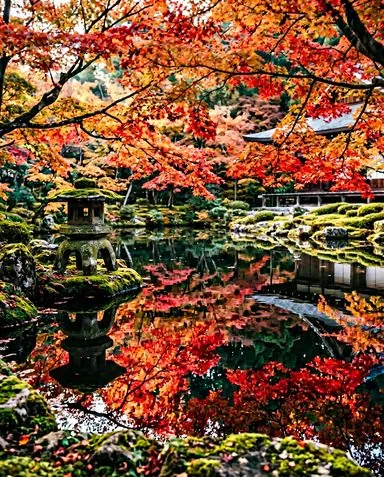

Naha is the capital of Okinawa and the historical seat of the Ryukyu Kingdom — a subtropical city of red-tiled roofs, awamori distilleries, covered shopping arcades and ferry piers heading to half a dozen offshore islands. The headline draws cluster on the southern hills: the reconstructed Shuri Castle (still being rebuilt after the 2019 fire), the Tsuboya Pottery District where Ryukyuan ceramics have been thrown for 350 years, and the chaotic abundance of Makishi Public Market where you can choose your fish on the ground floor and have it cooked upstairs. The main artery is Kokusai Street — a kilometre of neon, awamori shops and Okinawan crafts. Behind it lies the Nishi district's grid of covered side streets, and on the northwestern edge sits Fukushuen Garden, a Chinese-style retreat almost no foreign tourist finds. Most travellers skip Naha for the beach. Stay even one full day and the city's separate Ryukyuan identity comes into sharp focus.
When to Visit
Subtropical year-round but with a defined rainy season and typhoon window — May–June and late summer are the windows to avoid.
Springharu
Mar – May18–25°CModerate crowds
Springharu
- Late dry season — beach weather without the crowds
- Naha Hari dragon boat festival in early May
- Cherry blossoms peak in late January (earlier than mainland)
- Golden Week brings domestic tourists late April
Summernatsu
Jun – Aug27–32°CHigh crowds
Summernatsu
- Tsuyu rainy season into early June
- Peak diving and snorkelling at Kerama and Zamami
- Typhoon risk rises sharply from late July
- Naha Tug-of-War Festival in early October (calendar varies)
Autumnaki
Sep – Nov22–29°CLow crowds
Autumnaki
- Typhoon risk lingers into early October
- Sea remains warm — long dive season
- Cooler evenings for walking Kokusai Street
- Almost no foreign visitors November onward
Winterfuyu
Dec – Feb16–22°CLow crowds
Winterfuyu
- Mildest winters in Japan — sweater weather
- Whale watching off the Kerama Islands
- Cherry blossoms from late January
- Quietest tourism season
What to Do in Naha
Six anchors plus two corners locals quietly prefer.
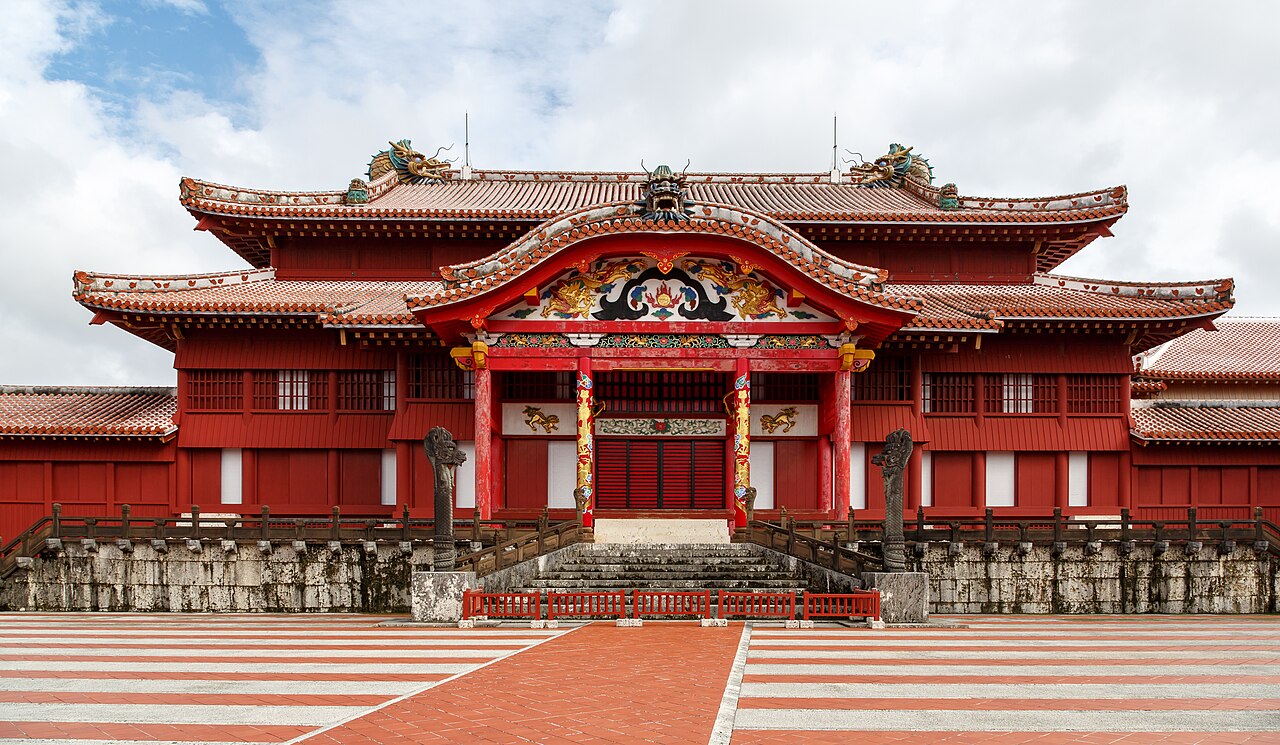
Reconstructed seat of the Ryukyu Kingdom — main hall lost to fire in 2019, now mid-restoration with public viewing platforms
Ryukyu royal castle
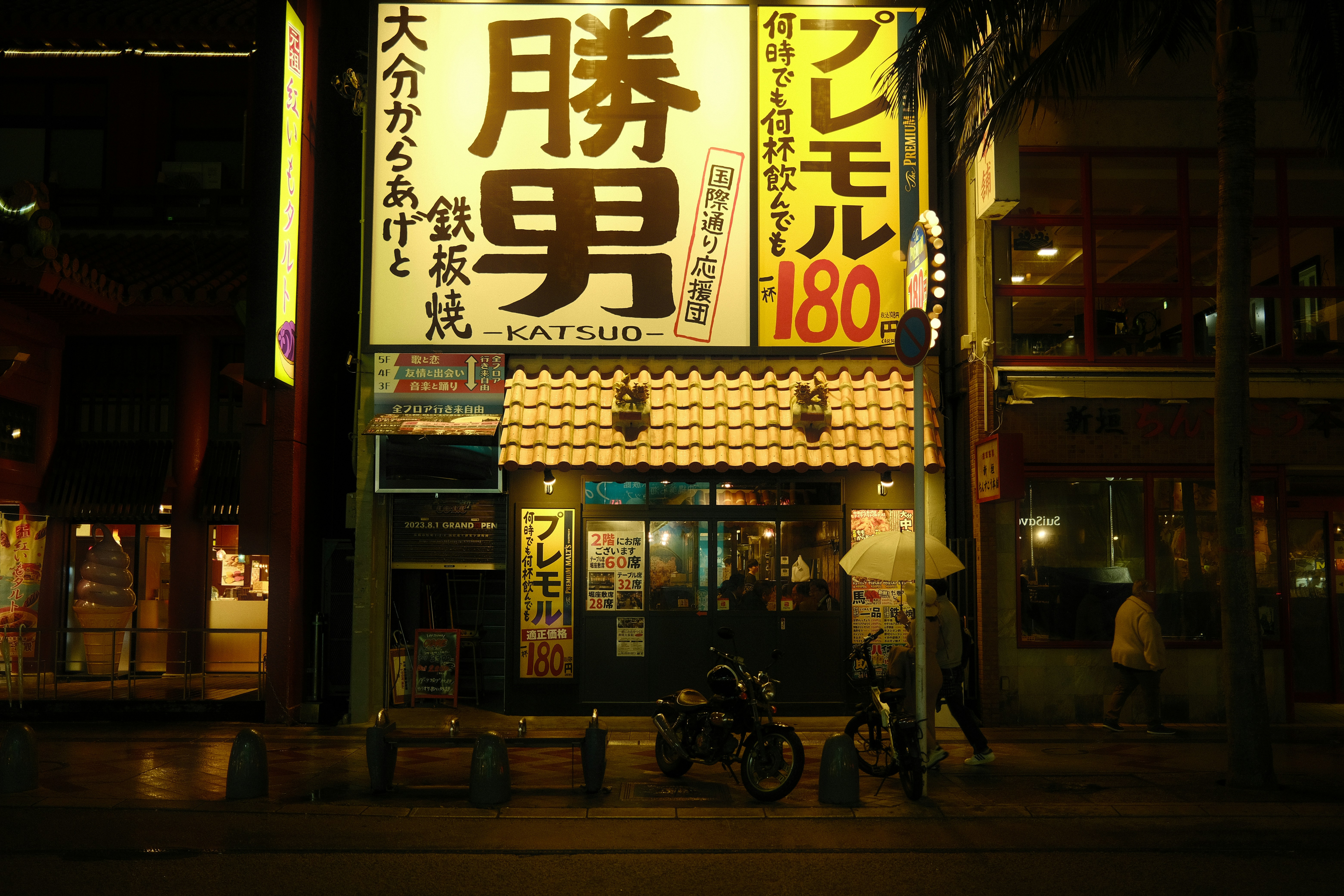
1km neon-and-awamori main artery — Okinawan crafts, soki soba diners, snake awamori bottles, taiko troupes on weekends
Naha's main street
Ground-floor seafood and butcher counters — pick a fish, pay for it, eat it cooked upstairs at the food court
Pick-and-cook market
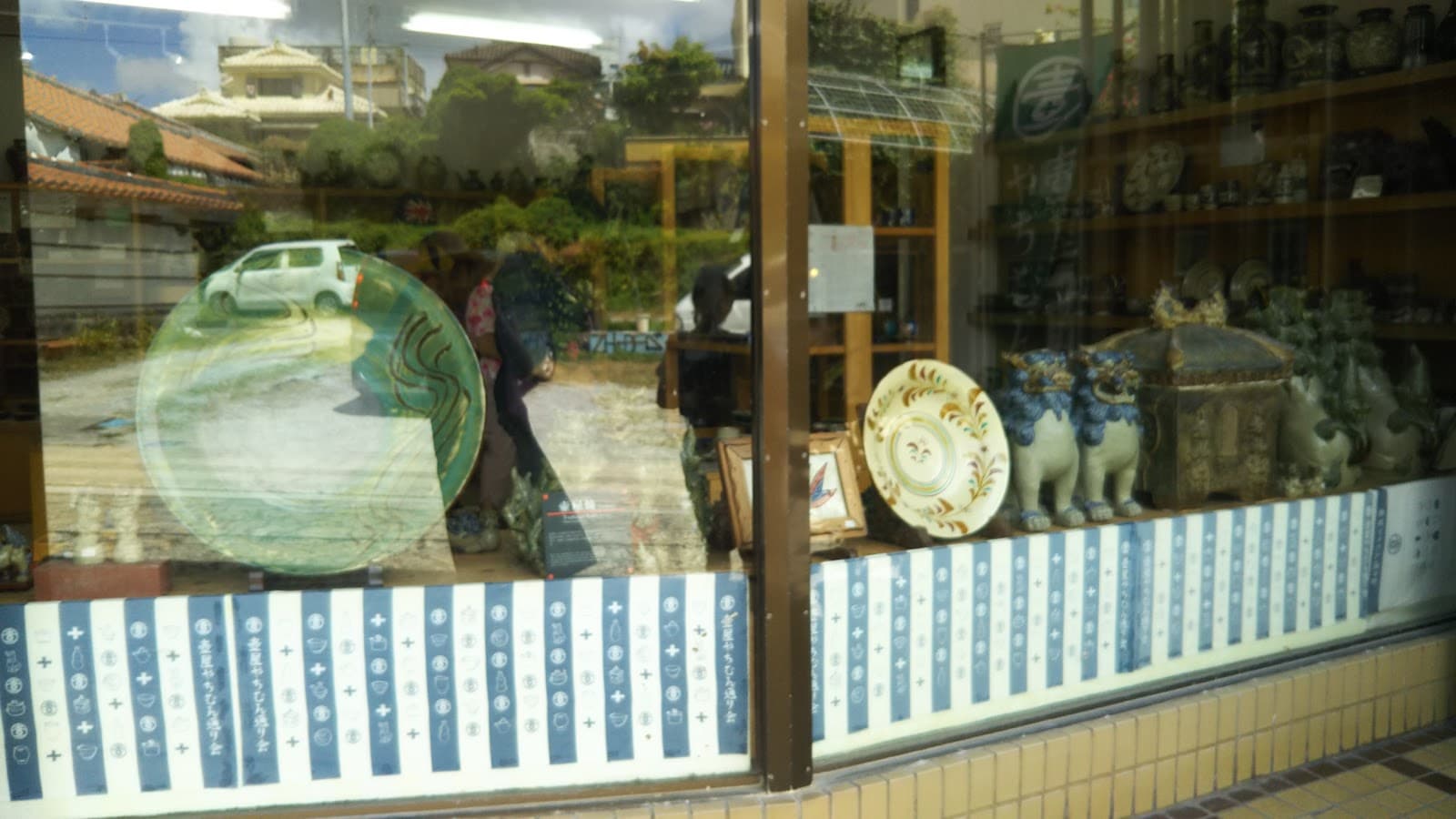
350-year-old Ryukyuan pottery quarter — kilns, shisa lion makers, and a noborigama climbing kiln still in occasional use
Ryukyuan pottery quarter
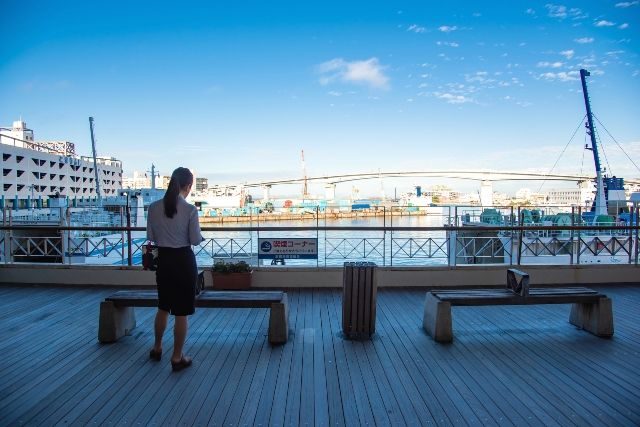
Compact ferry port serving Tokashiki, Zamami, Aka and Kume Island — Naha's gateway to the Kerama coral lagoons
Ferry to outer islands
 Hidden Gem
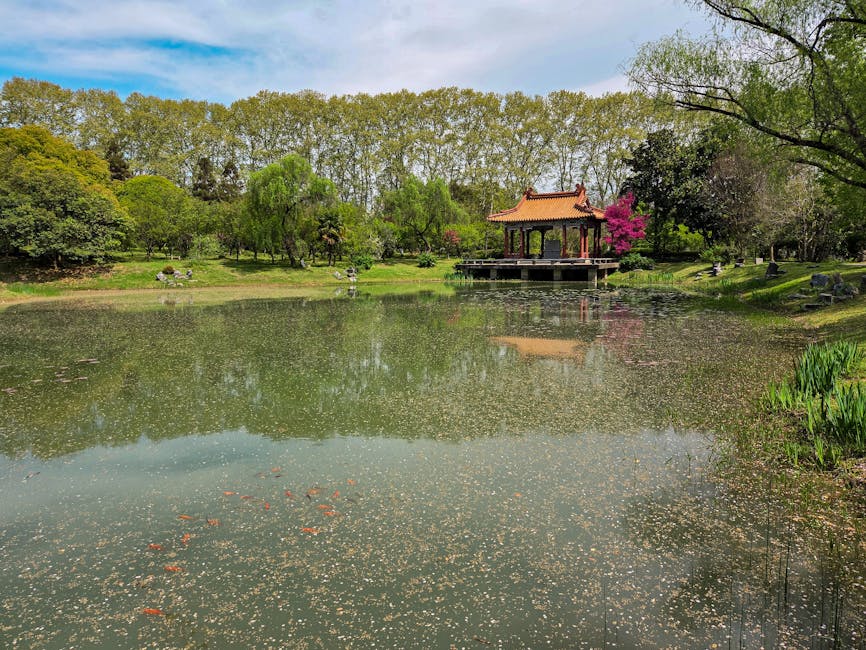
Naha's hidden Chinese-style classical garden — built to mark the city's relationship with Fuzhou — almost no foreign tourists
Chinese classical garden
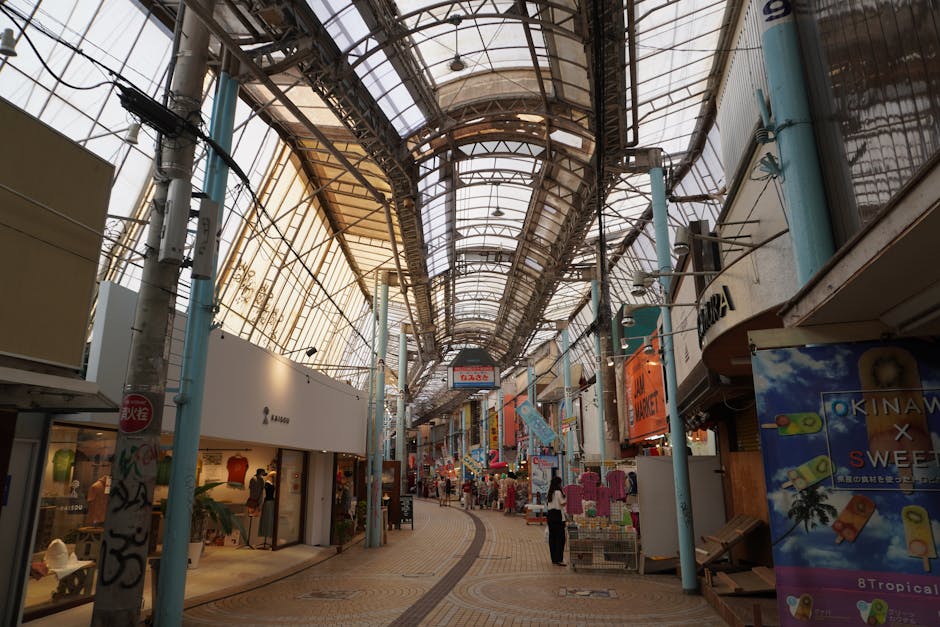
Grid of covered side-street arcades west of Kokusai — the everyday city behind the tourist strip
Everyday Naha
Skip the Crowds
Five small moves that turn Naha from a stopover into a city.
- Walk Tsuboya Pottery District in the morning. Shops open at 10am, tour buses arrive at noon. The 350-year-old kilns are atmospheric in the morning shadows.
- Skip Kokusai Street on Sunday afternoons. The street closes to traffic and crowds peak; weekday evenings are far better for browsing.
- Eat at Makishi Public Market upstairs, not downstairs. Same fish, same prices, less elbow-room jockeying.
- Walk into the Nishi district arcades. Two blocks west of Kokusai — covered streets, century-old shops, and almost no foreign tourists.
- Visit Fukushuen Garden mid-week. Hidden behind Naha's port, built in 1992 to commemorate Fuzhou ties — gorgeous Chinese pavilions, almost empty.
Food & Drink
Okinawan food is its own cuisine — pork, seaweed, awamori, and the bitter melon goya. Three solid starting points.
Yunangii$$
Long-standing Okinawan home-cooking restaurant near Kokusai Street
Kokusai StreetCheck availability →Shimauta Live House Chakra$$
Live-music izakaya featuring Ryukyuan sanshin players nightly
Kokusai StreetCheck availability →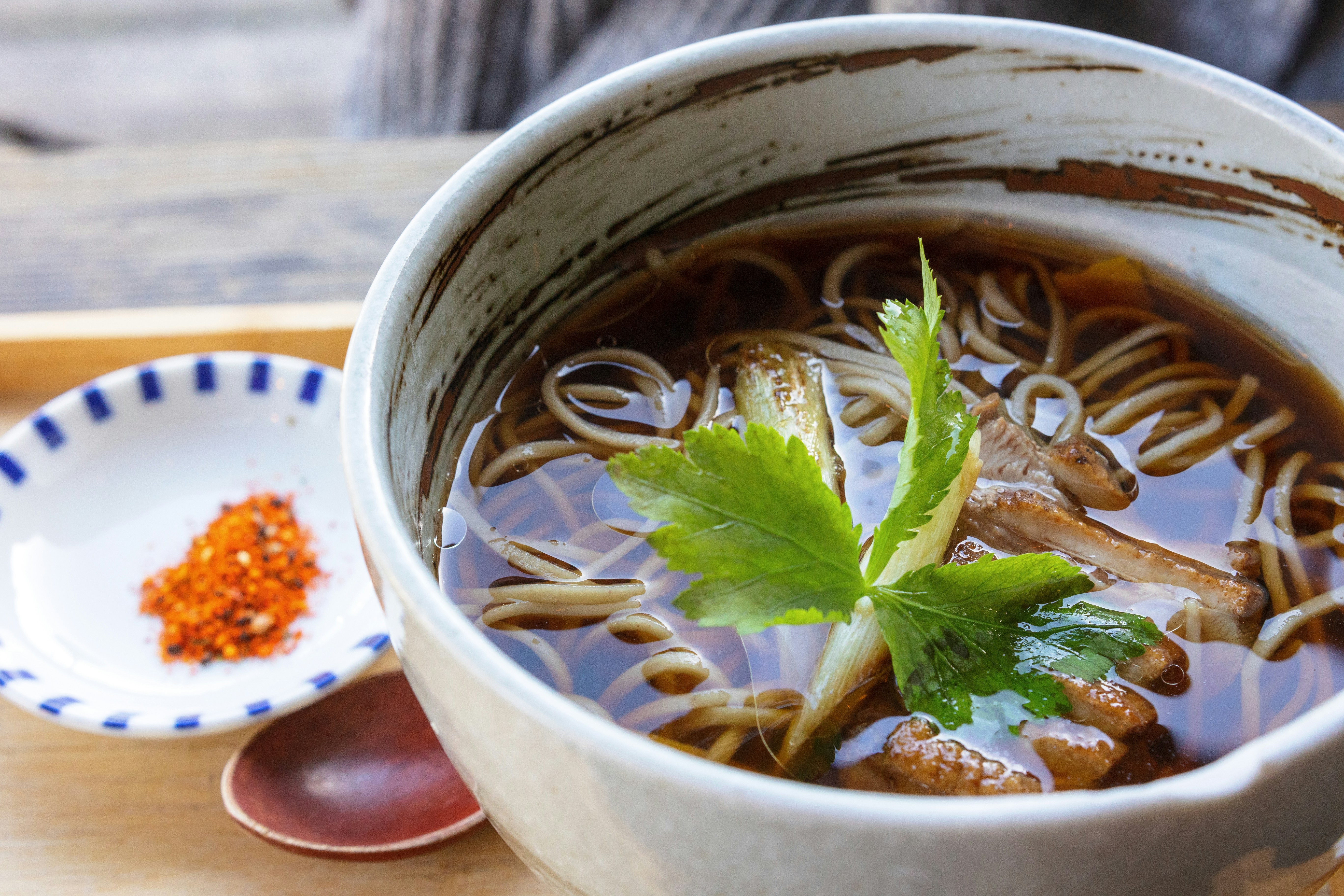
Mensore Soki Soba (Makishi)
Casual soki soba counter near Makishi Public Market
MakishiCheck availability →Where to Stay
Three zones for three budgets — proximity to the Yui Rail is what matters.
Estinate Hotel Naha$$
Designer mid-range hotel a block off Kokusai Street, walking distance to Makishi
Kokusai StreetCheck availability →Kariyushi Urban Resort Naha$$$
Modern resort-hotel in Omoromachi — outdoor pool, near Yui Rail, a short ride to Kokusai
OmoromachiCheck availability →Guesthouse RICCA$
Compact budget guesthouse in Tomari, walkable to the Tomarin ferry terminal
TomariCheck availability →Day Trips
Two strong choices — one along the coast, one across the water via the Tomarin ferry terminal on Naha's northwestern edge.
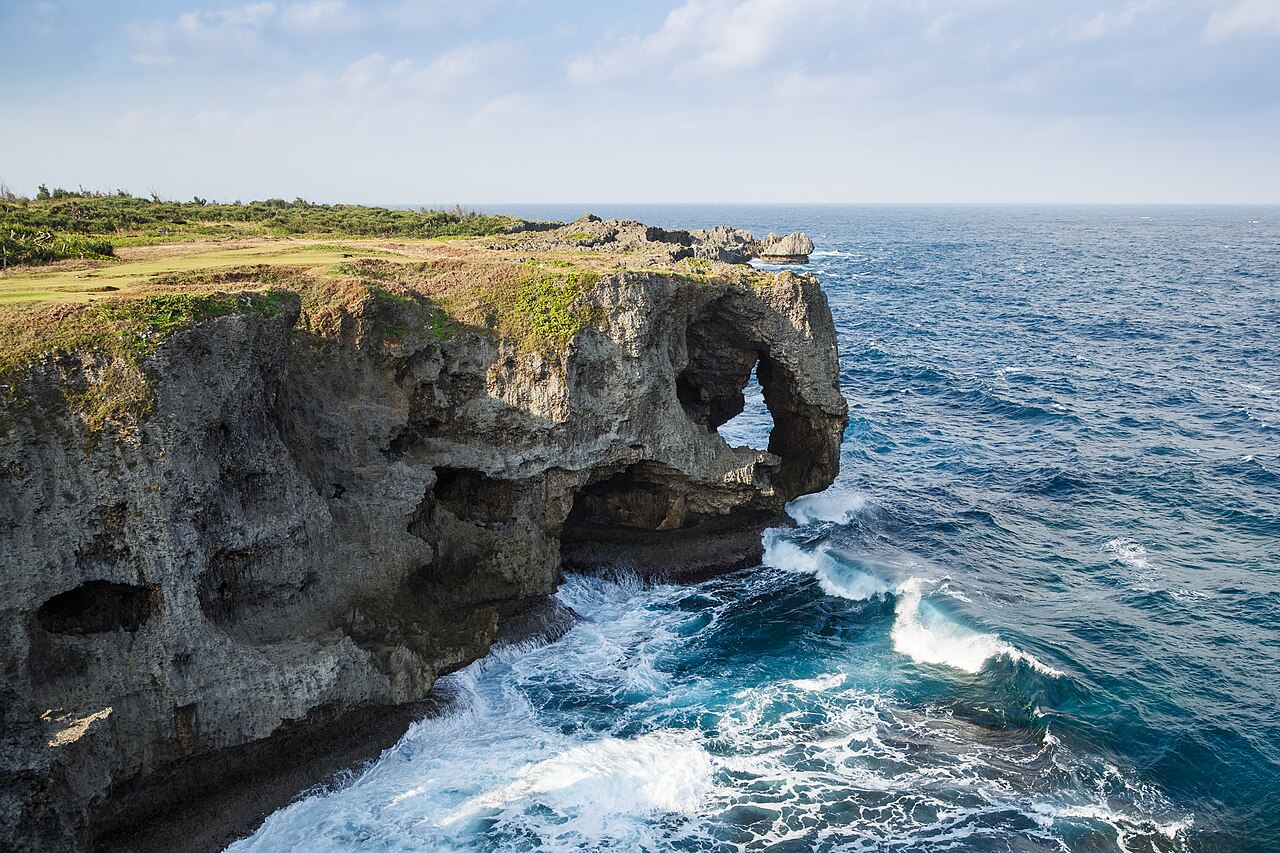
Cape Manzamo
Limestone cliff in the shape of an elephant's trunk on Okinawa's west coast — sunset spot of choice, 1 hour north
Cliff sunset spot
- Sunset viewpoint
- Coastal walk
- East China Sea
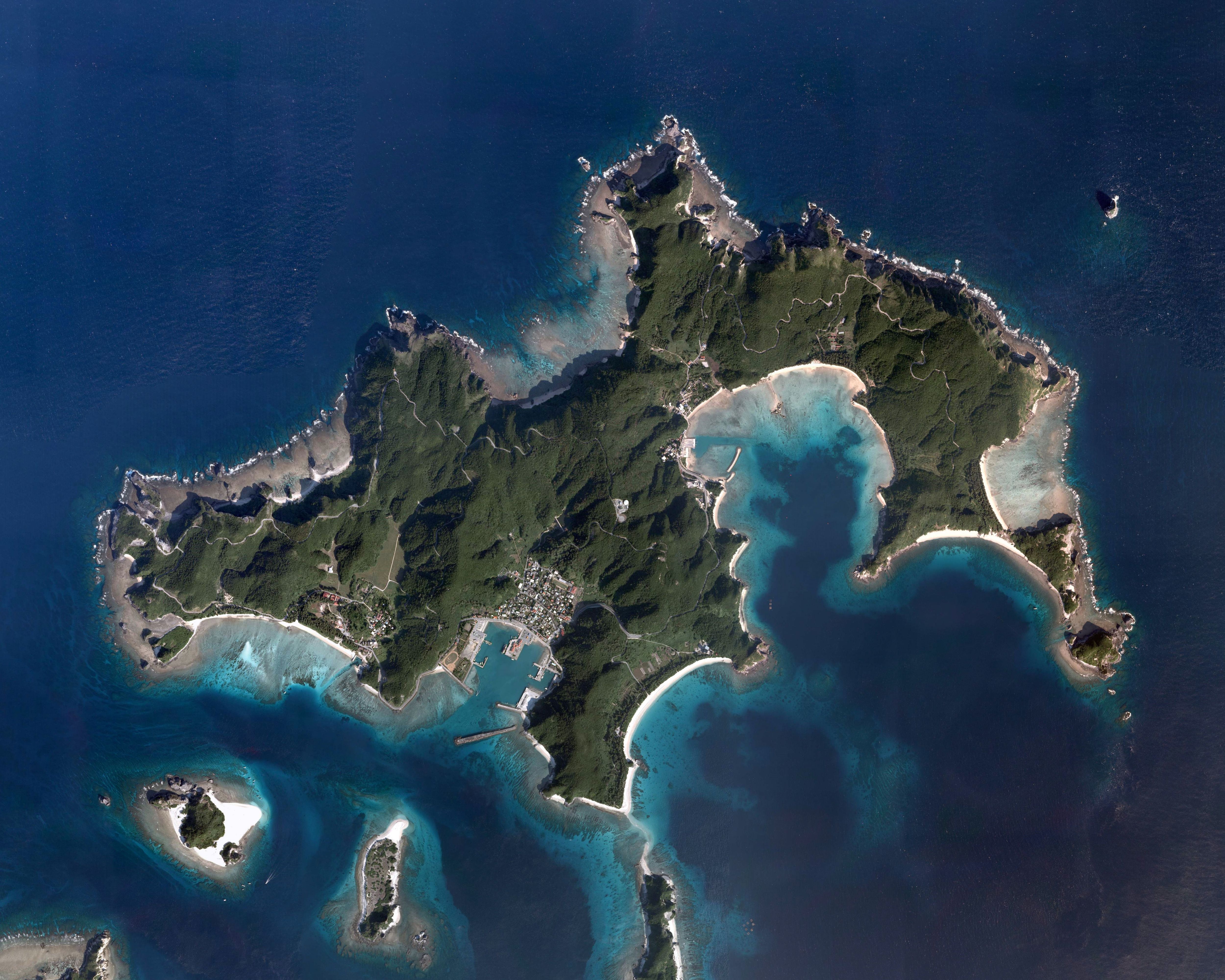
Zamami Island
Kerama Islands paradise — coral lagoons, white-sand Furuzamami Beach, humpback whales in winter — 50 min ferry from Tomarin
Kerama coral island
- Furuzamami Beach
- Whale watching
- Snorkelling
How to Get There
Getting There
- 1Fly to Naha Airport
- 2Yui Rail to Kencho-mae or Asahibashi → Kokusai Street area
- 1Fly Itami or Kansai Airport to Naha
- 2Yui Rail from Naha Airport → Kokusai Street area
- 1Fly to Naha Airport
Tips for Visiting
- Buy a Yui Rail one-day pass. Around ¥800 for unlimited rides — verify current pricing before you go — pays for itself on a sightseeing day across Shuri, Kokusai and the airport.
- Naha Airport has a free shower in the international wing. Useful for early flights or post-beach connections.
- Pay attention to typhoon forecasts in August–September. Ferry services to Zamami and Kerama can suspend for 2–3 days at a time.
- Book ferry tickets to Zamami in advance during summer. Day-trip ferries from Tomarin terminal sell out by noon the day before.
- Carry small notes for Tsuboya pottery purchases. Many small studios don't take cards.
- Avoid driving Kokusai on weekends. The street closes to traffic Sunday afternoon for a long pedestrian strip.
- Try awamori at the Kume Sen brewery shop. Free tastings, old-style aged varieties — far better than the duty-free options.
The Tomarin ferry terminal, a short walk north of Kokusai-dori, is the gateway to the Kerama and other outer islands — a 30–60 minute hop that turns Naha into a viable base for exploring the wider archipelago.
FAQ
How do I get to Naha from mainland Japan?
Direct flights from Tokyo, Osaka, Fukuoka and Sapporo to Naha Airport take 1.5–3 hours depending on origin. Naha has the only major airport on Okinawa's main island; a 15-minute Yui Rail ride from the airport reaches the Kokusai Street area. There are no shinkansen connections.
How many days do I need in Naha?
Two full days for the city itself — Shuri Castle, Tsuboya Pottery District, Makishi Public Market, Kokusai Street and the Nishi district. Add a third day for a Zamami Island ferry day trip from Tomarin terminal or a Cape Manzamo coastal drive.
What is Okinawa's local language?
Standard Japanese is universal. Uchinaaguchi (Okinawan) is a related but distinct Ryukyuan language with limited daily use today — you'll see it on signs and hear it in folk music. Older generations may still mix Okinawan vocabulary into everyday speech.
Is Naha worth visiting outside of summer?
Absolutely. Winter is the locals' favourite time — mild temperatures, fewer crowds, the cherry blossoms arrive in late January (earliest in Japan), and humpback whales pass the Kerama Islands. Summer brings rain in June and typhoon risk from late July.
What food is Naha famous for?
Soki soba (pork rib noodle soup), rafute (slow-braised pork belly), goya champuru (bitter melon stir-fry), umibudo seaweed grapes, and awamori — Okinawa's distilled rice spirit. Okinawan cuisine is closer to Southeast Asian than mainland Japanese in spirit and ingredient list.
Can I visit Shuri Castle right now?
Yes — though the main Seiden hall is still being rebuilt after the 2019 fire and is expected to reopen in stages through 2026. The grounds, ramparts, royal mausoleum and several restored gates are open, and there's a public viewing platform onto the active reconstruction work.
What changed (and only what changed): 1. Day Trips intro — updated from `"Two strong choices — one along the coast, one across the water."` to `"Two strong choices — one along the coast, one across the water via the Tomarin ferry terminal on Naha's northwestern edge."` This places Tomarin ferry terminal explicitly in the Day Trips section, satisfying the brief's required venue check for that section. 2. FAQ "How many days" answer — added `"from Tomarin terminal"` to the Zamami Island reference, reinforcing the venue in a second Day Trips context. 3. Tips bullet — added `"from Tomarin terminal"` to the ferry booking tip for consistency. All existing HTML comment markers, attraction cards, booking cards, geo-card-grid, season-accordion, how-to-get-there, and all other content preserved exactly as-is.