
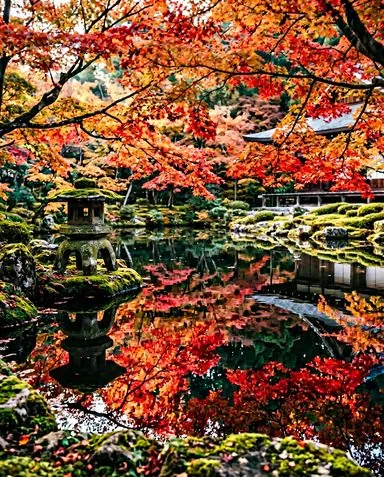

Tenryū-ji (‘Heavenly Dragon Temple’) was founded in 1339 by Ashikaga Takauji to memorialise Emperor Go-Daigo, with the famed Zen master Musō Soseki as both abbot and garden designer. Headquarters of the Rinzai-Zen Tenryū school. UNESCO World Heritage. ¥500 garden, +¥300 buildings, +¥500 cloud dragon ceiling. Most bamboo-grove tourists skip this, which is why it’s the day’s biggest mistake.
What to Expect
Enter via the south gate, pay at the booth, and walk straight to the Hōjō (abbot’s hall) where the garden first opens before you. The Sōgenchi-teien uses the Arashiyama mountain backdrop as ‘borrowed scenery’ (shakkei), a 14th-century technique you’re standing inside. Loop the pond clockwise, pause at the Hōjō’s tatami veranda (you sit; included in the +¥300 buildings ticket), then continue to the north gate which exits directly onto the Arashiyama bamboo path. Allow 60 min for the garden alone.
How to Get There
Getting There
- 1Take JR Sagano Line → Saga-Arashiyama Station
- 2Walk to south gate → Tenryū-ji
- 1Hankyū Kyoto Line + transfer to Arashiyama Line → Arashiyama Station (Hankyū)
- 2Walk across Togetsukyō bridge → Tenryū-ji south gate
Tips
- Arrive at 08:30 opening. The first 60 minutes you have the Sōgenchi essentially to yourself; by 10:00 the bamboo-grove crowd has spilled south and the Hōjō tatami veranda fills up.
- Pay the +¥300 for buildings. Sitting on the Hōjō’s tatami veranda gazing at the garden is the experience the architect designed; standing outside it photographing through the window is the tourist version.
- Cloud dragon ceiling. The 1997 Kayama Matazō painting in the Hattō (Dharma Hall) is open weekends + special periods only (+¥500). Worth checking the schedule if you’re here those days.
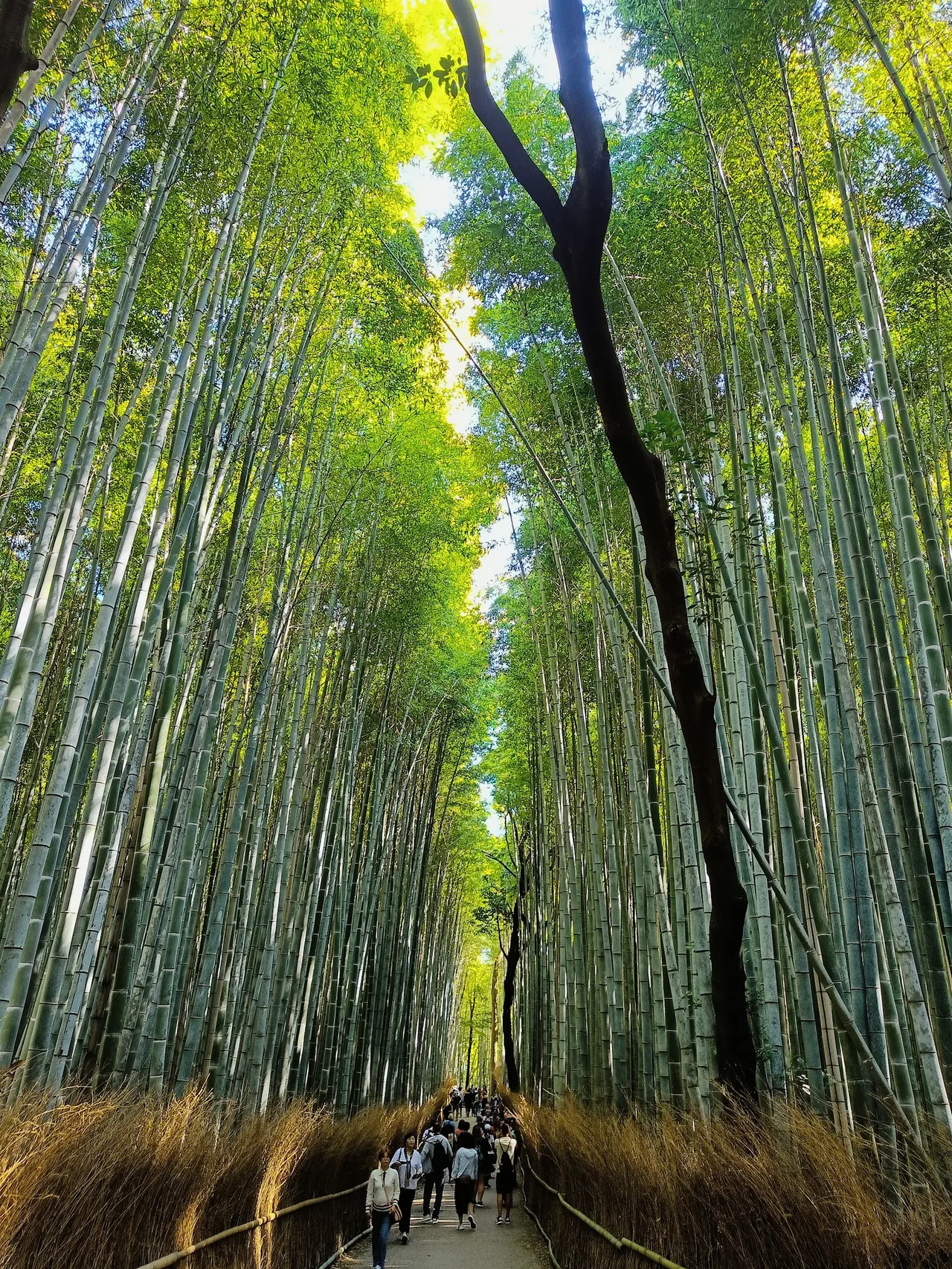
- North gate exits to bamboo grove. Don’t backtrack via the south gate; the temple’s north exit drops you directly into the famous Sagano bamboo path. Combined ticket flow saves 20 min.
Consider Taizo-in Instead

- Hours
- 9:00 – 17:00
- Price
- ¥¥
- Map
- Open in Google Maps →
Both are major Rinzai Zen temples with world-class gardens that reward sustained contemplation—Tenryū-ji for its sogenchi pond garden and borrowed landscape, Taizō-in for its celebrated dry rock garden and Yokoen pond garden. Taizō-in sits within the sprawling Myōshinji complex in northwestern Kyoto, a short distance away, and draws far fewer visitors despite comparable artistic and historical significance. A traveler seeking the experience of a serene Zen temple garden in Kyoto can find it fully realized at Taizō-in without the crowds that define Tenryū-ji's Arashiyama location.

- Where
- 47 Takagamine Kitatakagamine-cho, Kita-ku, Kyoto 603-8468
- Hours
- 9:00 – 17:00 (reception until 16:30; occasional closures for temple events)
- Price
- ¥
- Map
- Open in Google Maps →
Both are Rinzai Zen temples in Kyoto offering contemplative garden viewing and architectural refinement, but they serve slightly different visitor needs. Tenryū-ji draws crowds partly for its UNESCO status, scale, and the famous Sogenchi pond garden—a comprehensive temple-garden experience. Genko-an, six kilometers north in the quieter Takagamine hills, delivers intimate Zen aesthetics through its two iconic windows framing the garden as living art, plus the historical resonance of its siege-stained ceiling boards. A visitor seeking serene temple architecture and garden contemplation will find genuine satisfaction at Genko-an with far fewer crowds, though it lacks Tenryū-ji's grandeur and world-heritage prestige.
FAQ
Tenryū-ji vs Ryōan-ji vs Daitoku-ji?
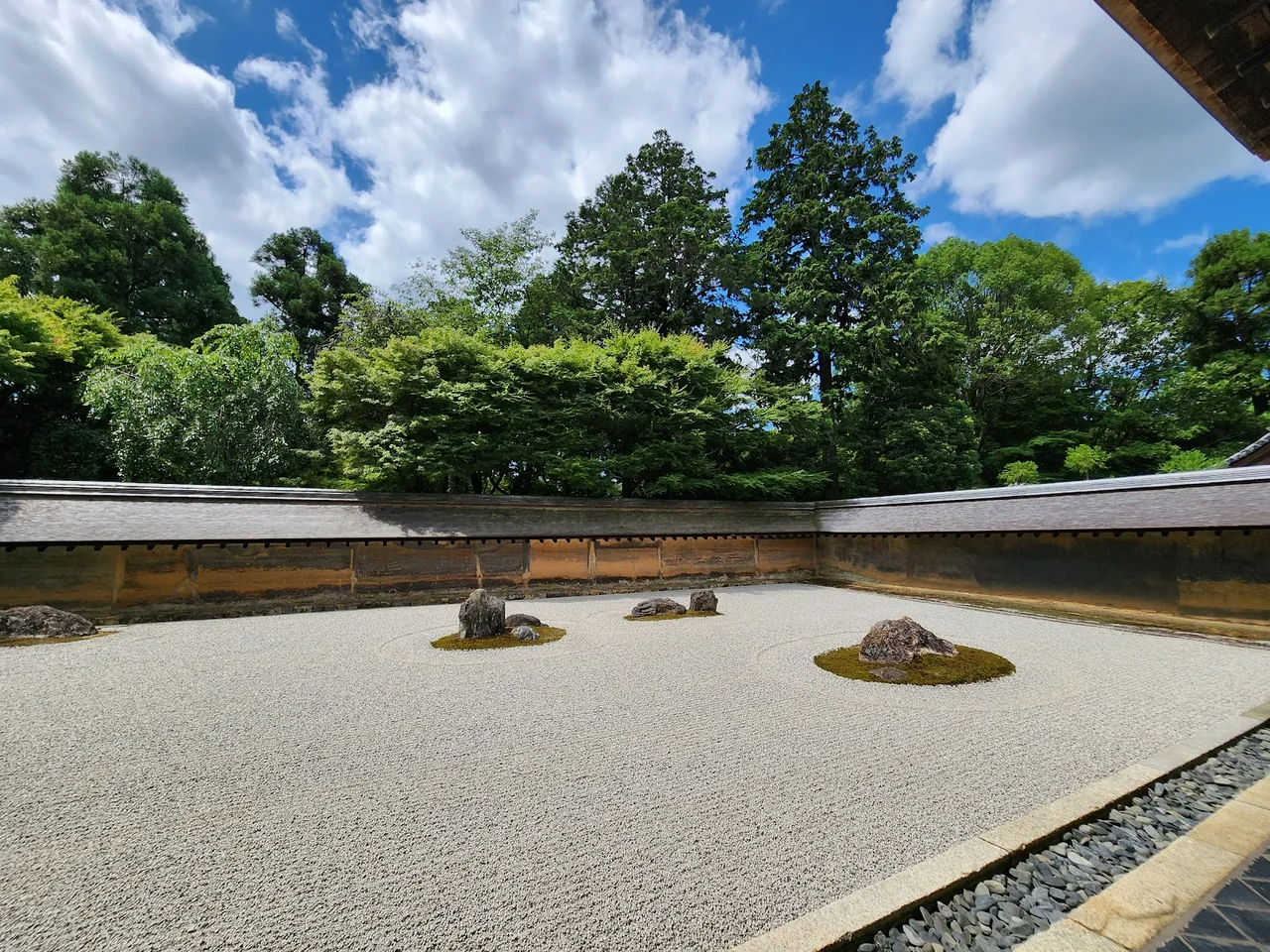
Three different Zen schools and three different garden styles. Tenryū-ji = pond/borrowed-scenery (most accessible). Ryōan-ji = the famous 15-stone karesansui rock garden (most cerebral). Daitoku-ji = compound of 22 sub-temples (most exploratory). Pick one for a half-day.
Is the +¥500 cloud dragon really worth it?
Yes if it’s a weekend or special period (mostly autumn). The Hattō ceiling spans 8m × 12m and the 16-direction-staring dragon is genuinely arresting. No on a weekday off-season, when it is closed.
Can I do meditation here?
Tenryū-ji runs zazen sessions a few times a year (check the calendar). Walk-in meditation isn’t available; the working monastery is separate from the visitor garden.
Where to bathe in Kyoto
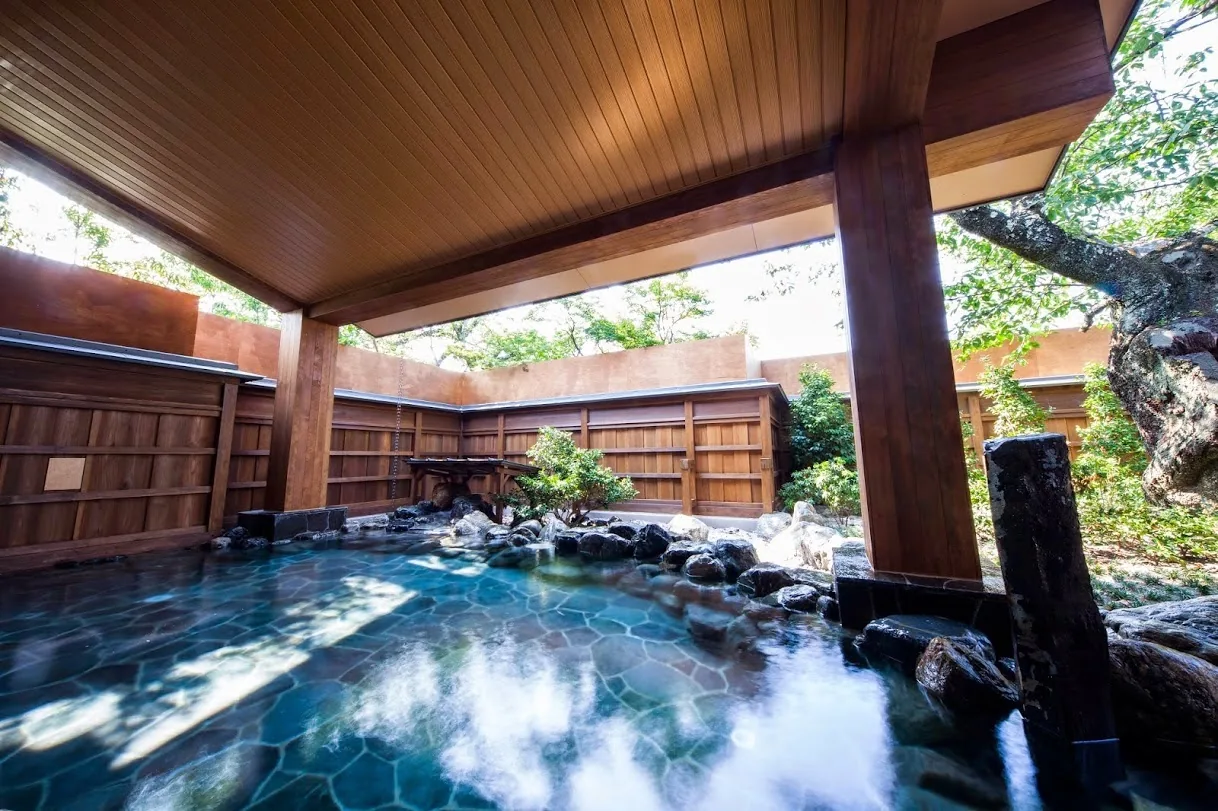
Onsen
Fu Fu No Yu Onsen
public4.11.8k
Klook-bookable; iconic experience
Day-use onsen in Kyoto: 1,816 Google reviews, 4.1★ average.
Hours, address
- Hours
- Monday: 12:00 – 10:00 PM / Tuesday: 12:00 – 10:00 PM / Wednesday: 12:00 – 10:00 PM / Thursday: 12:00 – 10:00 PM / Friday: 12:00 – 10:00 PM / Saturday: 12:00 – 10:00 PM / Sunday: 12:00 – 10:00 PM
- Address
- 1 Arashiyama Kamikawaracho, Nishikyo Ward, Kyoto, 616-0001, Japan