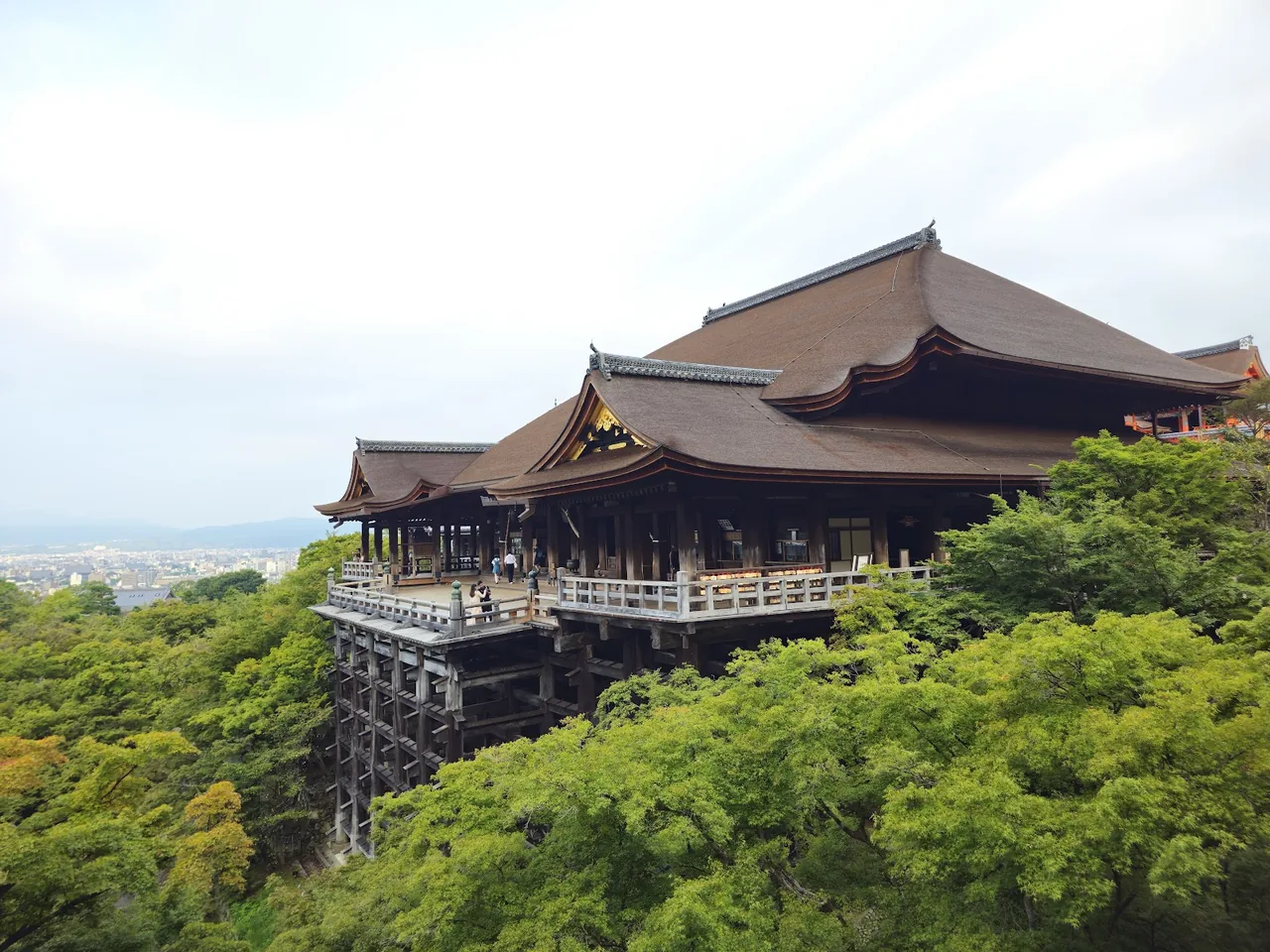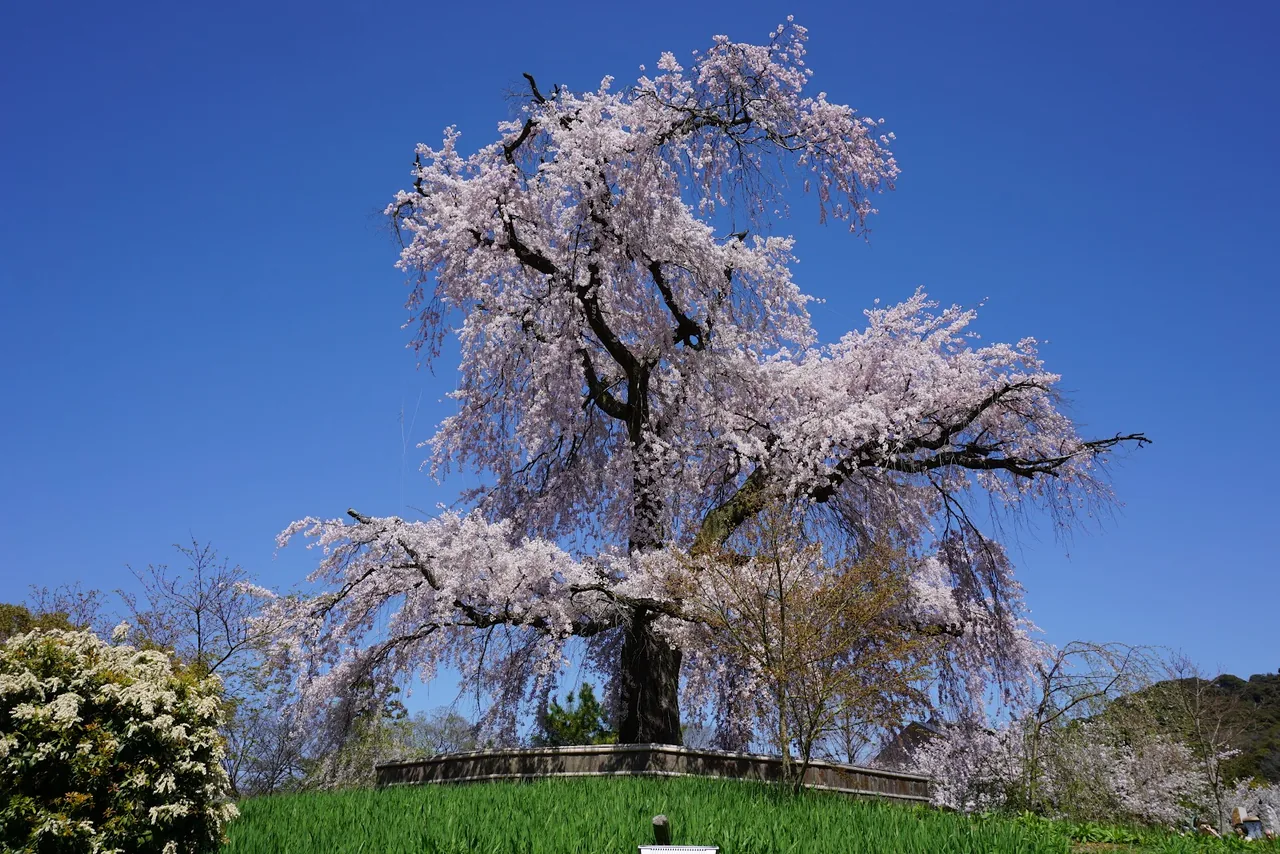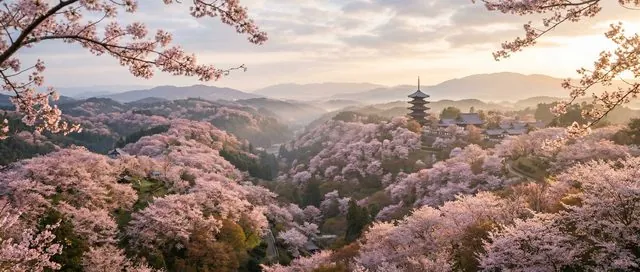
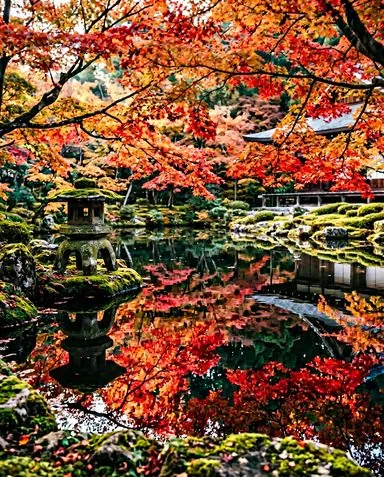

Higashiyama (literally ‘east mountain’) is the wooded ridge that rises from the Kamogawa river east bank: the dense temple cluster south of Maruyama Park, anchored at the top by Kiyomizu-dera and connected to Gion downhill via two of Japan’s most-photographed historic streets, Sannenzaka and Ninenzaka. The descent is the walk; pretty much every Kyoto itinerary builds around it.
Character of the District
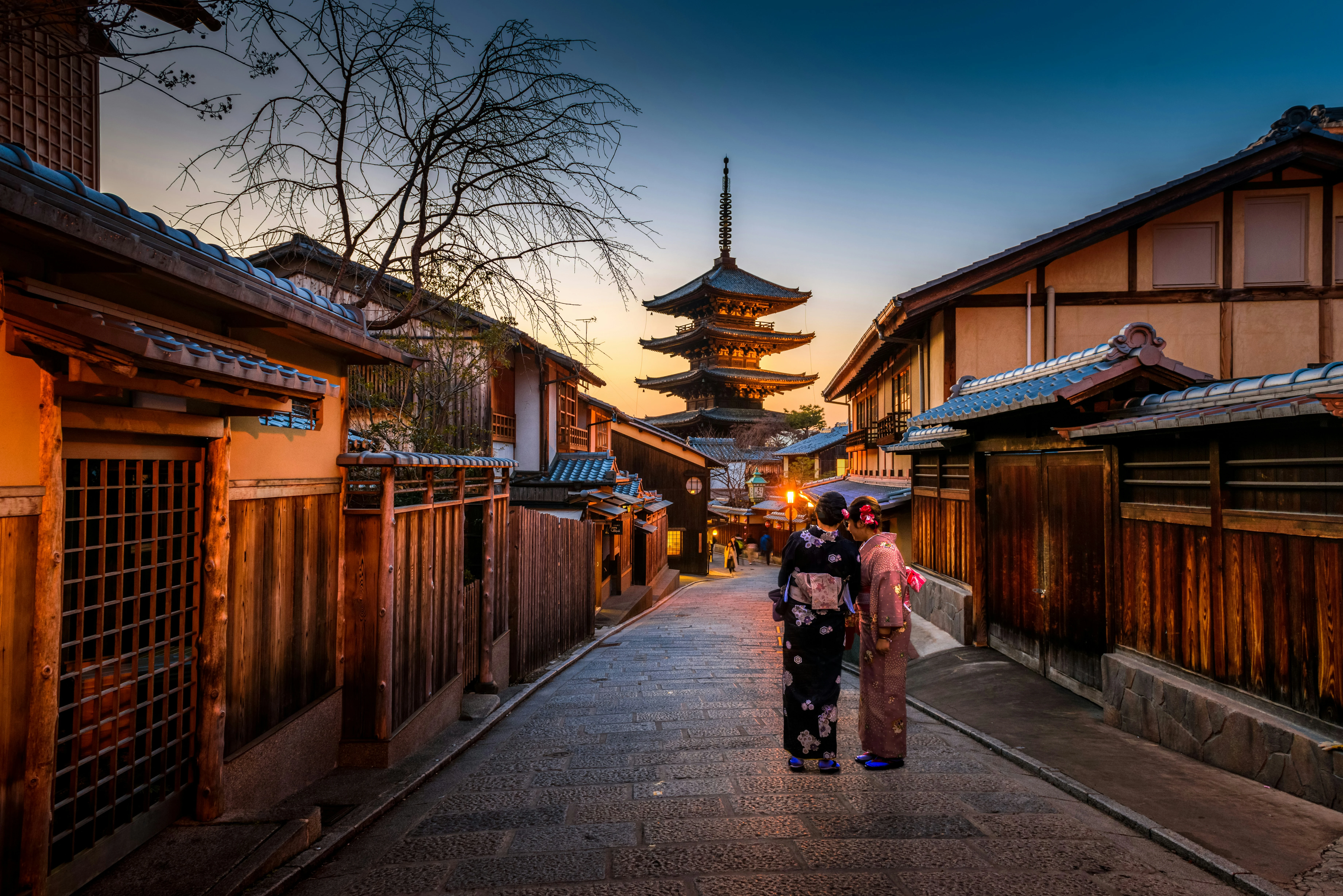
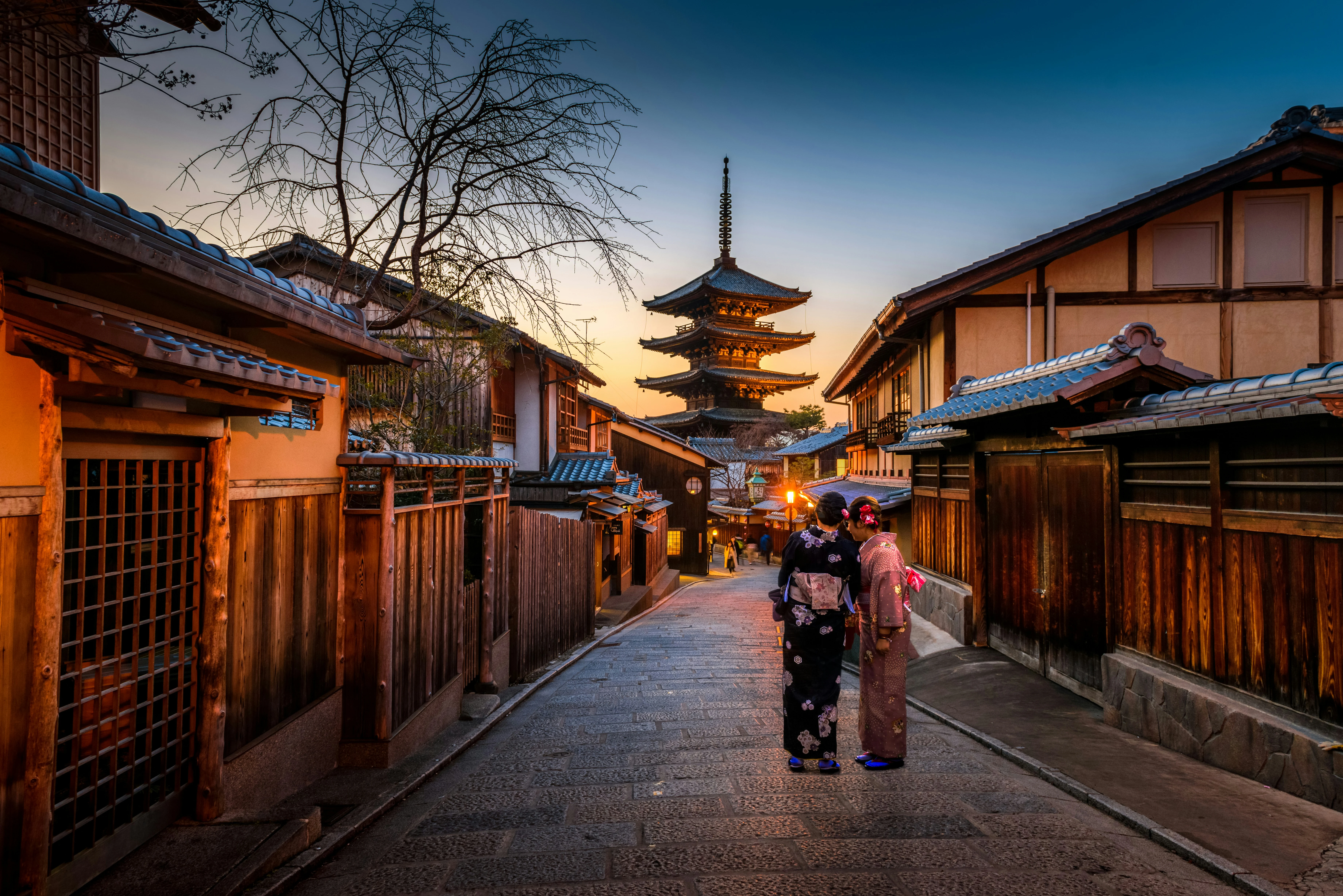
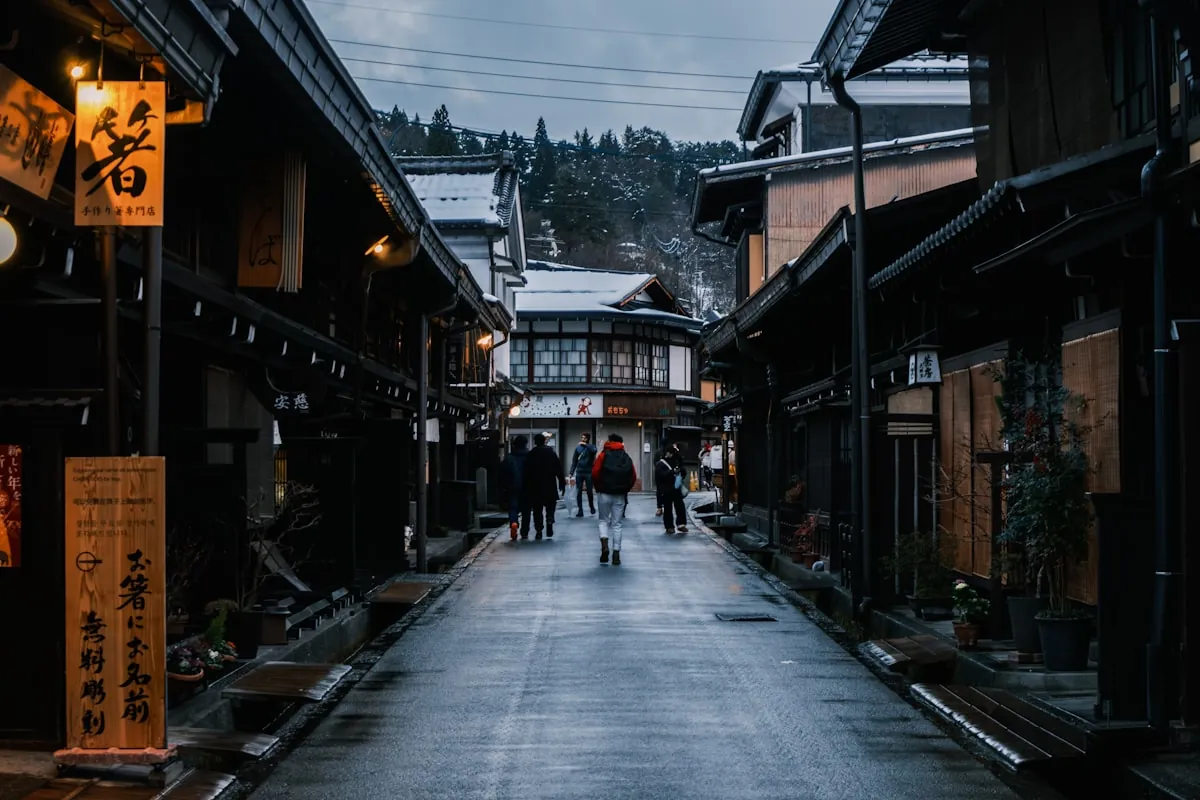
The classic walk runs downhill, north-to-south. Take a bus or taxi up to Kiyomizu-dera for opening at 06:00, descend via Kiyomizu-zaka (the busy approach lined with sweet, pickle and pottery shops), turn into Sannenzaka (the ‘three-year slope’; superstition holds you’ll die in three years if you trip), then Ninenzaka (the ‘two-year’ counterpart), past the iconic Yasaka Pagoda standing alone above the rooftops, and out into Gion at the foot. The whole stretch is preserved historic district under city ordinance: no neon, no chains.
What to See in Higashiyama
The Higashiyama walk strings together Kiyomizu-dera at the top, the historic Sannenzaka and Ninenzaka stone-paved approach streets, the freestanding Yasaka Pagoda (Hokan-ji), and Kōdai-ji’s bamboo grove on the descent. Allow 90 minutes.
Consider This Instead
For the same temple-walk feel without the descent crowds, head north to Gion and walk Hanami-kōji at sunset. It is equally photogenic and lantern-lit, and the geisha district’s evening procession (17:30–18:30) is something Higashiyama can’t offer.
How to Get There
Getting There
- 1Bus 100 or 206 → Gojō-zaka or Kiyomizu-michi
- 2Walk uphill → Kiyomizu-dera (top of Higashiyama)
- 1Walk south on Higashiōji-dōri then turn east → Ninenzaka entrance
Tips
- Walk downhill, not uphill. Bus to Kiyomizu first, descend through Sannenzaka and Ninenzaka, end in Gion for dinner. Reverse direction means climbing 90 minutes against the daytime crowd.
- Be on Sannenzaka by 06:30. The street is a ghost town until 08:00, the only time to photograph the empty Yasaka Pagoda framed by traditional houses. By 09:30 it’s wall-to-wall kimono-rental tourists.
- Don’t buy on Kiyomizu-zaka. The 500m approach to Kiyomizu is tourist-priced (often 2× the going rate). Equivalent green tea, yatsuhashi sweets and pickles are sold at department stores around Kyoto Station for half.
- Yasaka Pagoda (Hokan-ji) is best photographed from Yasaka-dōri. The famous shot, pagoda framed by sloping stone street, is taken from approximately the spot 80m east of Higashiōji on Yasaka-dōri. Tripods are tolerated before 08:00; banned after.
Adjacent Neighborhoods
Districts on Higashiyama’s edge:
FAQ
How long does the Higashiyama walk take?
90 minutes for the standard Kiyomizu-dera → Sannenzaka → Ninenzaka → Yasaka Pagoda → Yasaka Shrine descent, including a 30-min stop at Kiyomizu. Add another hour if you stop at Kōdai-ji or browse the historic shops.
Sannenzaka or Ninenzaka first?
Walking downhill from Kiyomizu, you hit Sannenzaka first (steeper, named for ‘three-year slope’), then Ninenzaka (gentler, ‘two-year’). The naming comes from how many years before you should not trip; superstition holds the trip predicts your death.
Are kimono rentals worth it?
Aesthetically, yes: half the photos you see online are taken in rented kimono. Practically, the rentals (~¥3,500–8,000/day, dressing included) include hair styling and walk-in pickup at most Higashiyama shops. Reserve same-day before 11:00 in peak season.
Where to bathe in Kyoto
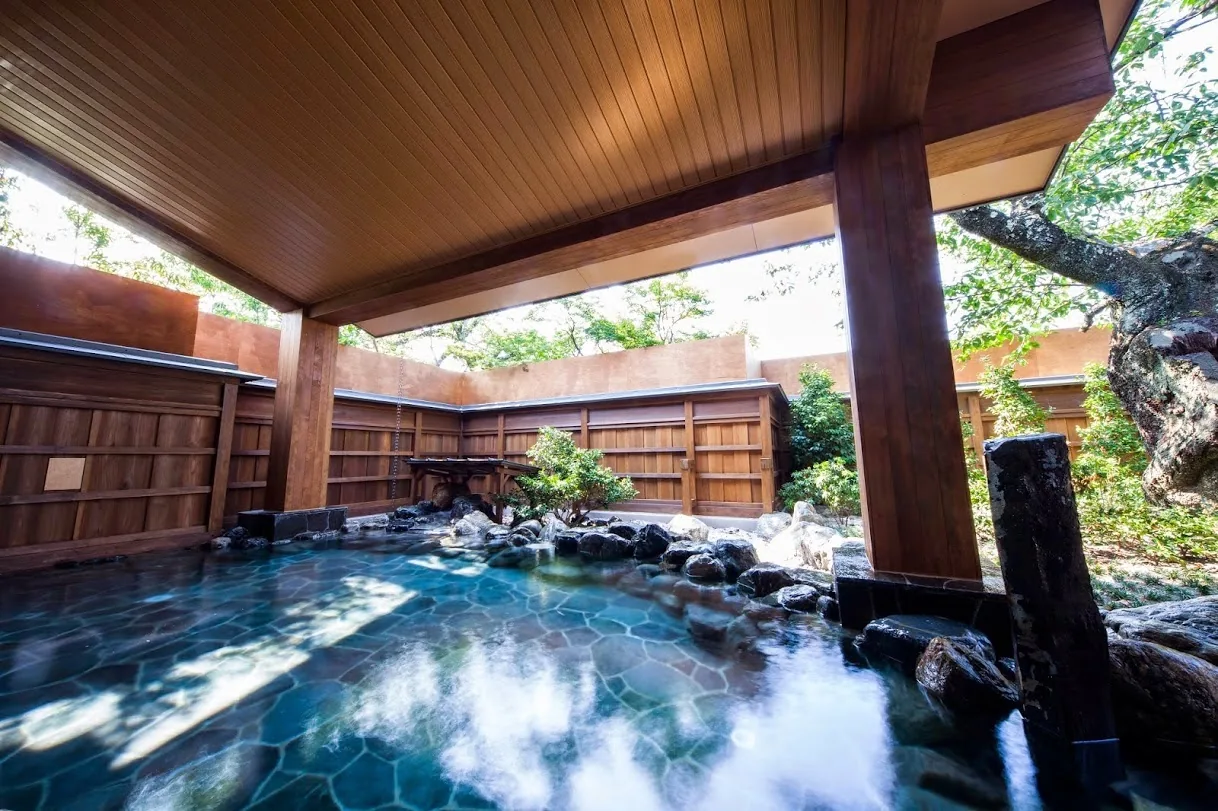
Onsen
Fu Fu No Yu Onsen
public4.11.8k
Klook-bookable; iconic experience
Day-use onsen in Kyoto: 1,816 Google reviews, 4.1★ average.
Hours, address
- Hours
- Monday: 12:00 – 10:00 PM / Tuesday: 12:00 – 10:00 PM / Wednesday: 12:00 – 10:00 PM / Thursday: 12:00 – 10:00 PM / Friday: 12:00 – 10:00 PM / Saturday: 12:00 – 10:00 PM / Sunday: 12:00 – 10:00 PM
- Address
- 1 Arashiyama Kamikawaracho, Nishikyo Ward, Kyoto, 616-0001, Japan