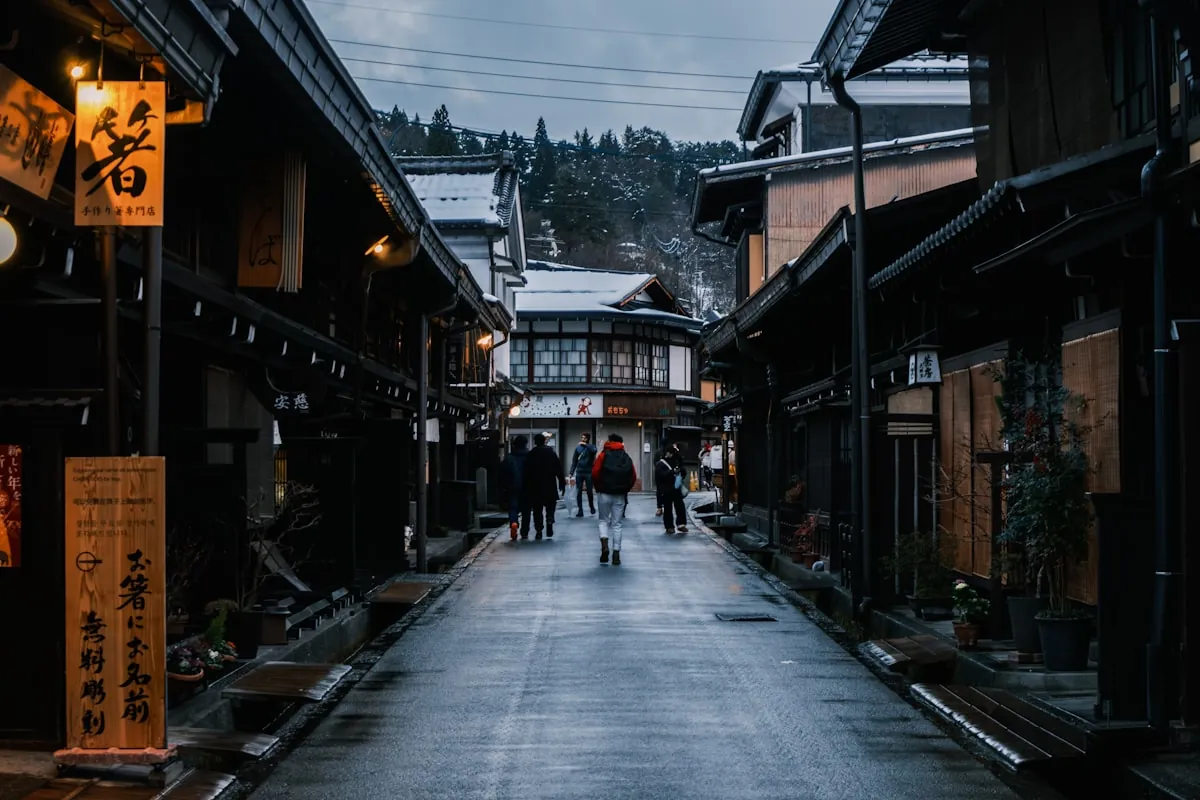
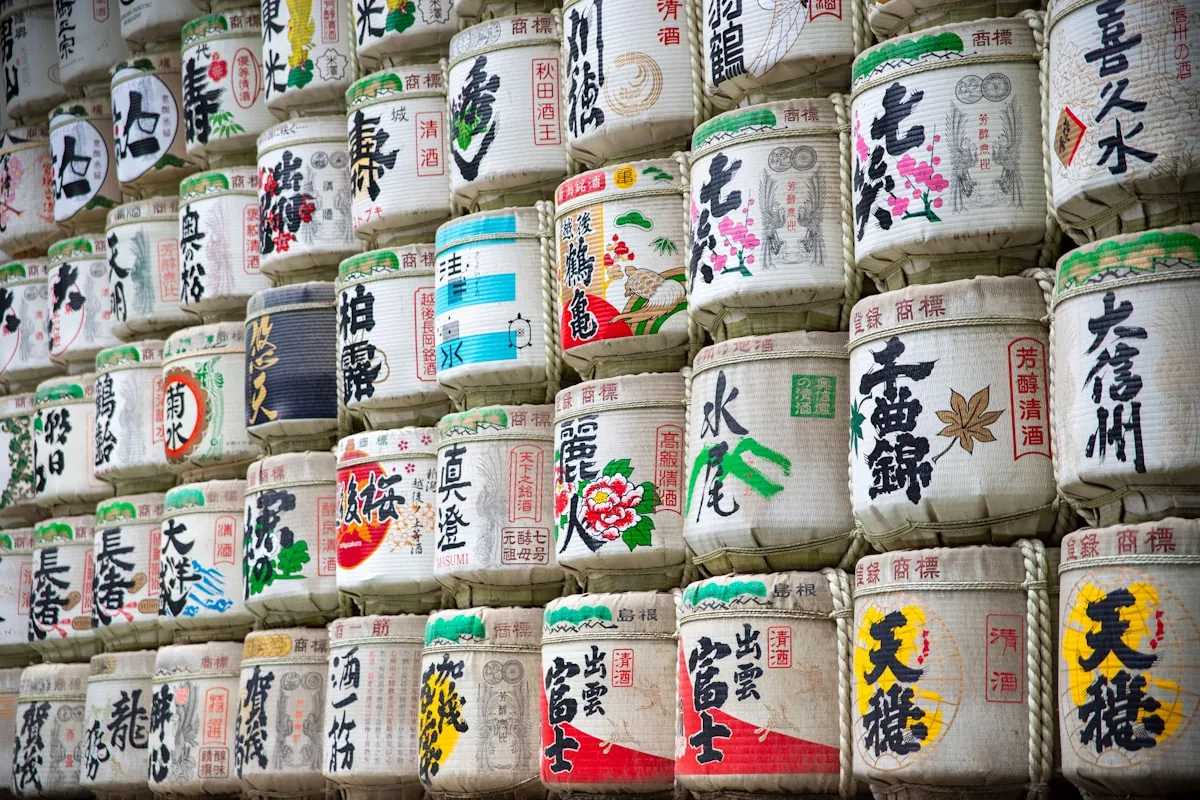
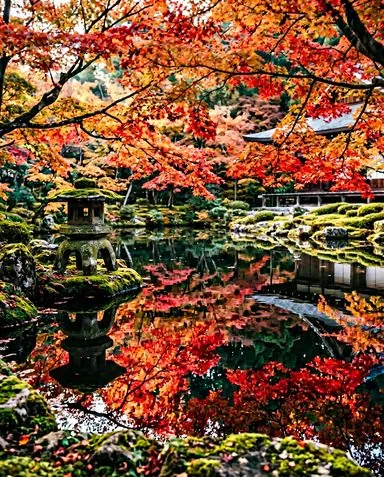
Sendai is the biggest city in northern Honshu and the easiest door into Tohoku: 90 minutes on the Shinkansen, then suddenly the pace drops. The one-eyed warlord Date Masamune built it, and his gilded mausoleum Zuihoden and hilltop Aoba Castle still set the tone. Come for gyutan (beef tongue), the August Tanabata festival, and day trips to Matsushima Bay.
When to Visit
Four real seasons, milder than the rest of Tohoku, and one week in August when the whole city dresses up.
What to Do in Sendai
Date Masamune's legacy, a National Treasure shrine, and the markets where the city actually eats.
Icons worth the crowds
Hidden gems
More Sendai highlights
Skip the Crowds
- Tanabata (Aug 6–8) draws two million visitors. Book beds months out, or come the week after when the city exhales.
- Zuihoden is quiet before 10:00; combine it with the riverside walk along the Hirose.
- Eat gyutan at a Kokubuncho branch in the evening instead of queueing at the station's Gyutan-dori at noon.
- Skip the loop-bus queue: the Loople Sendai runs every 20 minutes, so buy the ¥630 day pass and board one stop early.
- Futahashira Shrine and the morning market see almost no tourists at all.
Food & Drink
Sendai's holy trinity: charcoal-grilled gyutan, zunda (sweet edamame paste), and Kokubuncho's izakaya alleys.
Where to eat in Sendai: gyutan, zunda & seafood21 verified picks across the city→Where to Stay
Stay central for food and transport, or out in the Akiu Onsen valley for a ryokan night.
Booking links are affiliate links. They cost nothing extra and support the site.
Day Trips
Two of Tohoku's biggest sights sit within an hour of Sendai Station.
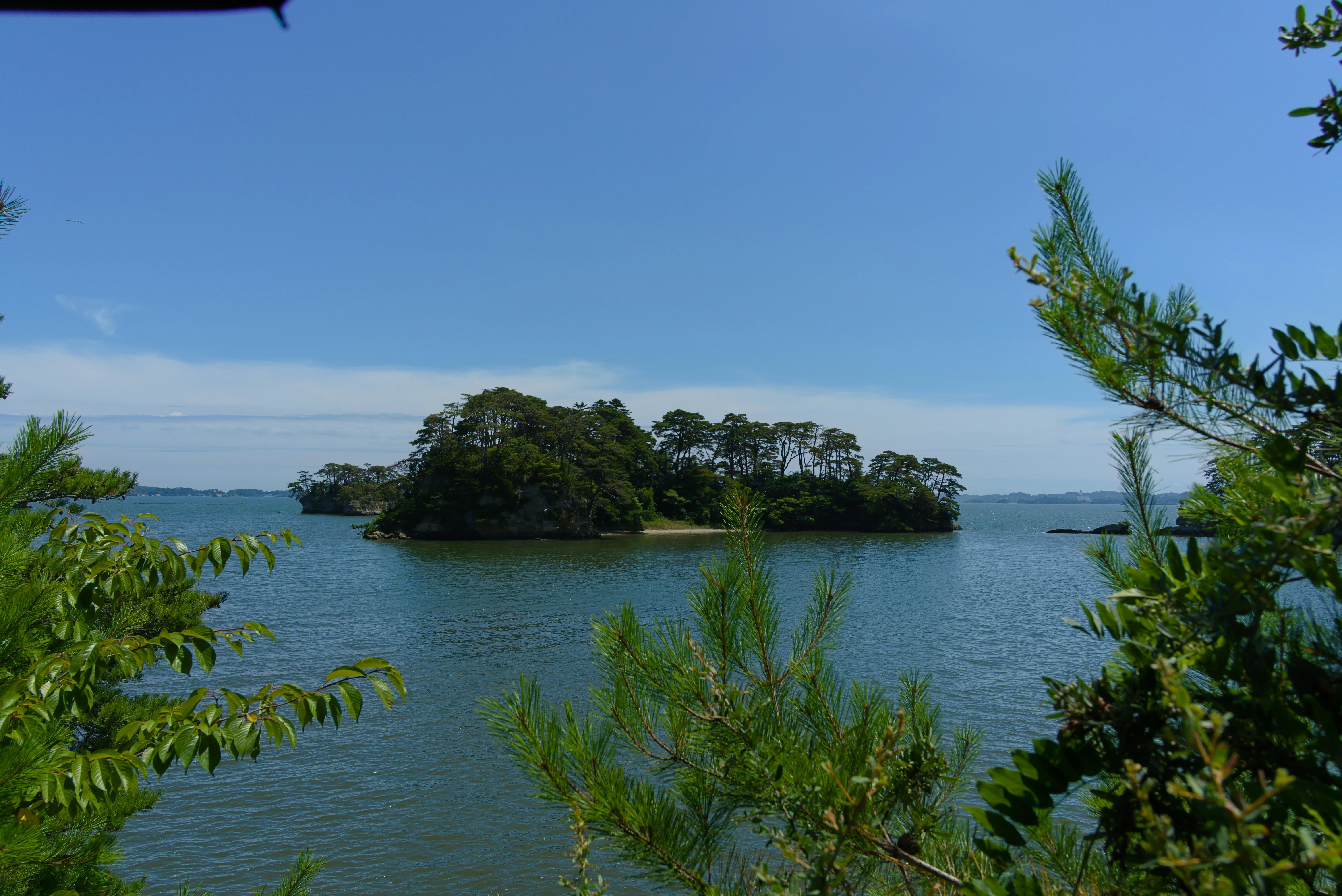
Matsushima Bay
One of Japan's classic Three Views: 260 pine-covered islands, 40 minutes by local train
Bay of pine islands
- Bay cruise
- Zuigan-ji temple
- Oyster shacks
Yamadera
Mountainside temple of 1,015 steps that inspired Basho's cicada haiku, one hour on the Senzan Line
Basho's cliff temple
- 1,015 stone steps
- Godaido lookout
- Senzan Line ride
How to Get There
FAQ
Is Sendai worth visiting?
Yes. As Tohoku's gateway it pairs a real city (food, nightlife, museums) with big sights an hour away: Matsushima Bay, Yamadera and the Akiu Onsen valley. It rarely feels crowded outside Tanabata week.
What is Sendai famous for?
Date Masamune's castle town heritage, gyutan (charcoal-grilled beef tongue), zunda sweets, the Tanabata Festival (Aug 6–8) and the tree-lined Jozenji-dori avenue.
How many days do I need?
One full day covers Zuihoden, the castle hill and Osaki Hachiman. Two lets you add Matsushima or Yamadera; three brings in an Akiu Onsen overnight.
Is Sendai a good base for Tohoku?
The best one. The Shinkansen puts Yamagata, Hiraizumi and Morioka within easy reach, and local lines cover Matsushima and Yamadera. Hotel prices are noticeably lower than Tokyo.
When is the Tanabata Festival?
August 6–8 every year, with fireworks on the evening of August 5. Thousands of giant paper streamers hang in the arcades; two million visitors come, so book accommodation months ahead.
What are Sendai's hidden gems?
Futahashira Shrine's matchmaking blessings, the breakfast counters of Sendai Asaichi market, the Hirose riverside walk below the castle, and the Rairaikyo Gorge footpath at Akiu.