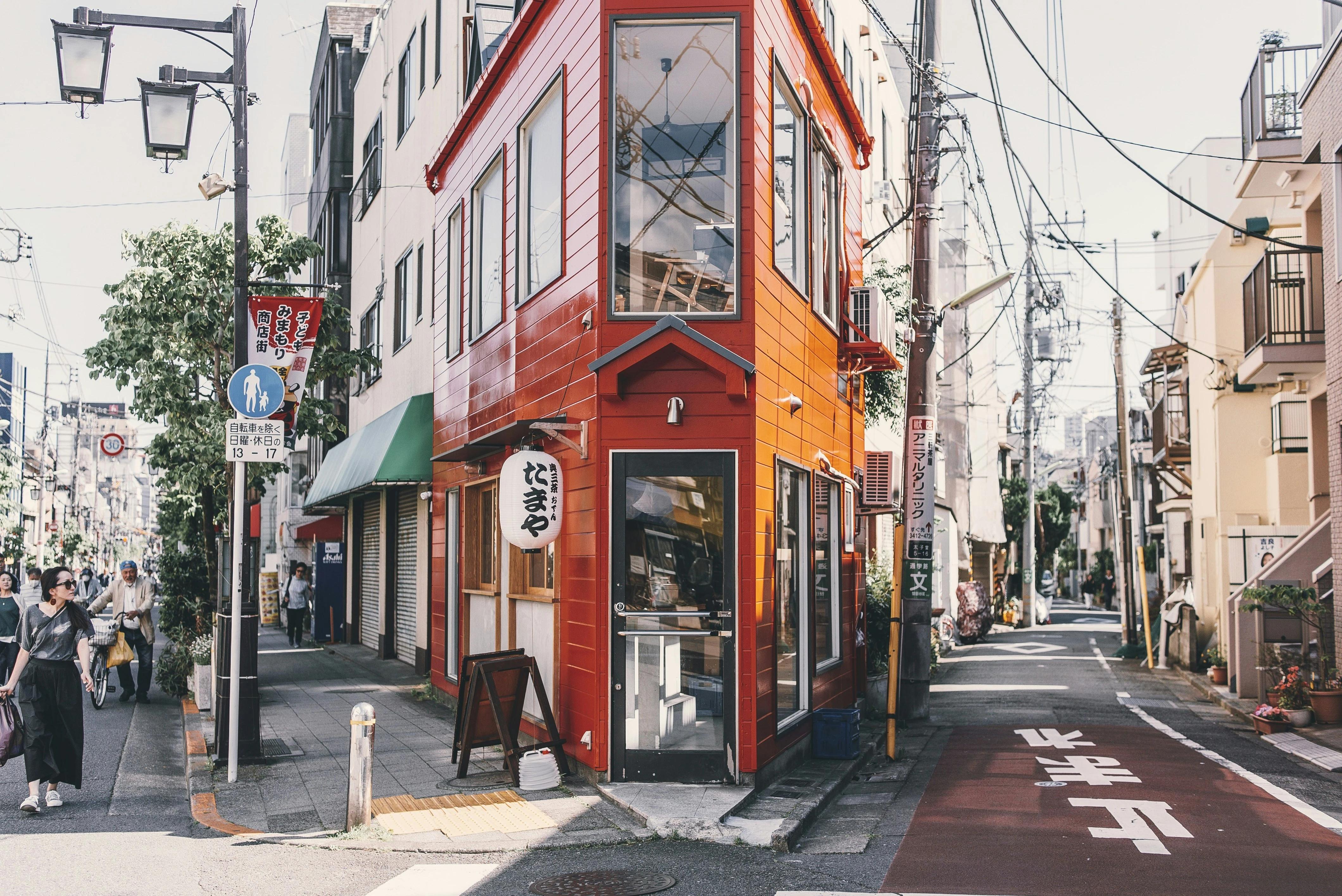

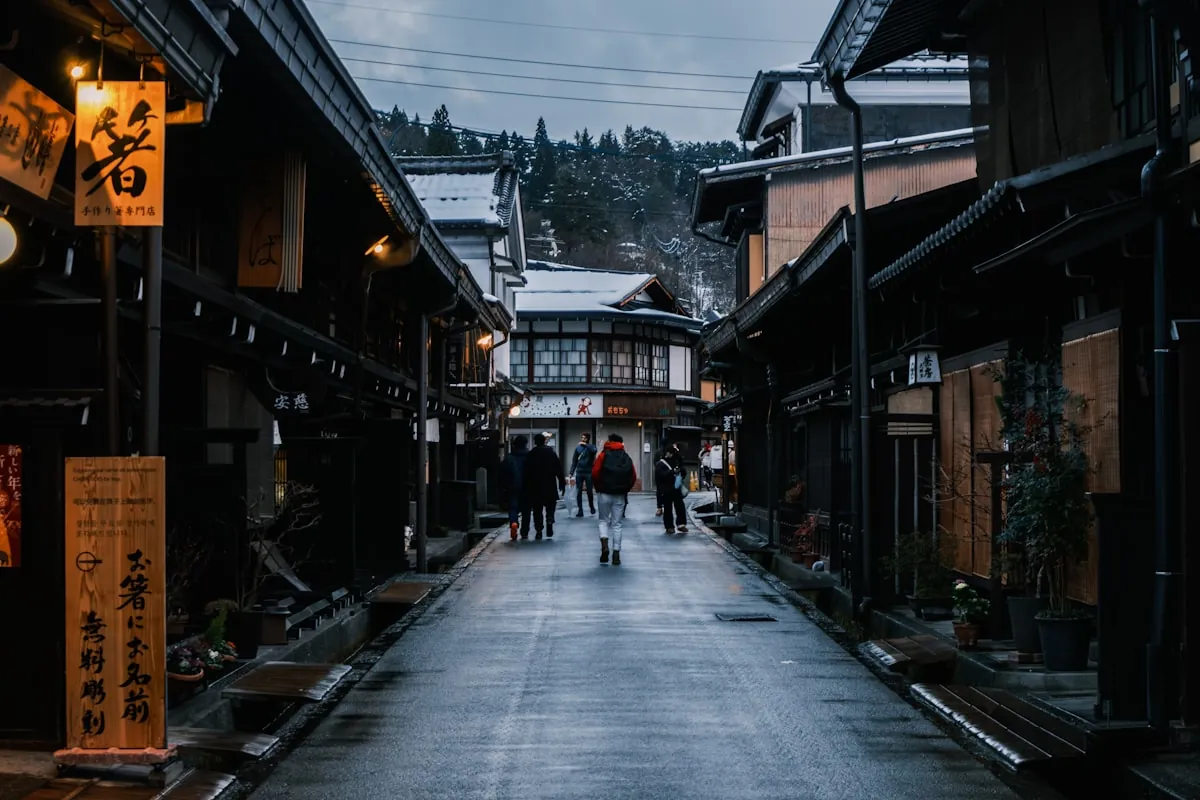

Tsukuda is the tiny island wedged between Tsukishima and the Sumida estuary, settled by Osaka fishermen invited to Edo by Tokugawa Ieyasu in 1612 to supply the shogunate. The original village pattern survives in narrow alleys and the working tsukudani (sweet-soy seafood preserve) shops that gave Japan’s preserved-food category its name.
What to Expect
Cross the bridge from Tsukishima Station; the neighborhood is 200m square. Walk the alleys to Tsukudajima Sumiyoshi Shrine (founded 1646, the protector shrine of the original fishermen). On the way, the working Tenyasu tsukudani shop has been making sweet-soy seafood preserve since the Edo period; ¥800 for a take-home tin. The Edo-era street pattern is what makes the neighborhood feel out-of-time.
How to Get There
Getting There
From Tokyo Station
- 1Take Tokyo Metro Yurakucho Line → Tsukishima Station
- 2Walk north over the bridge → Tsukuda
Tips
- 30-min walk after Tsukishima monja dinner. Edo-village alleys lit by lanterns; quiet contrast.
- Buy tsukudani at Tenyasu. ¥800 take-home tin; the working source of the food category.
- Sumiyoshi summer festival. Triennial (next 2026), full mikoshi parade through the alleys.
FAQ
Why hidden gem?
Most foreign visitors stop at Tsukishima; few cross the bridge. The neighborhood is residential and quiet, which is the appeal.
How long?
30-45 min for the alley walk + shrine + tsukudani shop.