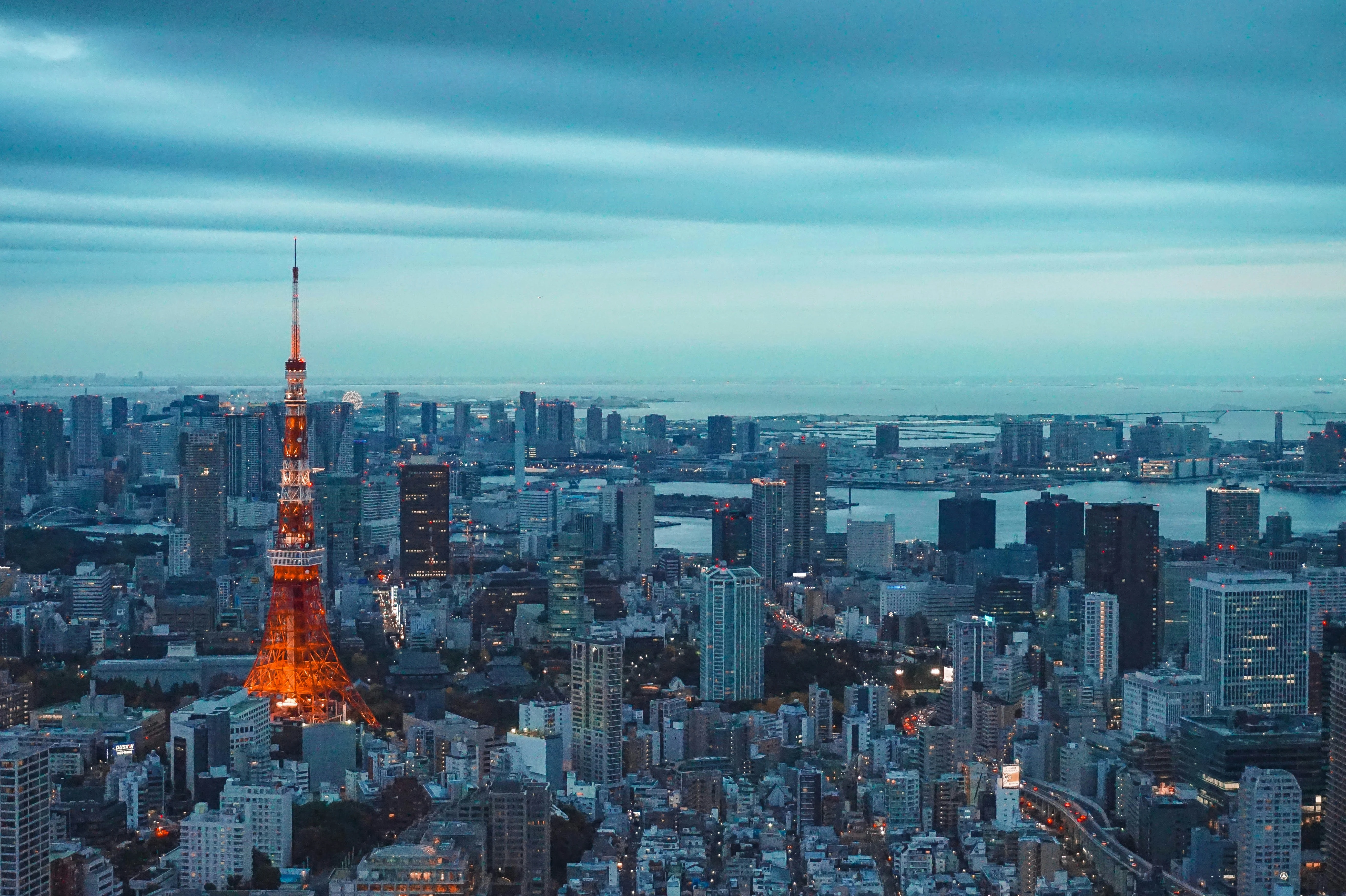
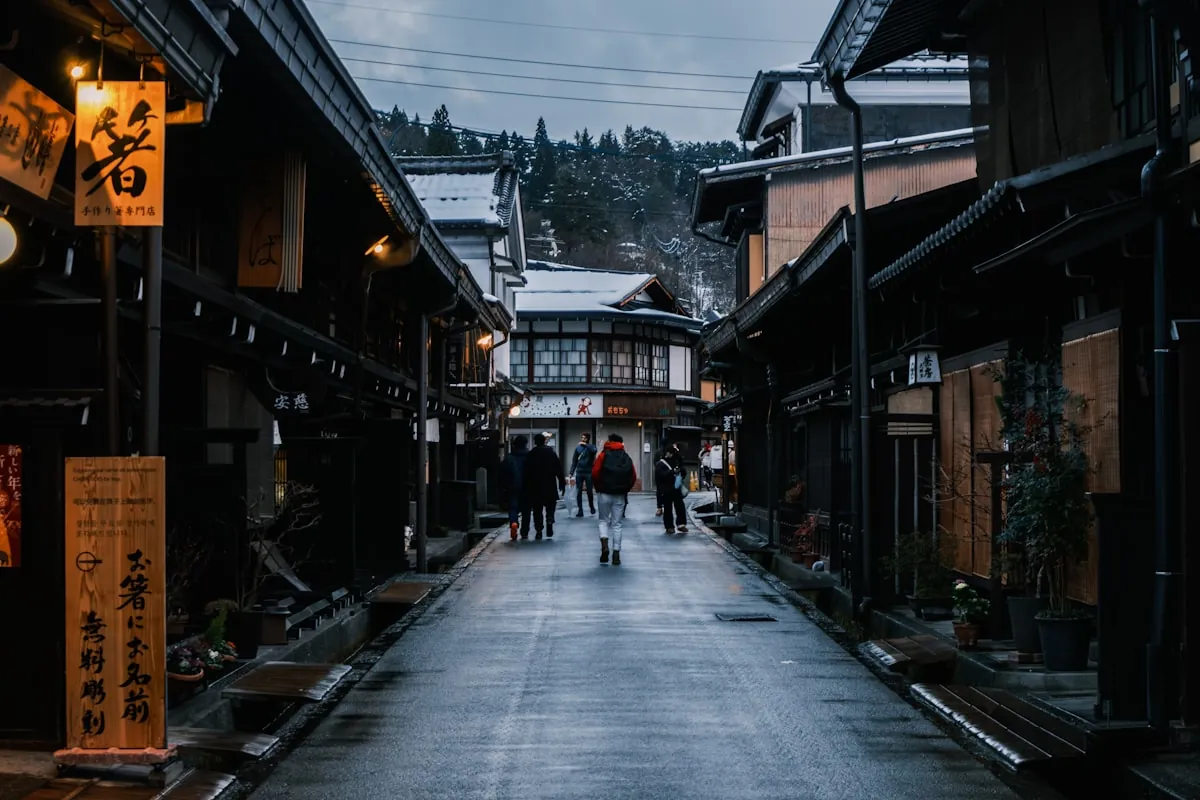

Akasaka sits between the Imperial Palace, the National Diet (parliament) and Roppongi: politicians’ neighborhood during the day, business-traveller and traditional ryotei (high-end Japanese restaurant) zone in the evening. Hie Shrine’s vermilion torii tunnel on the slope is the photogenic anchor; the rest is offices, hotels and discreet alley restaurants.
Character of the District
Hie Shrine (Hie-jinja) on the slope is the neighborhood’s photogenic centre, with a vermilion torii tunnel ascending 100m from the eastern entrance and the main shrine at the top with sweeping skyline views. The 1659 founding tied it to Tokugawa shoguns; today it’s the protector shrine of the National Diet across the street.
Akasaka Sacas (TBS broadcasting + restaurant complex) anchors the modern side; Hitotsugi-dori back-streets hide the ryotei (Japanese-only menus, reservation required) and the working-class izakaya for the politicians’ aides.
What to See in Akasaka
Three things to do in Akasaka:
Consider This Instead
For the full art-and-nightlife scene with the same upmarket hotel density, head 10 min west to Roppongi: Mori Tower, three museums, and a much more visible nightlife scene.
How to Get There
Getting There
- 1Take Tokyo Metro Marunouchi to Akasaka-mitsuke → Akasaka-mitsuke
- 1Take Tokyo Metro Ginza Line → Akasaka-mitsuke
Tips
- Hie Shrine via the east torii tunnel. Sunrise photos empty; the central west entrance has stairs but no tunnel.
- Hitotsugi-dori for affordable dinner. Skip the ryotei (¥30,000+); the back-street izakaya serves politicians’ staff at ¥3,000.
- Hotel-base option. Akasaka has business hotels at lower prices than Roppongi/Ginza, with the same Tokyo Metro reach.
Adjacent Neighborhoods
Districts on Akasaka’s edge:
FAQ
Akasaka or Roppongi?
Akasaka = quieter, business-hotel base, Hie Shrine. Roppongi = visible nightlife + art museums. They’re 10 minutes apart; pick one to sleep, visit the other.
Worth visiting Hie Shrine?
Yes, for the torii tunnel: Tokyo’s answer to Fushimi Inari at 1/40 the scale. Free, sunrise empty.