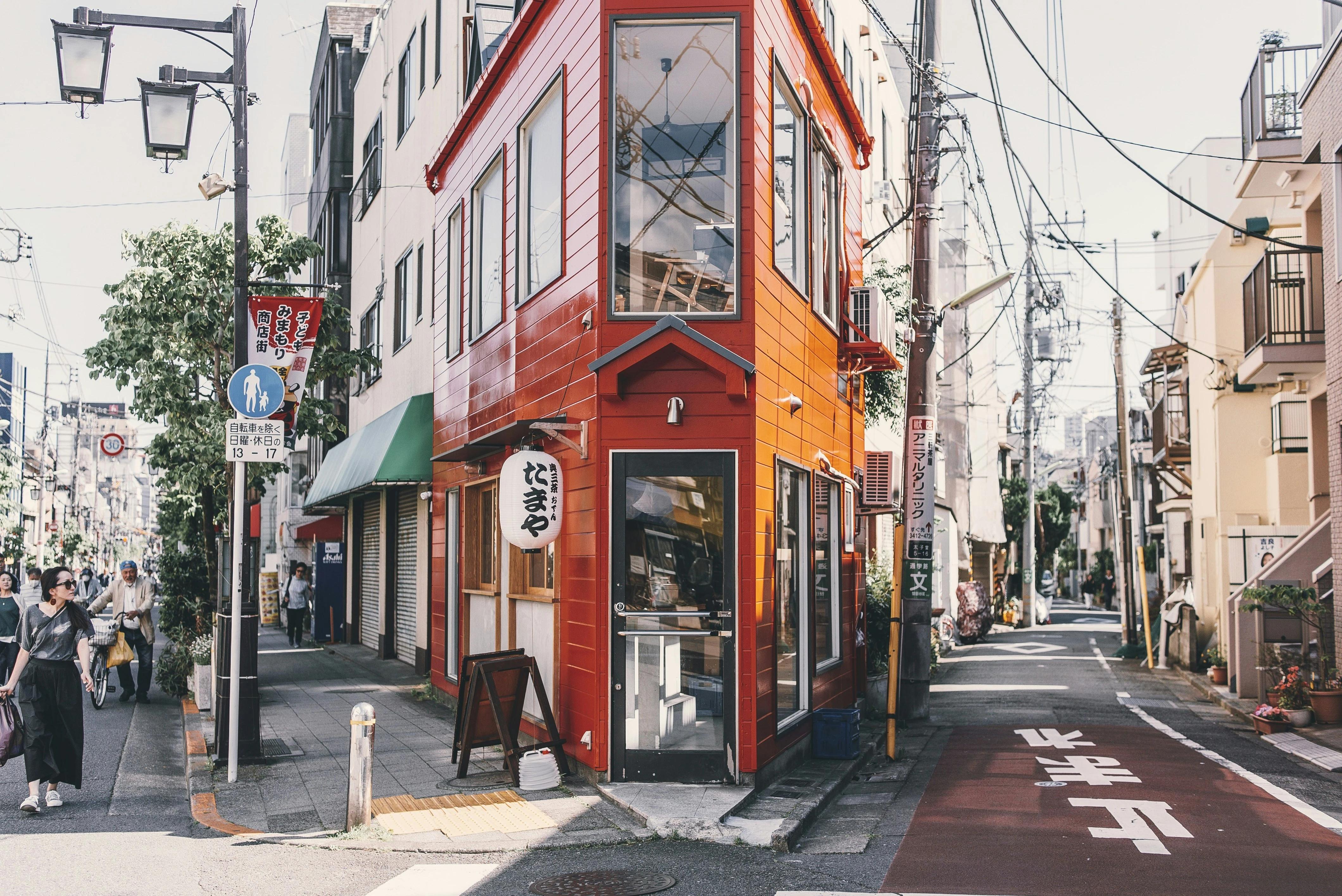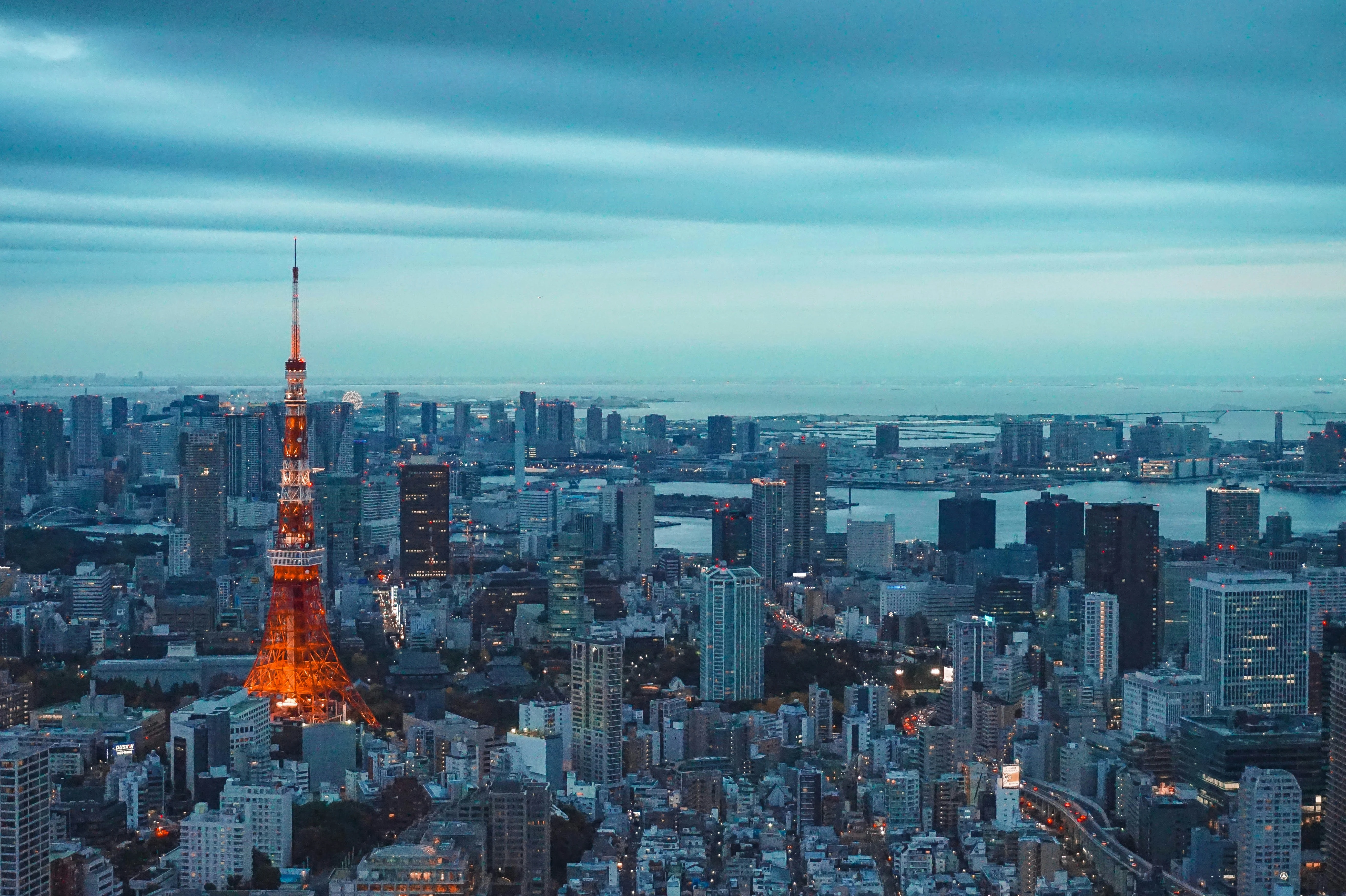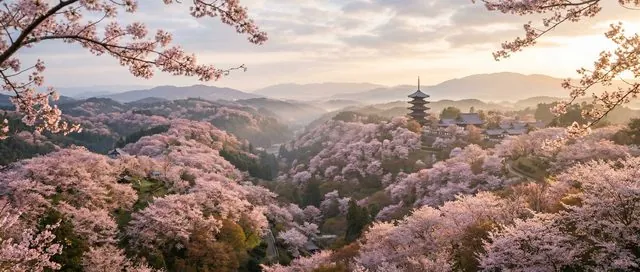
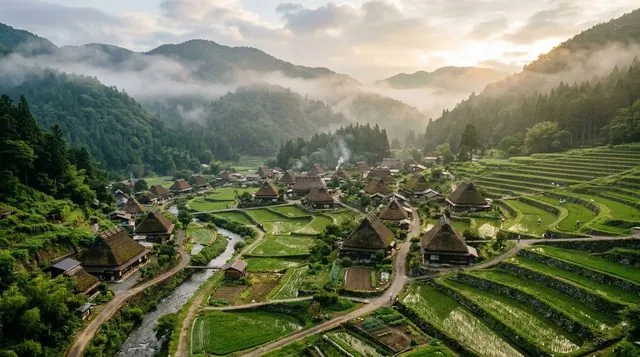


Akagi-jinja was founded in 1300 on the Kagurazaka hill, destroyed by fire repeatedly, and rebuilt by Kengo Kuma in 2010 in glass-and-concrete, a deliberate modernist statement. The main hall is glass-walled (visible deity altar from outside), the residential building above adopts the same vocabulary, and the original wooden torii is preserved at the entrance approach.
What to Expect
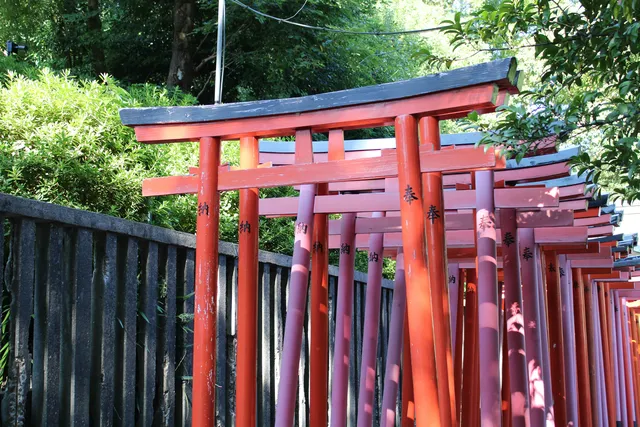
The 2010 reconstruction is what makes this shrine worth visiting. Kuma kept the traditional Shinto layout (torii, washbasin, main hall altar) but executed it in transparent glass and exposed concrete. You see the deity from outside; you see the city around through the building. A small modernist Shinto experiment that locals respect and tourists rarely find.
Consider This Instead
For a more traditional Edo-era shrine in central Tokyo, head to Hie Shrine in Akasaka: vermilion torii tunnel, 1659 founding, no concrete reinterpretation.
How to Get There
Getting There
From Shinjuku Station
- 1Take JR Chuo-Sobu Line → Iidabashi Station
- 2Walk up Kagurazaka-dori → Akagi Shrine
Tips
- Free + 24/7. No ticket, walk in any time.
- Photogenic at sunrise. Glass walls catch low light through the wooden torii.
- Combine with Hyogo-yokocho. 5-min walk south for the cobblestone geisha alley.
FAQ
Why a modernist shrine?
The 2007 fire forced rebuilding; rather than imitate Edo wooden tradition, the shrine commissioned Kuma to reinterpret. Locals divided when it opened; consensus by 2015 was that it works.
How long?
10-20 min.