

Omotesando is the 1.1km tree-lined boulevard built in 1920 as the formal approach to Meiji-jingu shrine. It was replanted with zelkova trees post-WWII, lined with luxury flagships from the 1980s onward, and anchored at the centre by Tadao Ando’s 2006 Omotesando Hills mall. North-side back streets hold Cat Street: vintage clothes, indie cafes, the calmer parallel.
Character of the District
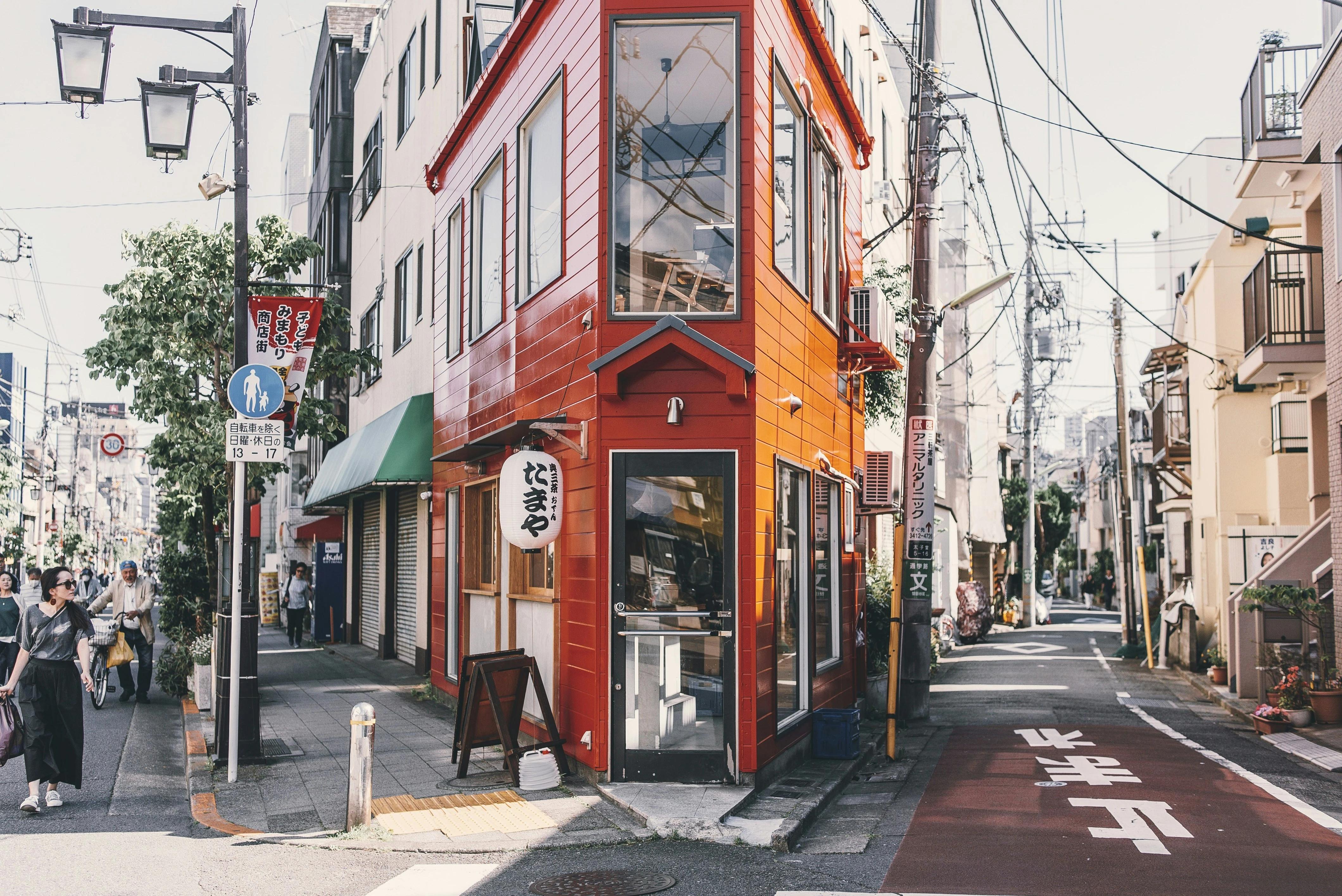
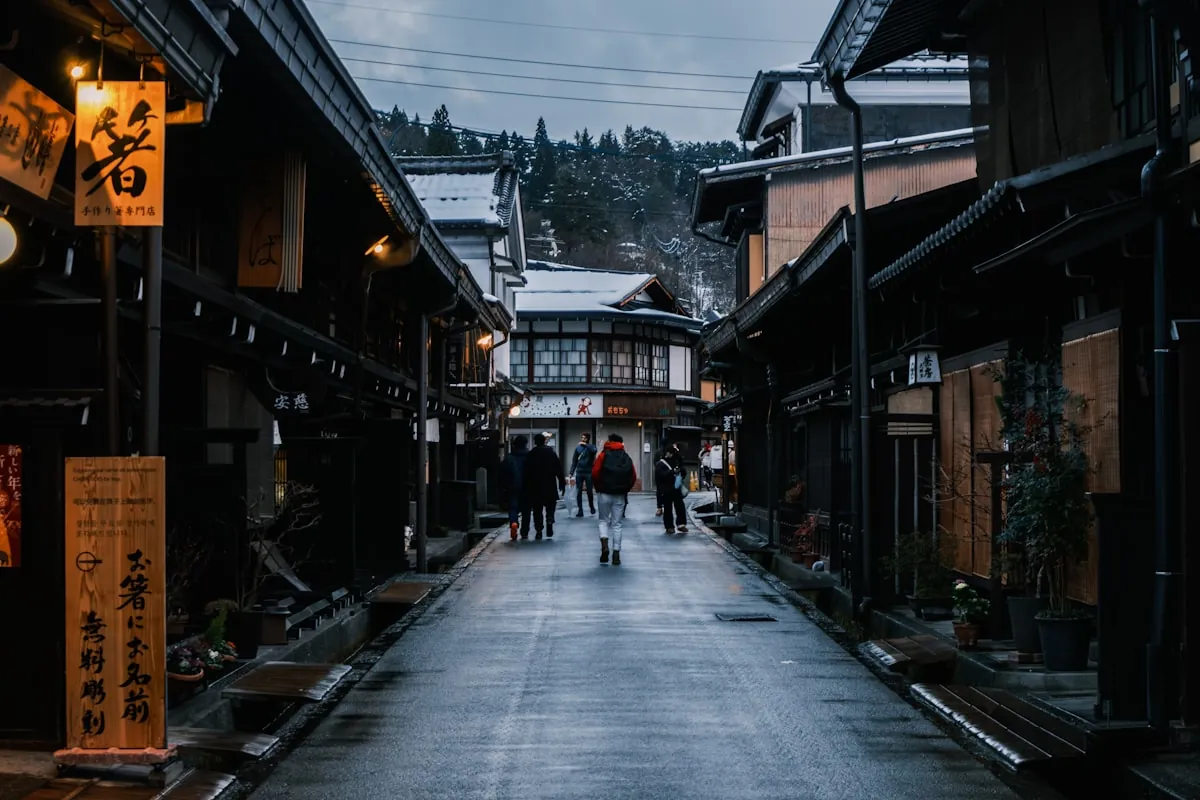
Walk the boulevard from Harajuku Station east to Omotesando Station: 1.1km, 15 minutes at a stroll. Tadao Ando’s Omotesando Hills (2006) wraps a sloped multi-floor mall around an internal ramp; the building’s south-end Annex preserves a 1927 apartment block. Side-street Cat Street runs parallel north, with the same vintage-shop + indie-cafe density as Shimokitazawa but with Harajuku-foot-traffic spillover.
What to See in Omotesando
Three anchors in walking order:
Consider This Instead
For the same indie-vintage vibe without the boulevard tourists, head to Shimokitazawa, Cat Street’s grittier west-Tokyo cousin, 10 min from Shinjuku on the Odakyu Line.
How to Get There
Getting There
- 1Take Tokyo Metro Ginza Line → Omotesando Station
- 1Take Marunouchi Line to Akasaka-mitsuke → Akasaka-mitsuke
- 2Transfer to Ginza Line → Omotesando
Tips
- Walk the boulevard at golden hour. Late afternoon for the zelkova-tree avenue light through the canopy.
- Cat Street parallel north. Same vintage + indie-cafe density, half the foot traffic.
- Combine with Harajuku Sunday. Boulevard + Takeshita-dori cosplay = full youth-Tokyo loop.
Adjacent Neighborhoods
Districts on Omotesando’s edge:
FAQ
Omotesando or Aoyama for design?
Omotesando = the boulevard with Hills mall + Cat Street vintage. Aoyama = the architecture flagships east. One walking loop covers both.
How long?
60 min for the boulevard walk + Cat Street browse. 90 min if you enter Omotesando Hills.