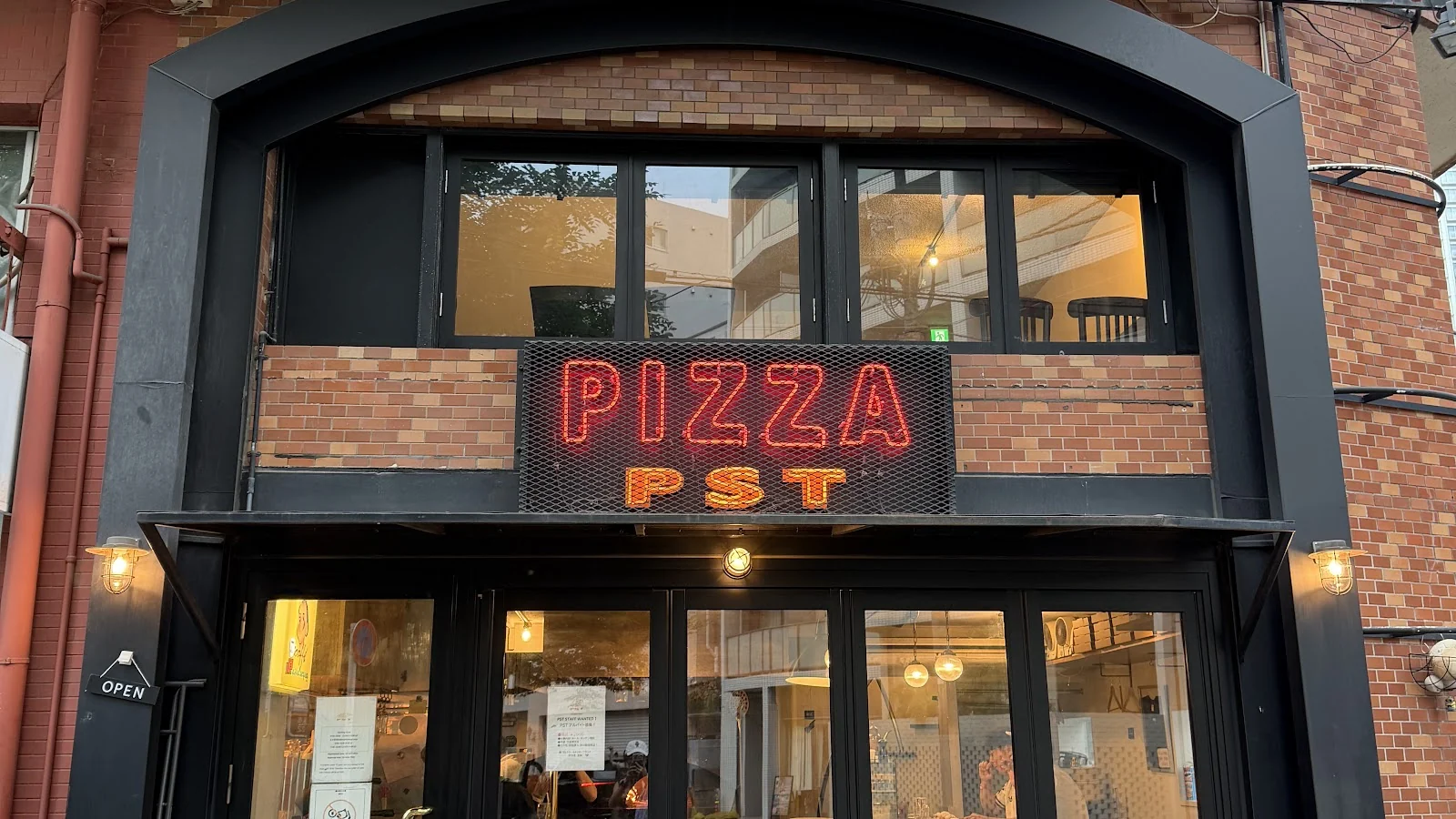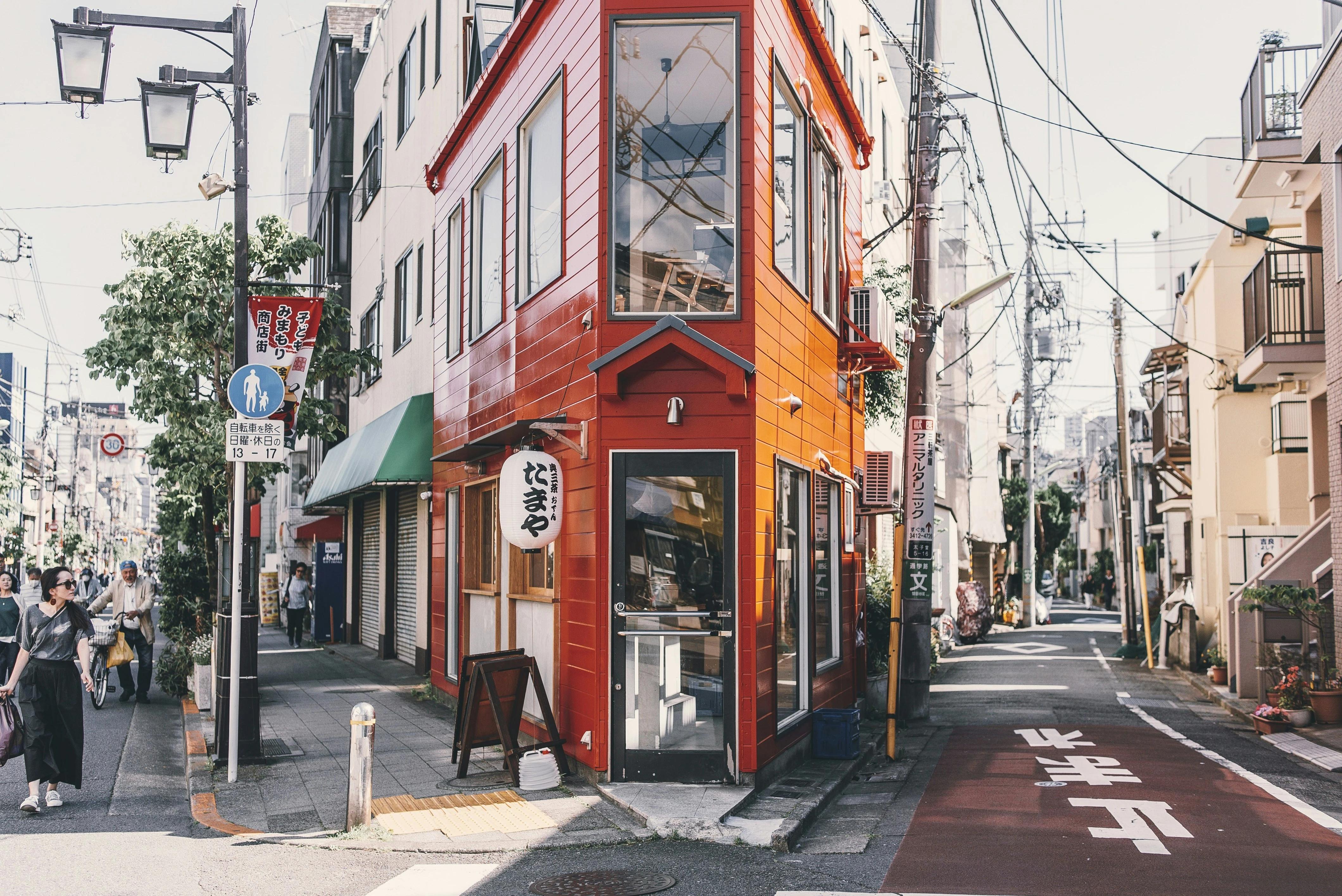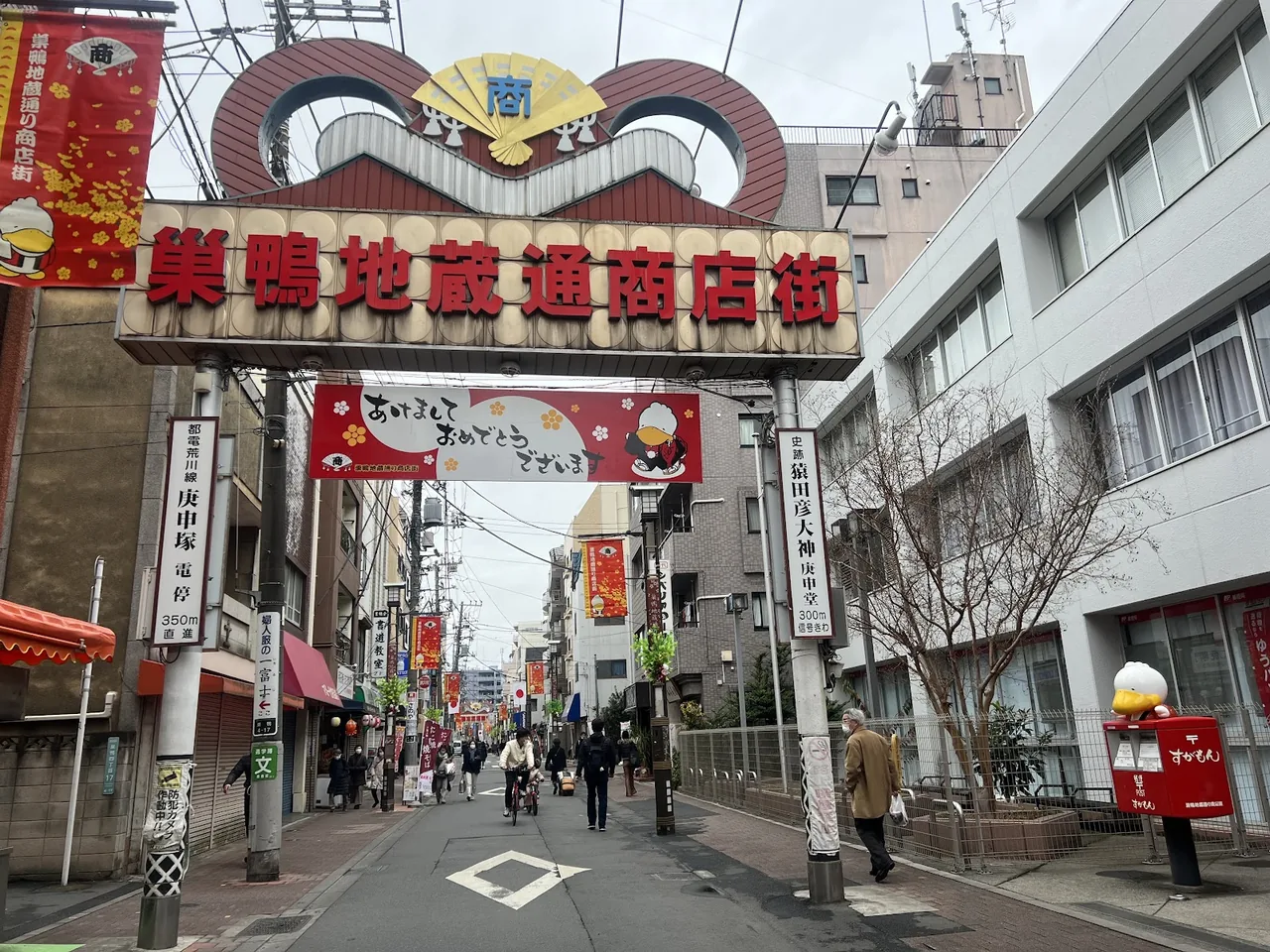

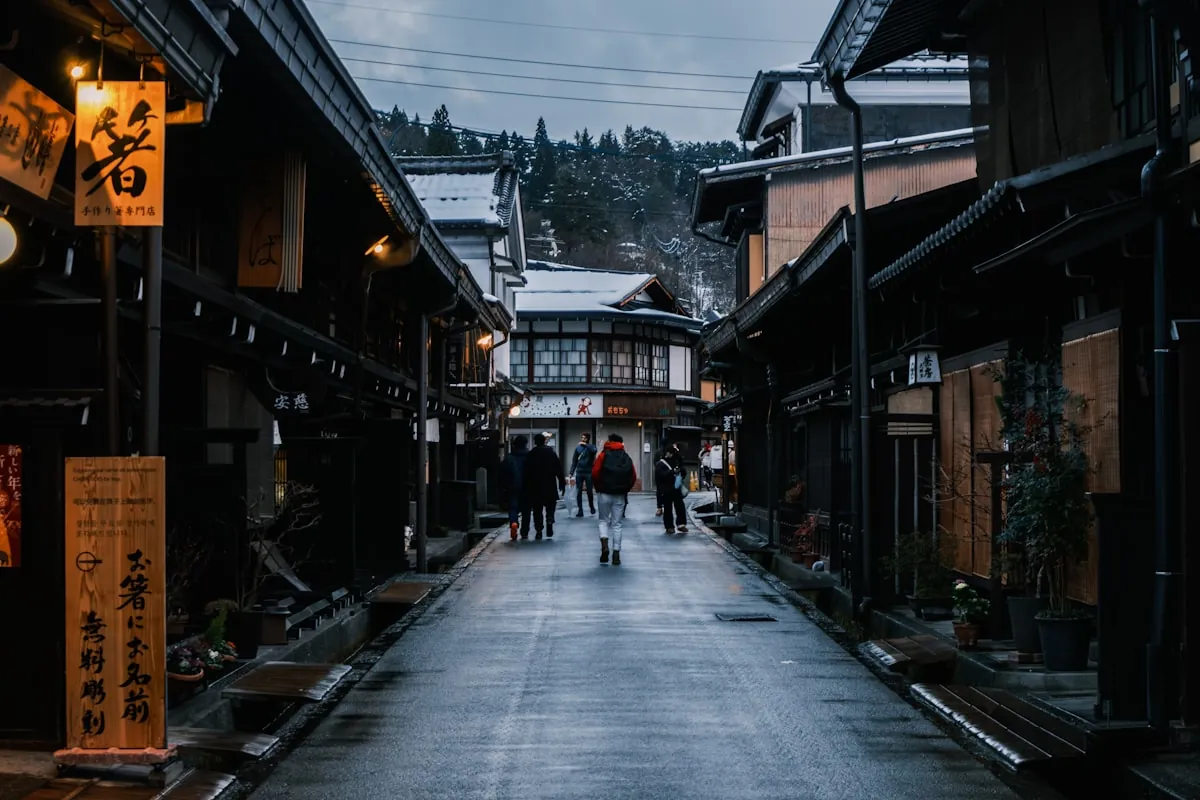

Kagurazaka is the cobblestone hill rising from Iidabashi station, an Edo-era geisha district that survived modernisation enough to keep 30 working teahouses on the side alleys, plus an unexpected French expat community (the Lycée Français and Institut Français are nearby) that filled the modern shopfronts with bistros, boulangeries and wine bars.
Character of the District
Climb from Iidabashi’s west exit up the main Kagurazaka-dori slope. The side alleys (Hyogo-yokocho, Honda-yokocho, Geisha-shindo) have the cobblestones and the surviving teahouses: black walls, single lanterns, no signs in English. Most ryotei work by introduction only; some welcome walk-ins (Tori-jaya, Wakana). The 1952 Akagi-jinja shrine on the hill was rebuilt in glass-and-concrete by Kengo Kuma (2010), a Shinto-meets-modern detail you won’t find elsewhere.
What to See in Kagurazaka
Three things to see in Kagurazaka:
How to Get There
Getting There
- 1Take JR Yamanote to Yotsuya → Yotsuya
- 2Transfer to Tokyo Metro Namboku → Iidabashi Station
- 1Take JR Chuo-Sobu Line → Iidabashi Station
Tips
- Evening for the alleys. Cobblestones lit by lanterns; weekday for empty photo angles.
- French bistros are real. Le Bretagne for galettes (Japan’s first), La Boheme wine bar, Comme Toujours.
- Don’t walk into a closed-curtain teahouse. If the noren is hanging, look but don’t enter unless you have a reservation; many ryotei are introduction-only.
Consider Tsukuda Instead

- Where
- Tsukuda, Chuo Ward, Tokyo
- Map
- Open in Google Maps →
Tsukuda preserves Edo-period character through its narrow lanes and historic waterfront setting.
Adjacent Neighborhoods
Districts on Kagurazaka’s edge:
FAQ
Why French bistros in a geisha district?
The Lycée Français Tokyo and Institut Français Japon are nearby. The French expat community made Kagurazaka home in the 1990s, replacing failing modern shops with restaurants their neighbours wanted.
Can I see actual geisha?
Sometimes at evening, when they walk between teahouses. Don’t take photos without permission. Most ryotei dinners cost ¥30,000+ and require a Japanese-speaking introduction.