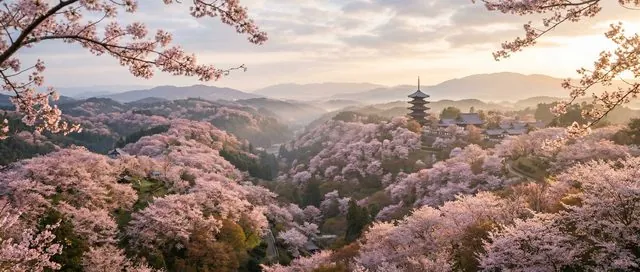
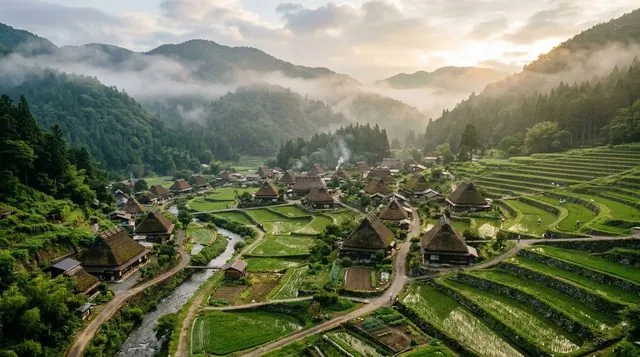

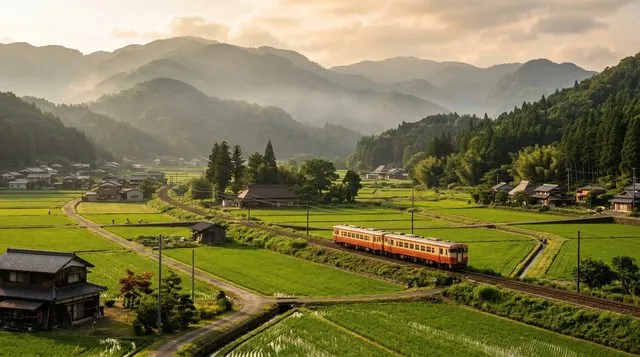
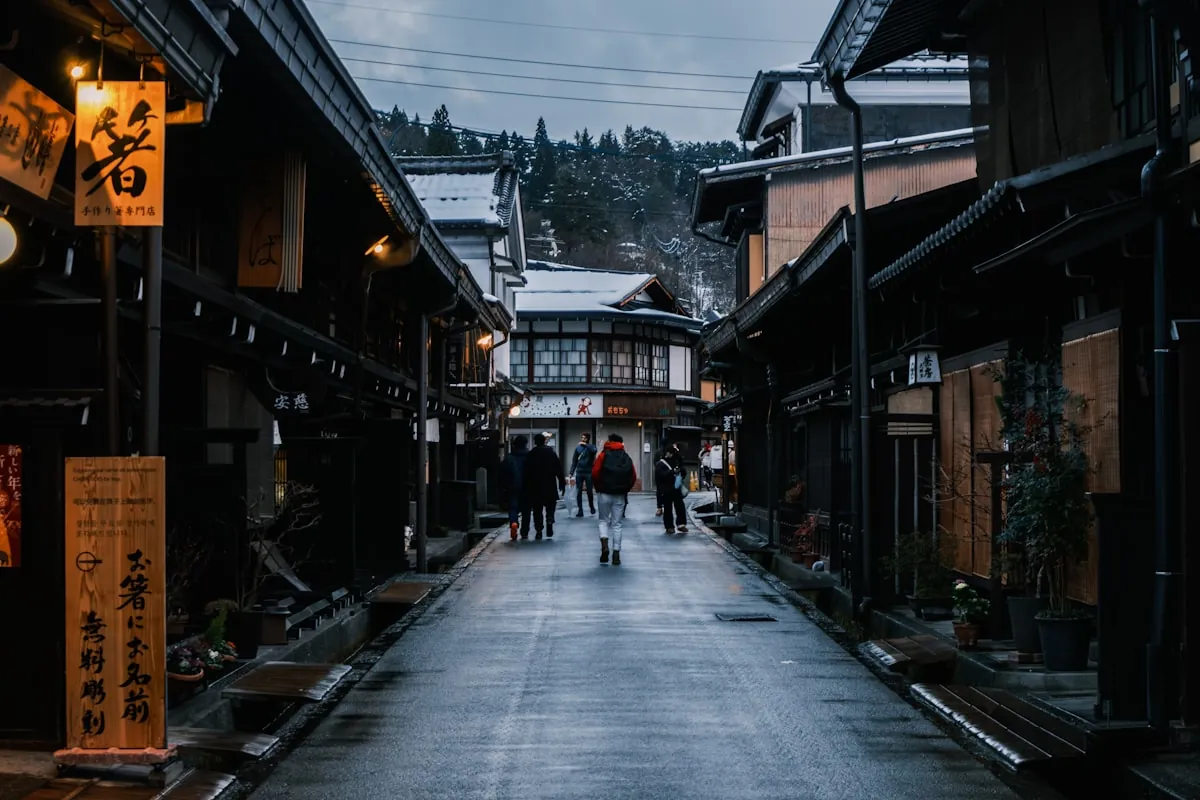
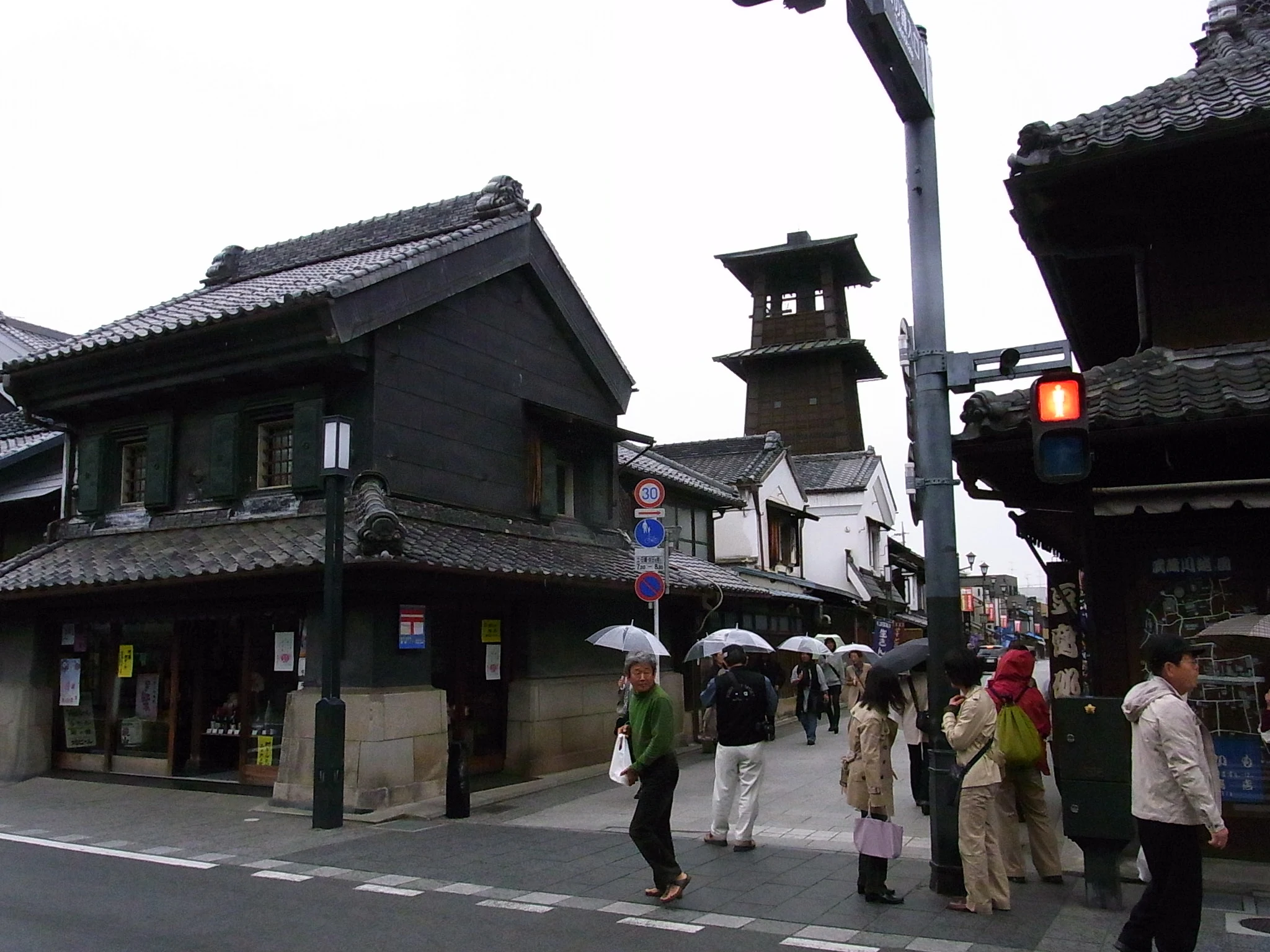

Kawagoe — locally nicknamed Little Edo — is a town in Saitama Prefecture where 19th-century kurazukuri warehouses line the main street and a wooden Bell of Time still chimes four times a day. It's the Tokyo day trip many guides recommend in passing, and the one almost everyone gets wrong by 11:00 in the morning. The right version of Kawagoe starts at 09:30, ends by 14:30, and avoids the third weekend of October entirely. Here's how to make it work.
What to Expect
Kurazukuri Street and the Bell of Time
The main street of Kawagoe is a 400-metre stretch of 30 surviving kurazukuri — earthen-walled merchant warehouses with thick black tiled roofs, originally built to be fire-resistant. They survived the 1893 fire that destroyed most of the rest of the town, which is why this single street is the densest concentration of Edo-period commercial architecture in the Tokyo region. Halfway along, a narrow side alley leads to Toki no Kane, the wooden Bell of Time tower. The bell chimes at 06:00, 12:00, 15:00, and 18:00 — a sound officially registered by the Ministry of the Environment as a "soundscape Japan wants to preserve."
Sweet Potatoes in Kashiya Yokocho
One street north of Kurazukuri sits Kashiya Yokocho, the candy-makers' alley. About 20 small shops sell variations of the same theme: imo (sweet potato) reworked into chips, ice cream, soft-serve, baked goods, and a purple-sweet-potato beer. The local Beni-imo strain has a deep magenta flesh that holds its colour through baking. Stop at the Iidaya soft-serve stand for the half-and-half sweet-potato-and-matcha cone — typically around ¥400, verify current pricing.
Hikawa Shrine and the Summer Wind-Chime Tunnel
A ten-minute walk north of Kurazukuri brings you to Kawagoe Hikawa Shrine, a 1,500-year-old shrine dedicated to a married pair of kami — which is why it draws couples praying for relationships. The shrine's seasonal pull is the Engimusubi Furin: from early July through mid-September, the main shrine corridor is filled with around 2,000 hand-painted glass wind-chimes hung above eye level. The breeze sets them off as one continuous chime. It's the thing in Kawagoe most foreign guides don't mention, and it's worth timing your visit around if your travel dates allow.
How to Get There
Getting There
- 1Take the Tobu Tojo Line — express service → Kawagoe Station
- 2Walk or take a bus to Kurazukuri Street → Kurazukuri Street
- 1Take the Seibu Shinjuku Line → Hon-Kawagoe Station
- 2Walk directly to Kurazukuri Street → Kurazukuri Street
The Tobu line is faster end-to-end but drops you further from the warehouse district. The Seibu line is slower but its Hon-Kawagoe terminal is the closest station to Kurazukuri Street — net travel time door-to-door is roughly the same. Pick by which Tokyo station is closer to your hotel.
Tips
- Arrive by 10:00. Shops along Kurazukuri Street open between 09:30 and 10:00. By 11:30 on a weekend the warehouse street is two-lane car traffic and shoulder-to-shoulder pedestrians. Mornings are quiet, photogenic, and you can actually walk into the candy shops. If you prefer not to plan the timing yourself, a half-day guided Kawagoe walking tour covers the main route with a local guide.
- Skip the festival weekend. The Kawagoe Festival on the third Saturday and Sunday of October is genuinely impressive — 800,000 visitors over two days, ornate floats, taiko teams in the streets — but it is also the worst possible time to visit if you wanted Edo-era calm. Pick almost any other weekend.
- Rent a kimono for the photos. Several shops near Honmaru-machi rent half-day kimono with hair styling included for around ¥3,500–¥5,000 — verify current pricing. Kimono rental via GetYourGuide handles the language barrier.
- Walk Taisho-roman Yume-dori. A 200-metre side street running parallel to Kurazukuri, lined with 1920s-era Western-style shopfronts. Half the foot traffic, completely different architecture, and the better coffee shops.
- Combining with Nikko? Don't. Nikko is a 2.5-hour rail trip from Kawagoe in the opposite direction from Tokyo — a same-day attempt eats six hours in transit. Save Nikko for its own day. For deeper context on Edo-era Japan, our Nakasendo Trail guide covers the route the merchants of Kawagoe used to ship goods to Kyoto.
Nearby
Three follow-on destinations within an hour of Kawagoe:
FAQ
How do I get to Kawagoe from Tokyo?
The fastest option is the Tobu Tojo Line from Ikebukuro Station to Kawagoe Station — roughly 30 minutes on the express service for around ¥490 one way (verify current fare). The Seibu Shinjuku Line from Shinjuku to Hon-Kawagoe takes about 45 minutes for ~¥510 but drops you closer to the Kurazukuri warehouse district. Net door-to-door time is about the same depending on where in Tokyo you start.
How long do you need in Kawagoe?
Three to four hours covers the essentials: Kurazukuri Street, Toki no Kane, Kashiya Yokocho, and Hikawa Shrine. If you add lunch, a kimono rental, and the Kawagoe Castle Honmaru Goten, plan for a full half-day. A full day is only worth it if you also visit the Hikawa Shrine wind-chime tunnel in summer or want to slow-explore the Taisho-roman side streets.
What is Kawagoe famous for?
Kawagoe is best known for its 19th-century kurazukuri warehouse architecture along the main Kurazukuri Street, the wooden Toki no Kane (Bell of Time) tower that chimes four times daily, and Kashiya Yokocho — the alley of small shops specialising in sweet-potato sweets. It's nicknamed "Little Edo" because the warehouse district survived a fire that destroyed most of the town in 1893 and preserves Tokyo-era merchant architecture that the capital itself has largely lost.
When is the Kawagoe Festival?
The Kawagoe Hikawa Festival is held annually on the third Saturday and Sunday of October — 800,000 visitors over two days, with elaborate festival floats parading through the warehouse streets. The festival is genuinely worth seeing but it's the most crowded weekend of the year; if you want quiet Edo atmosphere, pick a different weekend.
Can you do Kawagoe and Nikko in one day?
Not realistically. Nikko is 2.5 hours by rail from Kawagoe in the opposite direction from Tokyo, so a same-day combination eats six or more hours in pure transit and leaves you with two rushed visits. Pick one. If you must combine, do Kawagoe in the morning and head back to Tokyo for the evening, then visit Nikko on a separate full day.