
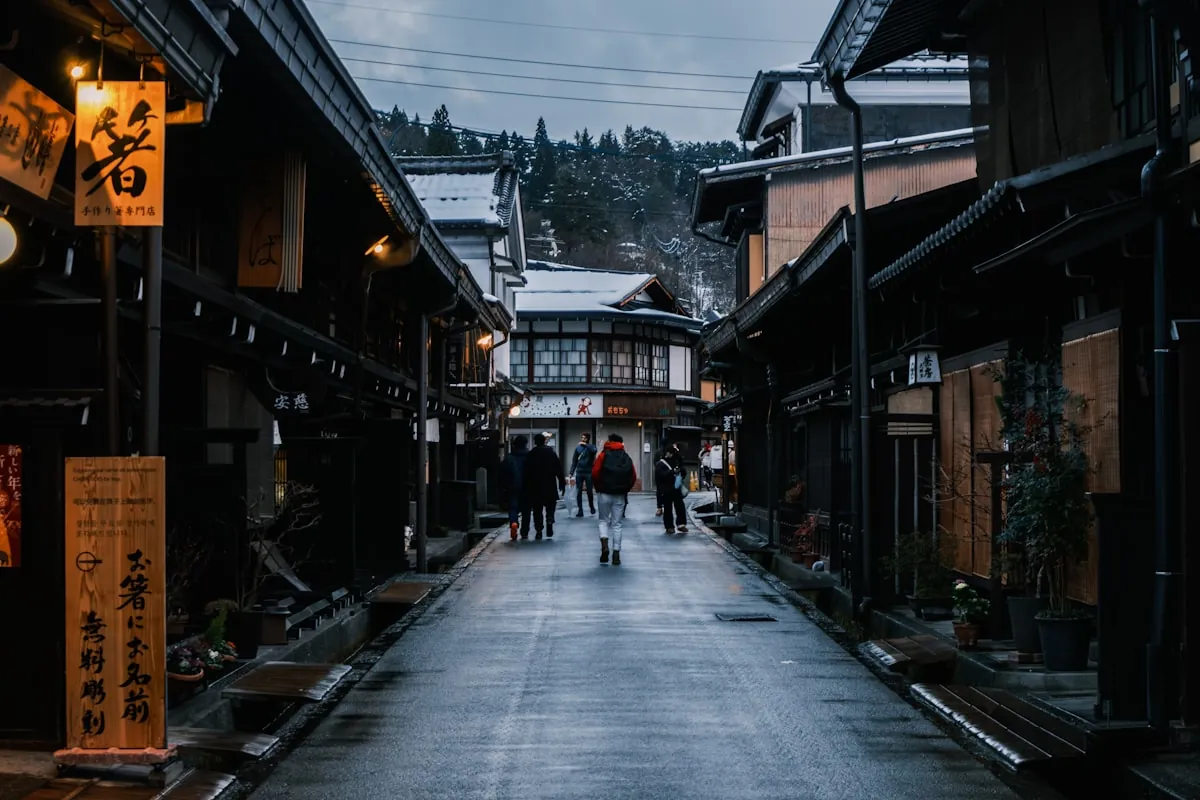
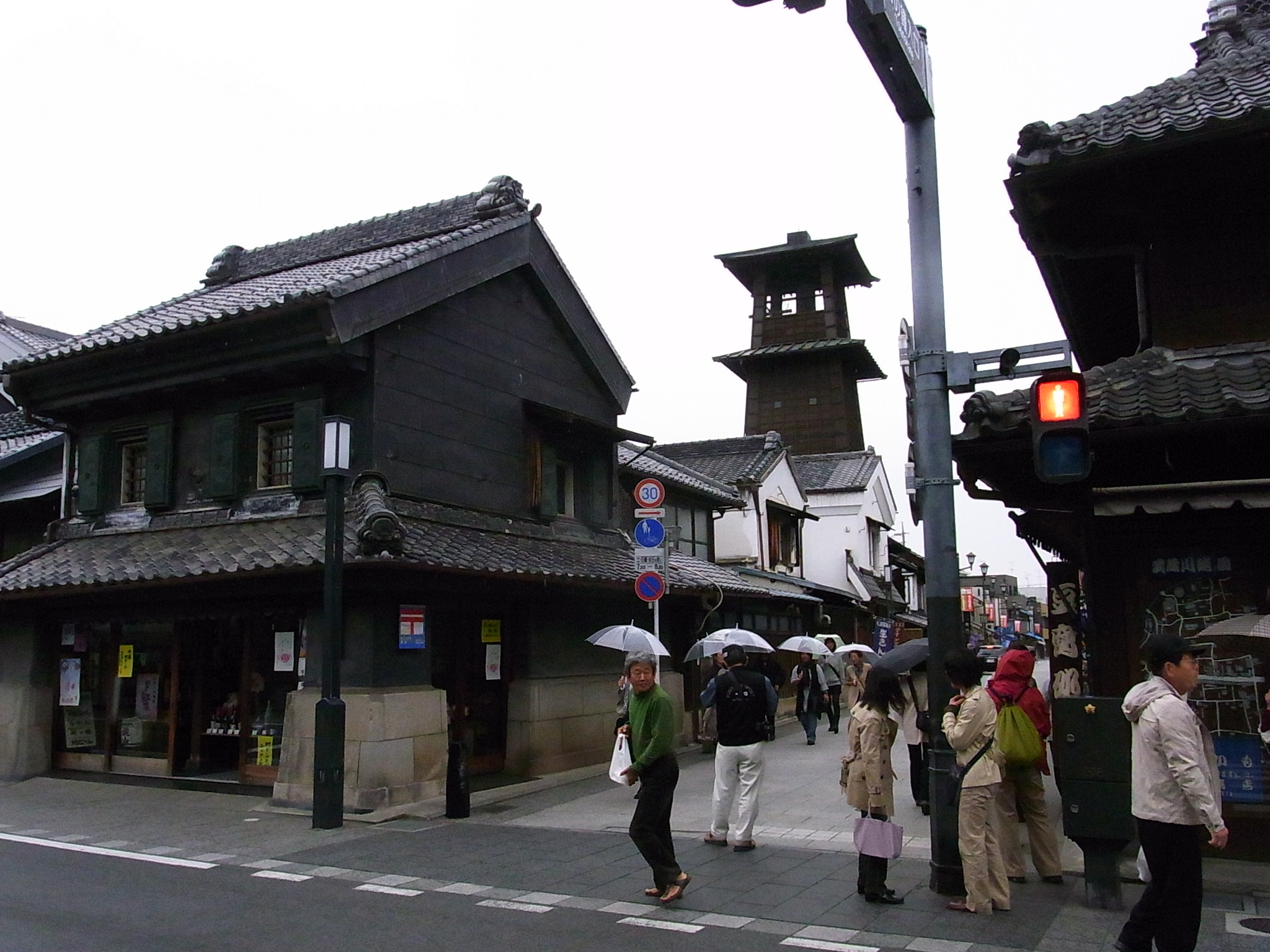
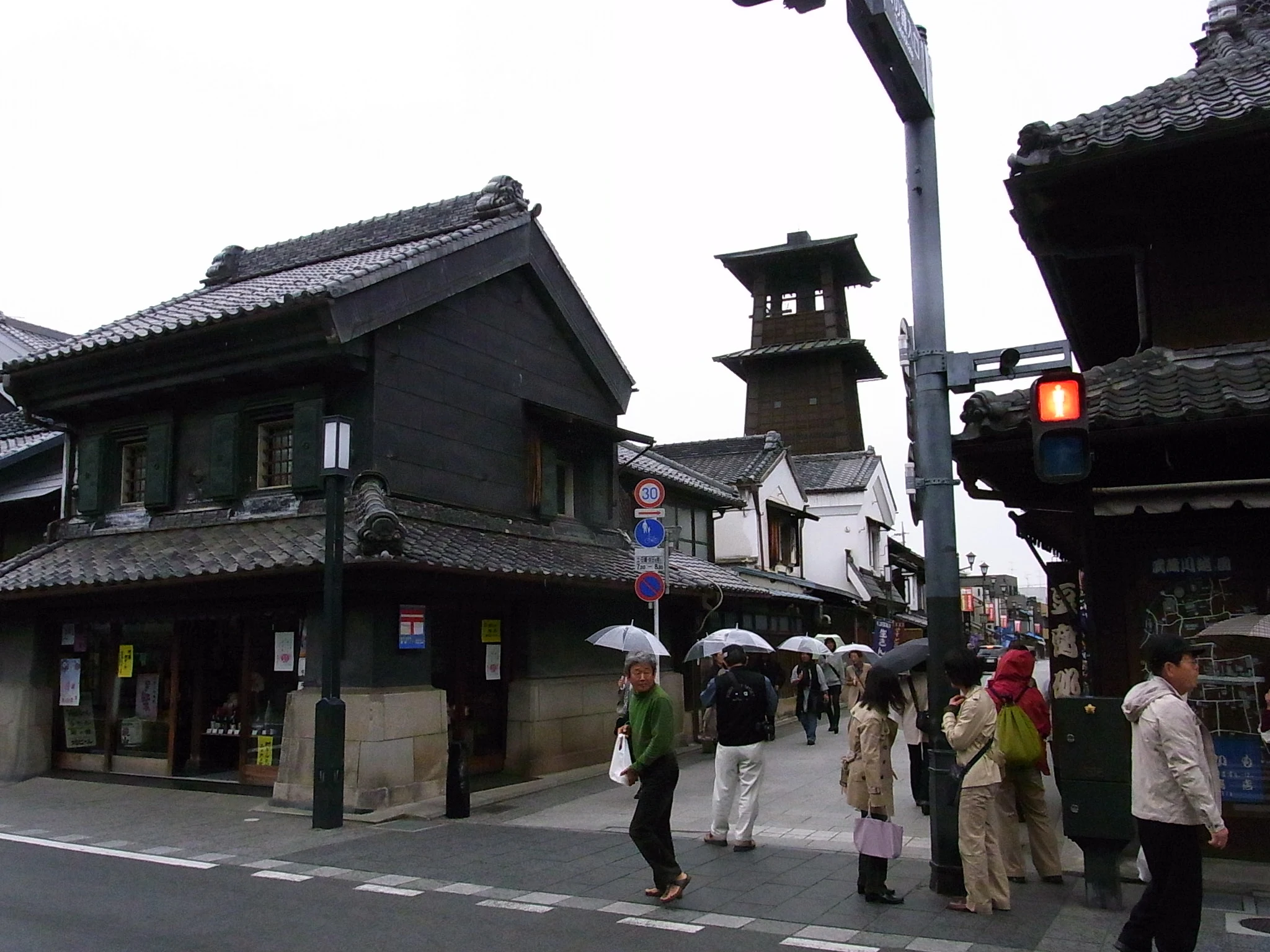
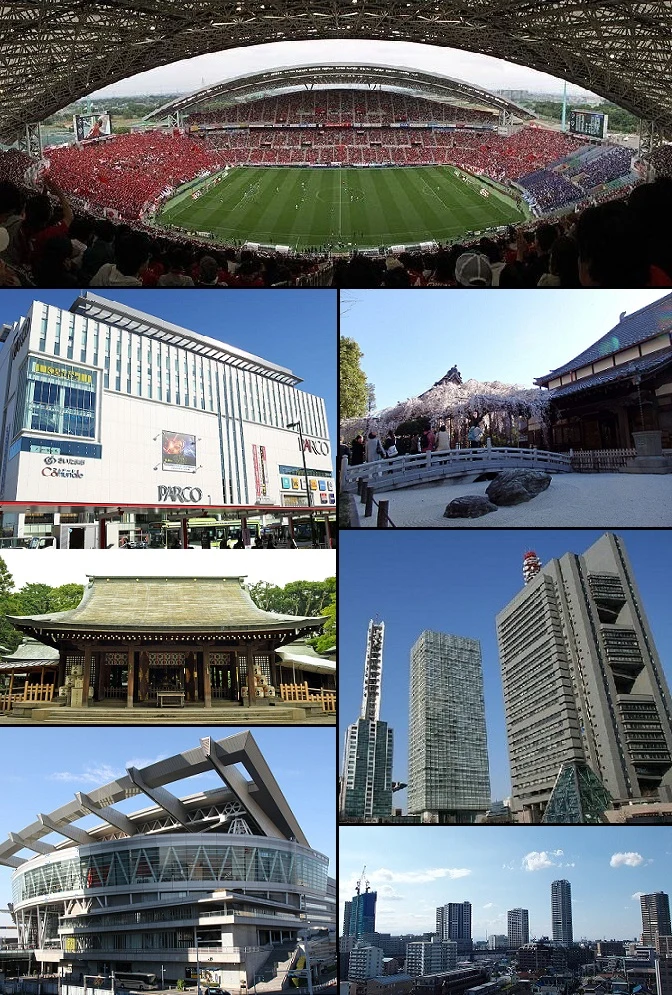
Kawagoe survived where Tokyo did not. While the capital burned through fires, earthquakes, and wartime destruction, this compact Saitama city kept its Edo-period merchant streetscape, earning the nickname "Little Edo." The walkable historic core delivers Kurazukuri Street's fire-resistant kura warehouses, the wooden Toki no Kane bell tower, the lantern-lit candy alley of Kashiya Yokocho, and the love-shrine grounds of Hikawa Shrine, all within 25 minutes of Hon-Kawagoe Station. Beyond the warehouse district, a quieter Kawagoe (the Naritasan Kawagoe-betsuin temple complex, the willow-lined Shingashi River, and the Coedo Brewery taproom) rewards anyone who lingers past noon. A complete Kawagoe travel guide for both halves of the city.
When to Visit
Spring and autumn are the sweet spots; weekday visits dramatically reduce crowds on Kurazukuri Street year-round.
What to Do in Kawagoe
The historic core is walkable in a single loop; the two hidden-gem entries below reward visitors who stray off the main warehouse street.
Icons worth the crowds
Hidden gems
More Kawagoe highlights
Skip the Crowds
- Naritasan Kawagoe-betsuin: Most day-trippers never make it past Kurazukuri Street. This temple complex, a 15-minute walk west, has an impressive main hall, a multi-storey pagoda, and grounds calm enough to hear the pigeons. Entry is free.
- Shingashi River cycling path: Rent a bicycle near either station and follow the river north. Willow-lined banks and waterside cafés replace the souvenir-shop density of the main street. Cherry trees in early April are exceptional and largely crowd-free.
- Arrive before 9am on a weekday: Kurazukuri Street before the tour coaches is quieter, more atmospheric, and better for photography. Most shops open by 10am anyway.
- Head south after lunch: The tourist loop thins past the candy alley. Small temples, local shotengai shopping streets, and the Naritasan approach see a fraction of the northern foot traffic.
Food & Drink
Kawagoe's food identity is built on satsuma-imo (sweet potato) and a craft-beer scene that punches above its weight for a suburban city.
Where to eat in Kawagoe: sweet potato, unagi & candy lane24 verified picks across the city→Where to Stay
Kawagoe works as a day trip from Tokyo, but an overnight stay unlocks the early-morning quiet on Kurazukuri Street that most visitors never experience.
Booking links are affiliate links. They cost nothing extra and support the site.
Day Trips
Kawagoe pairs naturally with Saitama's other highlights, all within an hour by train, no Shinkansen needed.
Omiya (Musashi-Ichinomiya Hikawa Shrine)
Saitama's grandest shrine: a 2-kilometre cedar-lined approach and one of the Kanto region's most important Shinto sites, just 20 minutes from Kawagoe by train
Kanto's grand cedar-lined shrine
- 2km cedar-lined sando approach
- One of Kanto's most important shrines
- 20 min from Kawagoe by train
Chichibu
Mountain scenery, a famous night festival, and the Chichibu 34-temple pilgrimage circuit, about 1 hour from Kawagoe on the Seibu Line
Mountain town with famous festival
- Chichibu Yomatsuri night festival (December)
- 34-temple pilgrimage circuit
- Mountain hiking and Nagatoro river gorge
Omiya Railway Museum
Japan's largest railway museum: 36 full-size trains, a huge diorama, and hands-on simulators, ideal for families or anyone who takes the Shinkansen seriously
Japan's largest railway museum
- 36 full-size historic trains
- Shinkansen simulator
- Good for families and rail enthusiasts
How to Get There
FAQ
How do I get from Tokyo to Kawagoe?
The Tobu Tojo Line runs direct from Ikebukuro to Kawagoe Station in around 30 minutes (approximately ¥490; verify current fare). The Seibu Shinjuku Line goes from Seibu-Shinjuku to Hon-Kawagoe Station in around 70 minutes. Both are single-train, no-transfer commuter rides. IC cards (Suica/Pasmo) accepted on both lines.
How long do I need in Kawagoe?
3–4 hours covers the core walking loop: Kurazukuri Street, Toki no Kane, Kashiya Yokocho, Hikawa Shrine, and a relaxed lunch. A full day lets you add Naritasan Kawagoe-betsuin, the Shingashi River walk, and a proper sit-down at Ogakiku or the Coedo taproom.
Is Kawagoe worth visiting from Tokyo?
Yes, especially on a weekday. It's the closest preserved Edo-era streetscape to central Tokyo, reachable in 30 minutes from Ikebukuro with no transfers. For those wanting old-Japan atmosphere without Nikko's 2-hour journey, Kawagoe is the most efficient option.
What is Kawagoe famous for?
The Kurazukuri kura merchant warehouses preserved from Edo-era fires, the Toki no Kane wooden bell tower (still ringing four times daily), Kashiya Yokocho's traditional sweet alley, satsuma-imo (sweet potato) cuisine, and the Coedo craft brewery. Unofficially, it's Tokyo's nearest old-Japan walking destination.
Is Kawagoe free to visit?
The streets, the bell tower exterior, and most shrine grounds are free. Hikawa Shrine and Naritasan Kawagoe-betsuin grounds are free to enter; some inner temple halls may charge a small admission fee, so check current pricing at the gate. The main costs are transport from Tokyo and food.
Is Kawagoe better than Kamakura as a day trip from Tokyo?
Different rather than better. Kawagoe focuses on Edo-era merchant streetscapes (warehouses, candy alleys, the bell tower) while Kamakura is about temples, the Great Buddha, and a beach. Kawagoe is significantly closer to central Tokyo and works as a half-day; Kamakura needs a full day. Both are worth doing on separate trips.
When is the Kawagoe Festival?
Typically the third weekend of October. The two-day festival features 29 ornate floats paraded through the Kurazukuri Street area, with lantern-lit night processions. It's UNESCO-listed and draws very large crowds; book accommodation well in advance if visiting that weekend.
What should I eat in Kawagoe?
Sweet-potato anything: purple-potato soft-serve, satsumaimo desserts, sweet-potato beer at Coedo Brewery, and imo-jin gingerbread on Kurazukuri Street. For a proper meal, Ogakiku has been serving unagi (grilled eel over rice) reportedly since 1807 and remains the local institution for a sit-down lunch.