



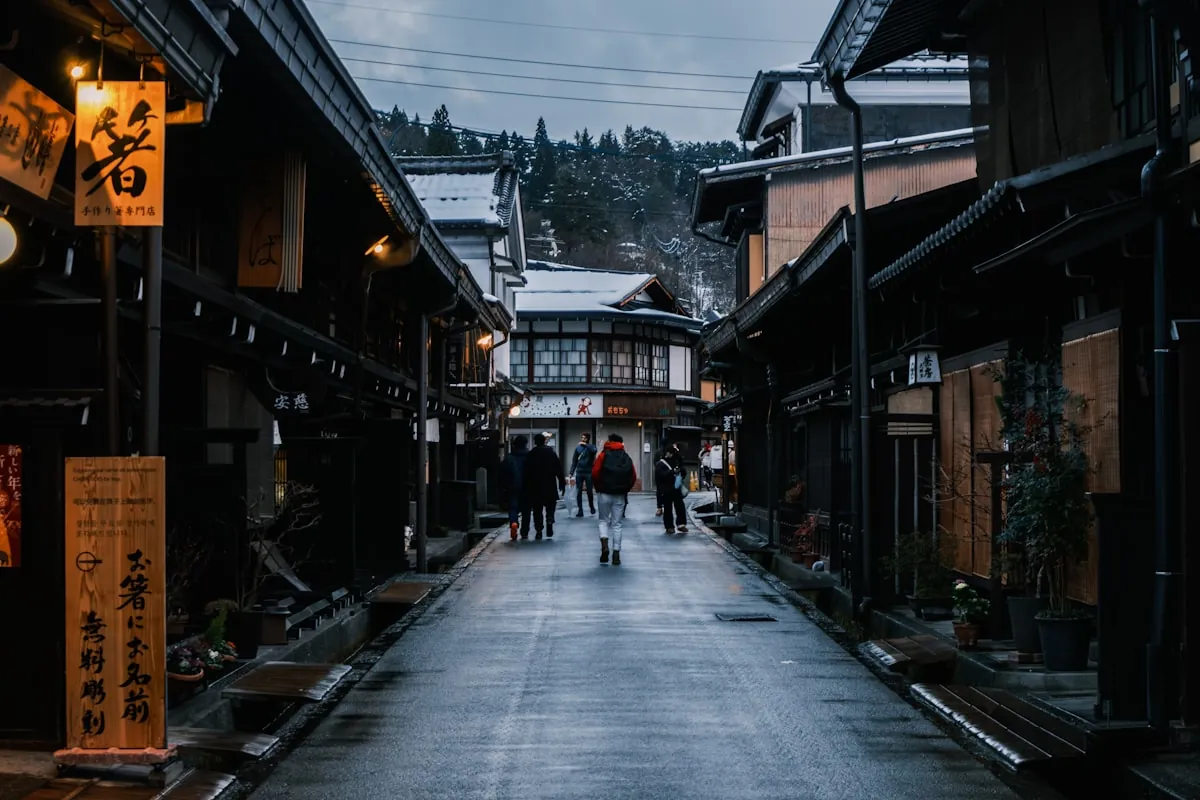
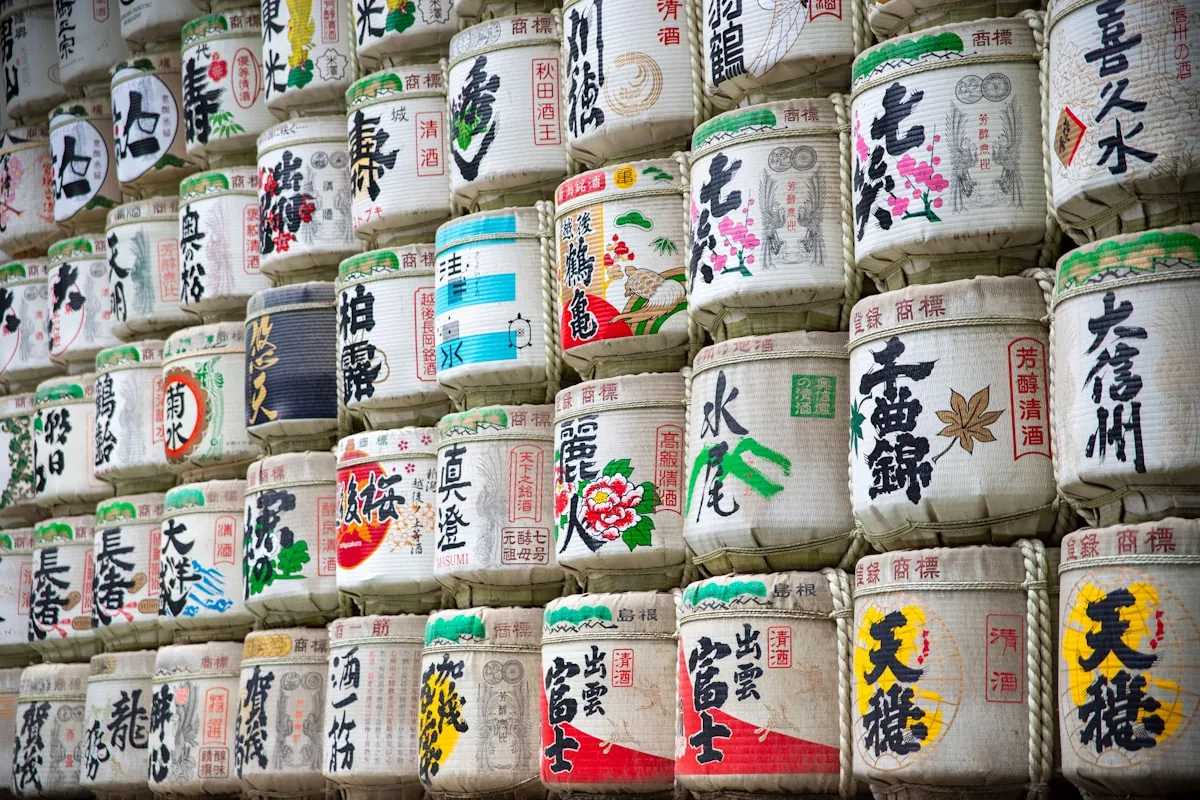
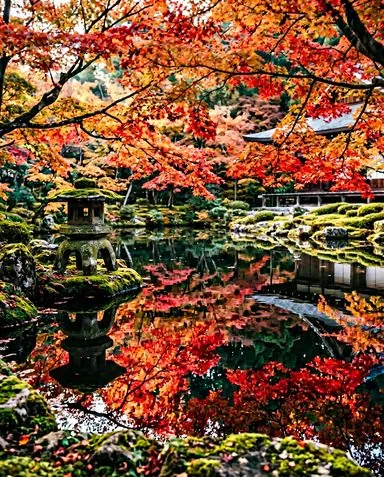
Kotohira is a tiny pilgrim town whose Kotohiragu (Konpira-san) has protected seafarers for over a thousand years. The climb of 1,368 stone steps is the headline act, but the town at its foot rewards a slower look: the 1835 kabuki theatre Kanamaruza, the Kinryo Sake Museum, and ryokan that have hosted pilgrims since the Edo period.
When to Visit
Come for climbing weather: the steps are the day's work, and the season decides how they feel.
What to Do in Kotohira
One mountain shrine, and a town of Edo-era survivors gathered at its feet.
Icons worth the crowds
Hidden gems
Skip the Crowds
- Start the climb before 8:00. Tour groups hit the lower steps from mid-morning, and the town empties again after 16:00.
- Most visitors stop at the main shrine. The extra 583 steps to the inner shrine (Okusha) lose 90% of the crowd and gain the best view.
- Pause at Izutama Shrine on the way up, a two-minute detour nobody takes.
- Tour Kanamaruza at lunchtime, when day-trippers are eating and you may have the revolving stage to yourself.
- Stay overnight: Kotohira between 17:00 and 9:00 belongs to ryokan guests and locals.
Food & Drink
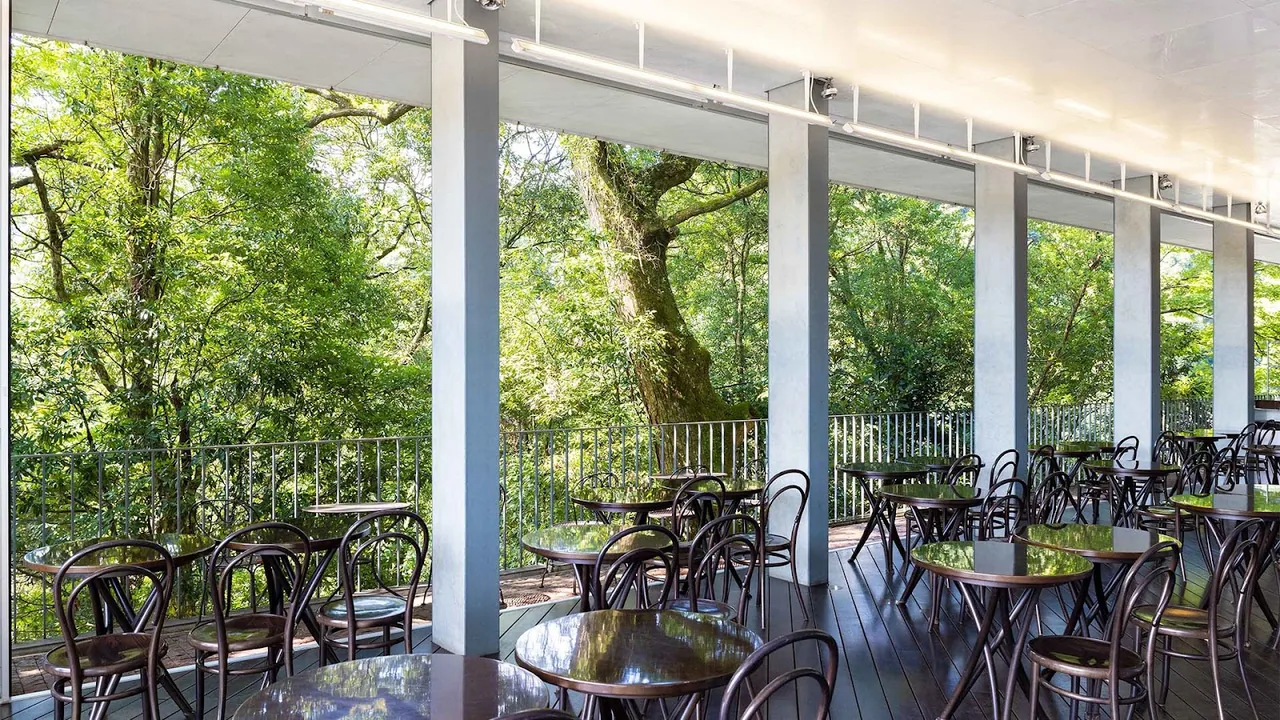
This is sanuki udon country (the noodle Kagawa is famous for), plus one surprising café halfway up the mountain.
 ★ Author's Pick
Shiseido Parlour's café at step 500 of the shrine climb: coffee and cake with a forest view
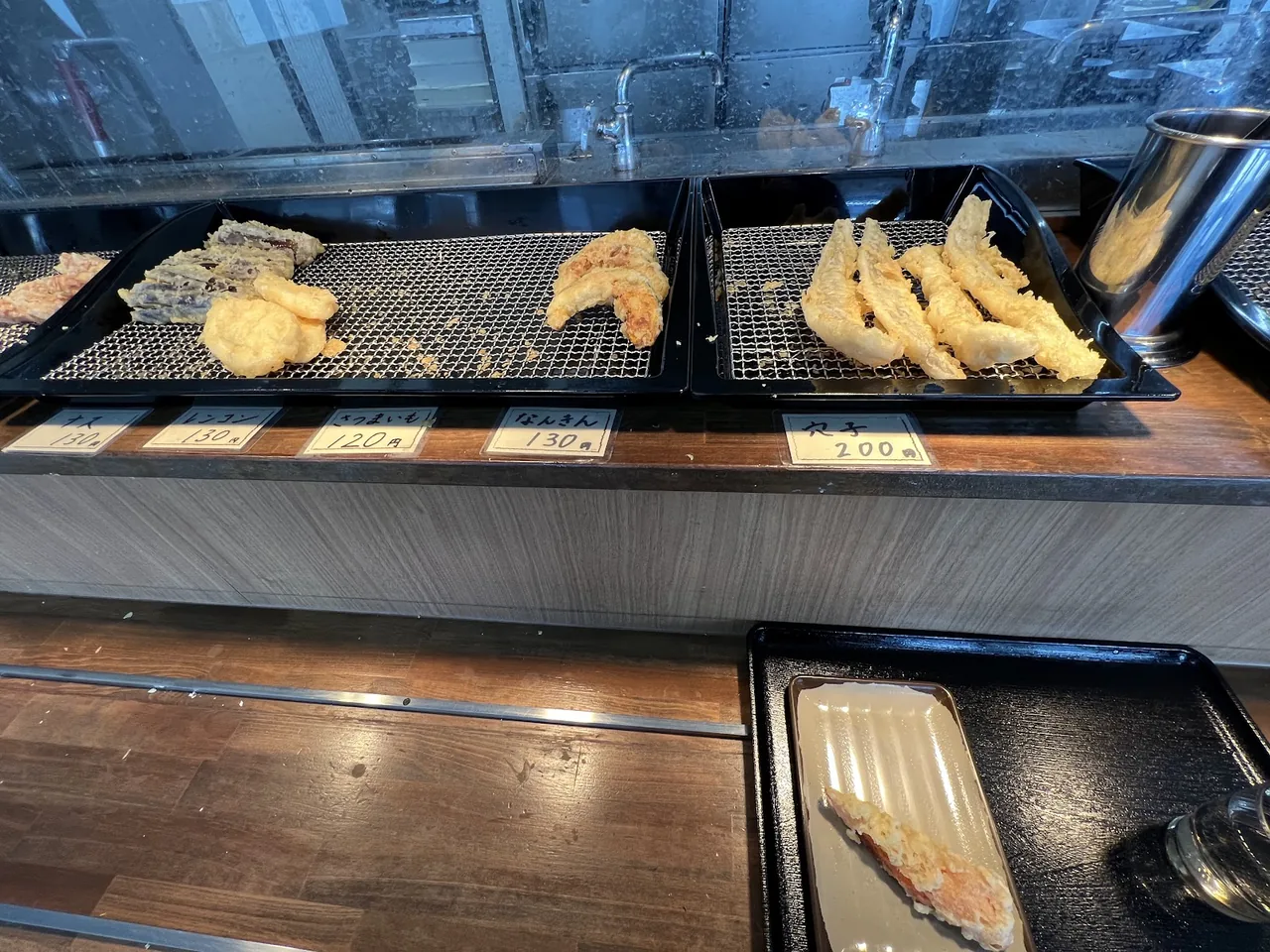
Fresh hand-cut sanuki udon near the station; the right reward after 1,368 steps
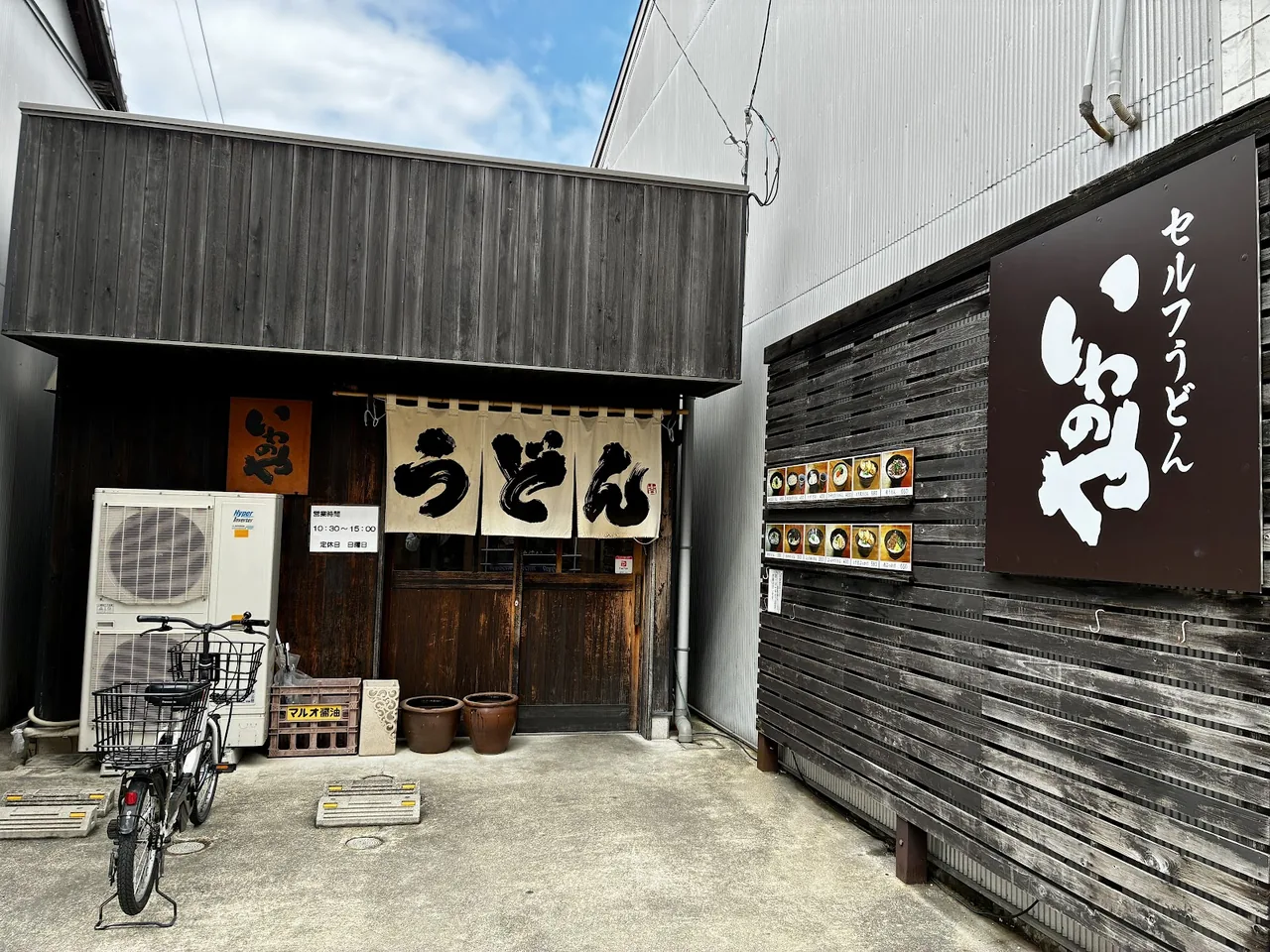
Long-standing local restaurant and one of the best-reviewed tables in town
Where to Stay
Kotohira's ryokan row sits directly on the shrine approach; an overnight is what turns the town from stopover into highlight.
Booking links are affiliate links. They cost nothing extra and support the site.
Day Trips
Kotohira sits on the JR Dosan line with the rest of Kagawa within easy reach.

Takamatsu
Kagawa's harbour capital: Ritsurin Garden, udon crawls and ferries to the art islands
Gardens & art islands
- Ritsurin Garden
- Ferry to Naoshima
- Udon crawl
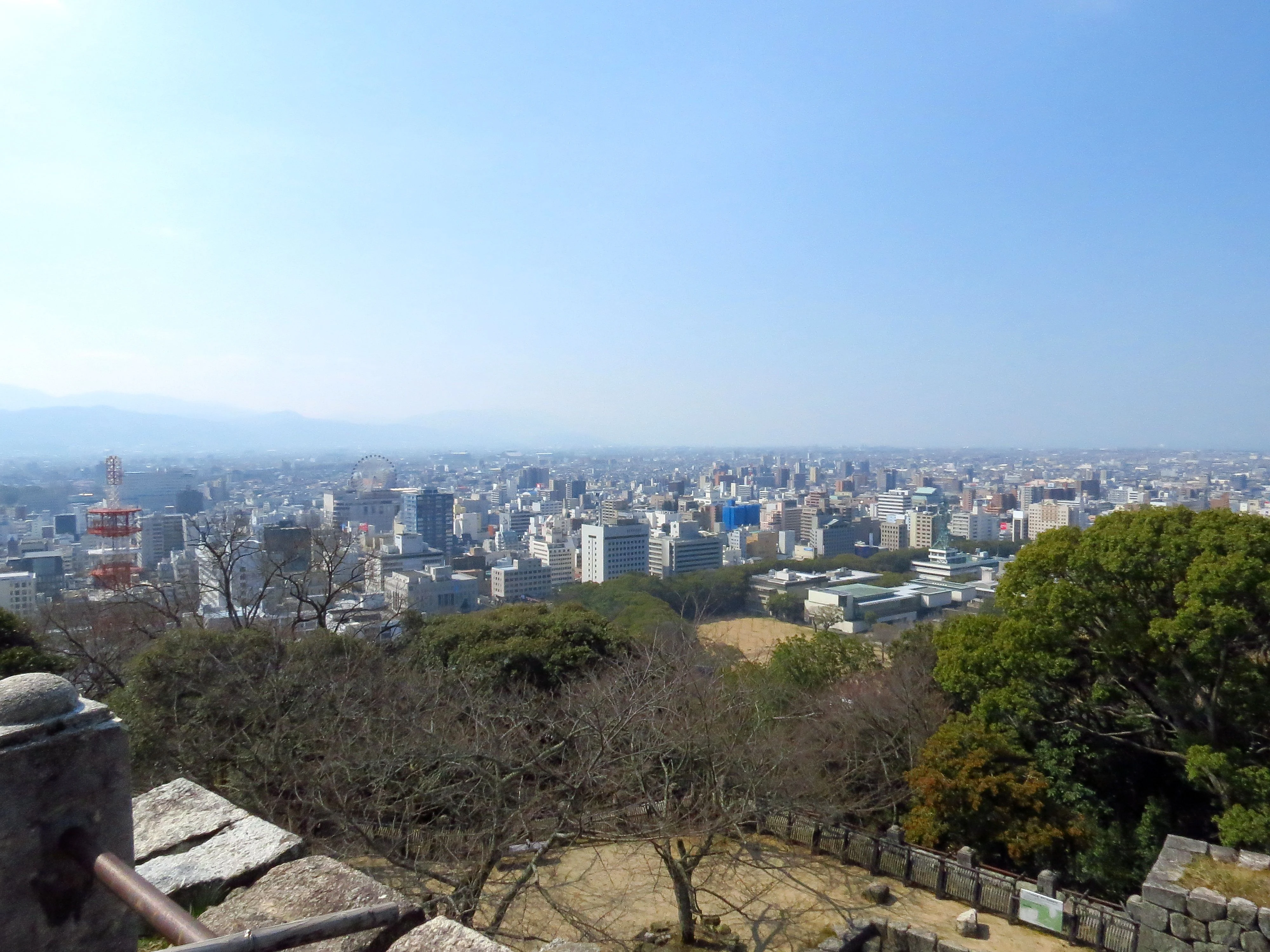
Matsuyama
Shikoku's biggest city: an original castle and Dogo Onsen, 2 hours west
Castle & Dogo Onsen
- Matsuyama Castle
- Dogo Onsen
- Botchan trams
How to Get There
FAQ
Is the 1,368-step climb achievable?
Yes for reasonably fit travellers: 60–90 minutes up with rest stops, 30 minutes down. The upper stretch runs through shaded cedar. Palanquins carry visitors to step 365 for a fee. Bring water and decent shoes.
Should I see a kabuki performance at Kanamaruza?
Performances run only during the Konpira Grand Kabuki festival in April, and tickets sell fast. The rest of the year the 1835 theatre is open daily to tour; the revolving stage, trapdoors and lantern-lit auditorium are the draw.
What is Kotohira best known for?
The 1,368-step pilgrimage to Kotohiragu (Konpira-san), guardian shrine of seafarers; Japan's oldest kabuki theatre; and the sake and udon culture at the mountain's foot.
Can I do Kotohira as a day trip from Takamatsu?
Easily. It's an hour by train each way. Climb in the morning, lunch on udon, tour the theatre and sake museum in the afternoon, and be back in Takamatsu for dinner.
What are Kotohira's hidden gems?
The extra 583 steps to the inner shrine (Okusha), which most visitors skip; the Takadoro wooden lantern by the station; Izutama Shrine partway up the climb; and the Shiseido Parlour café Kamitsubaki hidden at step 500.
How many days do I need?
One full day for the climb, Kanamaruza and the sake museum. An overnight in a ryokan on the approach makes the town itself (quiet mornings, lantern-lit evenings) part of the experience.