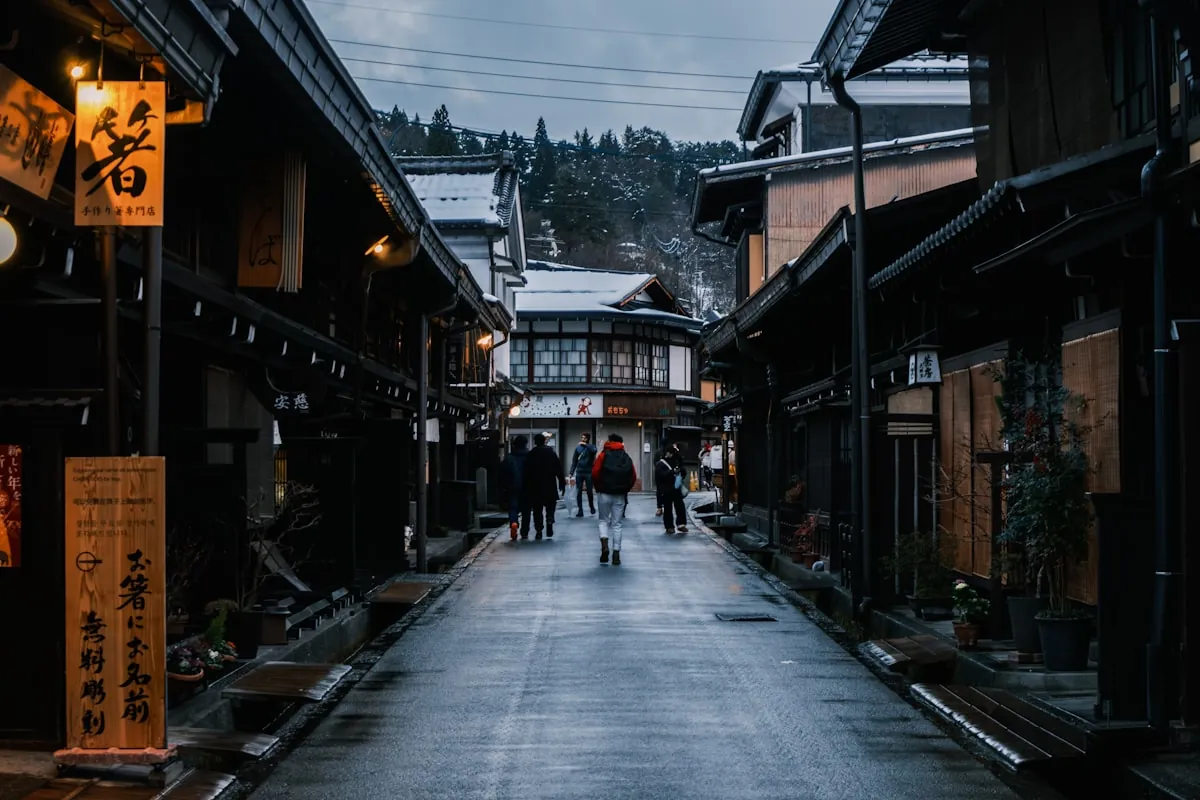
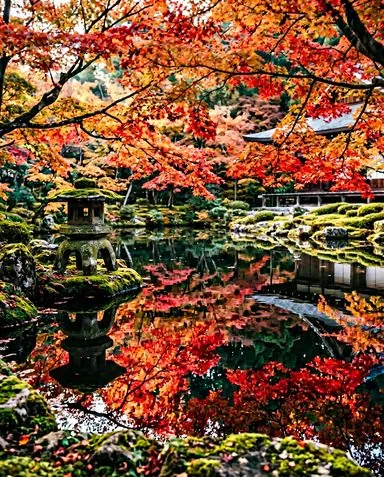
Two more spots worth seeking out: Sōgenji Temple, a quiet zen monastery, and the long covered Omotechō shopping arcade running through central Okayama.
Visitors can also take in the Okayama Prefectural Museum of Art for Edo-era paintings near the castle, then ride 15 minutes south to the canal-and-warehouse Kurashiki Bikan Historical Quarter.
Okayama is the city most foreign travellers see only from the shinkansen platform, and that's a missed half-day at minimum. The Okayama City travel guide case starts with two headline draws within walking distance of each other: Korakuen Garden, one of Japan's three great landscape gardens, and the dramatic black Okayama Castle just across the Asahi River. Beyond them lies a living city shaped by the Momotarō peach-boy legend, prized white peaches, and a covered arcade food culture that most visitors never find. Okayama is worth staying in, not just passing through.
Visitors can also take in the Okayama Prefectural Museum of Art for Edo-era paintings near the castle, then ride 15 minutes south to the canal-and-warehouse Kurashiki Bikan Historical Quarter.
When to Visit
Okayama earns its "Land of Sunshine" nickname with over 250 sunny days a year; every season is workable, but two windows stand out.
What to Do in Okayama City
From the top-ranked garden and black castle to quiet canal walks and Japan's only ancient Near East museum.
Icons worth the crowds
Hidden gems
More Okayama City highlights
Skip the Crowds
- Nishigawa Greenway Canal: This linear park runs straight through the city centre and is almost entirely absent from foreign-visitor itineraries. Locals cycle and walk it in the evenings; in late March it becomes a cherry-blossom tunnel. Start at Nishigawa-Ryokudo Park near the station and follow it north.
- Okayama Orient Museum: Japan's only museum dedicated to ancient Near Eastern civilisations, from Mesopotamian cylinder seals to Persian glassware and Islamic tilework. Admission is low (check current pricing), crowds are minimal, and the collection is genuinely rare for this part of the world.
- Sogenji Temple: Often called the "Ura-Kibitsu" by locals, the quieter counterpart to the famous Kibitsu Shrine. The moss-covered stone lanterns and Zen garden reward a slow 30-minute visit without the tour-group pressure of the main sights.
- Omotecho Shopping Arcade: Skip the castle-area souvenir shops and head to this long covered arcade for local cafe culture, bakeries, and street food that serves the neighbourhood rather than tourists.
Food & Drink
Okayama's food identity runs on barazushi, demi-katsu, and white peach products, none of which you'll find this well executed anywhere else.
 ★ Author's Pick
Okayama's most-loved local sushi specialist, serving fresh Inland Sea seafood and the prefecture's signature vinegared-rice barazushi, a festive scattered sushi unique to the region
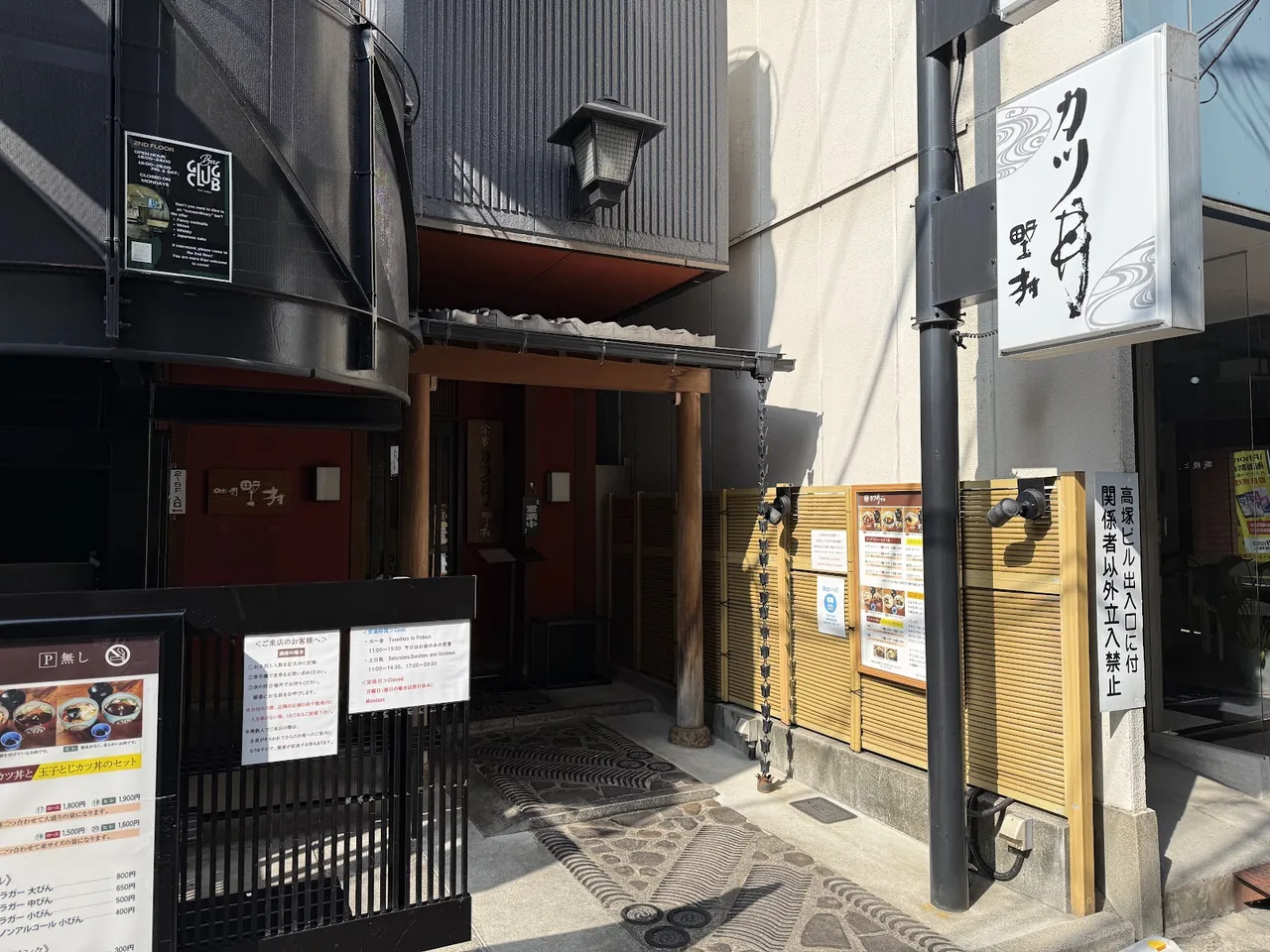
Okayama's signature demikatsudon: fried pork cutlet over rice with a thick demi-glace sauce, a city specialty since 1931. Check current opening hours before visiting.
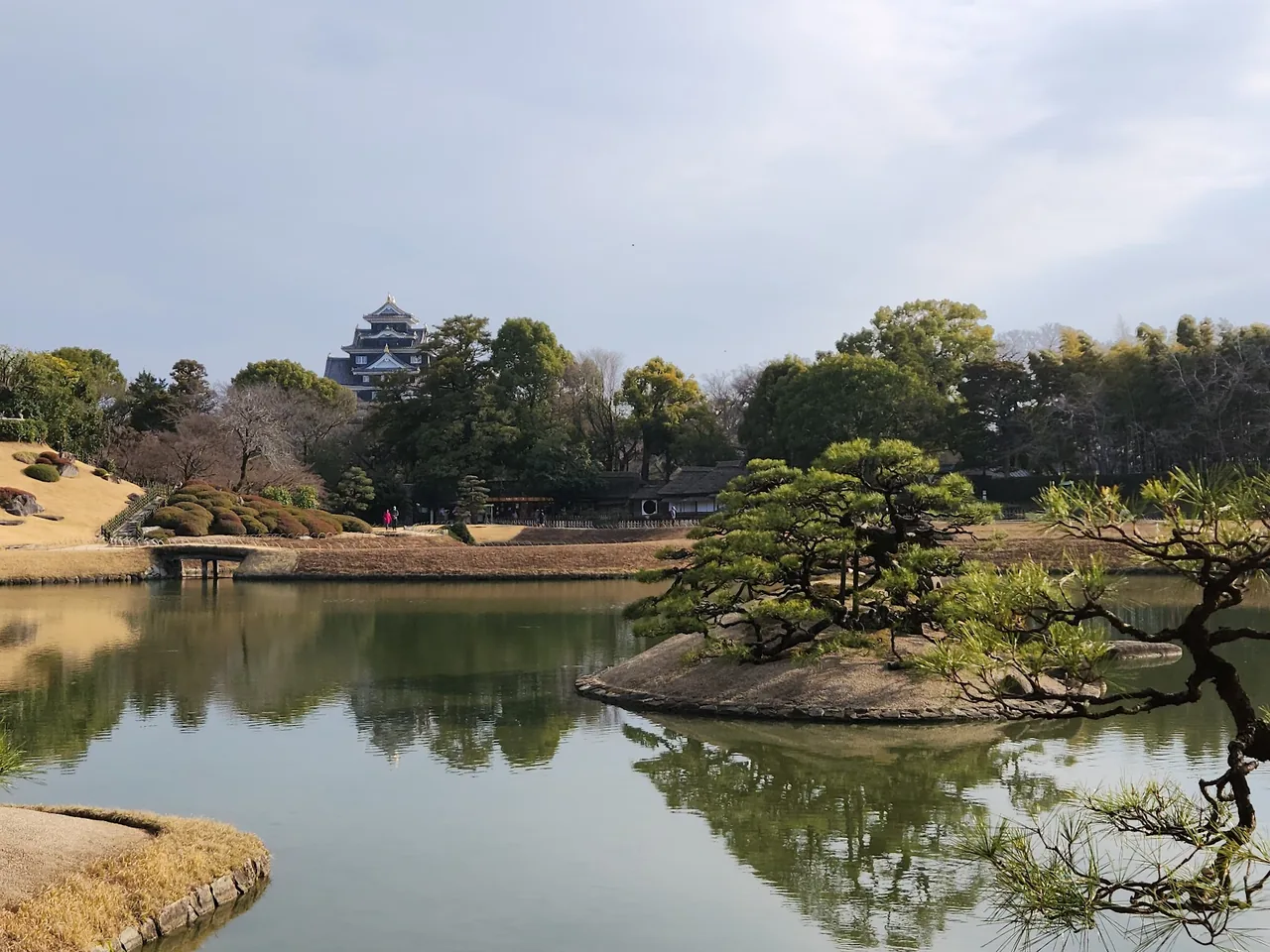
Tea, wagashi sweets, and a quiet view of the borrowed castle scenery from inside the garden grounds; the right way to end a Korakuen visit
In summer (June–July), look for white peach parfaits in the basement food halls of Okayama's department stores near the station; this is a genuinely local seasonal event that barely registers in mainstream travel coverage. Local Muscat grape products (wine, sweets, jellies) are available year-round at the same food halls.
Where to Stay
Stay near Okayama Station for tram access to the castle area and easy Shinkansen connections onward.
Booking links are affiliate links. They cost nothing extra and support the site.
Day Trips
Three very different day trips within 90 minutes of Okayama Station: canal district, ancient shrine cycling, and contemporary art island.
How to Get There
FAQ
Is Okayama worth visiting beyond the shinkansen stop?
Yes: half a day at minimum for Korakuen and the castle (top-three garden, one of Japan's most distinctive dark-keep castles). A full day adds the canal walk, the prefectural museum, and Kurashiki as a side trip. Two days lets you include Naoshima island via Uno port.
How many days do you need in Okayama?
One full day covers the main sights comfortably. Two days allows a day trip to Kurashiki or Naoshima without rushing. The Kibi Plain cycling route adds a half-day if you have it.
Is Okayama better than Kurashiki?
Different experiences entirely. Okayama is a living city with a food scene, local neighbourhoods, and a world-class garden. Kurashiki is a preserved canal town best experienced in the morning before crowds arrive. Ideally visit both; they're 15 minutes apart by JR.
What is Okayama famous for?
Korakuen Garden (one of Japan's three great landscape gardens), Okayama Castle (the black "Crow Castle"), the Momotaro peach-boy legend that originated on the Kibi Plain, white peaches, and barazushi, a scattered sushi style unique to the prefecture.
How do I get to Naoshima from Okayama?
JR train from Okayama Station to Uno (around 45 min, change at Chayamachi), then ferry to Miyanoura on Naoshima (around 20 min). Total around 65 minutes one-way. Naoshima works as a day trip from Okayama, but an overnight is more comfortable for seeing all the museums.
Can I do Okayama and Kurashiki in one day?
Easily. Kurashiki is 15 minutes from Okayama Station on the JR Sanyo line. Most travellers spend the morning at Korakuen and Okayama Castle, then catch a midday train to Kurashiki for the Bikan Quarter in the afternoon.
What is Okayama's signature food?
Demikatsudon (fried pork cutlet over rice with thick demi-glace sauce) and barazushi (vinegared rice topped with seasonal Inland Sea seafood). Both originated in Okayama and are best tried at long-running specialists like Nomura or Ajino Kamasho near the Omotecho arcade.
What are Okayama City's hidden gems?
The Okayama Orient Museum (Mesopotamian and Persian collections; Japan's only such museum), the willow-lined Nishigawa Greenway Canal walking route, the Zen grounds of Sogenji Temple, and the Kibi Plain cycling loop past ancient burial mounds to Kibitsu Shrine.