Half the travel advice for eating in Japan is "walk into anywhere, it's all amazing." That's mostly true at lunch. It's a disaster strategy for dinner. The good dinner spots in Tokyo and Kyoto have shifted toward reservation-only between 2020 and 2026, and Google Maps is not where the locals find them.
Here's how Japanese diners actually pick restaurants, and how to book the ones that look like they don't take foreigners but actually do.
How-to
From discovery to booked table
~ 10 minutes per bookingTabelog + TableCheckCancellation matters
1
Use Tabelog, not Google Maps
Tabelog is what locals actually use: the Japanese restaurant database where reviews are stricter and the rating ceiling is hard. A 3.5+ on Tabelog is a great restaurant; a 4.0+ is destination-worthy and you should book ahead. Google Maps reviews skew foreign-tourist and inflate everything by half a star. Switch the Tabelog site to English in the corner; the same data, just translated.
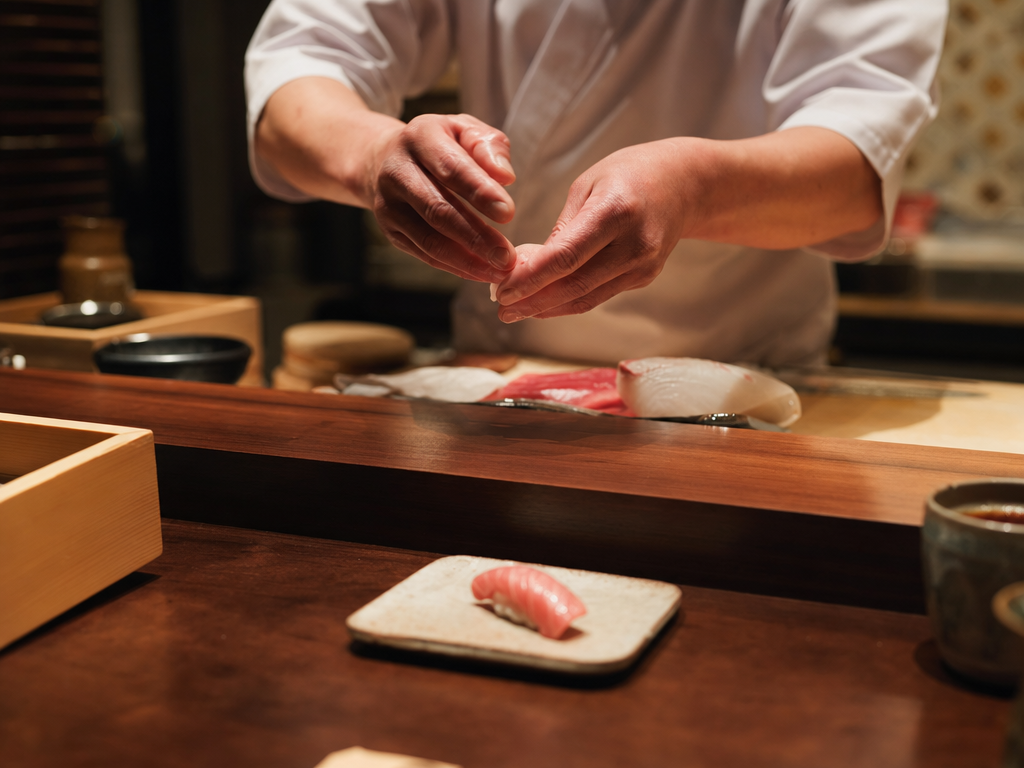
A 3.6 on Tabelog. The chef's hands are doing the talking, and the booking was made through TableCheck three weeks earlier.
Tip: Tabelog's star scale runs differently. Anything above 3.5 is genuinely good. The hidden ratings start at 3.0 (most places). Above 3.8 the place is a destination, and almost certainly requires a booking.
2
Walk the neighbourhood at lunch
For lunch, the no-reservation rule still works. Any side street in Yanaka, Nakameguro, Kagurazaka, Daikanyama, or Pontocho will give you a tiny lunch counter doing one thing brilliantly. Look for: handwritten menu in the window, a queue of office workers between 12:00–13:00, no English signage. Walk in. Order the lunch set (¥1,200–1,800).
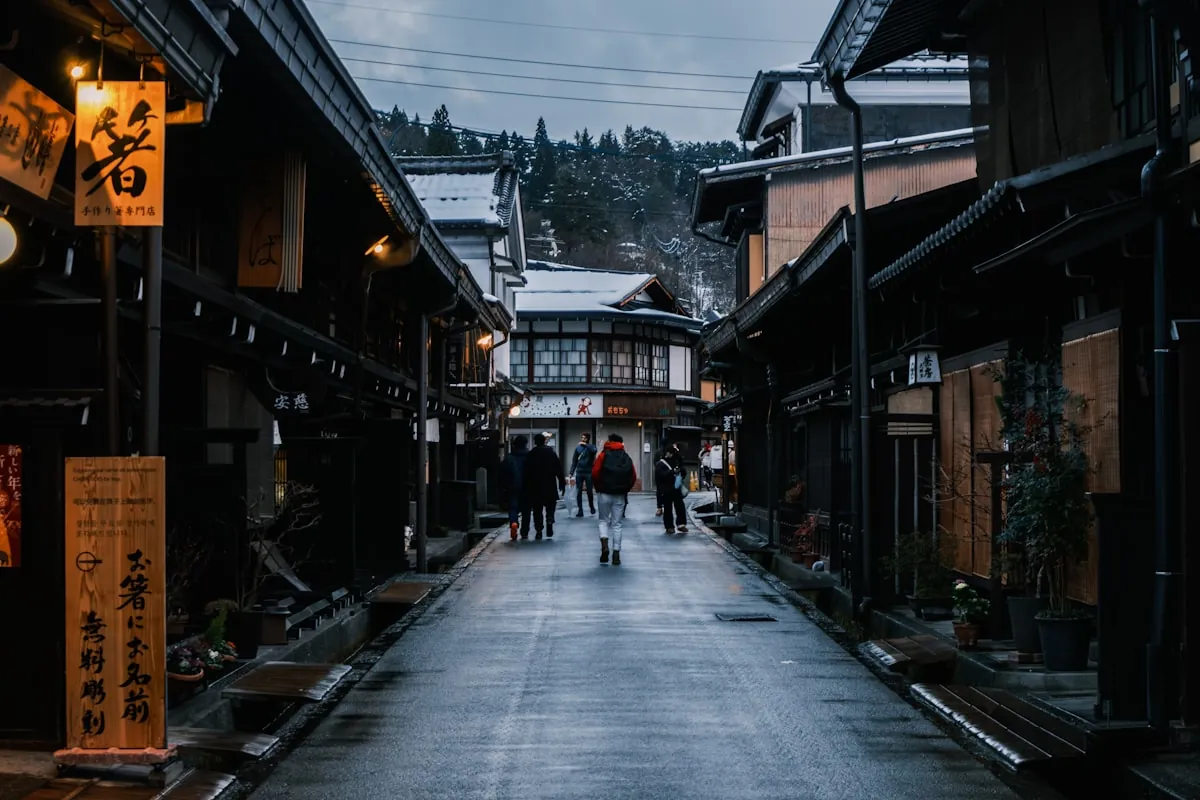
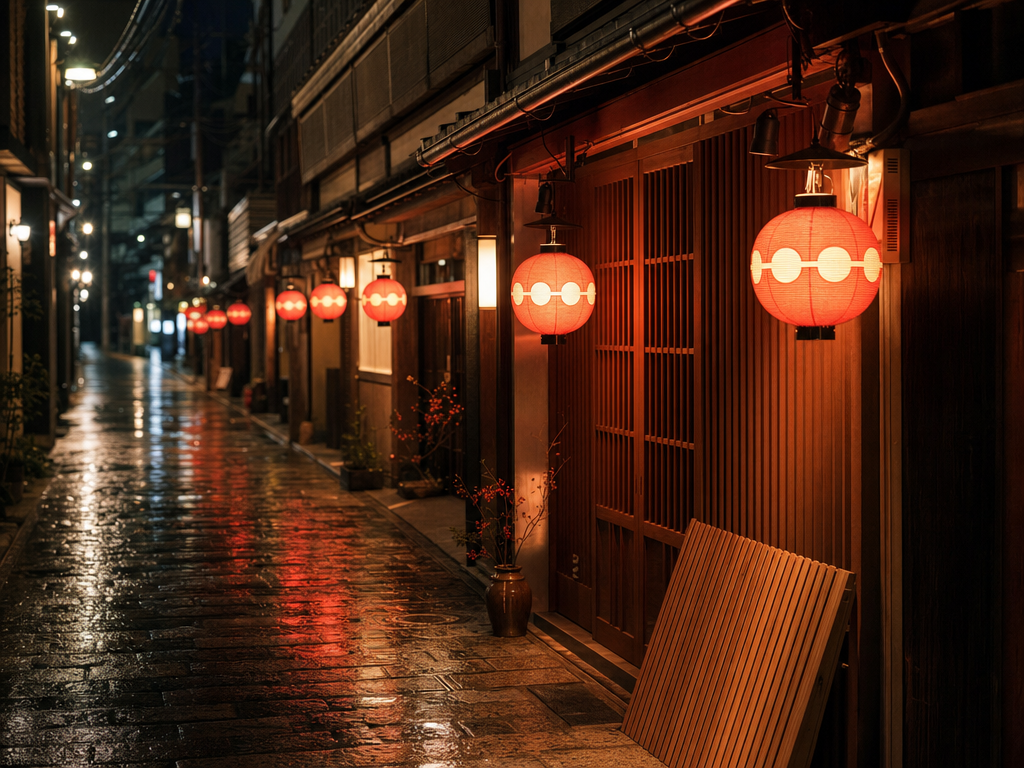
A typical Pontocho alley in Kyoto. Half of these places only show their name on the noren curtain.
3
Book the harder places via TableCheck
For dinner at restaurants that take reservations from foreigners, TableCheck covers the most ground in Tokyo and Kyoto. English interface, foreign credit cards, no Japanese phone number required. Card-hold deposits are normal; they protect against no-shows, not surprise charges. Book 1–3 weeks ahead for desirable times (19:00, Friday/Saturday).
TableCheck app showing date and time picker for a sushi restaurant in Ginza
Tip: Slots show greyed out when full, so try the Tuesday or Wednesday of your week first. Most foreigners pile onto Friday/Saturday; midweek is half as busy.
4
Concierge, OMAKASE and Pocket Concierge for the trickier ones
Some places (Michelin-starred sushi, multi-course kaiseki, hotel restaurants) don't use TableCheck. Pocket Concierge is the next layer (now part of TripAdvisor, English UI, foreign-friendly). OMAKASE is more curated and expensive. Failing both: ask your hotel concierge. Staff at any 4-star+ hotel can phone the restaurant directly in Japanese, which is what 90% of these places really want.
Japanese restaurants, especially the small ones, really feel a no-show. A booking for two at a 12-seat counter is 17% of the night's revenue. Cancel through the app at least 24 hours before; for high-end places (¥20,000+ per head) cancel a full 48 hours out. The card hold protects against deliberate no-shows but it's not a substitute for the courtesy. This is the single piece of etiquette I'd ask travellers to take seriously.
A few things worth knowing
"Sumimasen" + a polite point still works at counters. Even at busy yakitori, ramen, or izakaya. You don't need to speak Japanese, but you do need to acknowledge the staff. Walk in, slight bow, "sumimasen" (excuse me / sorry to intrude), and the rest is gestures and pointing at the menu.
Lunch is the bargain hour for fancy places. Many ¥30,000-dinner kaiseki houses do a ¥5,000 lunch course. Same kitchen, lighter pacing, no booking deposit. Look at any restaurant's lunch page on TableCheck before assuming it's out of budget.
Solo dining is welcome. Counter seats at sushi, ramen, and yakitori are designed for one. Don't hesitate to book or walk in alone; it's genuinely common in Japan and nobody will look twice. Some kaiseki places do mark a "minimum 2 guests" requirement; check before booking.
Convenience-store dinner is allowed. Save the ¥3,000 dinner-out for one really good place per day. The other meals can be 7-Eleven egg sandwiches, FamilyMart oden, and Lawson karaage, all genuinely good.
Vegetarian? Plan ahead, and start with the official guide. Dashi (fish stock) hides in most broths and sauces, so "no meat" rarely means meat-free. Tokyo publishes an official vegan and vegetarian restaurant guide every year, and Fadra Nally's first-hand piece on eating vegetarian in Japan walks through how to use it, plus her family's favourite finds in and around Tokyo.
Don't tip. Don't pay extra. Don't leave money on the table. The bill is the bill. Service is included. Pay at the register on the way out (most places don't do tableside payment).
Three apps, one rule
Tabelog finds it. TableCheck or Pocket Concierge books it. Don't cancel last minute. With those three, you'll eat better in Japan than 90% of foreign visitors who relied on Google Maps. The remaining 10% are the locals, and even they're mostly using Tabelog now.