The Japanese station coin locker is one of those bits of infrastructure that quietly does enormous work, and almost no foreign visitor thinks to use it. Drag a suitcase through a Kyoto sidewalk and you blame the city for being narrow. Dump that suitcase in a locker at Kyoto Station for ¥600 and the city becomes a different place. Same pattern in Tokyo, Osaka, Sapporo, every hub.
Here is how the lockers actually work, and the day-bag trick that makes them worth the article.
How-to
From walking up to walking out in five steps
~ 30 seconds per lockerIC card recommendedPick up before 24:00
1
Find a locker bank: every station has one
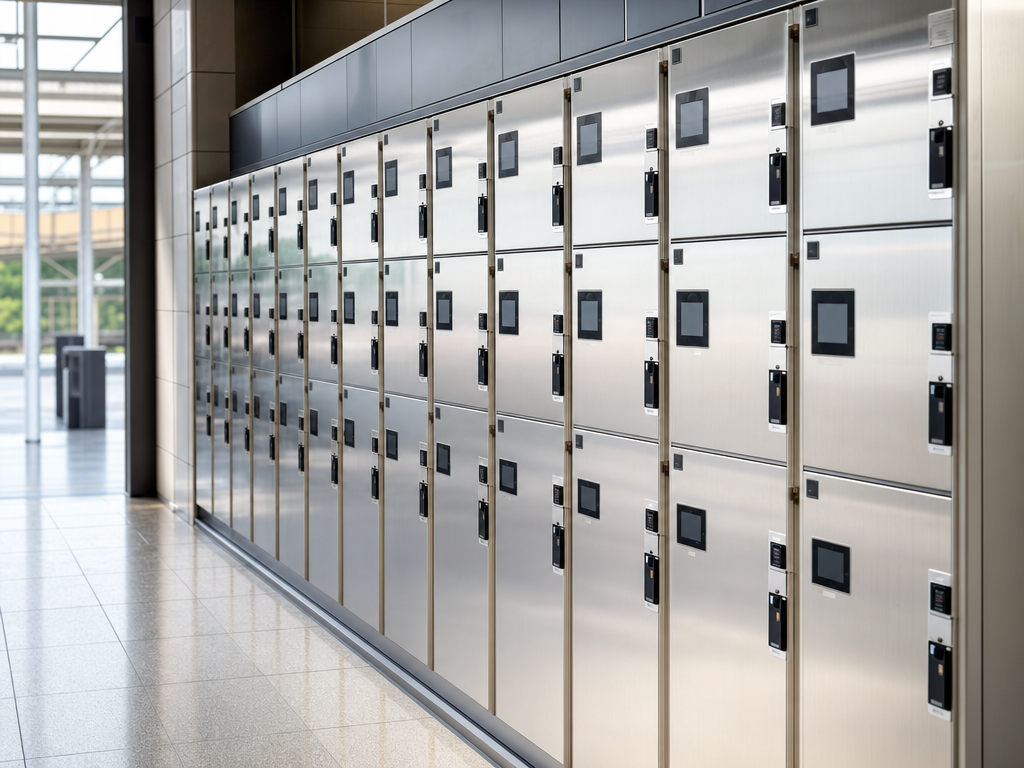
Every JR or Tokyo Metro station above the size of a single platform has a coin-locker bay, usually marked with a luggage pictogram. Major hubs (Tokyo, Shinjuku, Shibuya, Kyoto) have 200–500 lockers spread across the concourse. Smaller stations have 20–50. The signs are bilingual; the lockers themselves take English on the touchscreen.
A typical coin-locker bay at Tokyo Station. ¥400 small, ¥600 medium, ¥700 large. Nothing is refundable; the price is the price.
Tip: If a station bay is full at 09:00 (commuters), walk to the next station, usually a 5-minute walk in central Tokyo. Tokyo Station East side full? Try the Yaesu side. Same building, different bay.
2
Pick a size
Most lockers come in three sizes: small (35×35×57 cm, ¥400) for a daypack or shopping bag; medium (35×55×57 cm, ¥600) for a standard 24" carry-on; large (35×84×57 cm, ¥700) for a 28" checked suitcase. Anything larger or oddly-shaped (skis, golf clubs) needs a manned cloakroom, usually next to the JR ticket office.
9:41
L
Choose a locker
Pay with IC · Suica, PASMO, ICOCA
📲
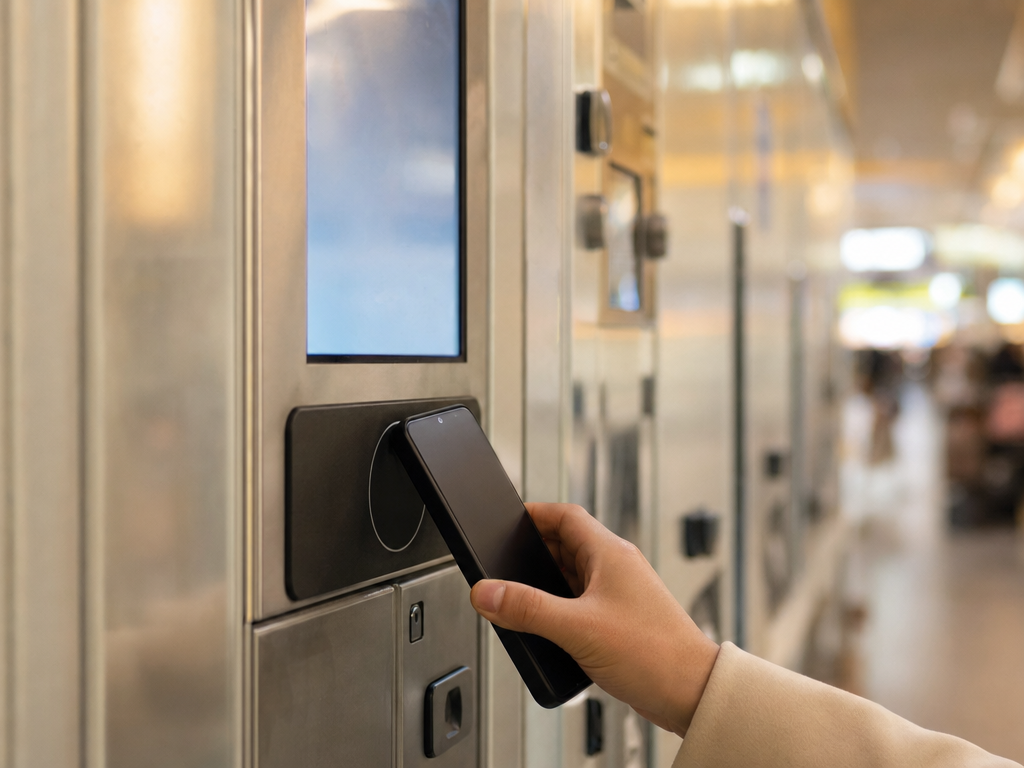
Tap your IC card to payOr insert ¥100 / ¥500 coins
Coin locker LCD touchscreen showing size selection with Medium highlighted at ¥600 per day
3
Tap your IC card. Or coins.
Modern lockers (the LCD-screen ones) take Suica, PASMO, ICOCA, the same tap-to-pay as the train gates. Older mechanical lockers want ¥100 coins; the touchscreen tells you which type you're using. The IC option is faster, doesn't need exact change, and the screen prints a paper receipt with the locker number. Keep it.
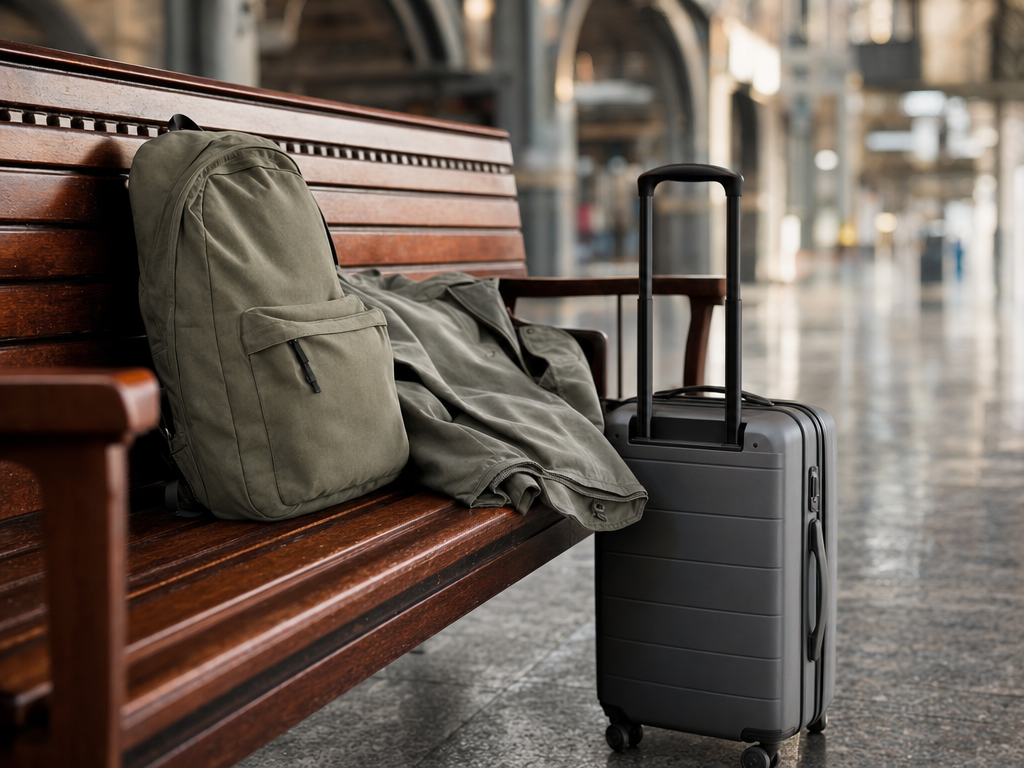
The real value of coin lockers is the day-bag system: roll into Tokyo Station with two suitcases at 09:00, dump them in lockers for ¥1,200 total, take a small daypack to Kamakura or Hakone, come back at 19:00, pick everything up, walk to your hotel without ever lugging the big bags through narrow streets. Stations are designed around this rhythm; very few foreign visitors actually use it.
Pack for the day, store the rest. Suica handles both legs: locker entry and the train onwards.
Tip: Pack a small folding daypack (Uniqlo sells one for ¥1,990) in your main suitcase before flying. Day one you start using it, the rest of the trip the suitcase lives in a locker on day-trip days.
5
Pick up before midnight, or pay another day
Lockers auto-charge a second day's fee if you don't collect by 24:00 (or the station's closing time). Most foreigner-friendly hubs run 05:00–01:00; the screen tells you the actual cutoff. If you need to keep luggage past 24 hours, switch to a manned cloakroom (Tokyo Station's "Carry Service" desk) which runs ¥600/day with no auto-eviction.
Lost the receipt? The IC-paid lockers also let you re-tap the same card to release; the touchscreen looks up the locker by IC ID. Coin lockers want the paper key, so don't lose it.
Yamato Black Cat, for when lockers are not enough. Going hotel-to-hotel for a multi-city trip? Yamato Transport (the cat logo) has counters in any major station and most ryokan/hotel lobbies. ¥2,000–2,500 per suitcase, hotel-to-hotel, next-day delivery. Lockers cover same-day; Yamato covers overnight.
Tourist information offices stash bags too. Many city-centre tourist info offices (Shinjuku, Asakusa, Nara, Hiroshima) take suitcases for ¥500–800/day with a manned counter. Slower than lockers but useful if every locker bay is full at 11:00.
Some lockers ban liquids. The "no liquids / no perishables" rule is theatrical at most lockers, but at airport-station lockers (Narita Express terminus) a station officer occasionally walks through. If it matters, use the manned cloakroom.
Locker maps exist. Tokyo Station's online map shows live availability; the JR East site has the same for major hubs. Bookmark before you go if you're relying on a specific size at peak time.
Try it once
The first time you do the day-bag swap, you wonder why nobody told you about it. The answer is that nobody writes about it because it sounds boring. It is boring. Boring saves you four kilometres of dragging a suitcase down Pontocho. Easy trade.