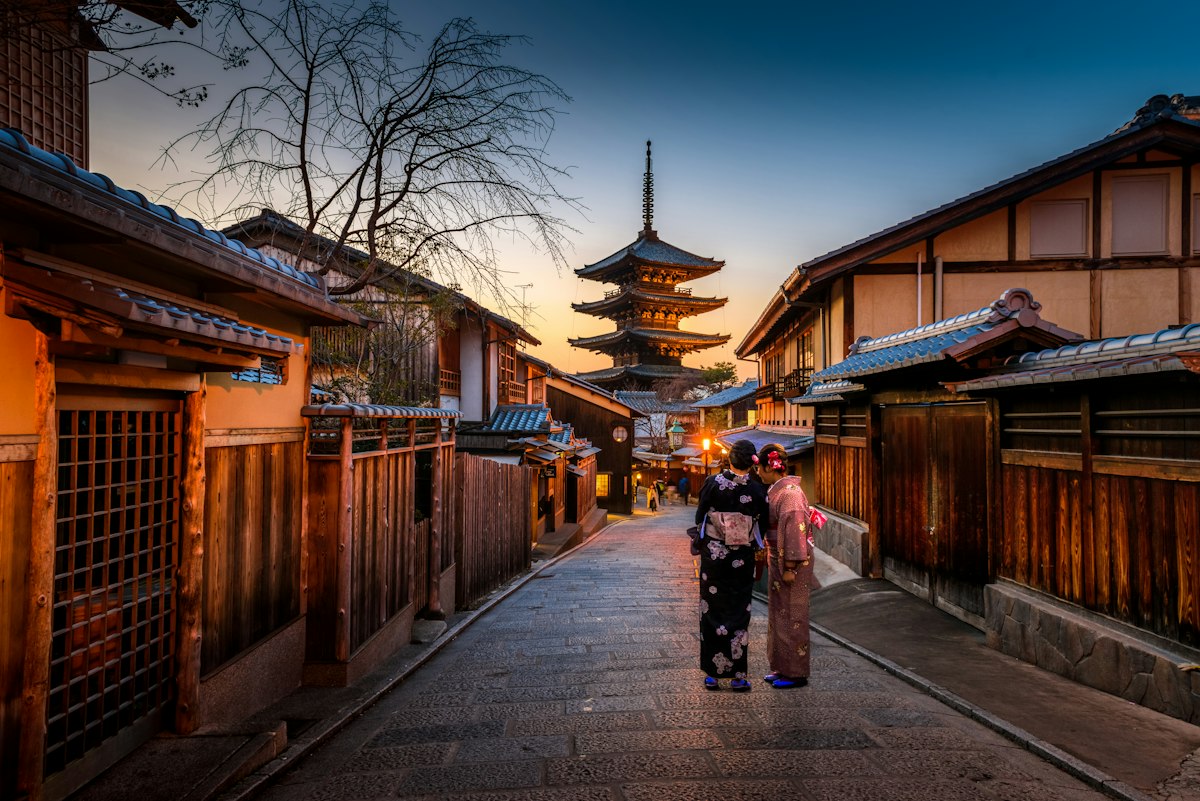

While millions flock to Kyoto's crowded temples and Tokyo's neon-lit streets, Japan's true soul lives quietly in the north. The Tohoku region stretches across six prefectures of northern Honshu, where ancient farming villages nestle between sacred mountains, secret hot springs steam in forgotten valleys, and festivals older than memory still bring entire communities together. This is Japan as it was meant to be experienced — authentic, unhurried, and refreshingly free from tourist buses.
Tohoku rewards the curious traveler with experiences impossible to find elsewhere: sleeping in 400-year-old farmhouses, soaking in hot springs known only to locals, and witnessing traditional crafts passed down through generations. The region's relative isolation has preserved a way of life that vanished decades ago in Japan's more developed areas.
Tohoku's Six Prefectures: Where Authentic Japan Lives
Each of Tohoku's six prefectures offers its own flavor of rural authenticity, from Aomori's apple orchards to Fukushima's mountain villages. While Sendai serves as the region's modern gateway, the real treasures lie in the countryside.
Aomori
Apple orchards, dramatic coastlines, and the spectacular Nebuta Festival
Apples and ancient festivals
- Nebuta Festival
- Hirosaki Castle
- Oirase Gorge
Iwate
Mountain temples, traditional villages, and the spiritual heart of northern Japan
Sacred mountains and villages
- Hiraizumi temples
- Tono folklore
- Iwate coastline
Miyagi
Beyond Sendai lies Matsushima Bay and traditional coastal culture
Scenic bays and culture
- Matsushima Bay
- Sendai
- Zao hot springs
Akita
Rice terraces, traditional crafts, and some of Japan's most beautiful countryside
Rice terraces and crafts
- Kakunodate samurai district
- Lake Tazawa
- Namahage folklore
Yamagata
Sacred Mount Haguro, traditional hot spring villages, and mountain pilgrimage routes
Sacred mountains and onsen
- Dewa Sanzan
- Ginzan Onsen
- Yamadera temple
Fukushima
Recovery stories, hidden valleys, and some of Japan's most welcoming communities
Hidden valleys and recovery
- Ouchi-juku village
- Bandai-Asahi National Park
- Aizu region
Beyond Sendai: Tohoku's Hidden Villages
While other regions of Japan showcase their famous cities, Tohoku's true magic lies in villages that time forgot. These communities offer something increasingly rare in modern Japan: genuine encounters with traditional rural life.
Tono: Japan's Folklore Capital
In the hills of Iwate Prefecture, Tono preserves the old stories. This is where kappa (water spirits) supposedly still live in the rivers, and where farmhouses tell tales older than written history. Stay in a traditional minka (farmhouse) and join local families for meals prepared with vegetables grown in their own gardens.
Shirakawa-go's Quieter Cousins
Everyone knows about Shirakawa-go's gassho-zukuri villages, but few realize similar traditional architecture exists throughout Tohoku — without the tour buses. The mountain villages of southern Fukushima, particularly around Ouchi-juku, showcase the same steep-roofed farmhouses but with a fraction of the visitors.
Coastal Communities of the Sanriku Coast
Along Tohoku's rugged Pacific coastline, fishing villages maintain traditions shaped by centuries of ocean life. In places like Rikuzentakata and Minami-sanriku, communities rebuilding after the 2011 tsunami welcome visitors eager to understand their resilience and traditional fishing culture.
Mountain Villages of Shirakami Sanchi
The UNESCO World Heritage beech forests of Shirakami Sanchi hide tiny settlements where families have lived for generations. These villages offer the rare chance to experience Japan's relationship with its forests — from traditional woodworking to the spiritual connection between community and nature.
Natural Wonders Without the Crowds
Tohoku's geography — volcanic mountains, deep valleys, and dramatic coastlines — creates natural spectacles that rival anything in Japan, but with the profound difference of solitude.
Secret Hot Springs in Remote Valleys
While Hakone and Beppu draw crowds, Tohoku's onsen remain largely local secrets. Nyuto Onsen in Akita, reached by winding mountain roads, offers seven different hot spring sources in a setting of pristine wilderness. Each bath has its own mineral composition and healing properties, discovered centuries ago by hunters and woodsmen.
Untouched Hiking Trails
The ancient pilgrimage routes of Dewa Sanzan in Yamagata Prefecture take you through mountain forests where yamabushi (mountain monks) have practiced for over 1,400 years. These trails offer spiritual experiences alongside spectacular mountain views — and you might walk for hours without meeting another soul.
Dramatic Coastlines Without the Crowds
The Sanriku Coast offers some of Japan's most spectacular coastal scenery — towering cliffs, hidden coves, and fishing ports that feel unchanged by time. Unlike the crowded coasts further south, here you can walk for miles along cliff-top paths with only seabirds for company.
Authentic Cultural Experiences
Tohoku's isolation has preserved cultural traditions that disappeared elsewhere in Japan. This isn't museum culture — it's living tradition practiced by communities for whom these customs remain part of daily life.
Traditional Festivals Beyond the Famous Ones
The Nebuta Festival in Aomori draws attention for good reason — giant illuminated floats parading through summer nights create an unforgettable spectacle. But Tohoku hosts dozens of smaller festivals where participation, not performance, is the goal. The Namahage ritual in Akita, where demon-masked figures visit homes to drive away evil spirits, welcomes visitors to join the community celebration.
Farm Stays and Rural Hospitality
Tohoku's farm stay network offers immersion in agricultural life that's increasingly rare in developed countries. Guests participate in seasonal work — rice planting in spring, harvesting in autumn, or apple picking in Aomori's orchards. Meals feature vegetables grown on the property and regional specialties prepared by farming families proud to share their traditions.
Local Craft Workshops
Traditional crafts thrive in Tohoku because they remain functional, not just decorative. In Iwate, learn Nambu ironwork from artisans whose families have worked iron for generations. In Akita, try your hand at making Akita cedar crafts using techniques unchanged for centuries.
Regional Cuisine and Hidden Restaurants
Tohoku's cuisine reflects its agricultural abundance and harsh winters. Hearty dishes like kiritanpo (grilled rice sticks in hot pot) in Akita or Sendai's famous beef tongue represent comfort food at its finest. The region's sake, produced with pristine mountain water and local rice varieties, ranks among Japan's best but remains largely unknown outside the region.
Getting Around Tohoku: Transportation for Rural Exploration
Tohoku's rural nature means transportation requires more planning than in Japan's urban corridors, but the effort rewards you with access to places tour groups never reach.
The Tohoku Shinkansen: Your Fast Track North
The Tohoku Shinkansen connects Tokyo to Sendai in just 90 minutes, making the region surprisingly accessible. From Sendai, regional rail networks fan out to smaller cities and towns. A JR East Pass offers excellent value for exploring multiple prefectures — it's the fastest way to cover the region efficiently.
Regional Train Networks
Local train lines reach deep into Tohoku's countryside, often following river valleys through spectacular mountain scenery. The JR Gono Line along Aomori's coast and the JR Tadami Line through Fukushima's mountains rank among Japan's most scenic rail journeys.
Rural Bus Systems and Car Rental
For the most remote villages and natural areas, buses connect to places trains can't reach. However, car rental opens up possibilities impossible with public transport — mountain hot springs, hidden temples, and village restaurants that locals consider their own secrets.
Where to Stay in Tohoku
Accommodation in Tohoku ranges from traditional farmhouse stays to modern hotels in regional cities. For the most authentic experience, consider staying in rural ryokan or participating in farm stay programs that connect you directly with local families. Book accommodations in Sendai as your base for exploring the region, or find hotels in Aomori for northern Tohoku adventures.
Seasons and Best Times to Visit
Tohoku's four seasons each offer distinct experiences, from spring cherry blossoms that bloom later than elsewhere in Japan to winter snow festivals in some of the country's snowiest regions.
Spring: Cherry Blossoms and Mountain Awakening
Tohoku's cherry blossom season runs from late April through early May, weeks after the crowds have left Tokyo and Kyoto. Hirosaki Castle in Aomori and the temples of Hiraizumi in Iwate offer spectacular sakura viewing without the masses.
Summer: Festival Season and Mountain Hiking
Summer brings Tohoku's festival season to life. The Nebuta Festival in early August represents the region's most famous celebration, but dozens of smaller festivals throughout the summer offer more intimate cultural experiences. Mountain trails become accessible, and the region's famous summer festivals create a sense of community celebration.
Autumn: Spectacular Foliage and Harvest Season
Tohoku's autumn colors rival New England's, but with the added dimension of traditional architecture set against the colorful backdrop. This is harvest season — perfect timing for farm stays and food experiences featuring the year's fresh produce.
Winter: Snow Country and Hot Springs
Heavy snowfall transforms Tohoku into a winter wonderland. This is hot spring season, when soaking in outdoor baths surrounded by snow-covered forests becomes a transcendent experience. Winter also brings unique festivals and the chance to experience traditional snow country life.
Related Itineraries
Tohoku's vastness and seasonal variety mean different itineraries work for different interests and times of year. Explore our curated routes that take you beyond the obvious destinations to discover the region's authentic heart.
FAQ
How many days do I need to explore Tohoku properly?
A minimum of 7-10 days allows you to experience 2-3 prefectures meaningfully. Two weeks lets you dive deeper into rural communities and seasonal activities. The region rewards slow travel — rushing defeats the purpose of experiencing authentic rural Japan.
Is Tohoku suitable for first-time visitors to Japan?
Tohoku works best for travelers who have some Japan experience or are comfortable with limited English. Rural areas have minimal English signage, and cultural experiences often require more cultural sensitivity than urban destinations. However, the authentic experiences make the extra effort worthwhile.
What's the best way to get around Tohoku without a car?
The JR East Pass covers most regional trains and some buses. Combine this with local bus networks and occasional taxis for remote destinations. Many rural accommodations offer pickup services from the nearest station. Plan routes carefully and allow extra time for connections.
When is the best time to visit for festivals?
Summer (July-August) offers the most festivals, including the famous Nebuta Festival in early August. However, smaller traditional festivals occur throughout the year. Spring and autumn festivals often focus on agricultural cycles and offer more intimate community experiences.
How much should I budget for rural Tohoku travel?
Budget ¥12,000-18,000 per day for mid-range travel including accommodation, meals, and transport. Farm stays and rural ryokan often include excellent meals, offering good value. Car rental adds ¥6,000-8,000 daily but opens access to places impossible to reach otherwise.