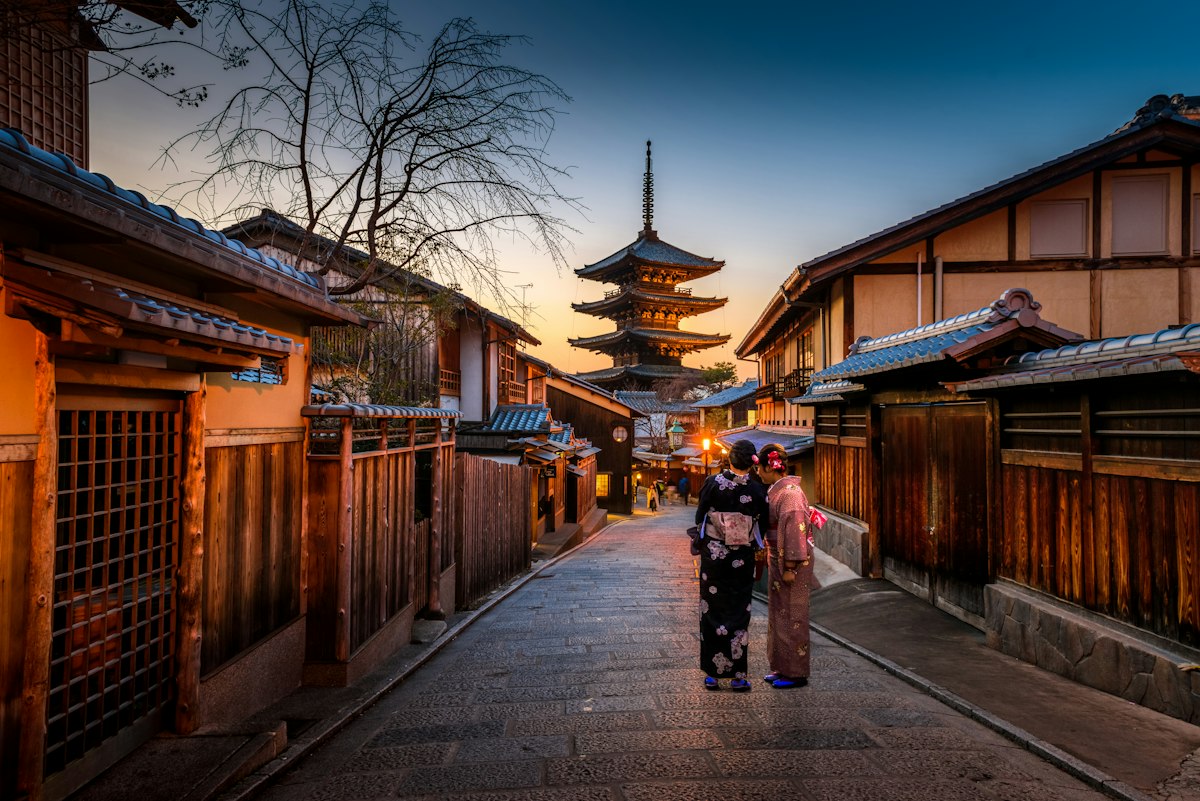


Most travelers know Ishikawa Prefecture for Kanazawa's pristine Kenroku-en garden and gleaming train station. But venture beyond the well-trodden paths, and you'll discover the real treasures: the rugged Noto Peninsula where fishing villages haven't changed in decades, traditional craft workshops where you can learn from master artisans, and hot spring towns that locals have kept to themselves. This is where you'll find the Japan that guidebooks struggle to capture — authentic, unhurried, and refreshingly free from tour buses.
Cities & Regions
Kanazawa
Cultural powerhouse with world-class gardens, samurai districts, and living craft traditions
Gardens and samurai culture
- Kenroku-en Garden
- Higashi Chaya
- 21st Century Museum
Noto Peninsula
Untouched fishing villages and sacred forests along Japan's most authentic coastline
Fishing villages and coastline
- Wajima morning market
- Suzu fishing villages
- Noto's sacred forests
Kaga Region
Historic hot spring towns and sake breweries tucked between mountains and sea
Hot springs and sake
- Yamanaka Onsen
- Yamashiro Onsen
- Kaga sake breweries
Top Attractions
One of Japan's top three gardens, stunning in every season
Top three garden of Japan
Atmospheric geisha district with tea houses and gold leaf shops
Historic geisha district
1,000-year-old market where fishermen's wives sell the daily catch
1,000-year-old fish market
Time-forgotten coastal hamlets where traditional life continues unchanged
Unchanged fishing hamlets
Riverside hot spring town famous for its wooden architecture and sake
Riverside hot springs
Working pottery studios where you can learn traditional glazing techniques
Traditional pottery workshops
Beyond Kanazawa: What You're Missing in Ishikawa
While most visitors stick to Kanazawa's famous trio — Kenroku-en, the samurai district, and Omicho Market — Ishikawa Prefecture's real magic happens in places your guidebook barely mentions. Together with our local guide Yuki Tanaka, who runs cultural walking tours through Kanazawa's historic districts, I explored both the well-known attractions and the hidden corners that locals treasure.
The Noto Peninsula, stretching 100 kilometers into the Sea of Japan, remains stunning and almost tourist-free. Rent a car for the coastal drive — you'll discover fishing villages where thatched-roof houses line narrow harbors, and morning markets where fishermen's wives have sold the day's catch for over a thousand years. In Suzu, at the peninsula's tip, entire villages seem frozen in time, their residents still practicing traditional salt-making and lacquerware crafts.
The Kaga region, south of Kanazawa, offers a quieter alternative to Japan's crowded onsen towns. Yamanaka Onsen sits along the Kakusenkei Gorge, where historic ryokan overlook rushing waters and autumn maples. Unlike Hakone or Atami, you won't fight crowds for photo spots or wait in line for outdoor baths.
For craft enthusiasts, Ishikawa is unmatched. This is where you can actually learn traditional techniques — not just watch demonstrations. In Wajima, lacquerware masters teach visitors the centuries-old urushi application process. Near Komatsu, Kutani pottery studios welcome guests to try their hand at the intricate overglaze painting that makes these ceramics so prized.
Seasons & Best Time to Visit
Ishikawa reveals different personalities throughout the year, each season offering unique experiences that go beyond typical tourist timing.
Spring (March-May) brings cherry blossoms to Kenroku-en, but more importantly, it's when Noto Peninsula awakens from winter. Fishing season begins in earnest, morning markets overflow with spring seafood, and the coastal drive becomes spectacular as wildflowers bloom along clifftops. The weather is perfect for exploring rural villages without summer's humidity.
Summer (June-August) is festival season. Noto Peninsula hosts some of Japan's most authentic matsuri, including the UNESCO-recognized Abare Festival in Noto town, where massive portable shrines are carried into the sea. It's hot and humid, but the energy is infectious, and you'll experience community celebrations unchanged for centuries.
Autumn (September-November) might be Ishikawa's finest season. The maple colors in Yamanaka Onsen's gorge rival Kyoto's, but without the crowds. Noto Peninsula's harvest festivals celebrate the year's catch and rice crop. Kanazawa's gardens showcase their famous autumn illuminations, and the weather is ideal for long coastal drives.
Winter (December-February) transforms the region into something magical. Kenroku-en's yukitsuri (rope supports protecting trees from snow) creates one of Japan's most iconic winter scenes. Heavy snowfall blankets Noto Peninsula's villages, creating an ethereal landscape. Hot springs feel most luxurious when snow falls outside your outdoor bath. Visit Omicho Market early morning before 8am for the freshest seafood and fewer tourists — the winter catch includes some of the year's best crab and yellowtail.
Getting Around Ishikawa
Ishikawa's geography demands different transport strategies depending on your destinations. Kanazawa is easily walkable and well-connected by public transport, but reaching the prefecture's hidden gems requires more planning.
Within Kanazawa: The city's compact historic districts are perfect for walking. The Kanazawa Loop Bus connects major attractions, though we recommend exploring the samurai and geisha districts on foot to discover small galleries and traditional shops tucked between famous sites.
To Noto Peninsula: This is where a rental car becomes essential. While buses serve major towns like Wajima, they're infrequent and won't take you to the isolated fishing villages where Noto's real character emerges. The coastal drive itself — Route 249 — is half the experience, winding along dramatic cliffs and through terraced rice fields.
Kaga Region: Express trains from Kanazawa reach the onsen towns in 30-45 minutes, making day trips feasible. However, staying overnight lets you experience the traditional ryokan culture these towns are famous for.
JR Pass considerations: The Hokuriku Shinkansen connects Tokyo to Kanazawa in 2.5 hours, covered by the JR Pass. Local JR lines serve some destinations, but many of Ishikawa's best experiences require private transport or local bus networks not covered by the pass.
Where to Stay
Ishikawa offers accommodations that immerse you in local culture, from historic ryokan to family-run minshuku where you'll share meals with your hosts.
Asadaya Ryokan
Historic ryokan in Kanazawa's geisha district with traditional kaiseki and impeccable service
Higashi ChayaCheck availability →For the ultimate traditional experience, historic ryokan in Kanazawa's geisha district place you steps from tea houses and traditional craft shops. The morning walk through empty streets before tourists arrive is magical.
Noto Peninsula Minshuku
Family-run guesthouse in fishing village with home-cooked seafood meals
Wajima areaCheck availability →On Noto Peninsula, family-run minshuku offer the most authentic experience. You'll share meals featuring the day's catch with fishing families who've lived here for generations.
Yamanaka Onsen Historic Ryokan
Riverside ryokan with private onsen baths overlooking Kakusenkei Gorge
Yamanaka OnsenCheck availability →In the Kaga region, riverside ryokan offer the perfect blend of hot spring culture and mountain scenery, especially beautiful during autumn maple season.
Kanazawa Boutique Hotel
Modern comfort near Kanazawa Station with easy access to attractions
Central KanazawaCheck availability →Related Itineraries
Explore our curated itineraries that showcase Ishikawa's diverse regions, from intensive Kanazawa cultural immersion to adventurous Noto Peninsula road trips. Each route is designed to balance famous attractions with hidden local gems.
FAQ
How many days do I need for Ishikawa Prefecture?
Minimum 3 days: one full day in Kanazawa for gardens and districts, one day for traditional craft experiences, and one day exploring either Noto Peninsula or Kaga onsen towns. Five days allows you to experience both coastal and mountain regions properly.
Is Noto Peninsula worth visiting without a car?
While possible using buses to reach Wajima and major towns, you'll miss the isolated fishing villages and scenic coastal drives that make Noto special. Consider joining a small-group tour or splurging on a rental car for maximum flexibility.
When is the best time to visit for traditional crafts?
Year-round, but autumn (September-November) offers ideal weather for workshop visits and the most comfortable travel between craft centers. Many studios welcome visitors for hands-on experiences — book ahead for popular workshops like Wajima lacquerware.
How far in advance should I book Kaga onsen ryokan?
Book 2-3 months ahead for autumn (peak season) and popular weekends. Many historic ryokan have limited rooms, and the best ones fill up quickly. Weekday visits often offer better availability and rates.
Can I use Ishikawa as a base for visiting Shirakawa-go?
Yes, Kanazawa makes an excellent base for Shirakawa-go day trips (1.5 hours by bus). This combination lets you experience both Ishikawa's coastal culture and the famous mountain villages in one trip, offering a more diverse perspective on traditional Japan.