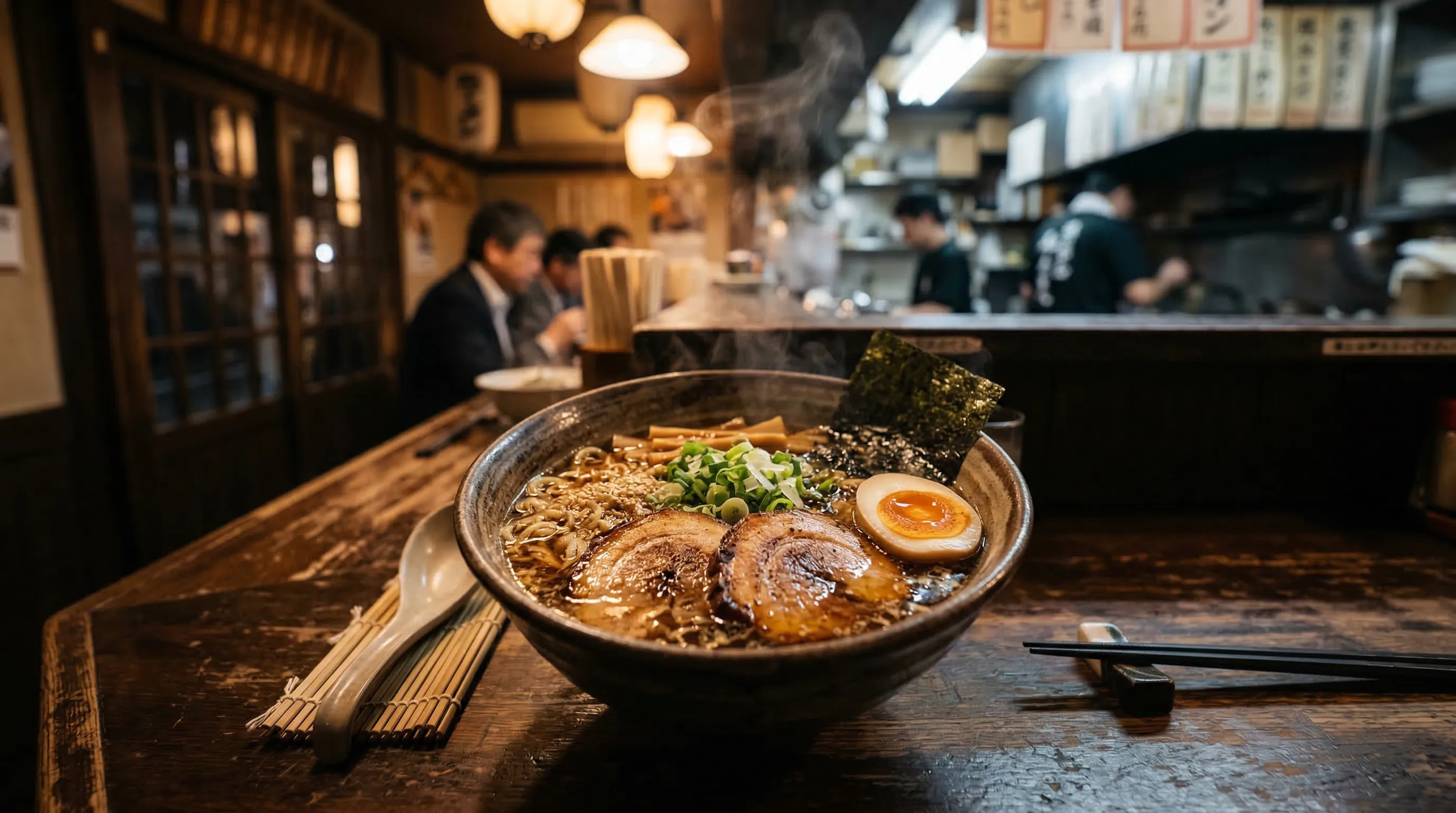

While tourists queue for overpriced ramen near Sensoji Temple, Tokyo's ramen connoisseurs slip into Asakusa's narrow backstreets where family-run shops have been perfecting their broths for generations. These hidden gems serve the authentic flavors of old Edo, untouched by tourism trends and unchanged by time.
1. Fuji Ramen
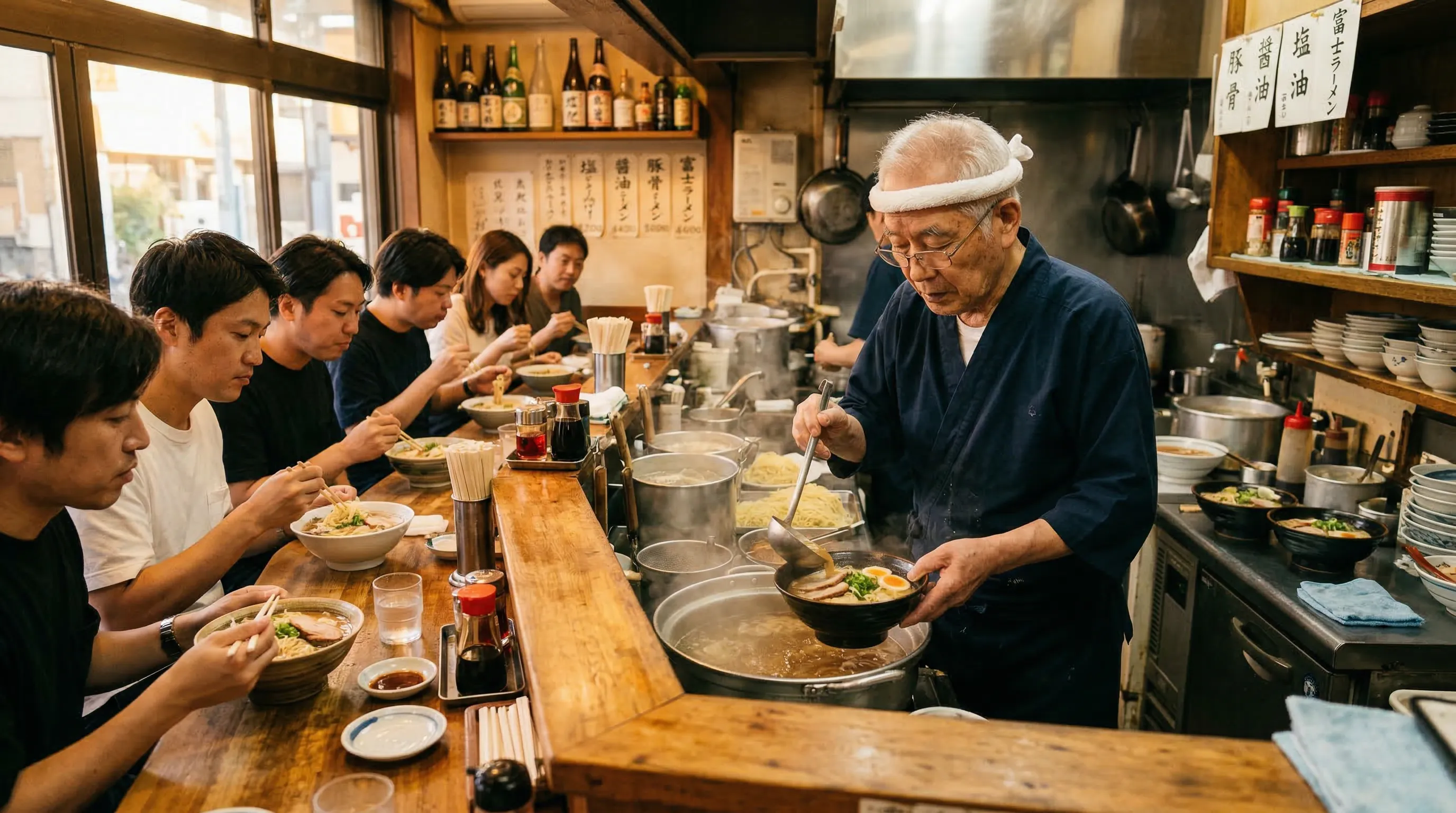
After testing every ramen shop in Asakusa over three days, I discovered this tiny 8-seat counter tucked away on a residential street. The elderly owner has been making the same shoyu ramen recipe for 40 years, starting his 18-hour bone broth at 4am to create a golden, crystal-clear soup that's pure umami magic. No English menu, no tourists—just locals who've been coming here for decades and the occasional ramen pilgrim who stumbles upon perfection.
The chashu melts like butter, and the noodles have that perfect chew that only comes from handmade expertise. I returned three times during my stay—it's simply the best shoyu ramen I've had in all of Tokyo. Nothing fancy, just 40 years of craftsmanship in a bowl.
Pro tip: Arrive before 7pm—when the pot runs dry, they close for the day. Cash only.
2. Daikokuya Tempura (Hidden Ramen Counter)
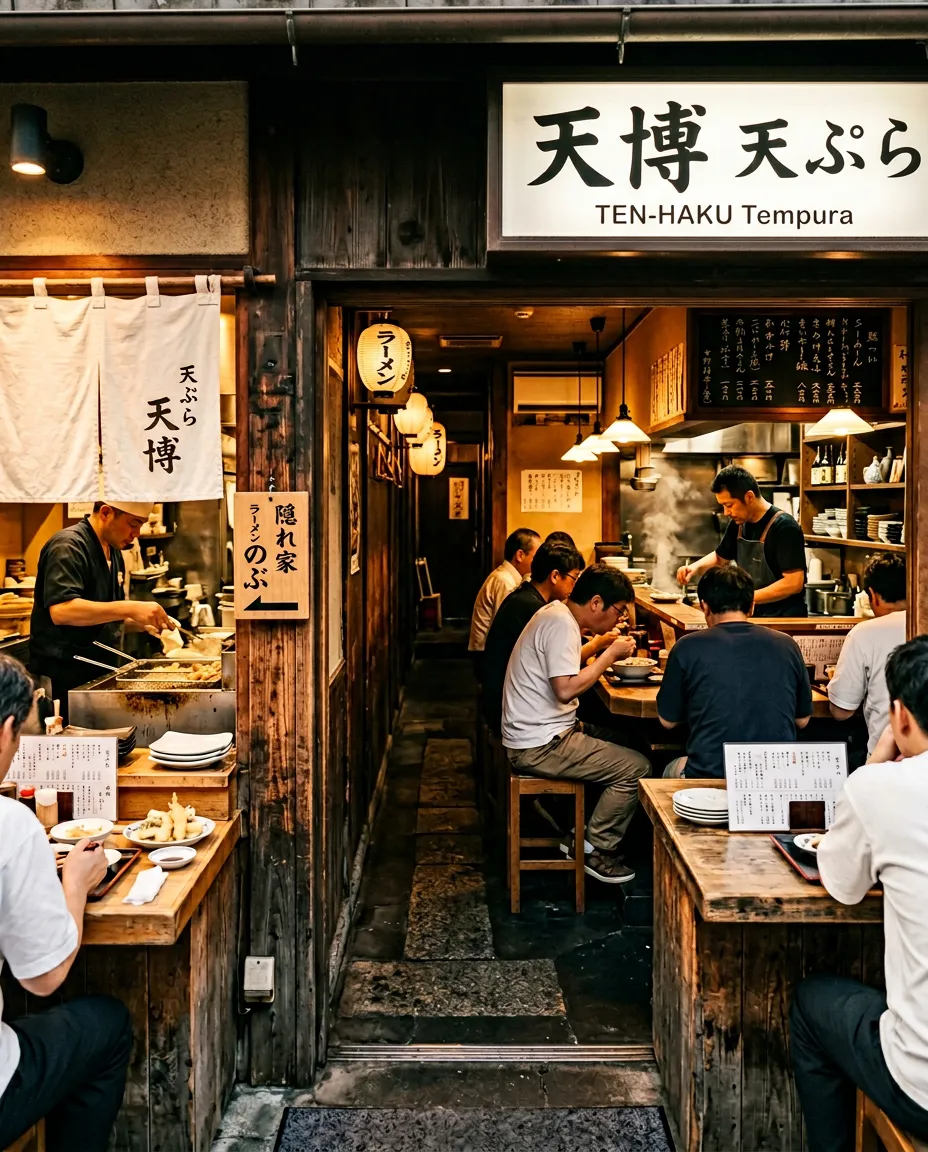
Most visitors see Daikokuya's tempura sign and walk past, missing the tiny ramen counter tucked behind the main restaurant. This 150-year-old establishment serves a rich tonkotsu ramen that's been their staff meal for generations—only recently made available to the public. The broth is cloudy white gold, simmered for 20 hours until the pork bones surrender every molecule of flavor.
Only six bowls made daily, and locals guard this secret fiercely. The contrast between the formal tempura service up front and the casual ramen counter in back perfectly captures Asakusa's dual nature.
Pro tip: Enter through the tempura restaurant and ask for "ramen" in the back—they'll know what you mean.
3. Ramen Yashichi
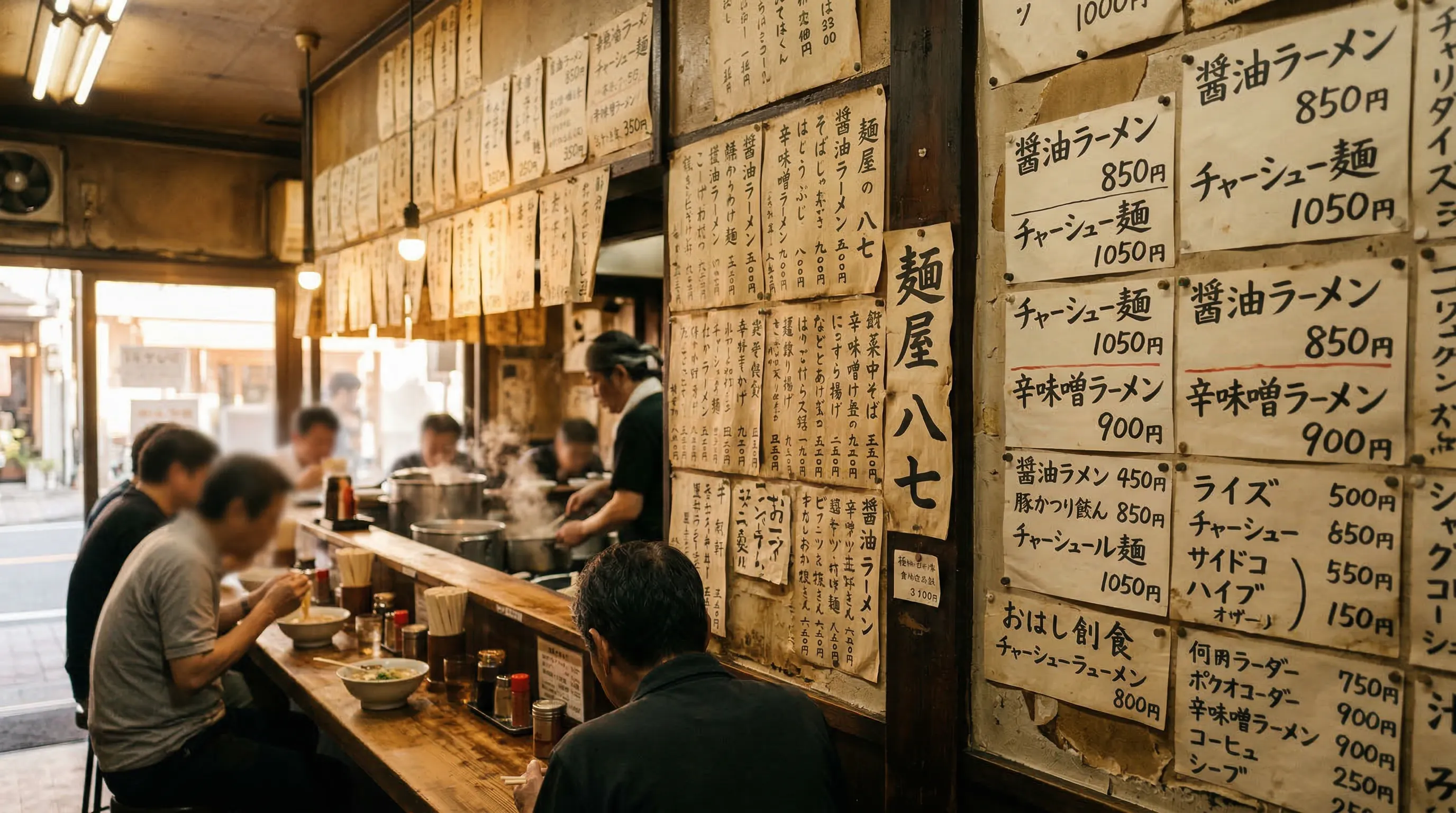
Three generations of the same family have stirred the pot at this weathered shop since 1954. Their miso ramen uses a secret blend of three different miso pastes, creating layers of flavor that unfold with each spoonful. The current owner learned the recipe from his grandmother, who refused to write it down—it lives only in muscle memory and intuition.
The bamboo shoots are pickled in-house, and the corn is charred over an open flame for that subtle smokiness. Handwritten menus covering the walls tell decades of stories, each one a testament to consistency in an ever-changing city.
Pro tip: Order the "special miso" (tokubetsu miso) for the full three-generation experience.
4. Menya Saimi
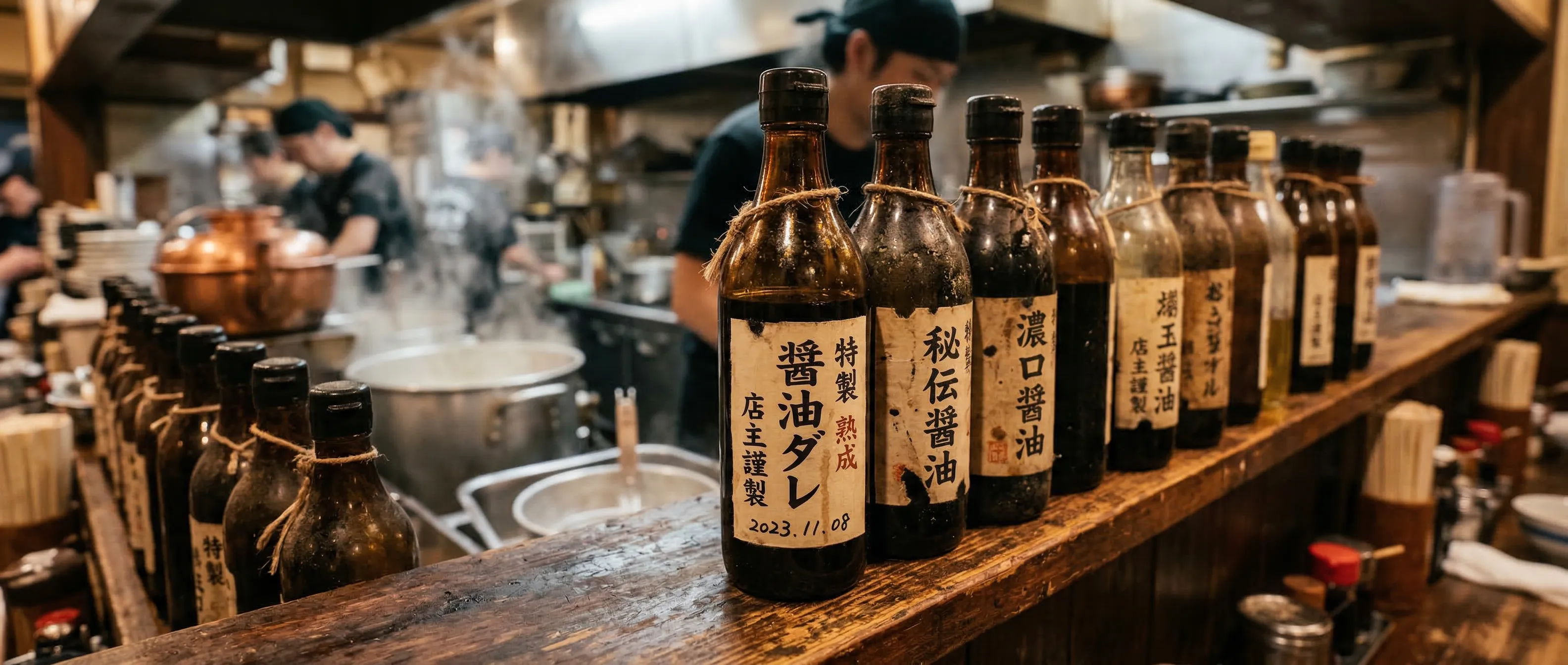
This artisan shoyu specialist ages their tare (seasoning sauce) for two years in ceramic crocks, creating a depth that mass-produced ramen can't touch. The master here trained at Tokyo's most exclusive ramen shops before returning to Asakusa to honor traditional techniques. Each bowl is a masterclass in balance—the shoyu's salinity, the chicken broth's richness, and the noodle's wheat flavor all singing in perfect harmony.
Only 30 bowls made daily, and you can taste the patience in every spoonful. The lunch-only "aged shoyu special" uses tare that's been mellowing for five years—it's worth planning your day around.
Pro tip: Arrive early for the aged shoyu special—it's usually sold out by 2pm.
5. Komurasaki (Kumamoto-Style in Old Tokyo)
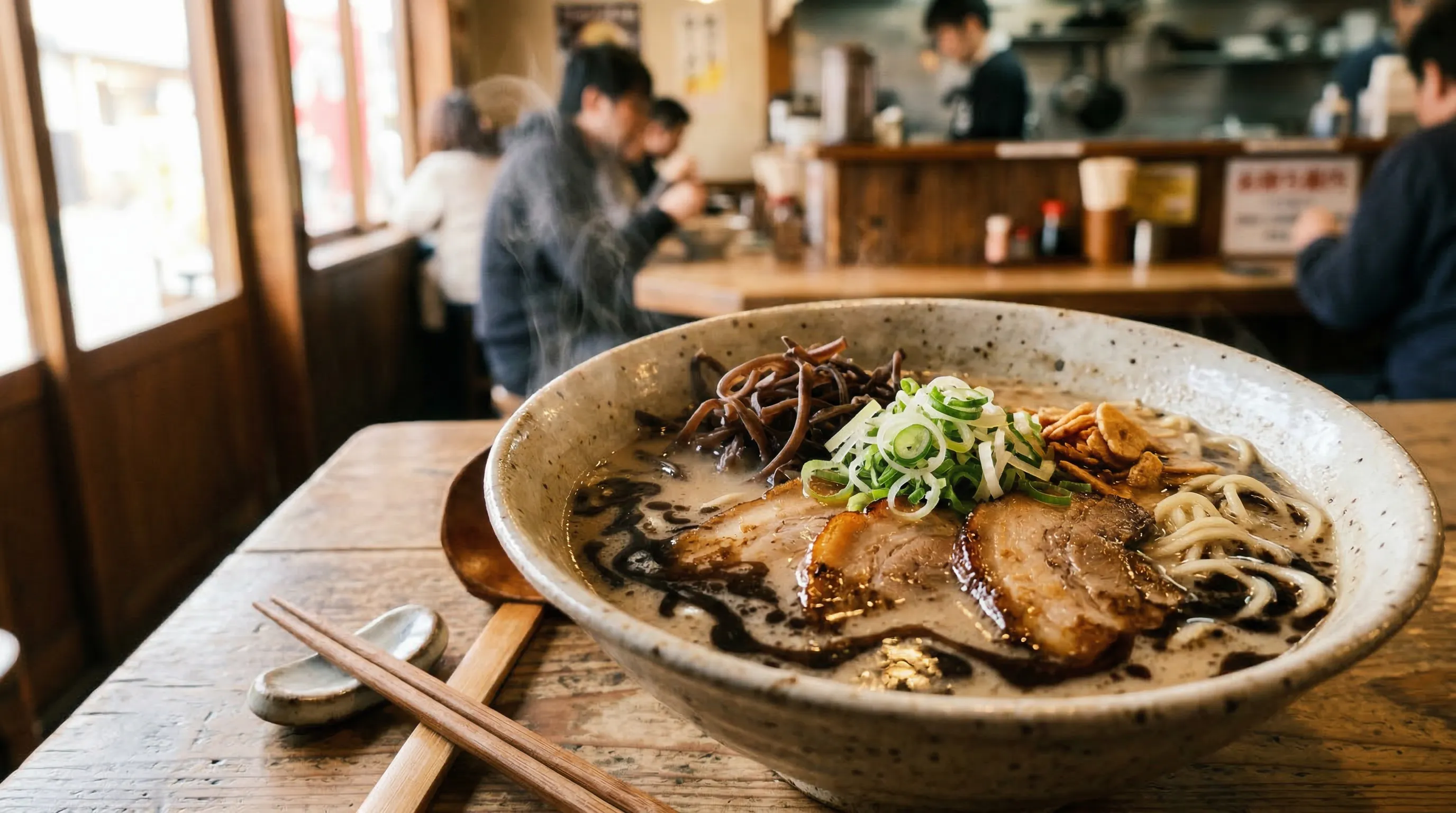
An unexpected gem serving authentic Kumamoto-style tonkotsu in the heart of old Tokyo. The master moved here from Kyushu 25 years ago, bringing his hometown's fierce garlic oil and char-grilled pork tradition to Asakusa's refined palate. The broth is milky white and intensely rich, topped with blackened garlic oil that adds both heat and depth.
It's aggressive ramen that stands out among Asakusa's more subtle offerings—perfect after a long day of temple-hopping when you need something that fights back.
Pro tip: Ask for "ninniku mashi" (extra garlic) if you want the full Kumamoto experience.
Honorable Mentions
Chukasoba Ginza Hachigo serves refined chicken-based ramen that's lighter but equally satisfying—perfect for those who prefer subtlety over richness. Yokocho Ramen stays open until 3am, serving solid shoyu ramen to night-shift workers and insomniacs when everything else is closed.
FAQ
What's the proper ramen etiquette in Asakusa's local shops?
Slurp loudly—it's not rude, it's essential for cooling the noodles and aerating the broth. Finish everything in your bowl, including the soup. Don't linger after finishing; these tiny shops need the turnover. Most importantly, respect the quiet concentration of serious ramen eating.
How much should I expect to pay for ramen in Asakusa?
Local shops charge ¥800-1,200 for a bowl, significantly less than tourist-targeted places near Sensoji. Cash only at most traditional spots—verify current pricing before ordering as costs can fluctuate.
When are the best times to avoid crowds at these ramen shops?
Visit between 2-5pm or after 8pm. Lunch rush (11:30am-1:30pm) and dinner peak (6-8pm) can mean long waits at popular spots. Many close between lunch and dinner service, so check operating hours before heading out.
How do I order if there's no English menu?
Point to what others are eating, or learn these basics: "shoyu ramen" (soy sauce base), "miso ramen" (fermented soybean paste), "tonkotsu ramen" (pork bone broth). "Omakase" means "chef's choice" if you're feeling adventurous. Most masters appreciate the effort even if your pronunciation isn't perfect.
Are these traditional ramen shops vegetarian-friendly?
Traditional ramen shops use meat-based broths exclusively—pork and chicken bones are fundamental to authentic recipes. For vegetarian options, head to modern ramen chains rather than these family-run establishments where authenticity means animal-based broths.