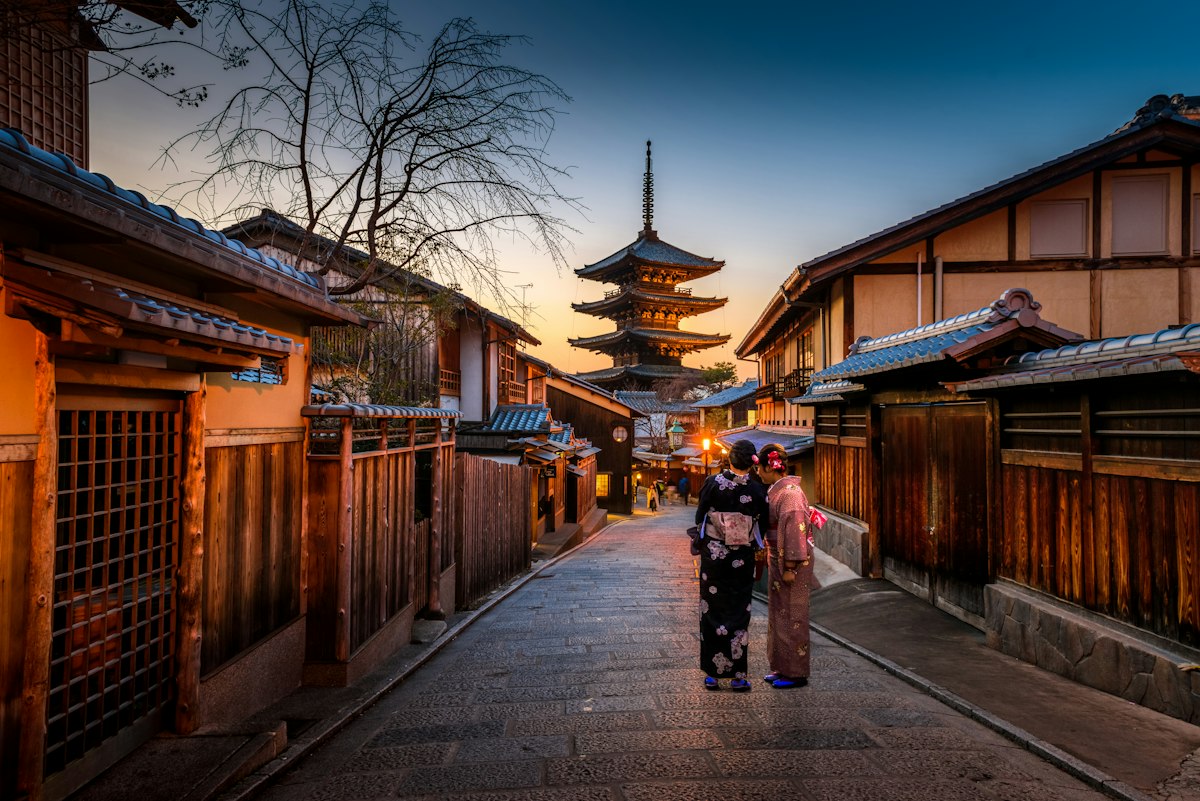


Japanese street food is having a moment, but most guides stick to the same tired trio: takoyaki, yakitori, and tamagoyaki. While those are delicious, Japan's real street food culture runs much deeper. From regional specialties that tourists never hear about to family-run stalls hidden in residential neighborhoods, the country's most incredible flavors happen away from the neon-lit tourist districts.
1. Ikayaki (Grilled Squid) — Osaka's Hidden Gem
Author's Pick While everyone lines up for takoyaki in Dotonbori, locals know the real Osaka street food gem is ikayaki. This isn't your typical festival-style grilled squid on a stick — Osaka-style ikayaki is pressed flat on a griddle, creating crispy edges while keeping the center tender. The squid is brushed with a sweet-savory sauce that's part takoyaki sauce, part okonomiyaki magic. What makes Osaka's version special is the technique. Street vendors use a special press that flattens the squid while it cooks, creating more surface area for that perfect char. The best versions come with a sprinkle of aonori (seaweed flakes) and a drizzle of mayo. **Where to find it:** Skip the tourist areas and head to residential shopping streets (shotengai) in neighborhoods like Sumiyoshi or Nippombashi. Look for vendors with well-worn griddles — that's where the magic happens. If you're planning to explore Osaka extensively, consider booking accommodation in these local neighborhoods to be closer to authentic street food experiences.2. Jaga Pokkuru (Hokkaido Potato Sticks)
These aren't just potato chips — they're Hokkaido's answer to French fries, made from potatoes so good they're practically a different vegetable. Jaga Pokkuru uses only Hokkaido potatoes, cut into thin sticks and fried to crispy perfection with just enough salt to enhance the natural potato flavor. The texture is what sets them apart: crunchier than regular chips but not as dense as fries. Each stick delivers pure potato flavor without the heavy oil coating you get from mass-produced snacks. They're so popular that New Chitose Airport sells them as premium souvenirs, but the best versions come from local vendors. **Where to find it:** Beyond the airport gift shops, look for them at Hokkaido farmers markets and local convenience stores. In Sapporo, street vendors near Susukino sometimes sell fresh-fried versions that put the packaged ones to shame. For the full Hokkaido experience, stay in central Sapporo where you can easily explore both the famous Susukino district and local markets.3. Mitarashi Dango from Traditional Yatai
Dango might look simple — just rice flour dumplings on a stick — but finding authentic mitarashi dango is an art. The sweet-soy glaze should be glossy but not sticky, with a perfect balance of sweet miso and soy that complements rather than overwhelms the subtle rice flavor. Traditional yatai stalls make their mitarashi sauce fresh throughout the day, adjusting the consistency as the weather changes. The dumplings themselves should have a slight chew without being gummy, and they're best when still warm from the grill. **Where to find it:** Historic temple areas often have the best traditional vendors. In Kyoto, look for yatai near Kiyomizu-dera in the early morning or late afternoon when locals stop by. Avoid the bright, touristy stalls — the best mitarashi comes from vendors with weathered equipment and local customers.4. Butaman (Steamed Pork Buns) — Convenience Store vs. Chinatown
Here's something that might surprise you: 7-Eleven's butaman is actually really good. The convenience store version uses quality pork and a surprisingly light, fluffy bun that steams perfectly in their specialized warmers. For ¥100-150, it's one of Japan's best late-night snacks. But for the full experience, head to Yokohama's Chinatown, where family-run shops have been perfecting their recipes for generations. The handmade versions have thicker, more substantial buns and fillings that might include shiitake mushrooms, bamboo shoots, or even crab. **Where to find it:** Any convenience store for the accessible version, but for artisan butaman, explore the back streets of Yokohama Chinatown beyond the main tourist drag. Look for shops where you can see steam rising from bamboo baskets. If you're making a special trip to Yokohama, book a hotel near Chinatown to fully explore both the famous spots and hidden gems.5. Hiroshima-Style Okonomiyaki
Forget the tourist versions — real Hiroshima okonomiyaki is an engineering marvel. Unlike Osaka's mixed-batter approach, Hiroshima style builds in distinct layers: cabbage, noodles (yakisoba or udon), egg, and finally the batter, all topped with a generous drizzle of okonomiyaki sauce. The technique matters enormously. Skilled cooks manage multiple orders simultaneously on massive griddles, flipping each pancake at precisely the right moment to create crispy edges while keeping the cabbage tender-crisp. The noodles add texture that Osaka-style lacks, making each bite more complex. **Where to find it:** Skip Okonomimura (the touristy okonomiyaki theme park) and head to residential areas like Eba or Koi. Look for shops where salarymen eat lunch — that's your guarantee of authenticity. The best spots have counters facing the griddle so you can watch the masters work.6. Imagawayaki with Unusual Fillings
Most people know imagawayaki (round pancakes) with red bean filling, but the real fun starts with modern variations. Creative vendors now offer everything from custard cream and chocolate to seasonal specialties like sweet potato in autumn or sakura cream in spring. Regional names add to the confusion — it's called obanyaki in Kansai, taiyaki's cousin in Tokyo, and koban-yaki in other areas. But regardless of the name, the best versions have a crispy exterior that gives way to a fluffy interior, with fillings that complement rather than overpower the pancake. **Where to find it:** Department store basement food courts (depachika) often have artisan vendors with creative fillings. For traditional versions, festival stalls and shotengai vendors stick to perfecting the classics.7. Kushikatsu from Shinsekai's Back Alleys
Everyone knows about Daruma, Shinsekai's famous kushikatsu chain, but the real gems hide in the neighborhood's narrow back alleys. These family-run shops have been frying skewered everything — pork, beef, vegetables, even ice cream — for decades, and they take the "no double-dipping" rule very seriously. The magic is in the batter: light enough to let the ingredients shine, crispy enough to provide textural contrast. Each shop has its own sauce recipe, usually a closely guarded family secret that's been refined over generations. **Where to find it:** Wander the alleys behind the main Shinsekai strip. Look for tiny shops with just a few counter seats and locals drinking beer. The best kushikatsu comes from places where the oil is changed regularly and the ingredients are prepped fresh daily.8. Yakitori from Omoide Yokocho Alternatives
Memory Lane (Omoide Yokocho) in Shinjuku gets all the attention, but it's become so touristy that many stalls prioritize volume over quality. Better yakitori experiences await in less famous locations where locals actually eat. Great yakitori requires perfect timing — the chicken should be charred on the outside but juicy inside, with tare (sauce) that enhances rather than masks the meat's flavor. The best places offer parts you won't find in tourist areas: heart, liver, skin, and cartilage, each requiring different cooking techniques. **Where to find it:** Try the yakitori alleys near university areas like Waseda or Takadanobaba. These spots cater to students and locals, so quality stays high while prices remain reasonable. Look for places where the smoke billows onto the street — that's your signal. For easy access to Tokyo's best local yakitori spots, stay in neighborhoods like Shibuya or Shinjuku where you can easily reach university areas by train.9. Taiyaki with Seasonal Fillings
Taiyaki's fish-shaped charm is just the beginning — timing your visit for seasonal fillings transforms this simple street snack into something special. Spring brings sakura-flavored cream, summer offers refreshing custard, autumn features sweet potato or chestnut, and winter returns to rich chocolate or traditional red bean. The key is finding shops that make their taiyaki to order rather than keeping them warm in display cases. Fresh taiyaki has a crispy tail and head with a soft, warm center. The filling should reach all the way to the tail — a good test of the vendor's skill. **Where to find it:** Artisan taiyaki shops in neighborhoods like Asakusa or near temples often feature seasonal specialties. Chain stores stick to basic fillings, but independent vendors experiment with local ingredients and seasonal themes.10. Kakigori (Shaved Ice) from Traditional Shops
Not all ice is created equal, and kakigori masters know the difference. Traditional shops use natural ice, often harvested from mountain lakes and aged in ice houses. This creates a finer, fluffier texture that absorbs syrups better than machine-made ice. The best kakigori shops have been operating for decades, perfecting their ice-shaving technique and syrup recipes. Some offer unique flavors like blue Hawaii or green tea, while others stick to classic fruit syrups. The presentation matters too — properly shaved ice should form a perfect mountain shape. **Where to find it:** Century-old shops in areas like Ueno or Asakusa often specialize in traditional kakigori. Summer festival stalls offer a more casual experience, but dedicated shops provide the full artisanal treatment.Where to Find Authentic Street Food Beyond Tourist Areas
Street Food Etiquette and Ordering Tips
FAQ
What's the difference between yatai, festival food, and convenience store options?
Yatai are traditional mobile food stalls, often family-run businesses that set up in the same spots nightly. Festival food comes from temporary stalls during matsuri events, usually run by community groups. Convenience stores offer consistent quality and availability but less atmosphere. Each serves different needs — yatai for authentic local experience, festivals for cultural immersion, convenience stores for reliable late-night options.
How much should I budget for street food per day?
Budget ¥1,500-3,000 per day for street food snacks and light meals. Individual items range from ¥100-500 for convenience store options to ¥300-800 for vendor specialties. Festival food tends to be pricier (¥500-1,000 per item) but offers unique experiences. Tourist areas can double these prices.
Are there vegetarian options in Japanese street food?
Yes, but they require careful selection. Taiyaki with sweet fillings, imagawayaki with custard or fruit, kakigori, and some dango varieties are vegetarian. However, many seemingly vegetarian items contain fish-based dashi or meat-based sauces. Convenience stores label ingredients clearly, making them safer choices for strict vegetarians.
What's the best time of day to find street food vendors?
Timing varies by type: yatai typically operate from late afternoon through late evening (5pm-midnight). Festival stalls run during event hours, usually afternoon through evening. Convenience stores operate 24/7. For the freshest options, visit vendors during their peak hours when turnover is highest — usually 6-8pm for most stalls.
How do I find local festivals with authentic food stalls?
Check local tourism websites, community center bulletin boards, or ask at your accommodation. Many festivals aren't advertised internationally but are listed on municipal websites in Japanese. Seasonal festivals (cherry blossom, summer matsuri, autumn harvest) typically feature the most food vendors. University areas often post festival information on campus bulletin boards.