TeamLab Borderless Guide: Navigate Tokyo's Most Popular Digital Art Museum

TeamLab Borderless Guide: Navigate Tokyo's Most Popular Digital Art Museum

Nick van der Blom · Founder & Travel Writer
Extensively researched · “TeamLab Borderless moved from Odaiba to Azabudai Hills in 2024 and by all accounts the new location is even more impressive.”

TeamLab Borderless offers boundary-breaking digital art where installations flow seamlessly between rooms, but requires advance booking and strategic timing to avoid overwhelming crowds. Consider Tokyo's smaller digital art venues for similar wonder without the chaos.

TeamLab Borderless pushes the boundaries of what art can be — installations that respond to your presence, flow from room to room, and create experiences that exist only in the moment you're there. After relocating to Azabudai Hills in 2024, this digital art museum remains Tokyo's most sought-after cultural experience, but the crowds can be overwhelming without the right strategy.

What to Expect

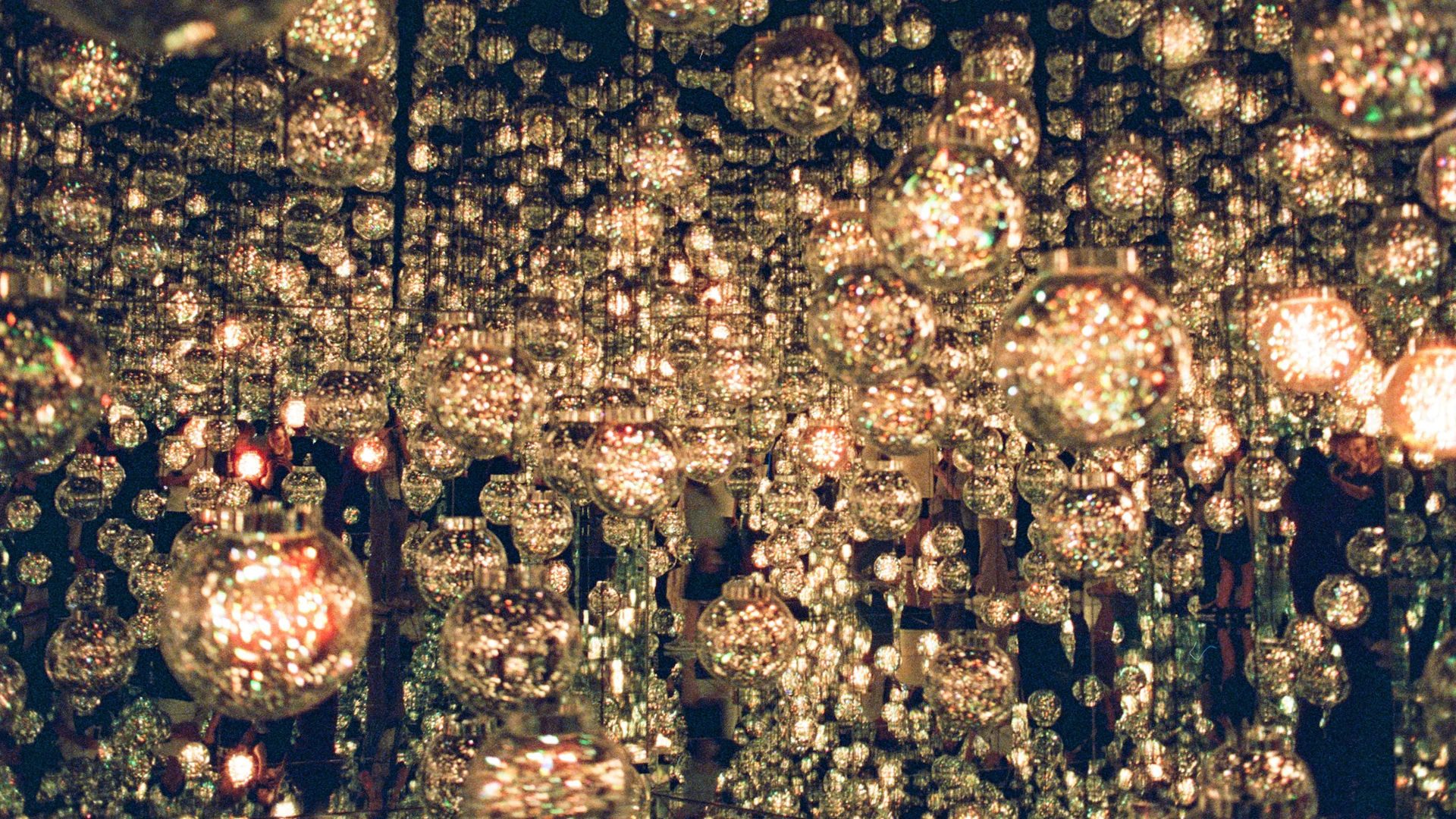
Infinite crystal formations in TeamLab's Crystal World installation
Crystal World — where digital art responds to your movement
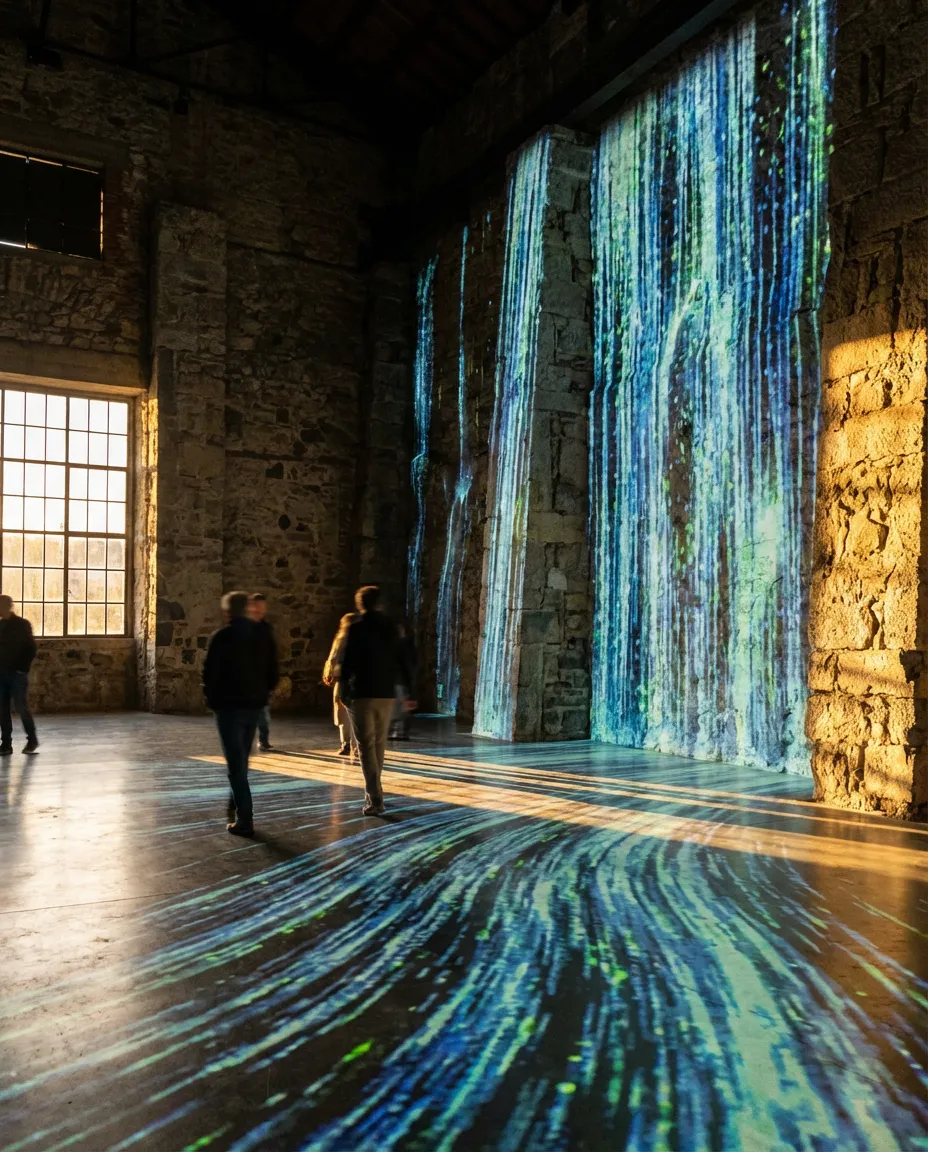
TeamLab Borderless isn't a traditional museum where you follow a set path. Instead, it's a labyrinth of interconnected spaces where digital butterflies might flutter from one room into another, or waterfalls cascade down walls and pool at your feet. The concept of art without boundaries — where installations flow seamlessly between rooms — creates an immersive experience that's exactly the kind of thing every traveler should have in Tokyo. ### The Borderless Experience The museum spans multiple floors with no designated route. You wander through darkened spaces where projections respond to your presence — flowers bloom where you step, schools of fish part around your body, and seasonal landscapes shift based on the collective movement of visitors. It's mesmerizing when it works, but can feel chaotic when packed with people.
Visitors climbing through Athletic Forest's interactive installations
Athletic Forest — designed for movement and play
### Key Areas to Explore **Borderless World** forms the museum's heart — vast spaces where digital waterfalls, flower fields, and animal migrations flow between rooms. This is where you'll find the most Instagram-worthy moments, but also the heaviest crowds. **Athletic Forest** offers a more physical experience with climbing installations and interactive sports. It's designed for movement and tends to be less packed than the main galleries. **Crystal World** features the museum's most photographed installation — infinite LED crystals that respond to touch and movement. Arrive early or late to avoid the selfie queues. ### Duration and Physical Demands Plan for 2-3 hours minimum, though you could easily spend longer getting lost in the experience. The museum involves significant walking, often in darkness, with uneven surfaces and steps. Some installations require sitting or lying on the floor. Wear comfortable shoes and clothes you don't mind getting a bit dusty. ### What Makes It Different from TeamLab Planets While TeamLab Planets focuses on immersion through water and physical interaction, Borderless emphasizes the flow of art between spaces. Planets is more tactile (you'll get wet), while Borderless is more visual and exploratory. Both offer unique experiences, but Borderless requires more time and patience to fully appreciate.
Digital butterflies responding to visitor movement
Butterflies that flutter away from your touch
Digital waterfall cascading down walls and across floor
Waterfalls that pool around your feet

Consider Mori Art Museum's Digital Exhibitions Instead
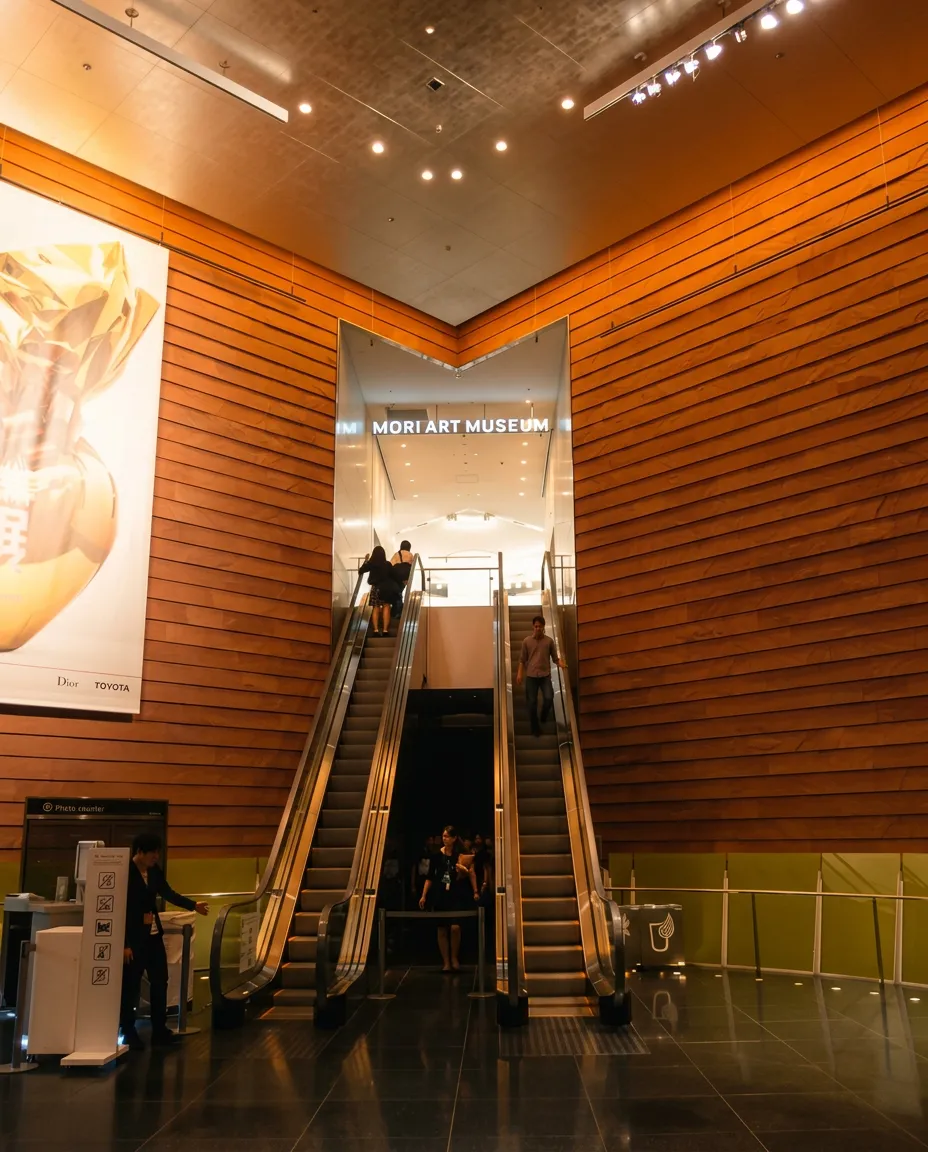
Mori Art Museum entrance in Roppongi Hills
Mori Art Museum offers cutting-edge digital art without the crowds
If TeamLab Borderless feels too overwhelming or tickets are sold out, Tokyo's smaller digital art venues offer similar wonder without the chaos. The Mori Art Museum in Roppongi Hills regularly features innovative digital exhibitions with a fraction of the crowds. Their tech-focused shows often include interactive installations and AR experiences that rival TeamLab's spectacle. For something even more intimate, check out the rotating digital art events at venues like Super Dommune in Shibuya or the experimental installations at ICC (NTT InterCommunication Center) in Shinjuku. These spaces showcase emerging digital artists and often allow for more meaningful interaction with the artworks. The 21_21 Design Sight in Tokyo Midtown also hosts cutting-edge digital design exhibitions, while smaller galleries in Harajuku and Shibuya frequently feature immersive projection art without the tourist crowds. These alternatives let you experience innovative digital art at your own pace, often with opportunities to speak directly with the artists.
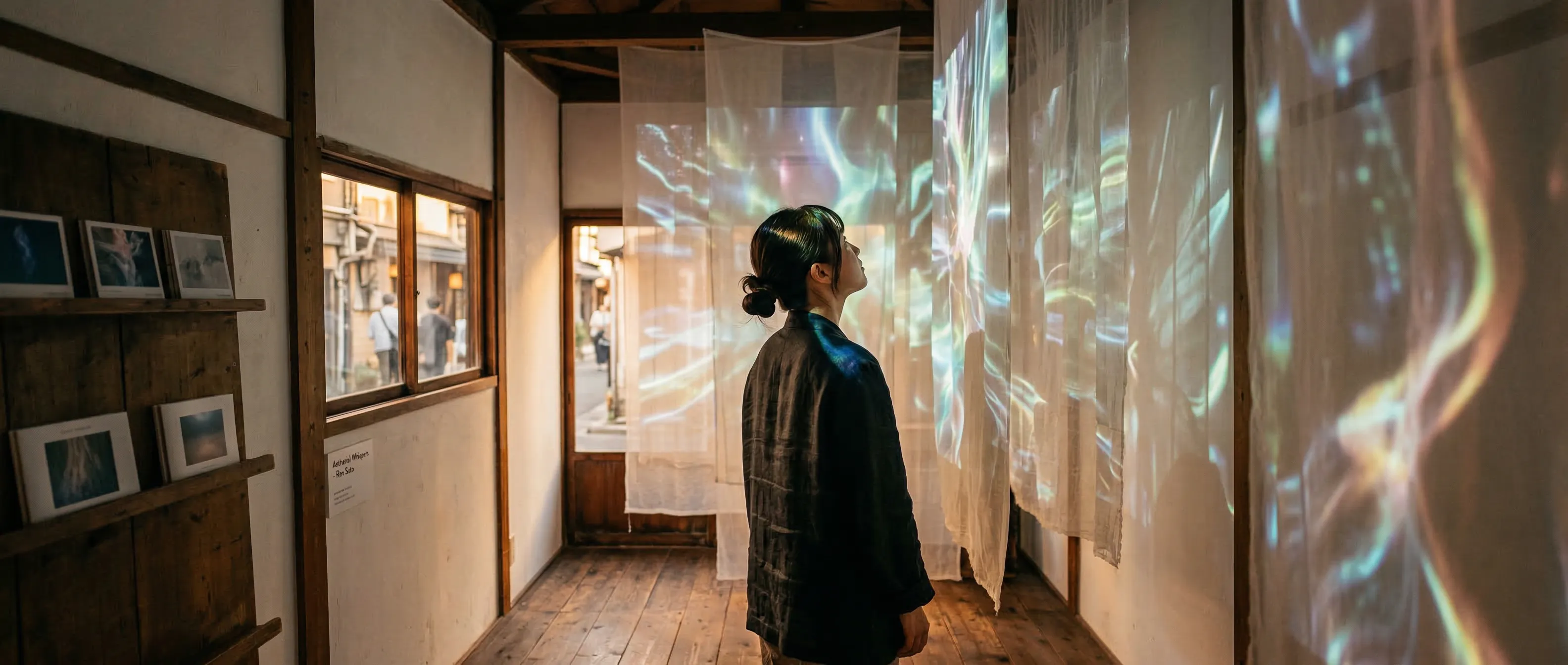
Intimate digital art installation in small Tokyo gallery

How to Get There

Getting There

  1. 1
    Take JR Yamanote Line → Shimbashi Station
    7 min¥160
  2. 2
    Transfer to Toei Oedo Line → Kamiyacho Station
    4 min¥180
  3. 3
    Walk to Azabudai Hills
    3 min
  1. 1
    Take Tokyo Metro Hibiya Line → Kamiyacho Station
    8 min¥170
  2. 2
    Walk to Azabudai Hills
    3 min
  1. 1
    Take Toei Oedo Line → Kamiyacho Station
    12 min¥220
  2. 2
    Walk to Azabudai Hills
    3 min

Tips

Book tickets online at least 2 weeks in advance — walk-up tickets rarely exist. Wear white clothing; the projections look incredible on white fabric and make for amazing photos. Go on a weekday evening session if possible. The crowds thin out toward closing time, and the darker lighting makes the installations more immersive. While I haven't been yet (it's high on my list for the next visit), every account I've read confirms that timing is everything for enjoying this experience. **Photography strategy:** Start with the Crystal World for the most Instagram-worthy shots, but don't spend your entire visit hunting for photos. Some of the most magical moments happen when you simply sit and watch the art evolve around you.
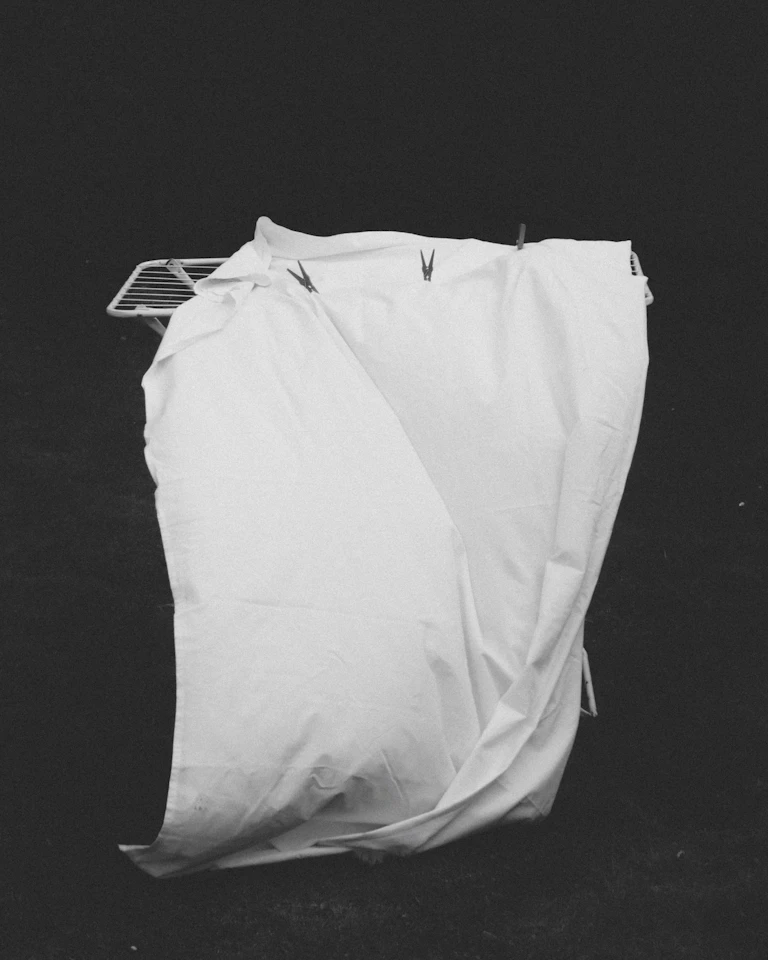
Visitor in white clothing with digital projections
White clothing enhances the projection effects
**Navigation tips:** Download the TeamLab app before you go. The museum can be disorienting, and the app helps you track which installations you've seen. Don't try to see everything — it's better to spend quality time in fewer spaces than to rush through the entire museum. **If it's too crowded:** Head to the Athletic Forest area, which tends to be less packed than the main Borderless World. The climbing installations and physical activities naturally spread people out more than the popular photo spots. **Ticket release patterns:** New tickets typically release on the first day of each month. Set a calendar reminder and be online exactly when booking opens — popular slots sell out within hours. **What to bring:** Comfortable walking shoes with good grip (floors can be slippery), a small bag (large bags must be stored in lockers), and a portable phone charger for all those photos.

Nearby

FAQ

How far in advance should I book TeamLab Borderless tickets? Book at least 2 weeks ahead, especially for weekend visits. Tickets often sell out within hours of release for popular time slots. Check the website on the first day of each month when new tickets are typically released.
What's the best time to visit to avoid crowds? Weekday evenings, particularly the last entry slot of the day. The museum gets quieter as closing time approaches, and the darker atmosphere enhances the digital projections. Avoid weekends and Japanese holidays entirely if possible.
Can I take photos inside TeamLab Borderless? Yes, photography is allowed in most areas, but flash is prohibited. Wear white clothing for the best photo effects, and be mindful of other visitors when positioning for shots. Some installations work better for video than still photos.
How long do I need at TeamLab Borderless? Plan for 2-3 hours minimum. The museum is designed for exploration without time pressure, and rushing through defeats the purpose of the "borderless" experience. You could easily spend 4-5 hours if you're not fighting crowds.
Is TeamLab Borderless suitable for young children? The Athletic Forest area is designed for kids, but the dark environments and crowds can be overwhelming for very young children. Children under 4 enter free but must be supervised at all times. The museum involves lots of walking in dim lighting.
What's the difference between TeamLab Borderless and TeamLab Planets? Borderless focuses on art flowing between rooms with visual interactions, while Planets emphasizes physical immersion (you'll get wet and walk through water). Borderless requires more time and exploration, while Planets follows a set route and takes about 1 hour.