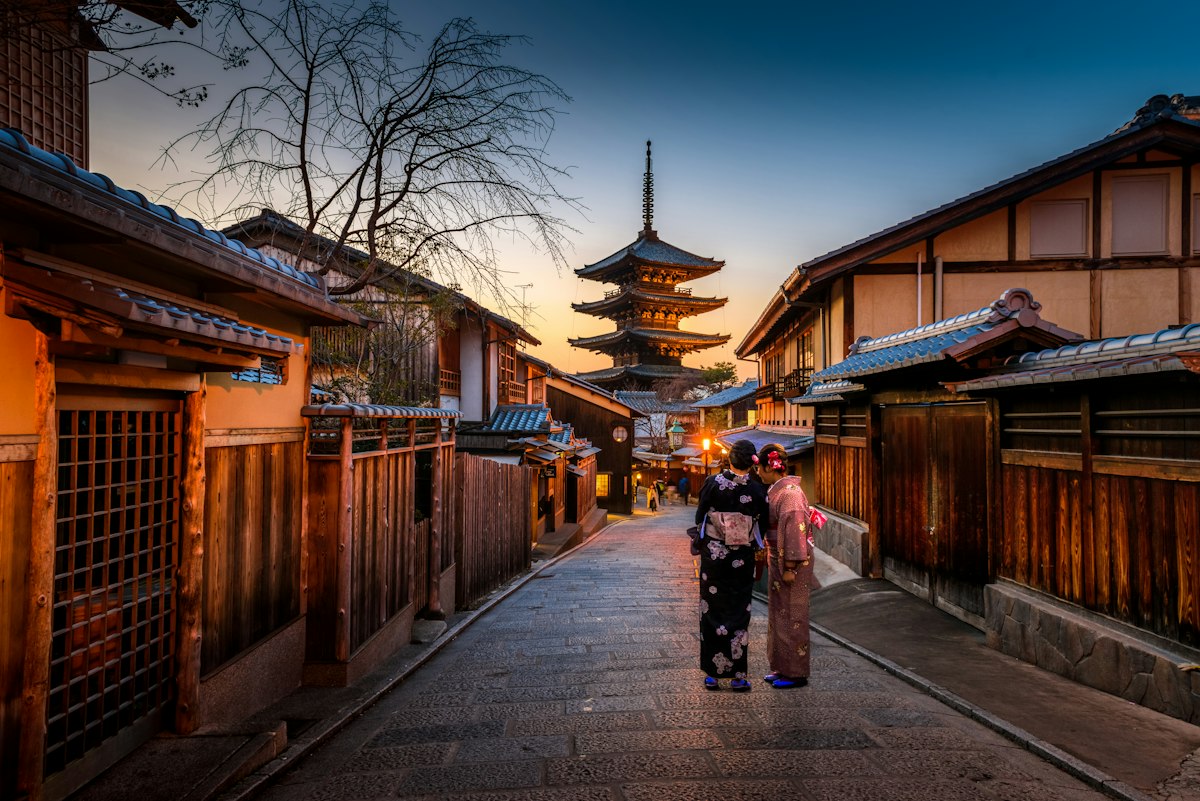
Staying in a Japanese Ryokan: A Journey into the Heart of Traditional Hospitality

Staying in a Japanese Ryokan: A Journey into the Heart of Traditional Hospitality

Founder & Travel Writer · Third-generation ryokan owner in Hakone who bridges traditional hospitality with modern guest expectations.
Visited 2024, 2025 · “Together with Aiko Watanabe, I explored Staying in a Japanese Ryokan from both a visitor's and insider's perspective.”

Staying in a Japanese ryokan offers profound cultural immersion through traditional hospitality, kaiseki dining, and onsen bathing. Choose family-run properties over luxury chains for authentic omotenashi and genuine connection with Japanese traditions.

The wooden doors slide open with a whisper, and suddenly you're stepping not just into a room, but into centuries of tradition. A ryokan isn't accommodation — it's a cultural experience that transforms how you understand Japanese hospitality, seasonality, and the art of slowing down. Together with Aiko Watanabe, a third-generation ryokan owner in Hakone who bridges traditional hospitality with modern guest expectations, I explored staying in a Japanese ryokan from both a visitor's and insider's perspective. What we discovered goes far beyond where you sleep — it's about entering a living piece of Japan's soul.
Traditional wooden ryokan entrance with sliding doors and stone pathway
The entrance to a family-run ryokan in Hakone — where your cultural journey begins
## My First Night in a Family-Run Ryokan ### The Nervous Arrival I remember standing outside that first ryokan in Kinosaki Onsen, checking my watch obsessively. Four o'clock sharp — Aiko had emphasized this timing wasn't just a suggestion. "Arrive by 4pm for the full kaiseki dinner experience," she'd advised. The anticipation mixed with anxiety as I wondered if I'd embarrass myself with some cultural misstep. The moment I stepped through the entrance, removing my shoes felt like crossing a threshold into another world. The okami-san (female innkeeper) appeared as if summoned by magic, her bow precise and welcoming. No rushed check-in counter, no key cards — just genuine attention and the immediate sense that you're not just a guest, but someone being welcomed into a family home. ### Meeting the Okami-san The okami-san didn't just show me to my room — she guided me through a cultural orientation disguised as hospitality. Every gesture carried meaning: how she arranged my slippers, the way she demonstrated opening the sliding doors, her gentle correction when I nearly stepped on the tatami with my slippers still on. "Don't wear slippers into tatami rooms," she said with a smile that held no judgment, only kindness.
Okami-san in traditional kimono preparing tea
The okami-san embodies generations of hospitality tradition
Aiko later explained that the okami-san is the heart of any authentic ryokan. "She's not just managing the inn," Aiko told me. "She's preserving a way of life, teaching guests without making them feel ignorant, creating space for cultural exchange that hotels simply cannot offer." ### First Impressions of Traditional Architecture The room revealed itself slowly — tatami mats that seemed to breathe with age, a tokonoma (alcove) displaying a single scroll painting that changed with the seasons, windows framing perfectly composed views of the garden. Everything felt intentional yet effortless, like stepping into a meditation on Japanese aesthetics. The absence of beds initially unsettled me. Just a low table, floor cushions, and that expanse of tatami. But Aiko had prepared me for this moment of adjustment: "The space transforms throughout the day. Morning brings the futon, evening the dinner setting. You're not just sleeping in a room — you're living in harmony with Japanese rhythms." ## What Makes a Ryokan Different from Any Hotel ### The Philosophy of Omotenashi Omotenashi isn't just service — it's anticipating needs before they're expressed, creating comfort through attention to invisible details. At my ryokan, this manifested in ways that took days to fully appreciate. Fresh flowers appeared in my room each morning, chosen to complement the day's weather. The temperature of my bath was adjusted without my asking. The timing of dinner courses flowed with natural conversation rhythms. "True omotenashi," Aiko explained, "means the guest should never feel they're imposing. Everything appears effortless, but behind each gesture lies generations of refined hospitality knowledge." ### Living History in Every Detail Unlike hotels that display history as decoration, ryokan architecture tells stories through lived experience. The wooden beams in my room bore the patina of decades of hands touching them. The garden outside my window had been tended by three generations of the same family. Even the kaiseki dishes carried family history — some pieces had been in the ryokan for over a century.
Traditional tatami room in morning light
Morning light transforms the tatami room into a peaceful sanctuary
Kaiseki dinner served on traditional lacquerware
Evening brings kaiseki dinner on family heirloom dishes
### Why Time Moves Differently Here Hotels accommodate your schedule; ryokan invite you into theirs. Dinner happens when the chef determines each course reaches perfection. Breakfast arrives with the sunrise, not when you order room service. The onsen calls you to evening relaxation, not 24-hour availability. This surrender to natural rhythms initially frustrated my Western efficiency mindset. But by the second day, I found myself anticipating meal times with genuine excitement, using bath time for reflection rather than rushing, appreciating how each moment had space to breathe. ## The Unwritten Rules I Learned the Hard Way ### Shoe Etiquette and Sacred Spaces My first major mistake happened within minutes — I nearly walked onto the tatami wearing the slippers provided for hallway use. The gentle correction from the okami-san came with such grace that my embarrassment transformed into gratitude for the learning moment. The rules became clearer through practice: outdoor shoes stay at the entrance, hallway slippers for wooden floors, special toilet slippers for bathrooms, and bare feet or socks for tatami. Each transition marks a different level of sacred space, from public to private to most intimate. ### Bathroom Protocols That Matter
Traditional onsen washing station with wooden stools
The washing station — where onsen etiquette begins
The onsen protocols felt overwhelming initially, but Aiko's guidance proved invaluable. "Wash thoroughly before entering the bath — not just a quick rinse, but a complete cleansing. Sit on the stool, soap everything, rinse completely. The bath is for soaking, not washing." I learned that bringing a small towel into the onsen is acceptable (place it on your head while soaking), but never let it touch the water. No swimming motions, no splashing, and definitely no photos. The silence isn't awkward — it's meditative, a shared understanding that this time belongs to relaxation and reflection. ### How to Wear a Yukata Without Embarrassment The yukata provided in my room looked deceptively simple until I tried putting it on. Left side over right — Aiko emphasized this detail because the reverse is reserved for the deceased. The obi (sash) ties in back, and the length should just brush your ankles. "Don't worry about perfection," the okami-san assured me when she noticed my clumsy first attempt. "The effort to honor the tradition matters more than technical precision." Her gentle adjustment of my collar and obi felt like a grandmother helping a grandchild dress for a special occasion. ## The Kaiseki Dinner That Changed My Understanding of Japanese Food ### Each Course Tells a Story Kaiseki isn't just dinner — it's edible poetry celebrating the season, the region, and the chef's artistry. My first course arrived as I was still adjusting to sitting seiza-style on the tatami. A single piece of perfectly prepared fish, garnished with a flower that bloomed only that week in the ryokan's garden. "This dish represents the transition from summer to autumn," the okami-san explained, pointing to subtle details I would have missed. The plate's color echoed falling leaves, the preparation method honored the fish's natural flavor, and even the placement on the table followed principles of seasonal harmony.
Kaiseki course with autumn seasonal presentation
### Eating with the Seasons Each subsequent course deepened my appreciation for seasonal awareness that most modern life has forgotten. Vegetables harvested that morning from the ryokan's garden, prepared using techniques passed down through generations of chefs. Flavors that captured the essence of that specific moment in the year — not just autumn, but early autumn in that particular mountain valley. Aiko helped me understand the deeper meaning: "Kaiseki connects you to the land, the season, and the present moment. You're not just eating — you're participating in a cultural meditation on time and place." ### The Art of Appreciating What You Don't Recognize Some dishes challenged my palate and cultural understanding. A bitter mountain vegetable that initially seemed unpleasant revealed complex flavors as I chewed slowly. A preparation method I'd never encountered transformed familiar ingredients into something entirely new. The okami-san noticed my hesitation and offered gentle guidance without making me feel ignorant. "This vegetable grows only in our mountains," she explained. "The bitterness balances the sweetness of the previous course. Try it with a small sip of sake — the combination tells the complete story." ## Sleeping on Tatami: Comfort in Simplicity ### Why the Floor Became My Favorite Bed The absence of a Western bed initially concerned me, but the futon preparation ritual transformed my perspective entirely. Watching the okami-san lay out the bedding felt like witnessing a sacred ceremony — each movement precise, the positioning carefully considered for optimal comfort and room harmony. The firmness that seemed daunting proved surprisingly supportive. The tatami provided just enough give, the futon offered warmth without weight, and the low perspective changed how I experienced the room. Lying close to the floor, I noticed details invisible from chair height — the grain in the wooden ceiling, the way moonlight played across the tatami, the subtle sounds of the building settling into night quiet.
Traditional futon bedding laid out on tatami mats
The evening transformation — your room becomes a peaceful sleeping sanctuary
### The Ritual of Preparing Your Futon By the second night, I asked to help with the futon preparation. The okami-san's delight at my interest led to an impromptu lesson in proper technique. Shaking out the futon to distribute the filling evenly, positioning it to maximize the room's energy flow, arranging the pillows to support both comfort and traditional aesthetics. "This ritual marks the transition from day to night," she explained as we worked together. "Your room transforms from living space to sleeping sanctuary. You're not just getting ready for bed — you're participating in centuries of Japanese domestic tradition." ### Morning Views That Hotels Can't Offer Waking up at floor level offered perspectives no hotel room could match. The garden outside my window revealed different details from this vantage point — the careful placement of stones, the way morning light filtered through carefully pruned branches, the seasonal flowers positioned for viewing from exactly this angle. The morning routine of folding and storing the futon returned the room to its daytime configuration, but the memory of that peaceful sleep remained. Aiko later told me: "The Japanese understand that space should serve multiple purposes, that transformation creates appreciation, that simplicity often provides the deepest comfort." ## The Onsen Experience: Vulnerability and Connection ### Overcoming Initial Hesitation The prospect of communal bathing triggered every Western anxiety about privacy and body image. Standing outside the onsen entrance, clutching my small towel, I nearly retreated to my room. But Aiko's earlier words echoed: "The onsen teaches you that vulnerability can be peaceful, that shared silence creates connection deeper than conversation." The first step into the bathing area felt like crossing a cultural threshold. But the other bathers' complete lack of interest in my presence quickly dissolved my self-consciousness. Everyone focused on their own cleansing ritual, their own relaxation, their own moment of peace. ### The Cleansing Ritual Explained The washing station became my classroom in onsen etiquette. Sitting on the low stool, I followed the example of other bathers — thorough soaping, careful rinsing, respectful attention to shared space. The ritual felt meditative rather than rushed, each step building toward the moment of entering the hot water.
Outdoor onsen with mountain view and evening mist
Evening mist rises from the outdoor onsen — nature and tradition in perfect harmony
The temperature shocked my system initially, but gradual immersion brought understanding of the onsen's power. Heat that seemed unbearable became profoundly relaxing. Muscles I didn't know were tense began releasing tension I didn't know I carried. ### Finding Peace in Shared Silence The onsen's silence wasn't empty — it was full of shared understanding. Strangers soaking together without conversation, each lost in personal reflection, yet connected through the universal human need for warmth, relaxation, and momentary escape from life's complexities. Aiko later reflected on this phenomenon: "The onsen creates temporary community without social pressure. Everyone shares the same vulnerability, the same search for peace. Language barriers disappear when the connection happens at a deeper level." ## Hidden Gems: Family-Run Ryokan vs Tourist Favorites ### Why I Skip the Famous Names The most famous ryokan often prioritize luxury amenities over cultural authenticity. After experiencing both styles, I consistently choose family-run properties that prioritize tradition over Instagram-worthy opulence. The difference isn't just in price — it's in the depth of cultural immersion available. Choose a ryokan in Hakone or Kinosaki Onsen for the full experience, but skip the ones too close to Tokyo. The family-operated ryokan in remote mountain villages or traditional onsen towns offer experiences that chain properties simply cannot replicate. ### Finding Authentic Experiences in Rural Areas The best ryokan experiences happen away from major tourist circuits. In rural areas, ryokan often serve as community centers, preserving local traditions that urban properties have abandoned. The ingredients come from local farms, the architecture reflects regional styles, and the hospitality carries genuine warmth rather than professional polish. Aiko's family ryokan exemplifies this authentic approach: "We're not trying to be perfect for every guest. We're sharing our family's way of life with people who appreciate traditional Japanese culture. Some guests find us too traditional, too quiet, too focused on ritual. Those guests would be happier at a resort-style property." ### The Charm of Imperfect English and Perfect Hospitality Language barriers at family-run ryokan often enhance rather than hinder the experience. Communication happens through gesture, demonstration, and shared effort to understand each other. The okami-san's limited English, combined with my nonexistent Japanese, created moments of genuine human connection that perfect translation might have prevented. These interactions teach patience, humility, and appreciation for non-verbal communication. When the okami-san couldn't explain a dish's ingredients in English, she led me to the garden to show me the actual plants. When I struggled with yukata tying, her gentle hands guided mine through the proper technique. These moments became treasured memories that no perfectly efficient service could have created. ## What I Wish I'd Known Before Booking ### Reading Between the Lines of Ryokan Descriptions Ryokan marketing language requires cultural translation. "Traditional atmosphere" might mean no air conditioning and shared bathrooms. "Intimate setting" often indicates very small rooms and thin walls. "Authentic experience" suggests limited English and strict adherence to traditional schedules. Ask for a room with a private rotenburo (outdoor bath) — it's worth the splurge for your first ryokan stay. This upgrade provides privacy for onsen novices while offering the full outdoor bathing experience that makes ryokan stays memorable.
Private outdoor bath with mountain view
A private rotenburo offers onsen bliss without communal bathing anxiety
### Seasonal Considerations That Matter Each season transforms the ryokan experience completely. Spring brings mountain vegetables and cherry blossom viewing from your room. Summer offers cooling mountain air and firefly watching. Autumn delivers spectacular foliage and harvest-focused kaiseki. Winter creates intimate warmth and snow-viewing opportunities. Book well in advance for autumn foliage season and cherry blossom periods — the best family-run properties fill up months ahead. Consider shoulder seasons for lower prices and more personal attention from staff. ### Budget Reality Check for Authentic Experiences Authentic ryokan experiences cost significantly more than hotels, but the price includes cultural immersion that no other accommodation type provides. Budget ¥15,000-30,000 per person per night for genuine family-run properties, including kaiseki dinner and breakfast. Don't tip — it's considered rude and contradicts the omotenashi philosophy where perfect service is given freely, not purchased. Instead, express gratitude through respectful behavior, genuine appreciation, and perhaps a small gift from your home country. Remember that you're not just buying a room — you're investing in cultural education, culinary artistry, and personal transformation. The memories and understanding gained from a well-chosen ryokan stay provide value that extends far beyond the nights spent sleeping on tatami. When you're ready to experience this for yourself, browse authentic ryokan accommodations to find the perfect traditional inn for your Japanese cultural journey.
How do I choose between different types of ryokan? Family-run properties prioritize cultural authenticity over luxury amenities. Resort-style ryokan offer modern comforts but less cultural immersion. Choose based on whether you want genuine traditional experience or comfortable accommodation with Japanese touches.
What should I pack for a ryokan stay? Pack light — ryokan provide yukata, slippers, and toiletries. Bring comfortable clothes for arrival/departure, any personal medications, and perhaps a small gift from your home country to show appreciation for the hospitality.
Can I stay at a ryokan if I don't speak Japanese? Yes, though family-run properties may have limited English. The experience often becomes richer through non-verbal communication and cultural exchange. Consider learning basic phrases for gratitude and politeness.
Are ryokan suitable for families with children? Many ryokan welcome families, though some maintain adult-only policies for maintaining tranquil atmosphere. Children must follow the same etiquette rules as adults, particularly regarding onsen use and quiet behavior.
How far in advance should I book a ryokan? Book 2-3 months ahead for popular seasons (cherry blossom, autumn foliage). The best family-run properties have limited rooms and fill quickly. Shoulder seasons offer more availability and often better prices.