
When to Visit
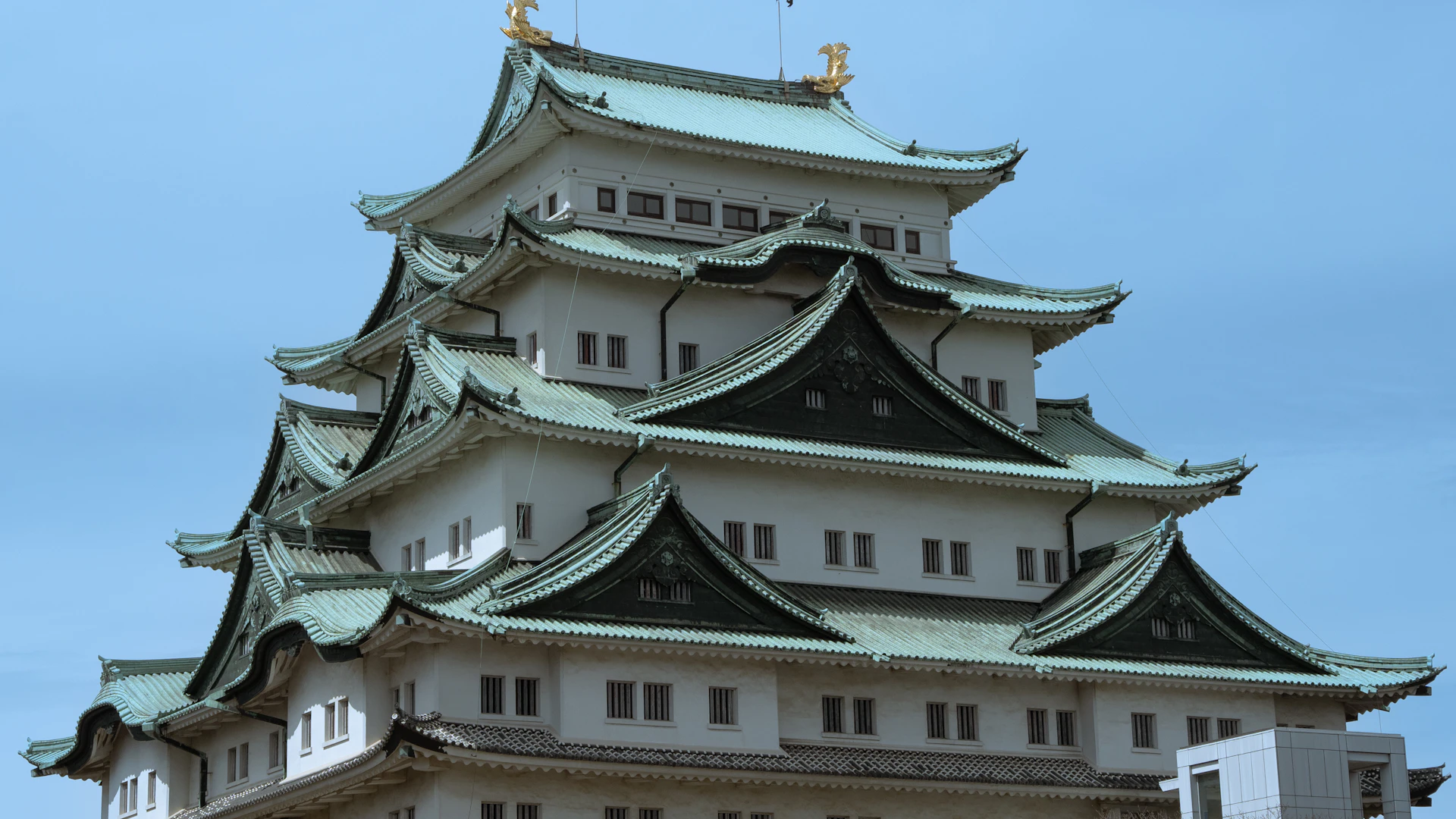
Nagoya's continental climate means distinct seasons, each with their own appeal. Spring brings cherry blossoms to Tsuruma Park without the crowds of Kyoto's famous spots, while autumn offers perfect weather for exploring both the city and surrounding craft towns. Summer can be hot and humid but brings lively beer gardens and the atmospheric Atsuta Festival in June. Winter stays mild compared to northern Japan, making it an ideal time for cozy izakaya hopping with fewer tourists around. The Nagoya Festival in mid-October showcases traditional processions and local culture — it's a genuine community celebration rather than a tourist spectacle. For day trips to places like Inuyama or Arimatsu, spring and autumn offer the most comfortable traveling weather.What to Do in Nagoya
Nagoya balances historical sites with modern attractions, plus plenty of local gems tourists miss entirely.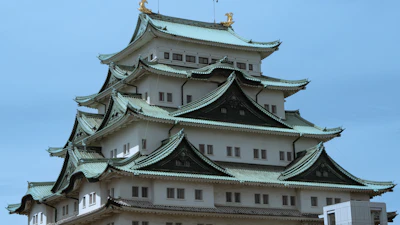
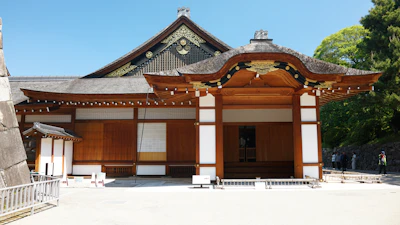
One of Japan's most sacred Shinto shrines housing the legendary sword
Sacred Shinto shrine
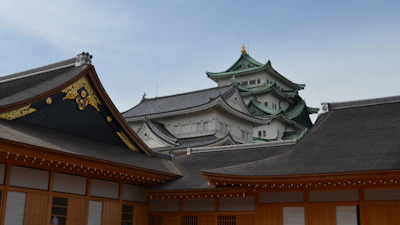 Hidden Gem
Exquisite collection of samurai artifacts and the original Tale of Genji scrolls
Samurai art collection
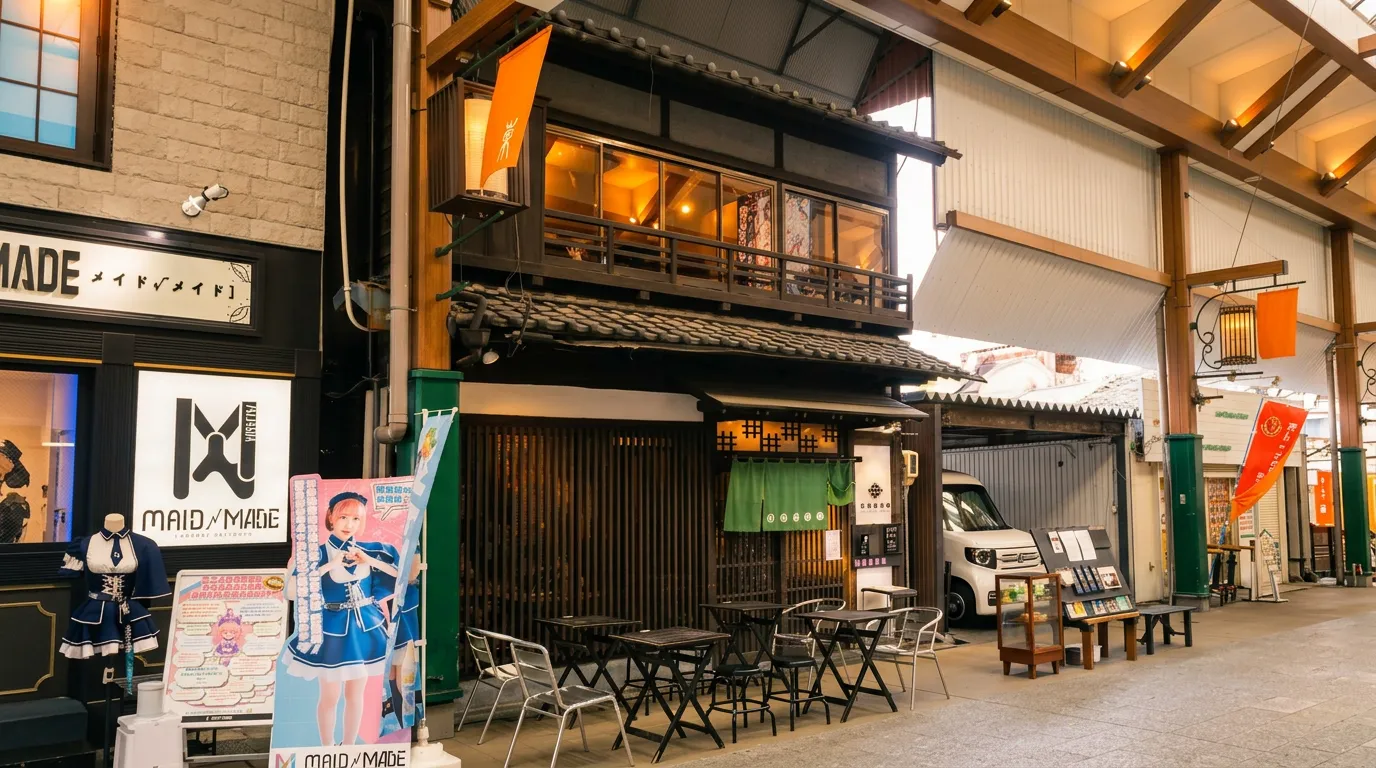
Retro arcade and vintage shops in covered shotengai streets
Vintage shopping district
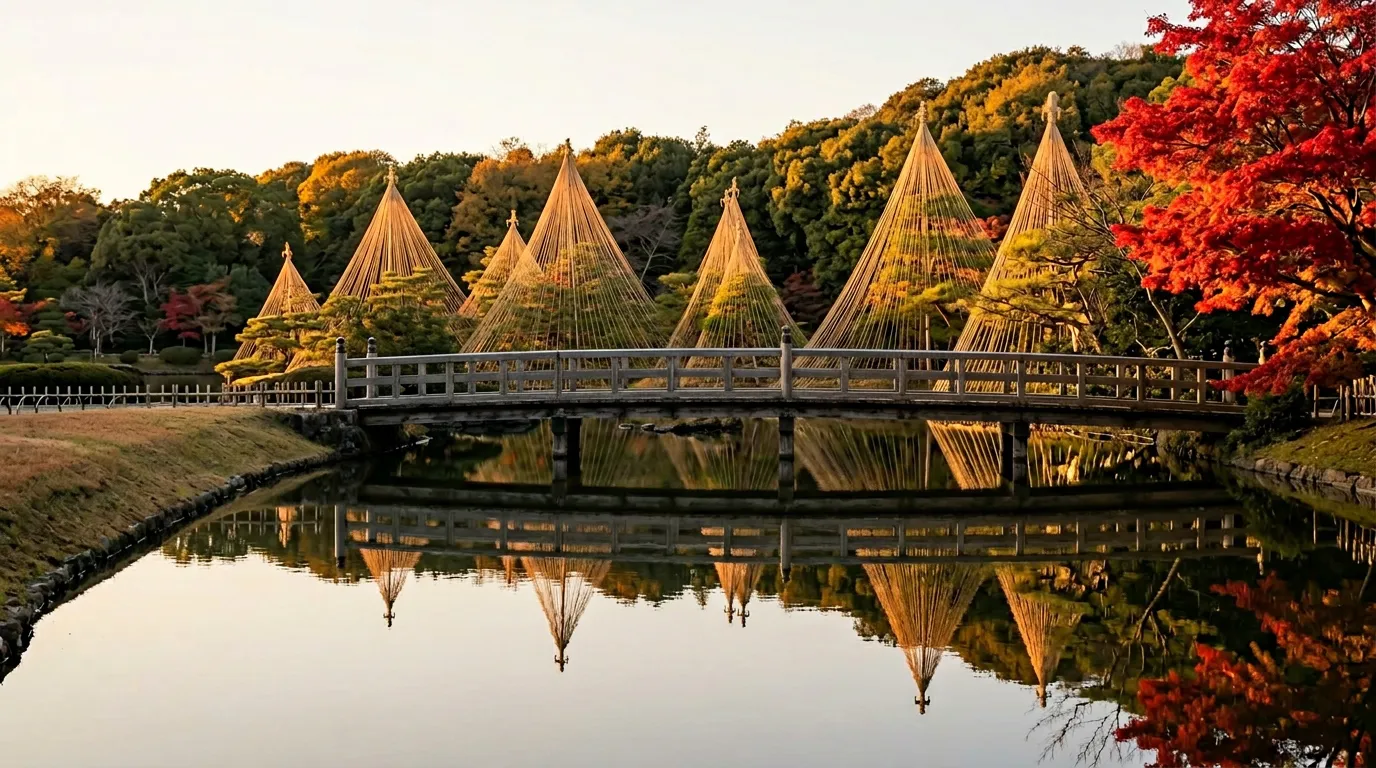 Hidden Gem
Peaceful traditional landscape garden that locals actually visit
Traditional landscape garden
From textile looms to car manufacturing in Nagoya's industrial heart
Industrial heritage museum
 Hidden Gem
Porcelain factory grounds turned peaceful park with craft workshops
Porcelain factory park
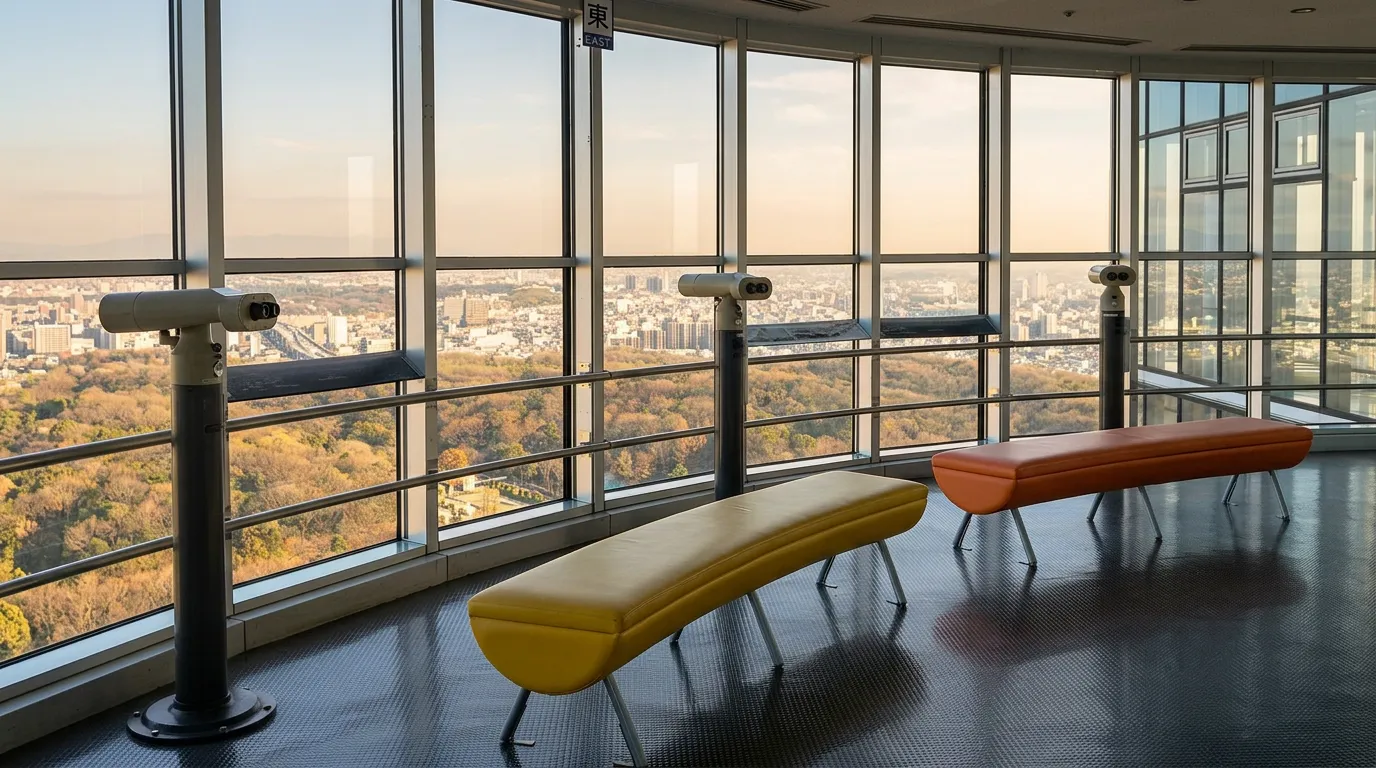 Hidden Gem
360-degree city views from Nagoya's highest observation deck
City observation tower
Skip the Crowds
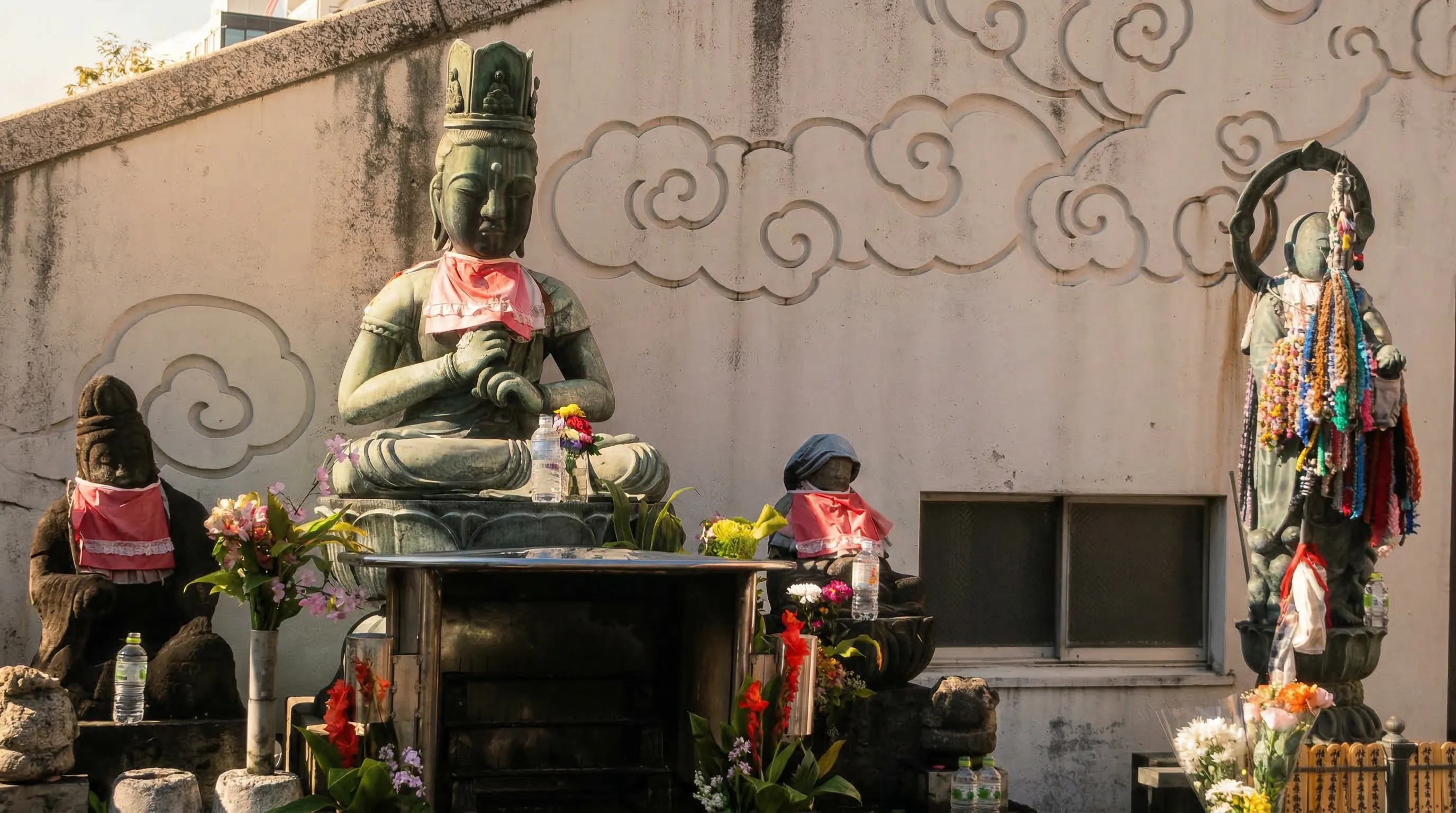
Walk south from Osu Kannon temple through the covered shopping streets — within five minutes you'll lose any tourists and find yourself among locals browsing vintage kimono, retro games, and tiny specialty shops. Noritake Garden is almost always empty despite being a lovely spot for a quiet stroll among ceramic art installations.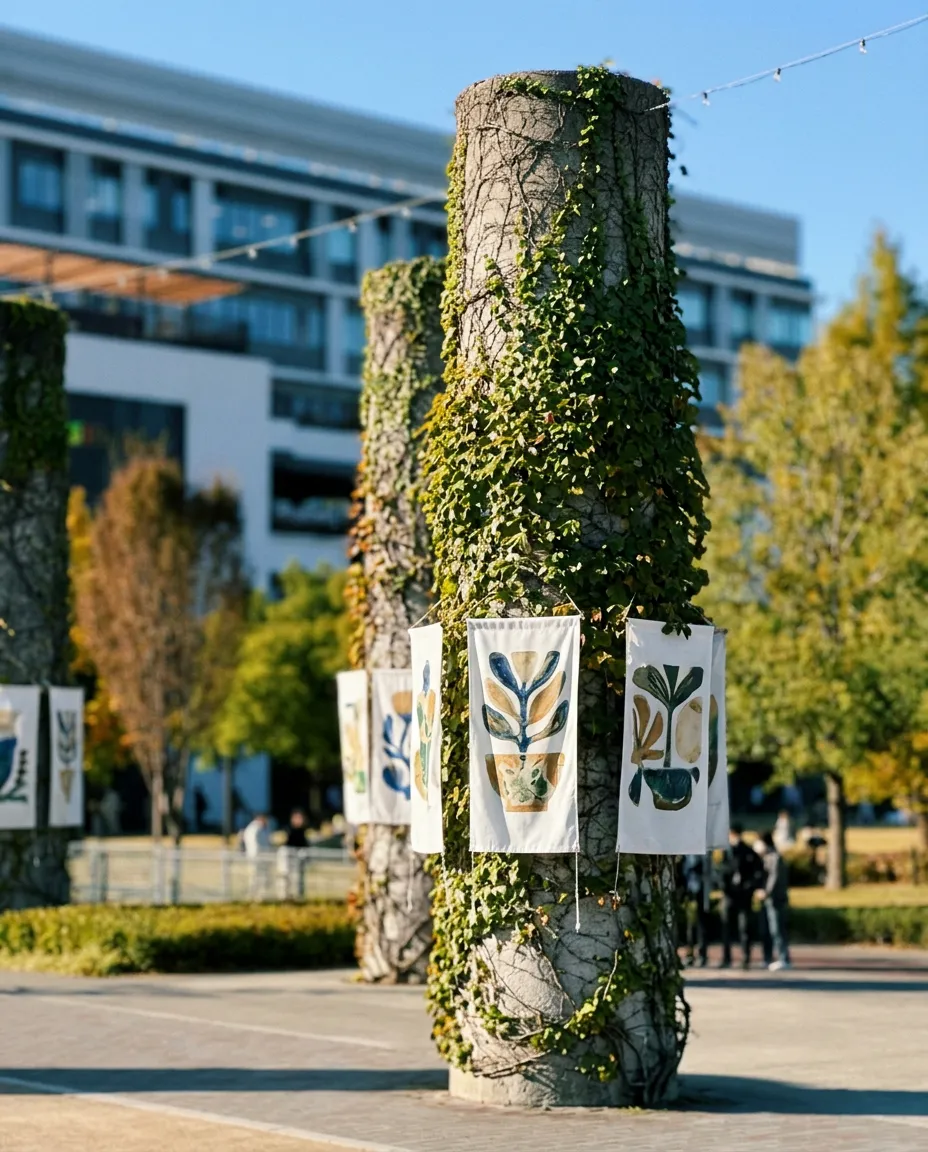
Food & Drink
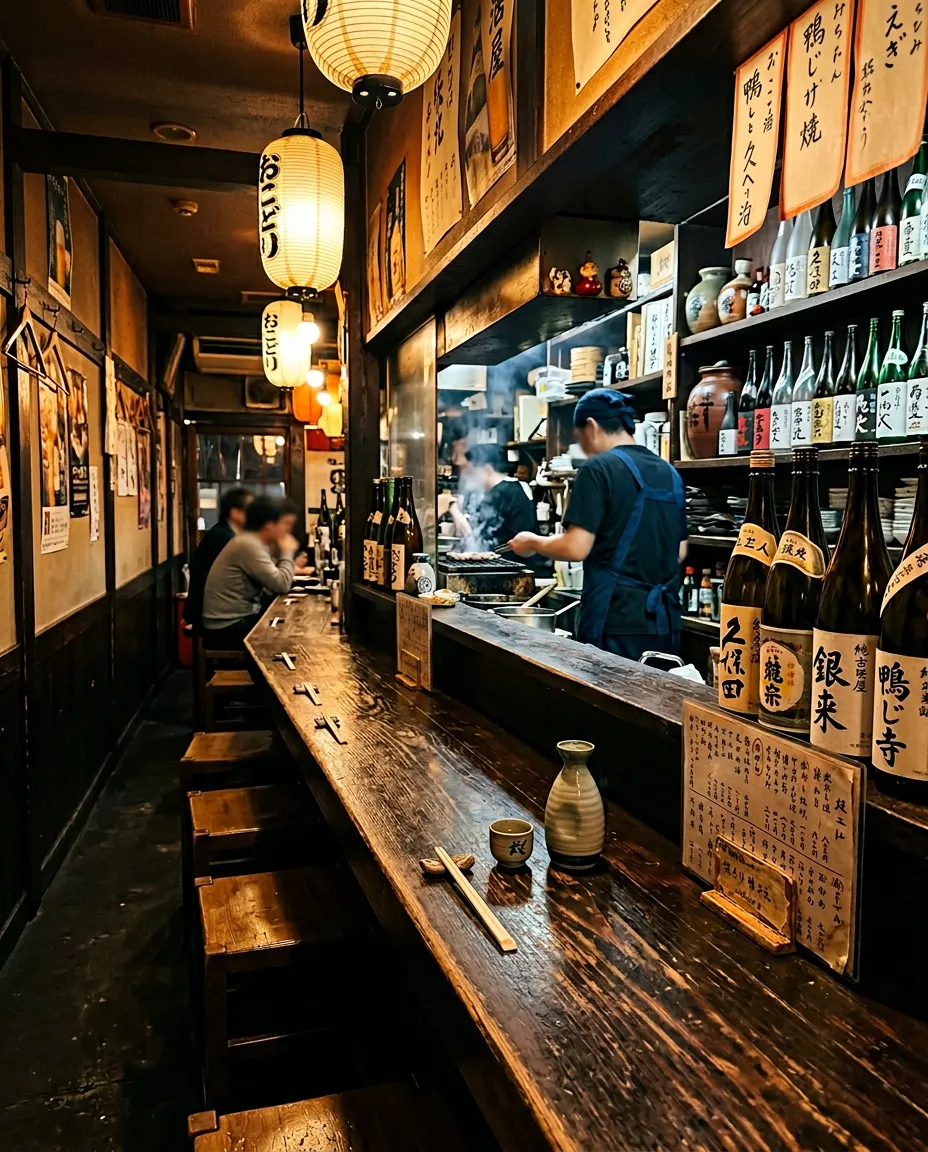
Nagoya's food scene revolves around hearty local specialties that you won't find anywhere else in Japan. When I arrived after a week in Kyoto and Tokyo, I was amazed by how down-to-earth the city felt. At a tiny izakaya near Kanayama, I ordered tebasaki and miso katsu — the owner spoke no English but drew on a placemat with a marker to show me how to eat the chicken wings properly. That's Nagoya.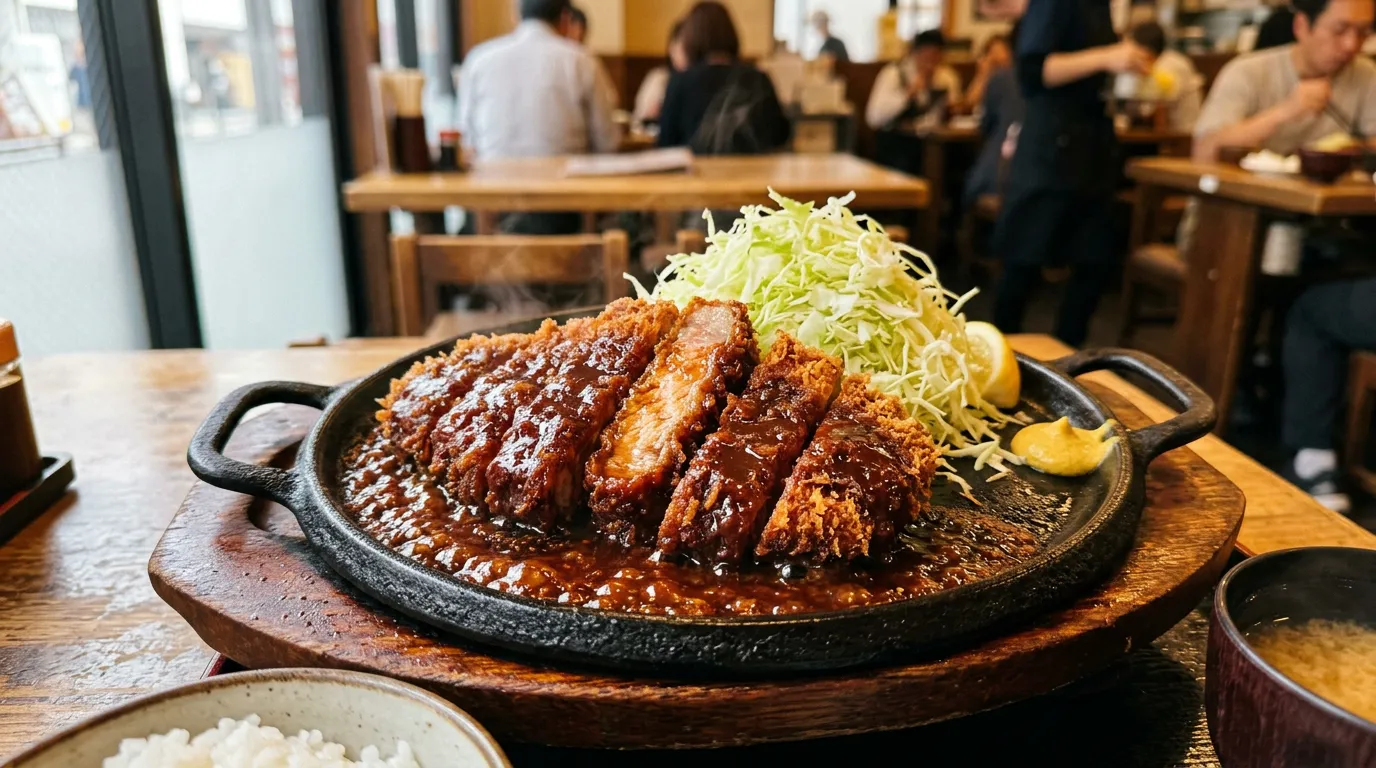
Yabaton Osu Honten
No-frills local institution serving perfect miso katsu since 1947
OsuCheck availability →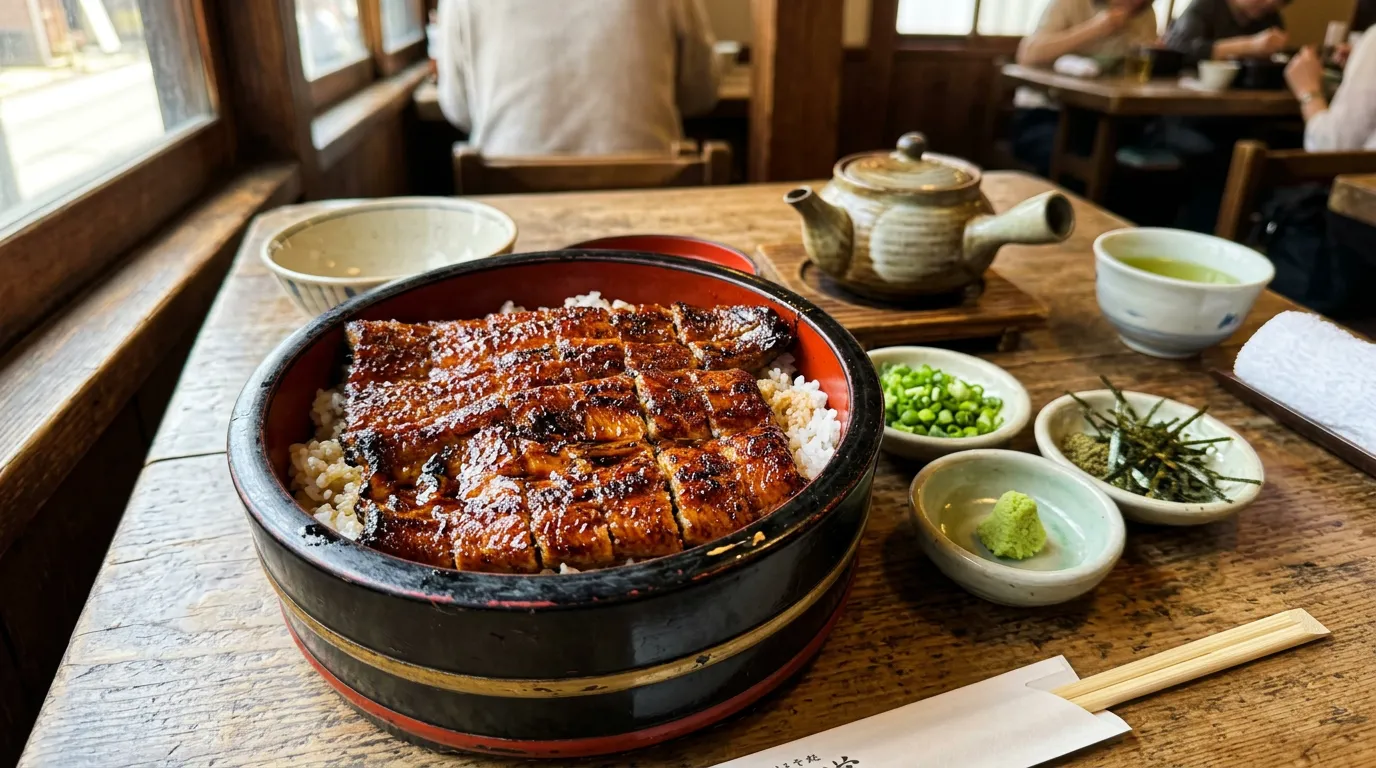
Atsuta Horaiken
The birthplace of Nagoya's signature eel dish, family-run for over 140 years
AtsutaCheck availability →
Sekai no Yamachan
The original tebasaki chain where locals still come for beer and wings
Multiple locationsCheck availability →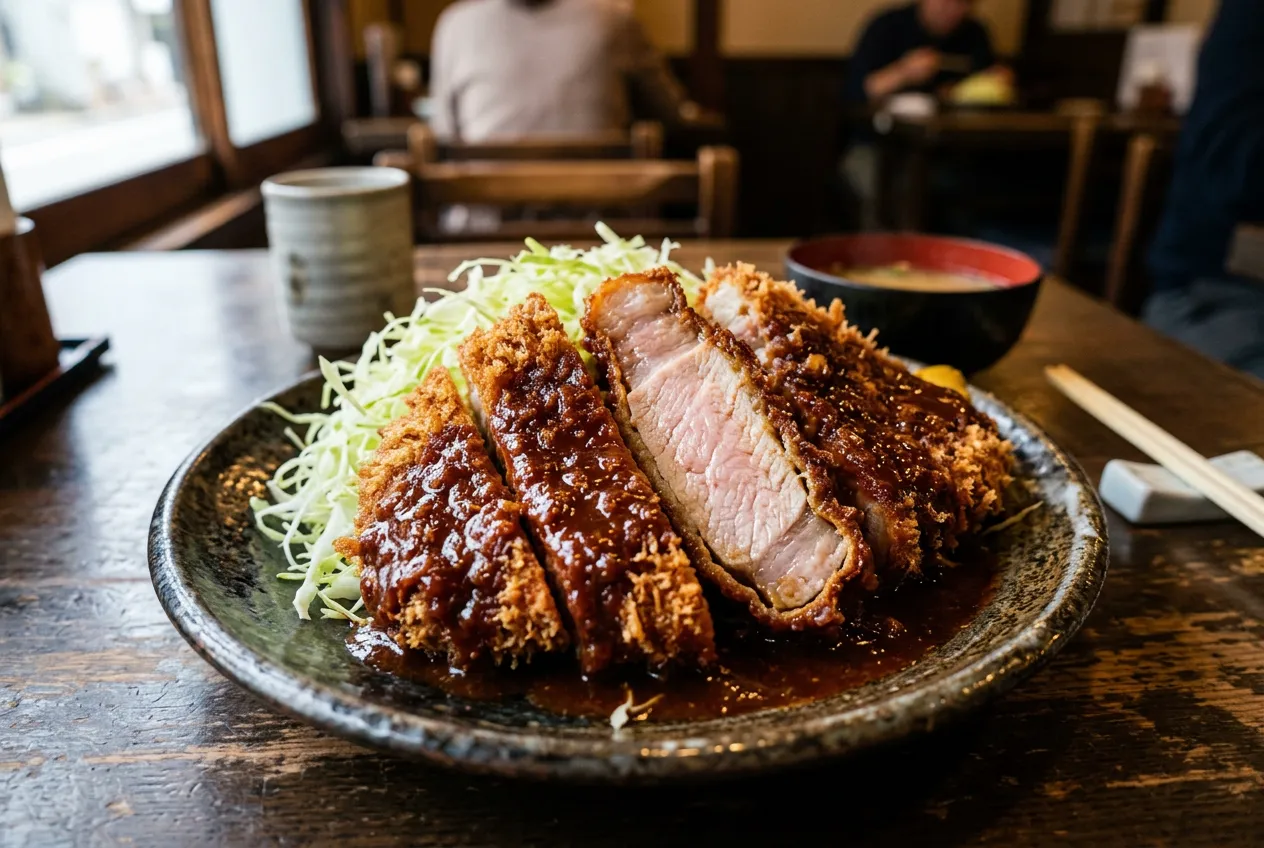
Where to Stay
Stay near Osu or Kanayama for an authentic local experience, or choose Nagoya Station for transport convenience. For the best selection of accommodations, browse Nagoya hotels on Booking.com to find options that suit your style and budget. ★ Author's Pick
Hotel Trusty Nagoya Shirakawa
Stylish business hotel in the heart of Osu district
OsuCheck availability →
Nagoya Kanko Hotel
Classic hotel with old-world service near Nagoya Castle
NishikiCheck availability →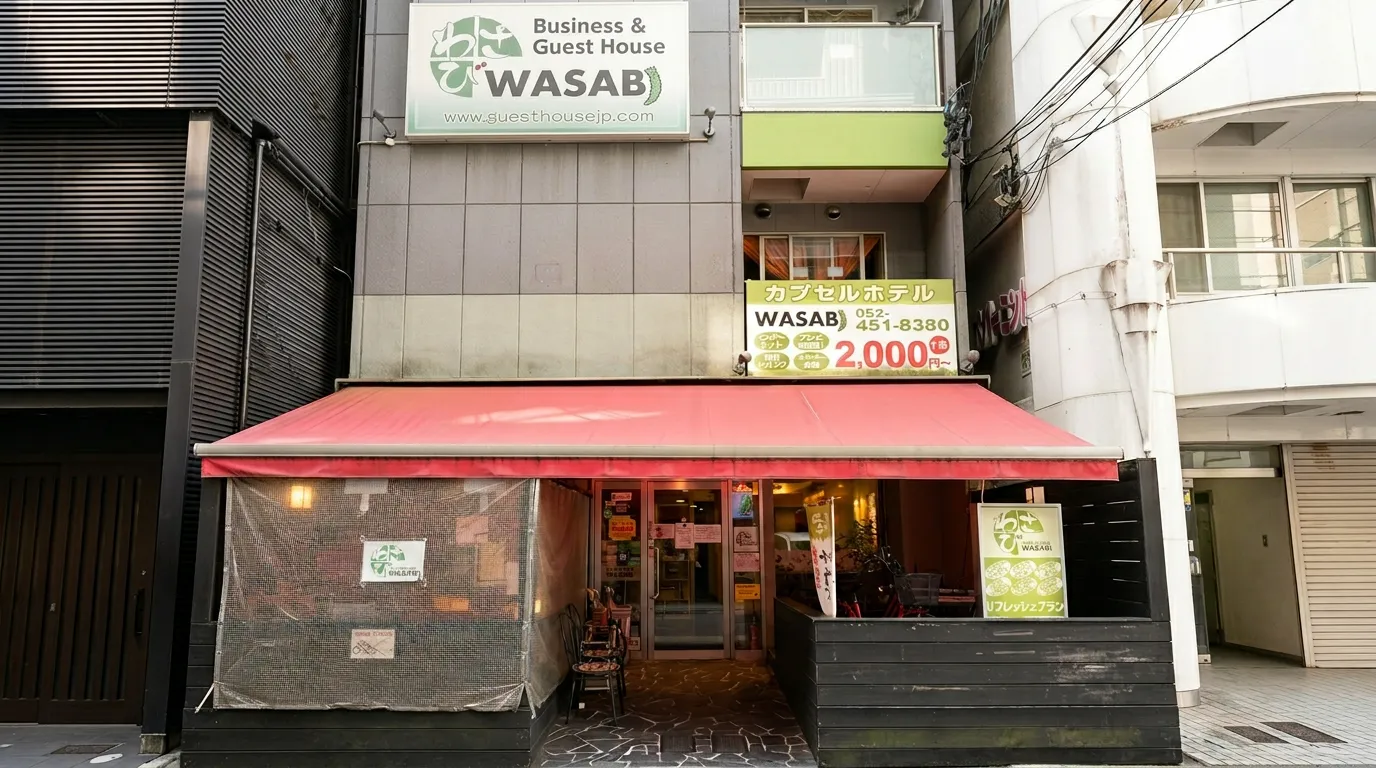
Guest House Wasabi Nagoya
Friendly guesthouse with local atmosphere and shared kitchen
OsuCheck availability →Day Trips
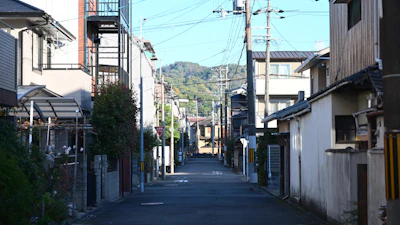
Nagoya's location makes it perfect for exploring central Japan's traditional craft towns and historic sites. Take the Meitetsu line to [INTERNAL:inuyama-guide] for Japan's oldest original castle — most tourists visit Nagoya Castle (which is a replica), but Inuyama is the real deal. For something completely different, Arimatsu is a small Edo-period village on the old Tokaido route, just 20 minutes by train. It's famous for shibori (tie-dye) textiles, has almost no tourists, and features beautiful old houses.
Inuyama Castle Town
Japan's oldest original wooden castle with traditional streets below
Original wooden castle
- National Treasure castle
- Cormorant fishing
- Traditional streets
Arimatsu Shibori Village
Edo-period post town famous for tie-dye textile traditions
Historic tie-dye village
- Tie-dye workshops
- Edo architecture
- Tokaido history
Tokoname Pottery District
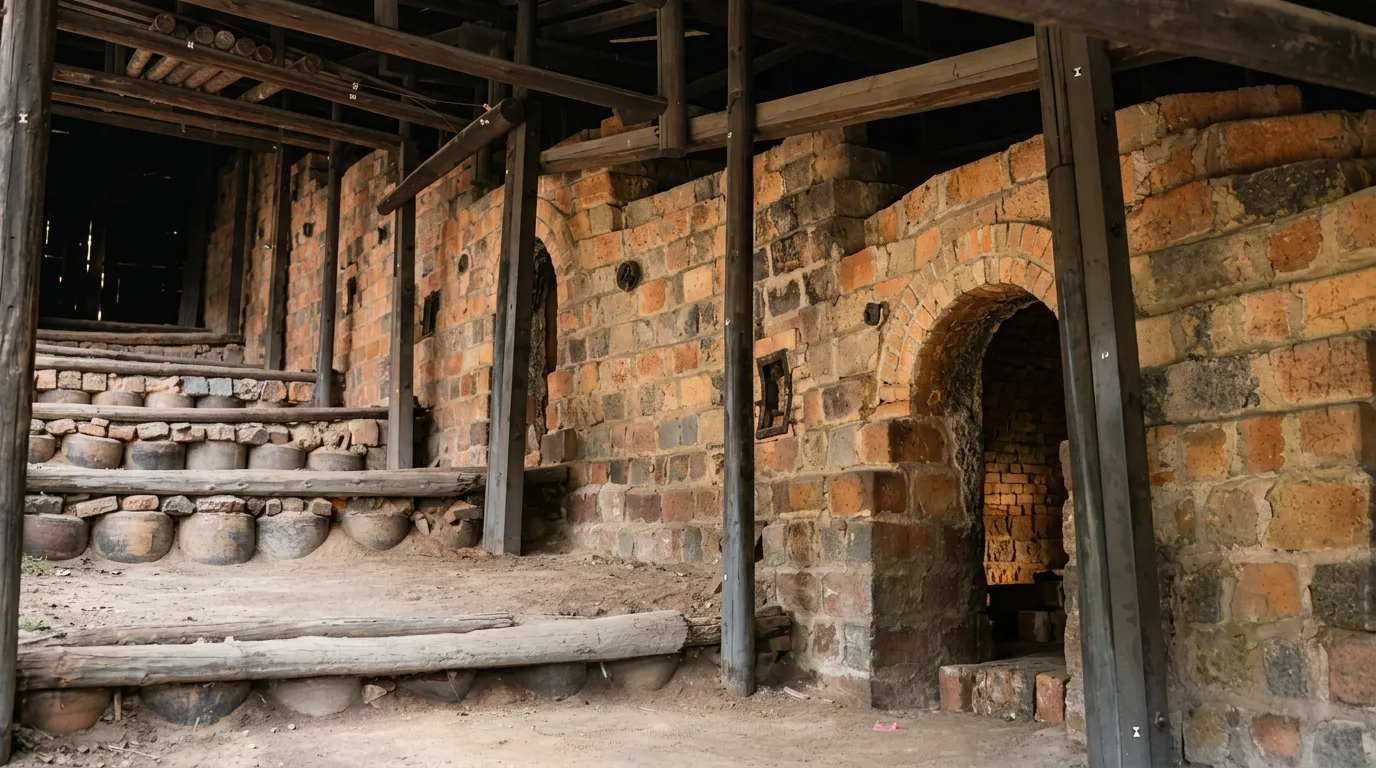
Ancient ceramic town with climbing kilns and pottery workshops
Traditional pottery town
- Pottery workshops
- Historic kilns
- Maneki neko cats

Seki Sword Town
Traditional sword-making center where samurai blades are still forged
Sword-making heritage
- Sword workshops
- Blade museum
- Craft demonstrations

How to Get There
Getting There
- 1Take Tokaido Shinkansen → Nagoya Station
- 2Walk to city center
- 1Take Tokaido Shinkansen → Nagoya Station
- 1Take Meitetsu Airport Express → Nagoya Station
Tips for Visiting
• **Navigate Nagoya Station**: Use JR Central Towers as your landmark — the station complex has three connected buildings that can be confusing • **Subway efficiency**: The Higashiyama and Sakura-dori lines cover most tourist spots; get a day pass for ¥870 • **Local dialect**: Nagoya-ben is distinct — locals say "dara" instead of standard "da yo" • **Meitetsu trains**: Essential for day trips — this private railway connects to most regional destinations • **Evening timing**: Izakaya culture starts early here; locals are out drinking by 6 PM • **Cash culture**: Many local restaurants and shops still don't accept cards, especially in Osu district