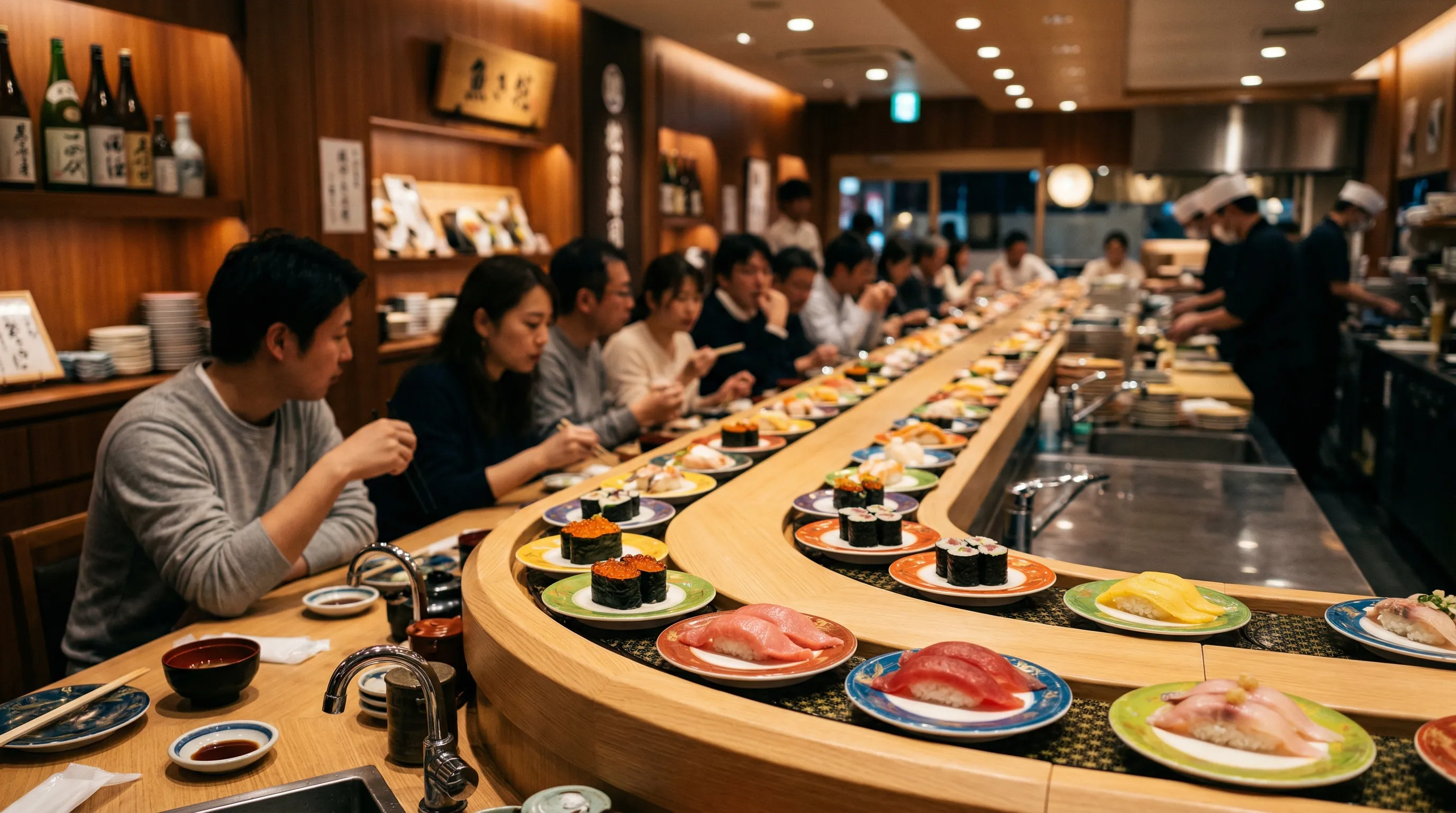

Focus on Tokyo's diverse sushi chain ecosystem beyond just conveyor belt restaurants, highlighting standing sushi counters like Numazuko and regional specialists like Nemuro Hanamaru that offer authentic experiences at chain prices but are often overlooked by tourists
Tokyo's sushi chain landscape has evolved far beyond the basic conveyor belt model, with innovative ordering systems, premium ingredients, and surprisingly skilled chefs working behind automated counters. While purists might scoff, these five chains deliver consistently excellent sushi at prices that won't devastate your travel budget, proving that accessibility and quality can coexist in Japan's most competitive food market.
1. Sushiro
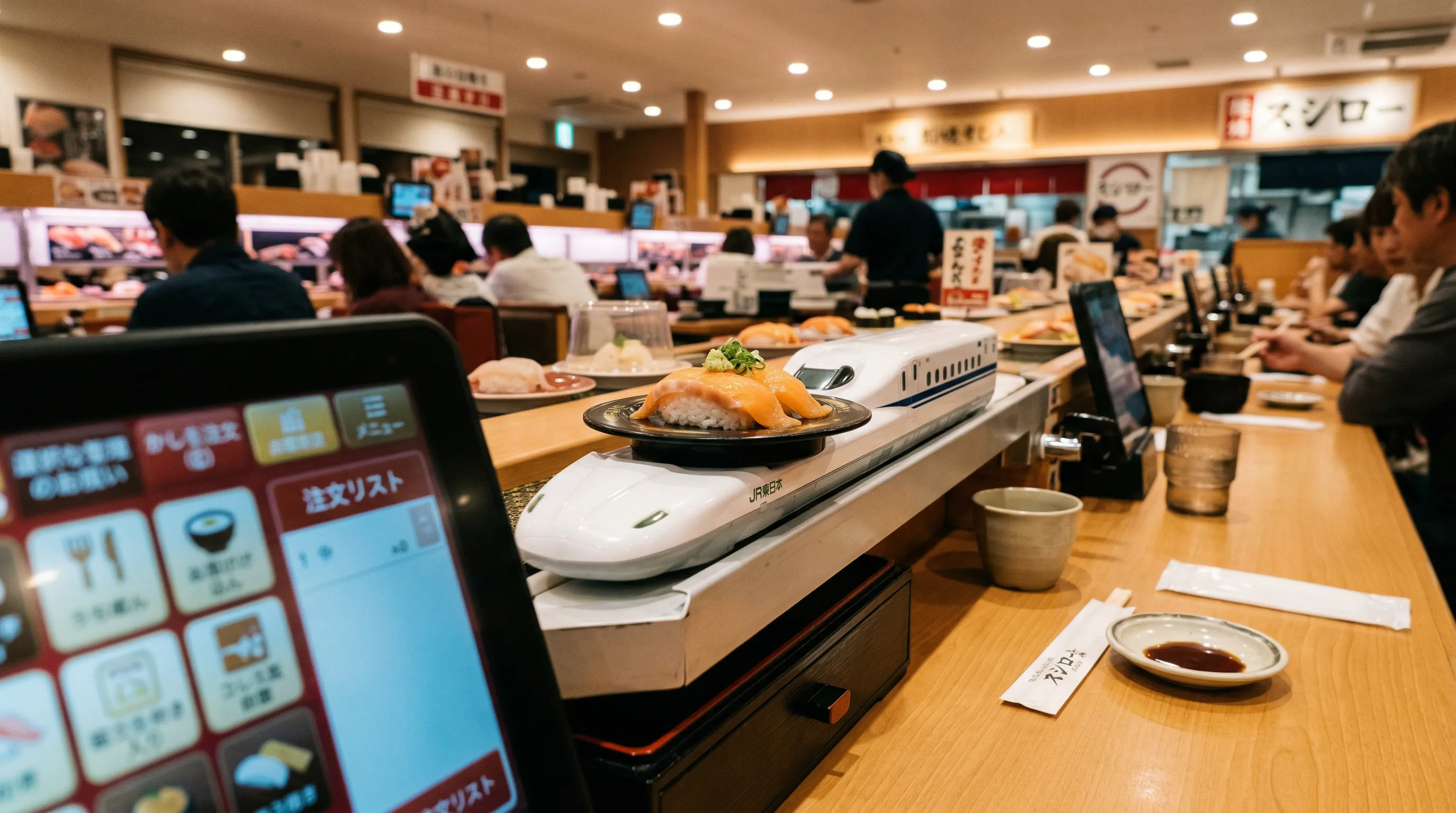
The undisputed king of kaiten sushi chains, where touch-screen ordering and miniature bullet trains create an experience that's equal parts efficient and entertaining. What sets Sushiro apart isn't just the theater — it's the seasonal specials featuring premium cuts like engawa (flounder fin) and aburi salmon that would cost triple at traditional counters. The quality-to-price ratio at ¥120+ per plate makes this the go-to for locals wanting reliable sushi without ceremony. Download the Sushiro app to join the queue remotely and save 30-60 minutes of waiting.
2. Midori Sushi
Technically a small chain, but Midori operates like a high-end sushi counter with multiple locations. The Shibuya branch draws consistent 45-minute lines for good reason — fish quality rivals establishments charging triple the price. Each piece is cut to order by skilled chefs, not pre-made and circulated on belts. Lunch sets starting around ¥2000 offer exceptional value for this craftsmanship level. The wait is part of the experience.
3. Kura Sushi
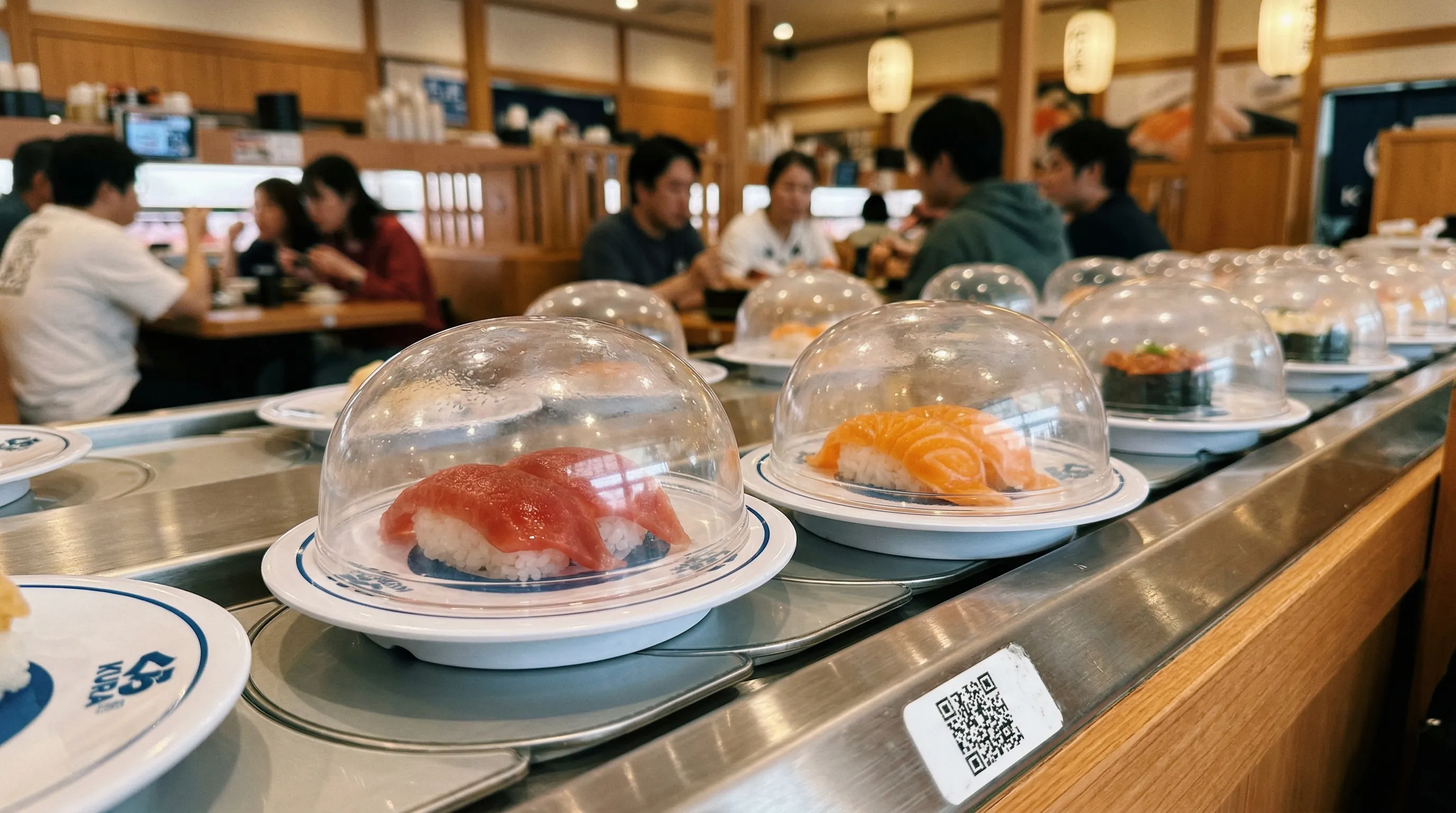
The health-conscious choice, Kura Sushi built its reputation on muten — completely additive-free sushi eliminating artificial preservatives, colors, and chemical seasonings. The difference is noticeable in cleaner, more natural flavors of both rice and fish. The plate-counting system where five plates earns a capsule machine prize is gimmicky but addictive. Quality sits between budget and premium, ideal for better ingredients without Midori's wait times.
4. Hamazushi
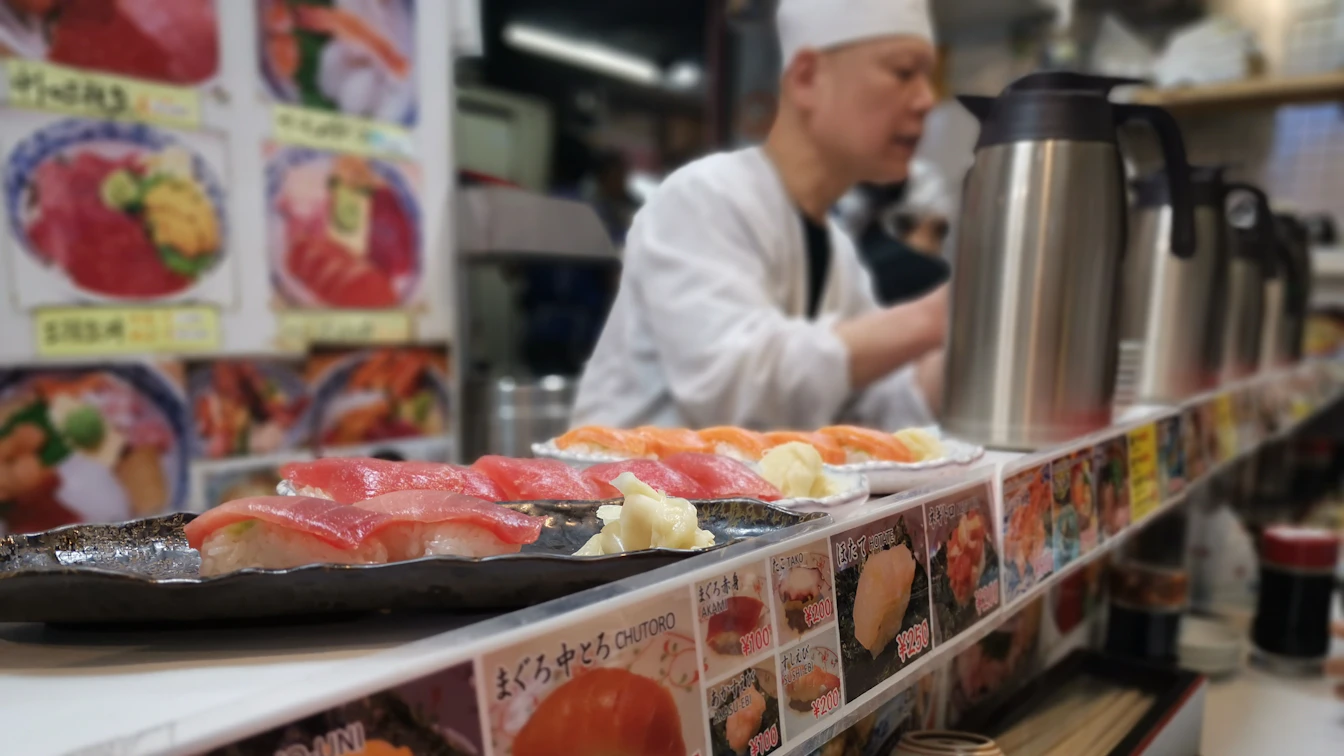
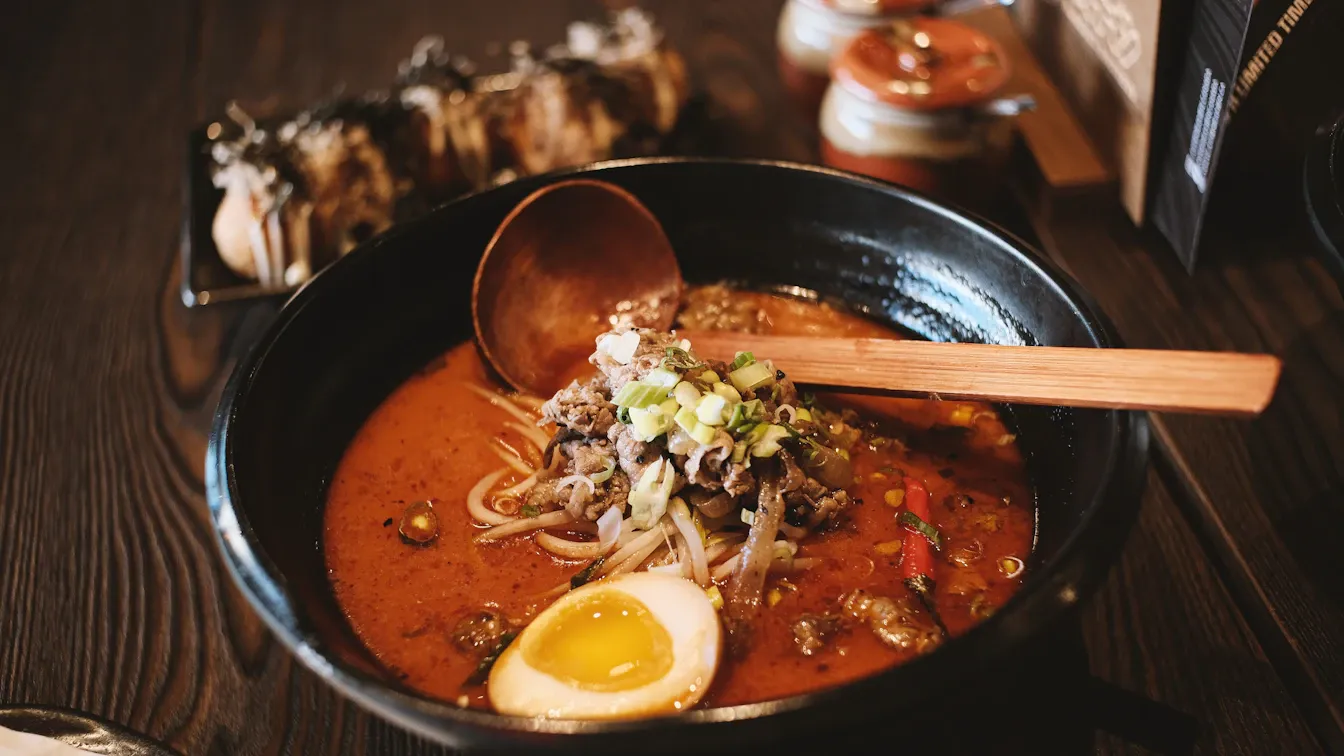
The budget champion at ¥110 per plate, but Hamazushi's secret weapon is the ramen. The tonkotsu broth is surprisingly well-executed and pairs perfectly with lighter sushi selections. This makes it ideal for groups with mixed preferences or solo diners wanting both warm comfort food and fresh sushi. The fish quality won't win awards, but at these prices it doesn't need to. Order ramen alongside sushi for the full experience.
5. Nemuro Hanamaru
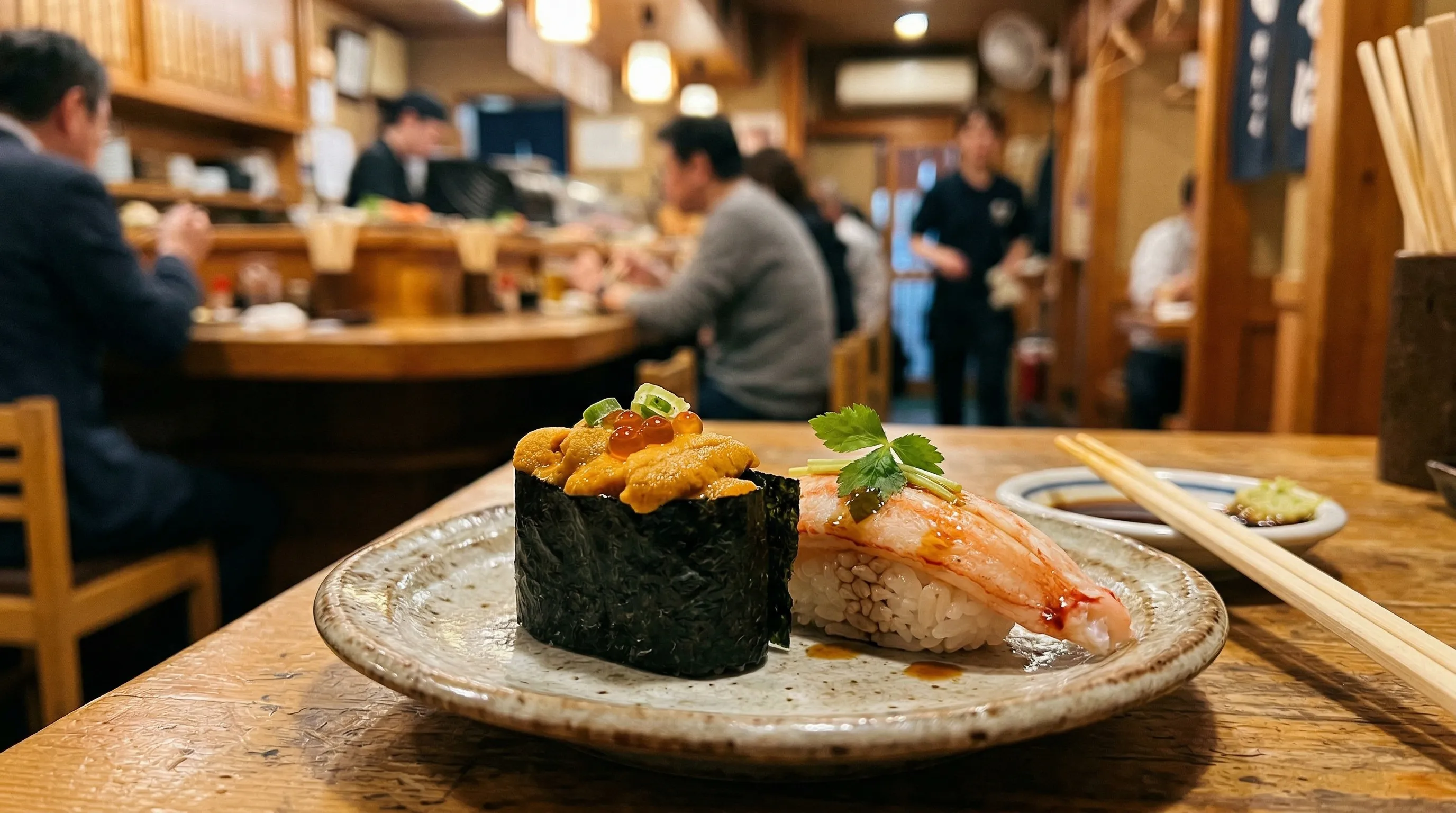
The premium option bridging chain convenience with high-end ingredients, specializing in Hokkaido seafood flown in daily. The uni rivals expensive Ginza counters, and seasonal crab selections showcase Hokkaido's legendary shellfish at accessible prices. Unlike conveyor belt formats, this operates like a traditional counter with made-to-order pieces. Locations near Tokyo Station and Ginza make it perfect for business lunches. Expect to pay more than other chains but considerably less than standalone restaurants serving comparable Hokkaido ingredients.
Honorable Mentions
**Nemuro Hanamaru** brings authentic Hokkaido seafood to Tokyo with uni and crab that tastes like it was pulled from northern waters that morning — worth seeking out near Tokyo Station for the real deal. **Hamazushi** takes the unconventional approach of serving ramen alongside sushi, creating an oddly satisfying combo meal that works better than it should at ¥110 per plate.
FAQ
Which chain has the best tuna quality?
Midori Sushi consistently serves the highest-grade tuna, with maguro sourced from Tsukiji suppliers and cut fresh throughout the day. At ¥2000+ for lunch sets, you're getting restaurant-quality fish that rivals traditional sushi counters.
Do any of these chains accept reservations?
Most operate first-come basis, but Sushiro's app lets you join the digital queue remotely — essential for popular branches where waits exceed an hour. Midori Sushi accepts phone reservations at some locations.
What's the average cost per person?
Budget ¥1000-1500 at conveyor belt spots like Sushiro and Kura Sushi (plates from ¥110). Midori Sushi and Numazuko run ¥2000-3000 for premium pieces. Ganko falls in the middle at ¥1500-2500.
Which chains have English menus?
Sushiro and Kura Sushi offer full English on touch-screens. Midori Sushi provides English menus at most Tokyo locations, while Ganko and Numazuko rely on picture menus.
Can I get vegetarian options?
Kura Sushi leads with dedicated vegetarian plates including tamago, cucumber rolls, and seasonal vegetables clearly marked on screens. Sushiro offers tamago and cucumber options, though cross-contamination is common across all chains.